Chi-Chia's blog
Paid leave should be spent catching up on sleep
Tags
Hokuriku
17 articles tagged with "Hokuriku"
-
An overview of the Hokuriku history notes. It lists the fifteen notes from prehistory to Reiwa in order, gathers the themes that recur across periods (place names and administration, the Hokuriku road and the Sea of Japan, Hakusan, Tateyama and Jōdo Shinshū, the Maeda family, Toyama's castle, medicine, and water, Komatsu's kilns, port, and airport, ties with Taiwan, and disasters), adds crafts and townscapes the notes did not cover, such as Ko-Kutani, Kanazawa gold leaf, and the teahouse districts, and ends with a table matching places on the trip to the notes.
-
 Hokuriku Travel Guide: Family Spots, Tateyama Kurobe, and Toyama and Kanazawa in November October 14, 2026
A practical guide for Kanazawa, Toyama, Komatsu, and Fukui: seasonal and operating conditions for a trip from 15 to 22 November, tickets and transport on the Tateyama Kurobe Alpine Route in mid-November, the Kurobe Gorge Railway after its full reopening in October 2026, places for children, nature, historic sites, and locations from anime, TV dramas, and films, and restaurants and takeaway food in Toyama, Kanazawa, and Fukui, including the Toyama episode of Izakaya Shinkansen 2.
-
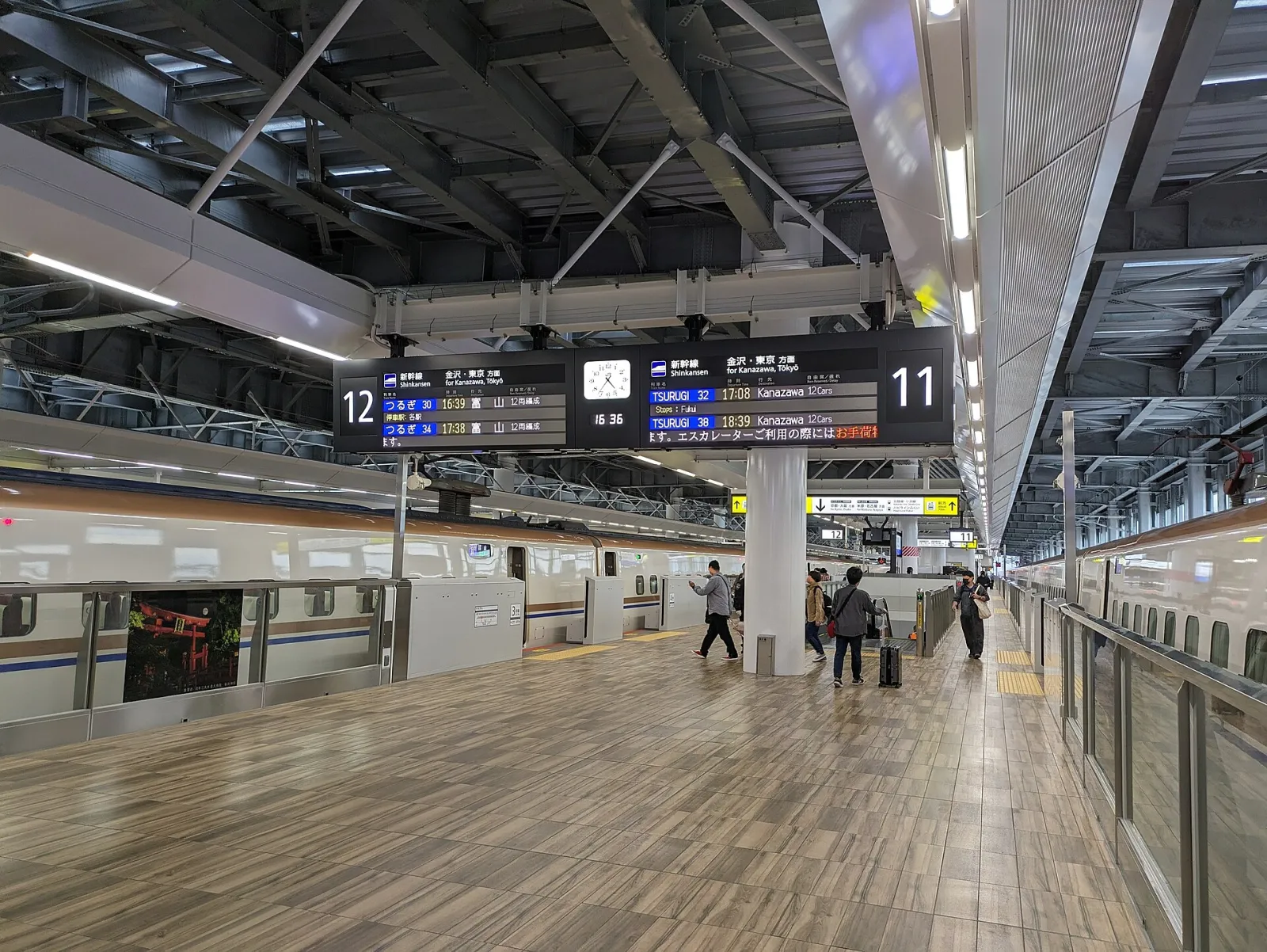
A pre-trip note for Kanazawa and Toyama covering the Reiwa era since 2019: through tram service across Toyama Station, the 2024 extension of the Hokuriku Shinkansen to Tsuruga and the Hapi-Line Fukui, the 2024 Noto Peninsula earthquake and the Oku-Noto floods, messages of sympathy between Hokuriku and Taiwan after earthquakes, the return of Toyama–Taipei flights, the full reopening of the Kurobe Gorge Railway, and manga and anime from Nagai Go, Ima Ichiko, Fujiko Fujio Ⓐ, and 2.43.
-
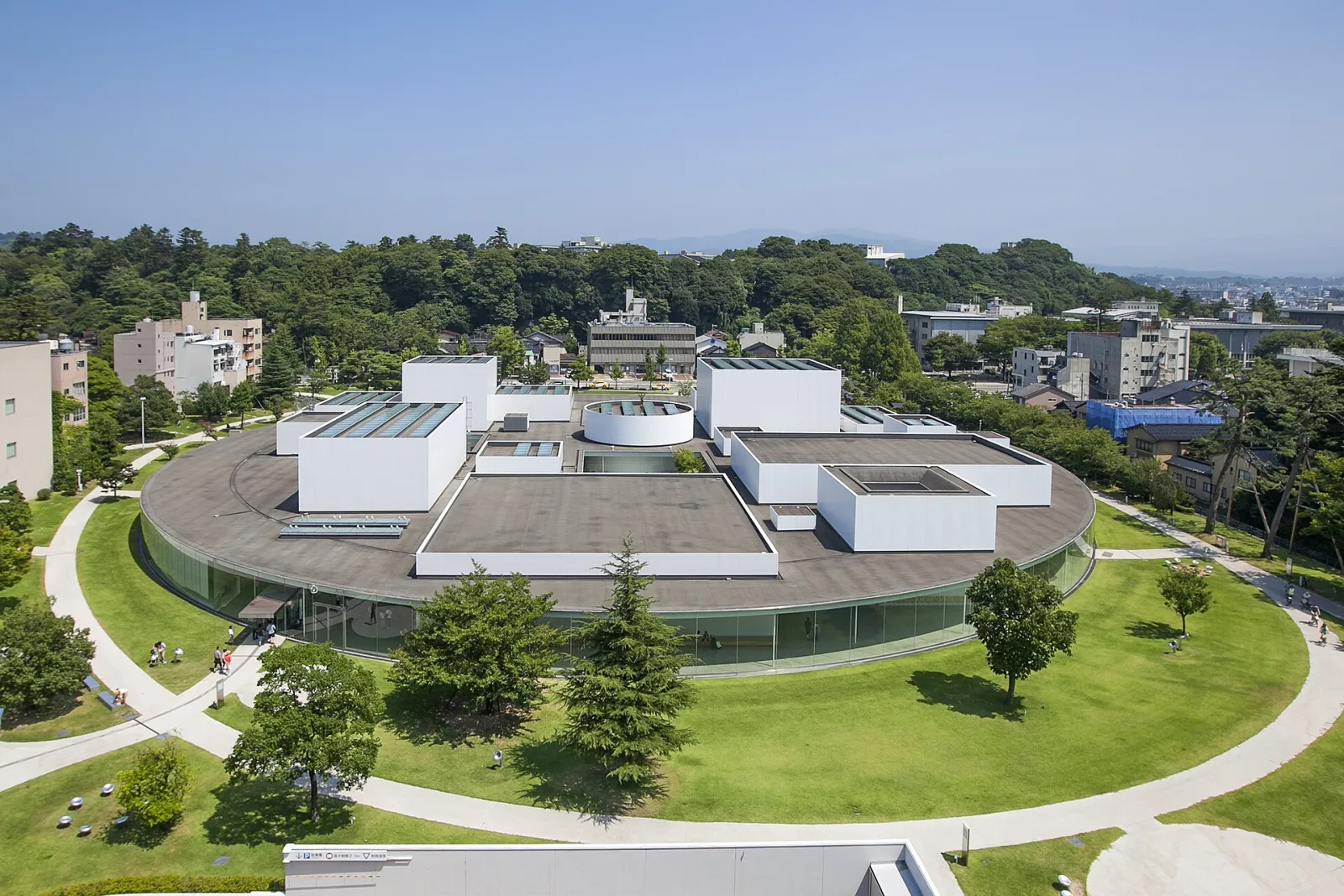
A pre-trip note for Kanazawa, Toyama, and Komatsu covering 1989–2019: the 21st Century Museum of Contemporary Art and other cultural facilities, World Heritage status for Gokayama and National Treasure status for Zuiryūji, the Toyama Light Rail and municipal mergers, the Hokuriku Shinkansen reaching Kanazawa in 2015, flights from Komatsu and Toyama to Taipei, Mori Yoshirō, the Fukui floods, the Noto Peninsula earthquake, the Shika criticality accident, and people such as Fujiko Fujio Ⓐ, Fujita Yoshinaga, and Takita Yōjirō.
-
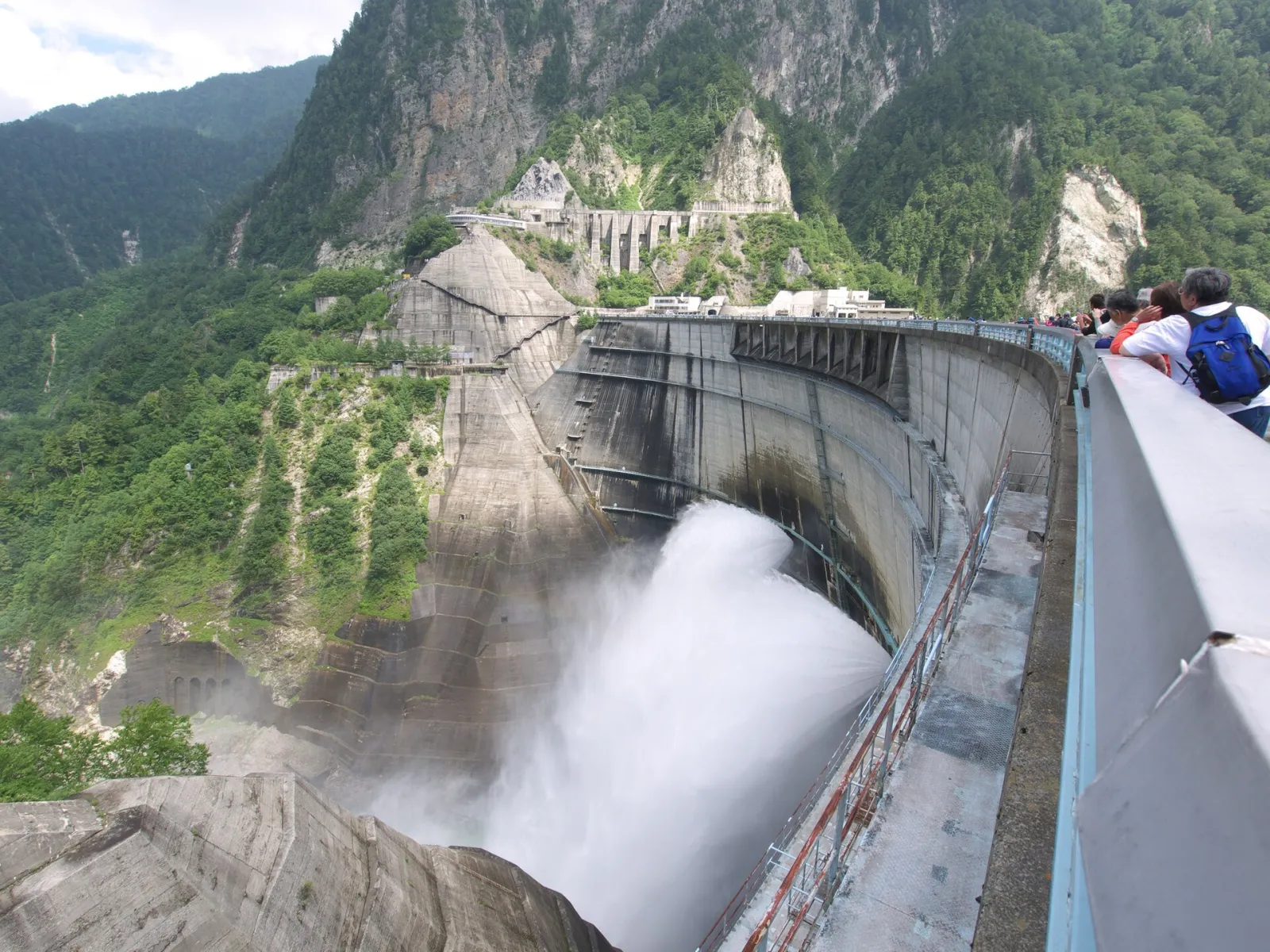
A pre-trip note for Kanazawa, Toyama, and Komatsu covering 1945–1989: US occupation and military government, the Shōwa emperor's tour of Hokuriku, repatriates and links with Taiwan, Kanazawa University inside the castle and the Kanazawa College of Art, the Uchinada struggle, Komatsu Air Base and Toyama Airport, Kanazawa port and the Hokuriku Expressway, Kurobe Dam and the Tateyama Kurobe Alpine Route, YKK and Komatsu, the itai-itai disease lawsuit, and manga, literature, film, and television from Hokuriku Broadcasting, Fujiko Fujio, Itsuki Hiroyuki, and Zero Focus.
-
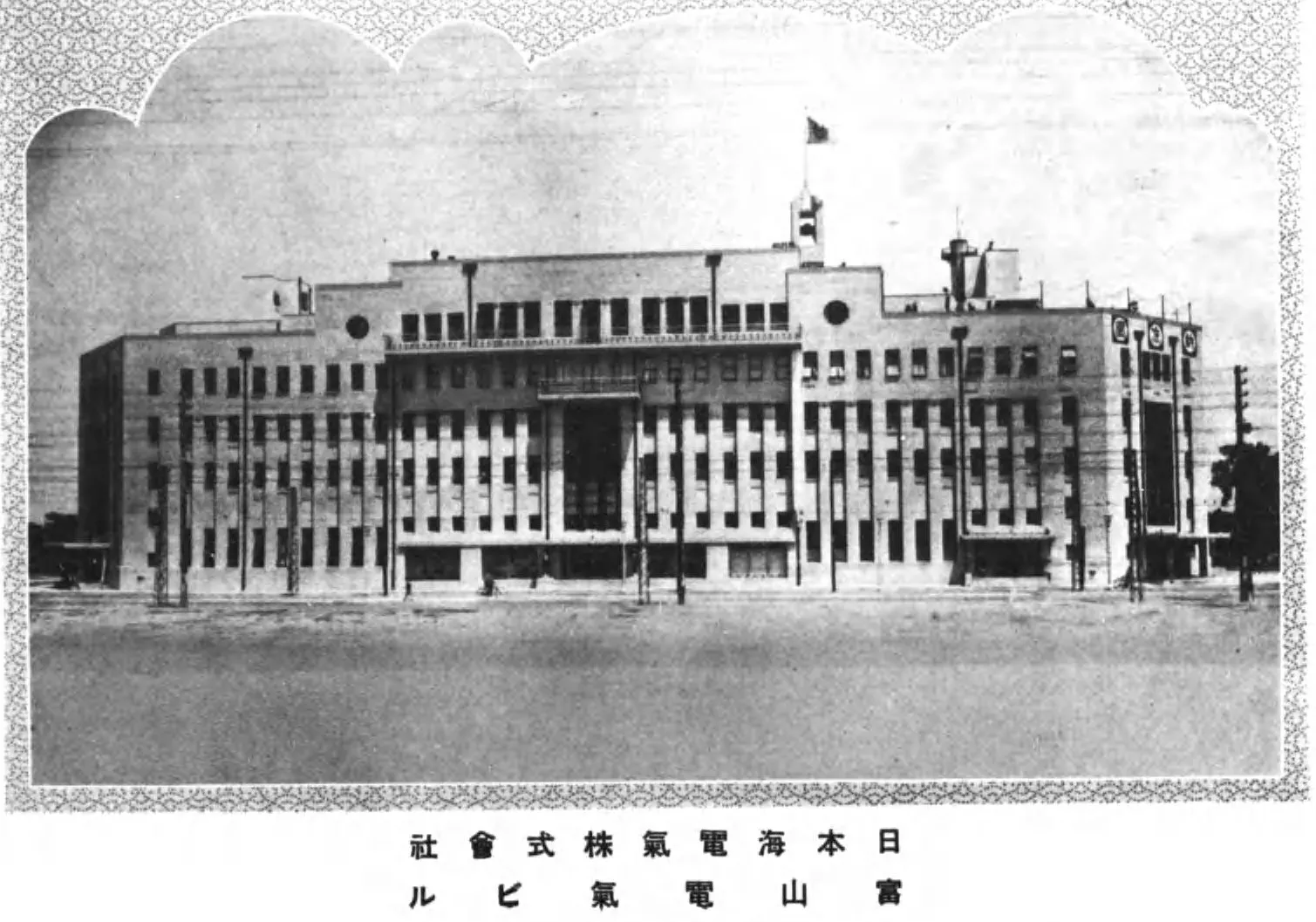
A pre-trip note for Kanazawa, Toyama, and Komatsu covering 1926–1945: the Kanazawa broadcasting station, kafē and talkies, the former Ishikawa Bank Hashiba branch, a Noh stage built of Alishan cypress from Taiwan, and the Toyama Denki Building, the 9th Division's moves from Shanghai and Manchuria to Taiwan, Komatsu's city charter and naval airfield, evacuation and building clearance in Kanazawa, the Toyama air raid of 2 August 1945, links with Taiwan, and the arrival of US troops in Kanazawa after the war.
-
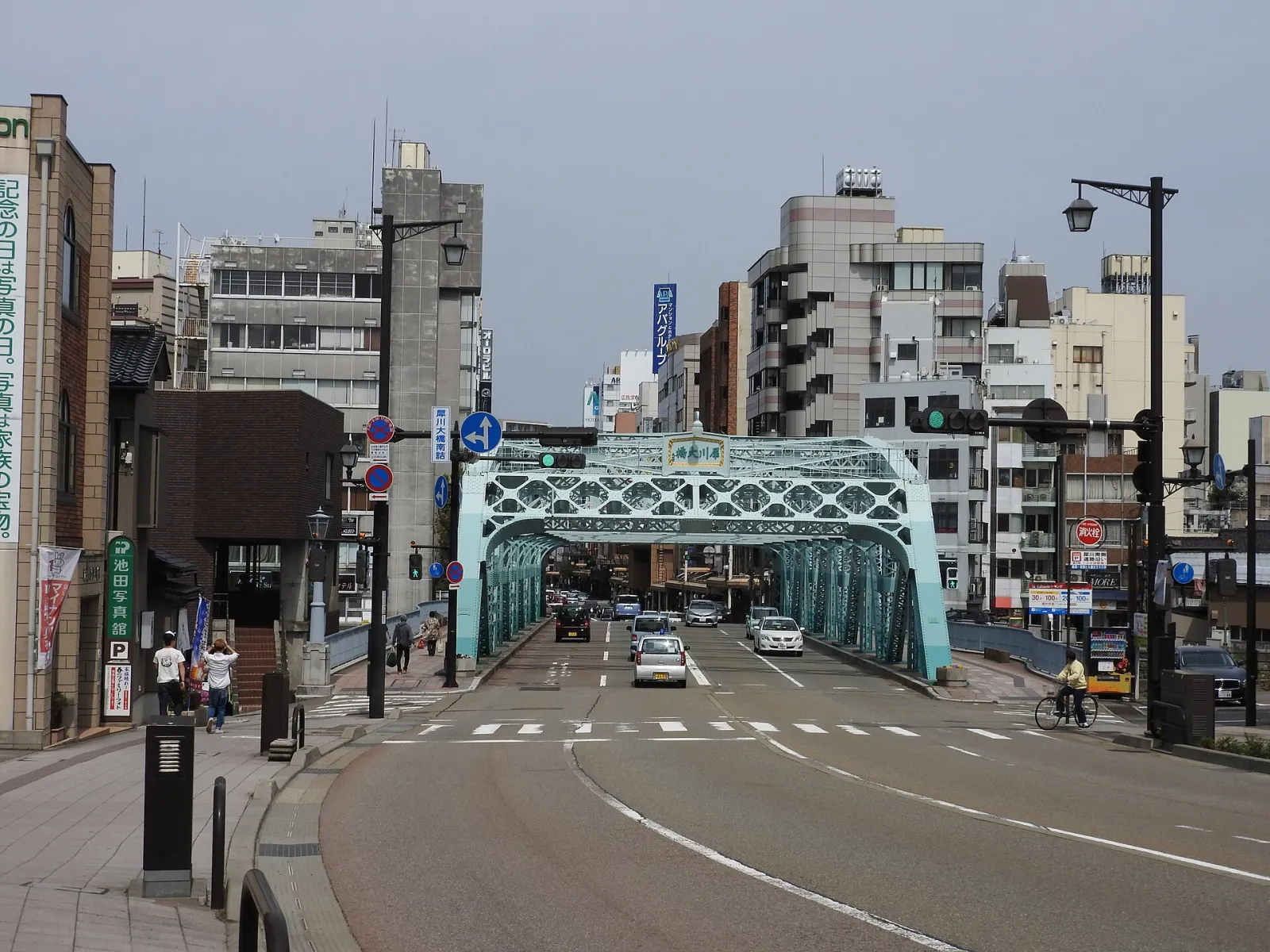
A pre-trip note for Kanazawa, Toyama, and Komatsu covering the Taishō era: the 1918 rice riots from Uozu and Namerikawa to Kanazawa, three generations of the Maeda family after the domains and the Ikutoku Foundation, the 9th Division in Siberia and the universal suffrage movement, ministers and members of parliament from Hokuriku such as Kigoshi Yasutsuna and Sakurai Hyōgorō and Toyama's prefectural electricity business, Komatsu Seisakusho and Toyama medicine sellers abroad, Murō Saisei, Takehisa Yumeji, and Shimada Seijirō's Chijō, trams, cinemas, a department store, and Awagasaki amusement park, Taishō buildings such as Saigawa Bridge and the old prefectural office, the discovery of the Ōzakai cave, middle-school baseball, and links with Taiwan.
-
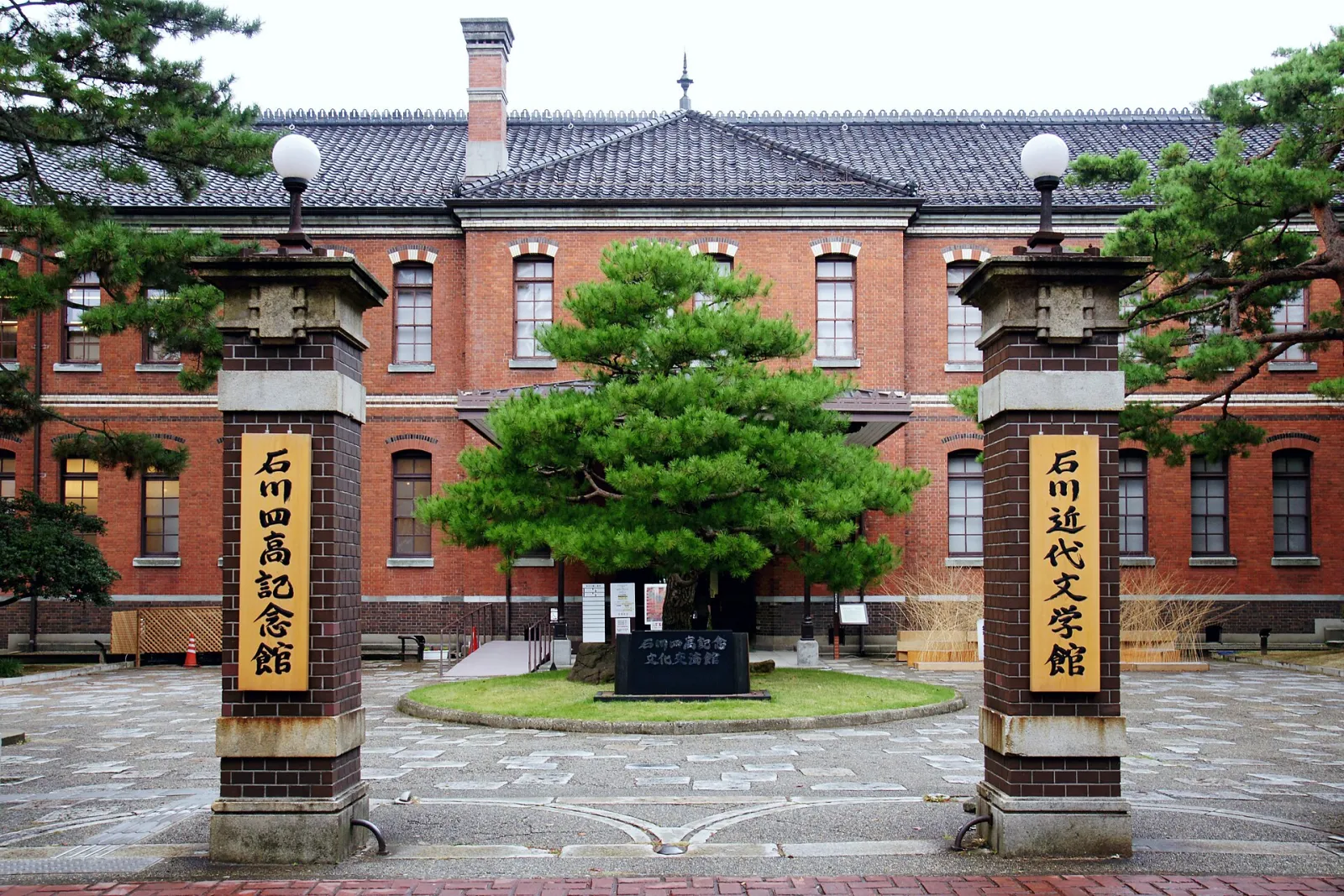
A pre-trip note for Kanazawa, Toyama, and Komatsu covering the Meiji era: the abolition of the domains and the creation of Toyama Prefecture in 1883, the Bandori uprising and the assassination of Honda Masachika, the Kioichō Incident and the freedom and people's rights movement, foreigners who came to Hokuriku, the Fourth Higher School and figures such as Nishida Kitarō, Kanazawa's power looms and the Ogoya mine in Komatsu, the 9th Division and the Russo-Japanese War, the railway and rebuilding after the Toyama and Takaoka fires, and the 1907 survey of Mount Tsurugi.