We stayed up too late the night before and only just managed to get ready to head out past nine. Today’s plan was Mojiko, which meant taking the subway to Hakata Station to change trains. A Japanese gentleman ambling unhurriedly in front of me on the escalator made me miss one subway, so I had to wait another ten minutes. At Hakata Station I meant to buy a Shinkansen ticket but accidentally bought a JR one instead; I wanted a refund, but the service counter was packed, so I gave up and just went through the gates—only to discover there had been a level-crossing accident. The limited express scheduled for Platform 3 never appeared on the display board, so we boarded the regional rapid waiting at Platform 4 that ran straight to Mojiko, and it took more than an hour to get there.
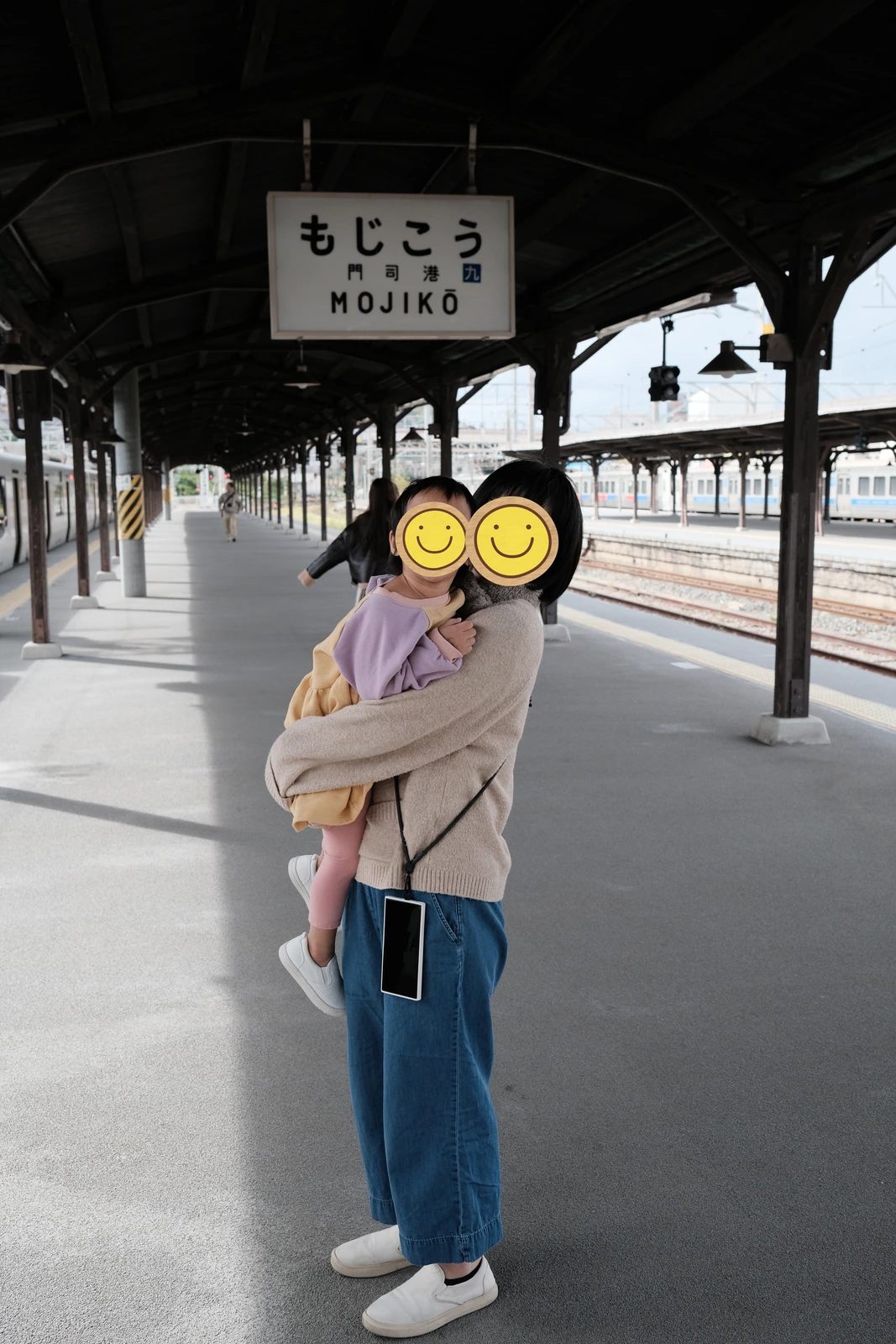
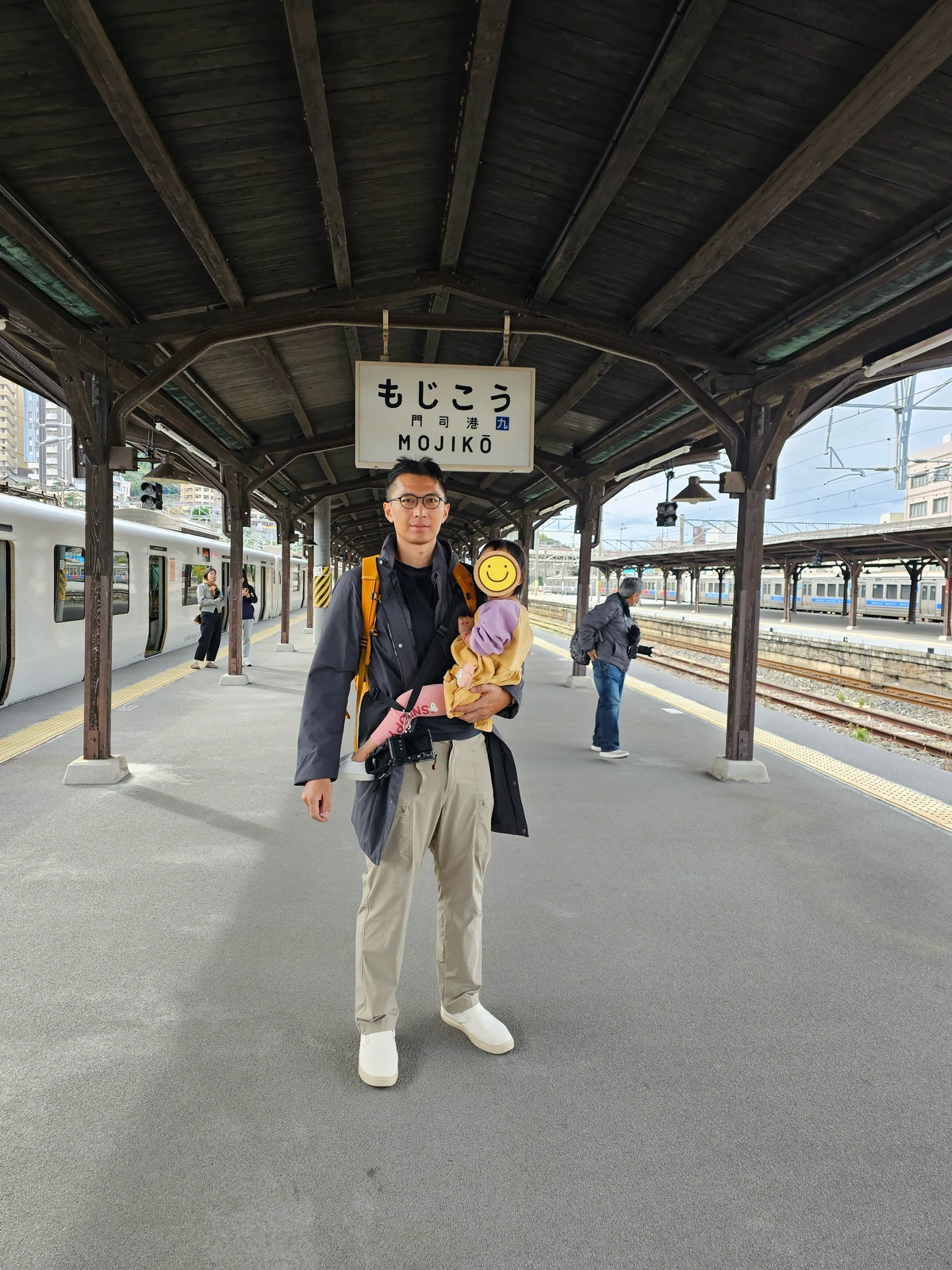
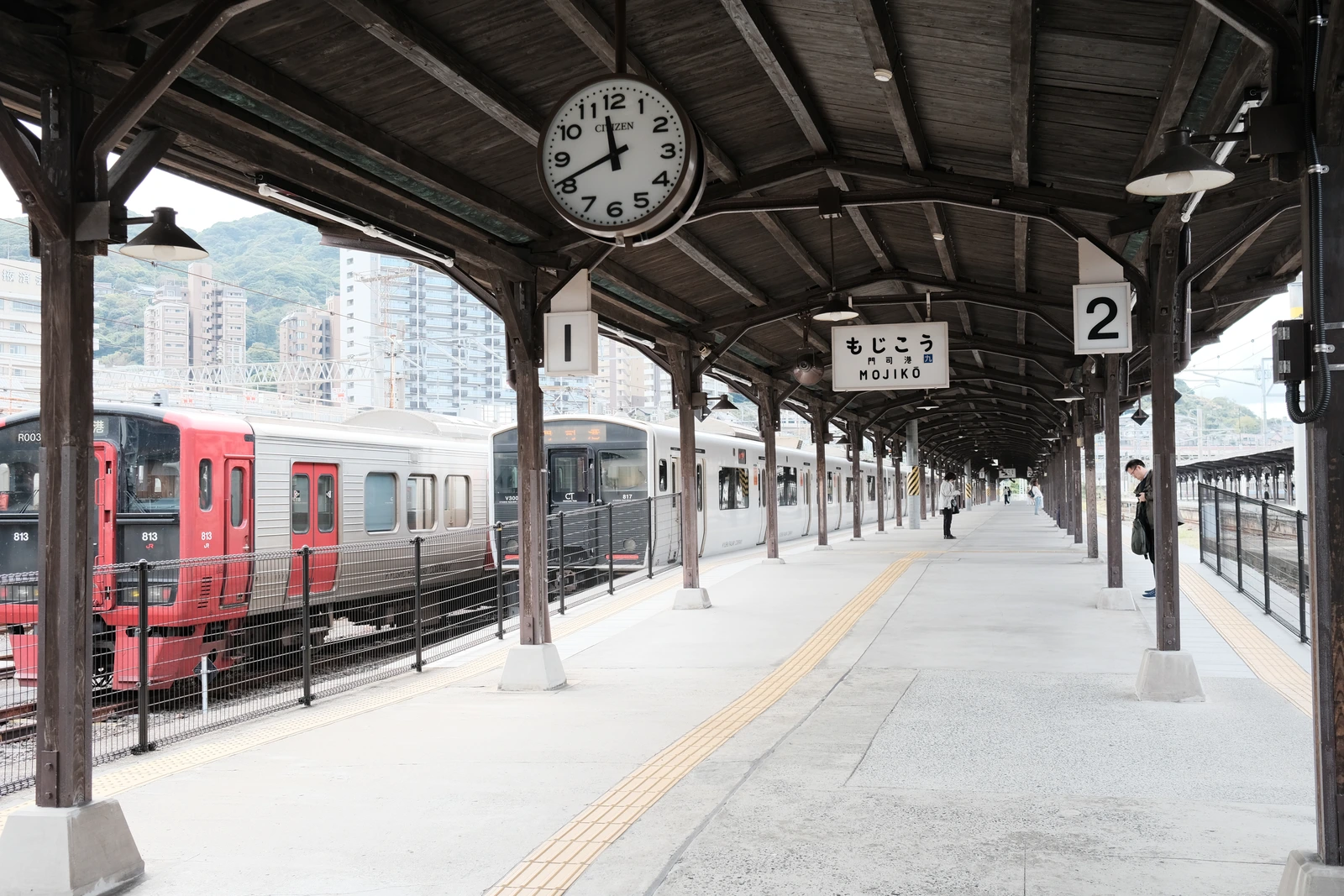
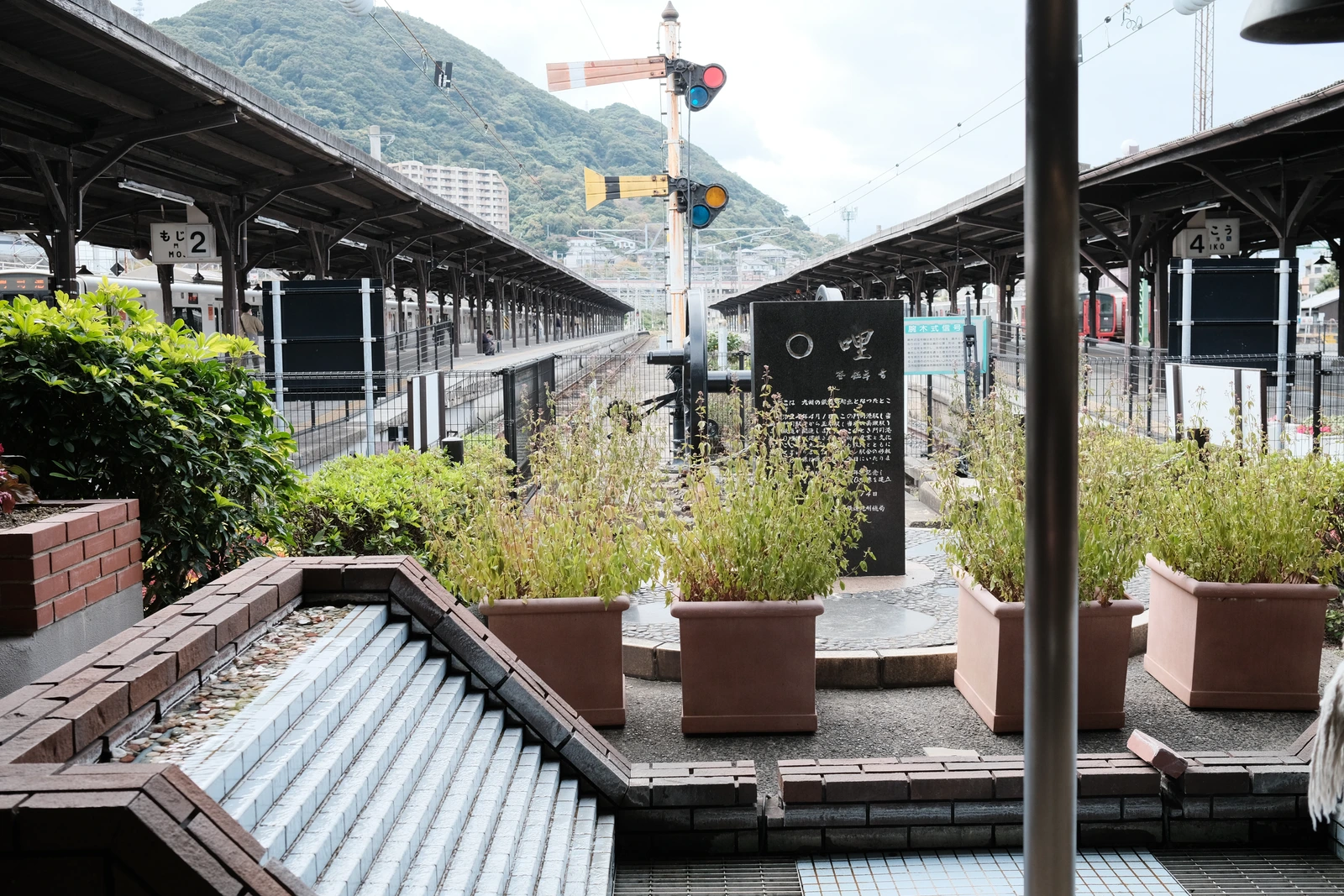
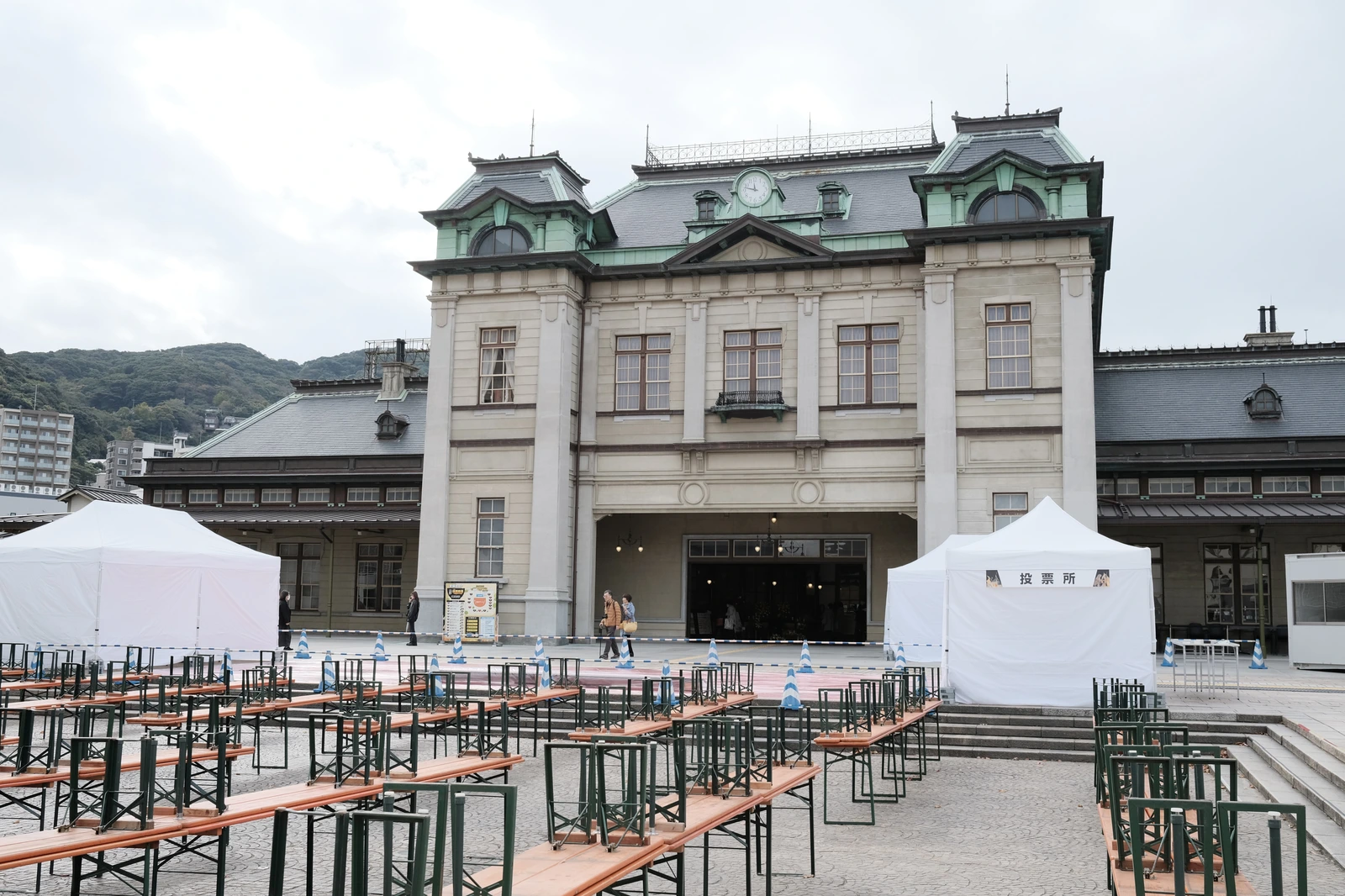
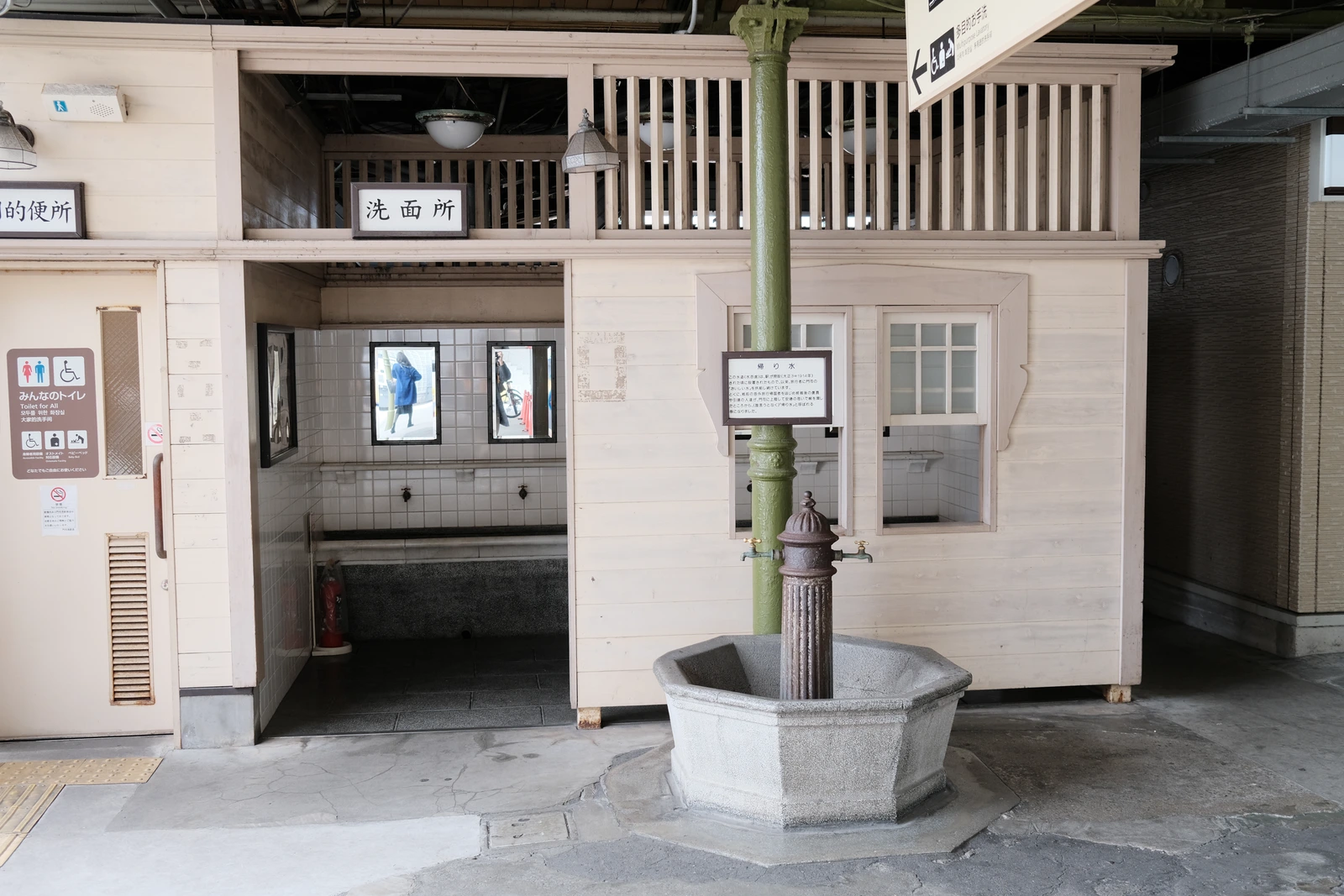
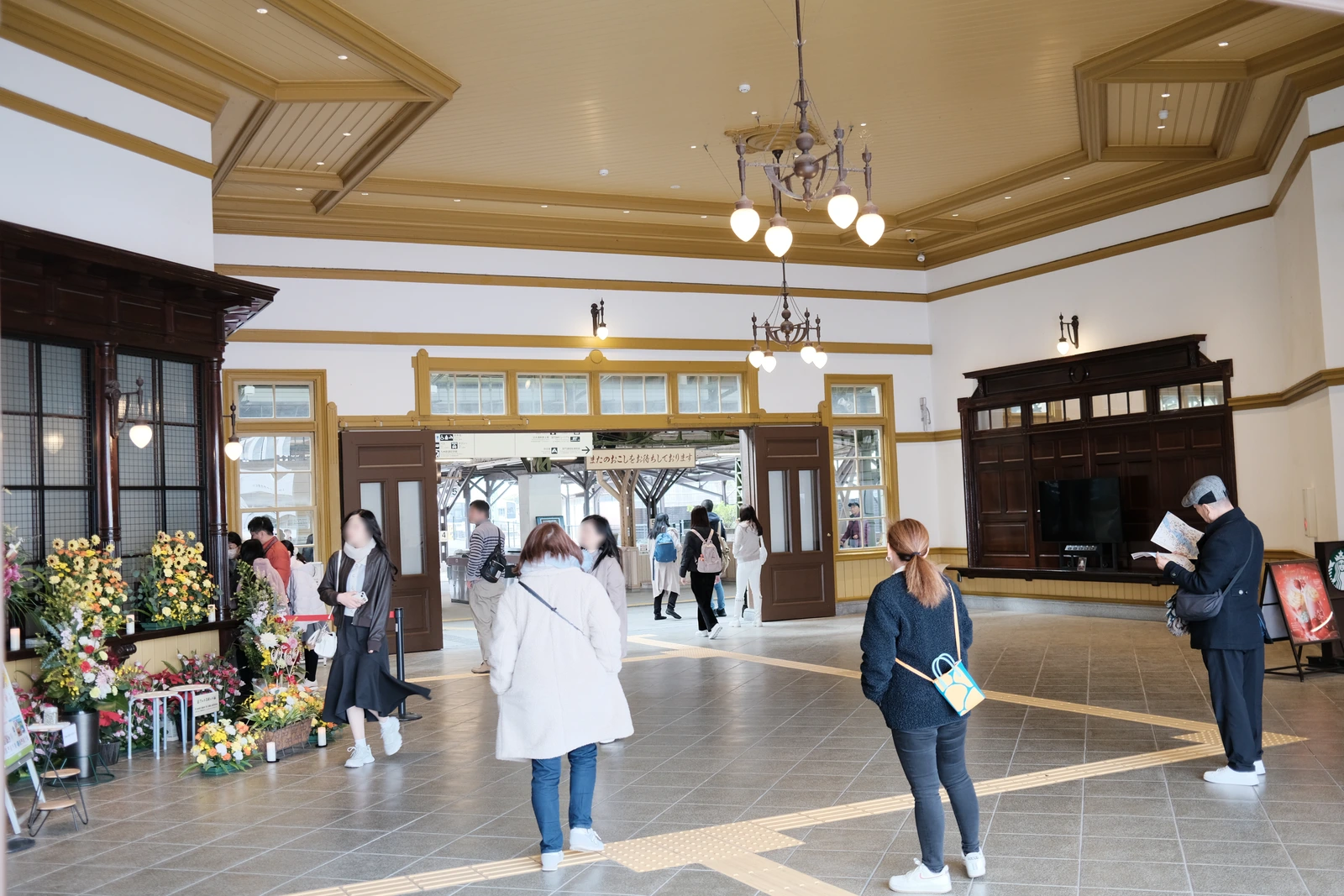
In front of the station they seemed to be setting up for the “2024 Stationmasters’ Local Donburi Grand Election” (2024駅長対抗ご当地丼総選挙)—a shame we were just one day too early.
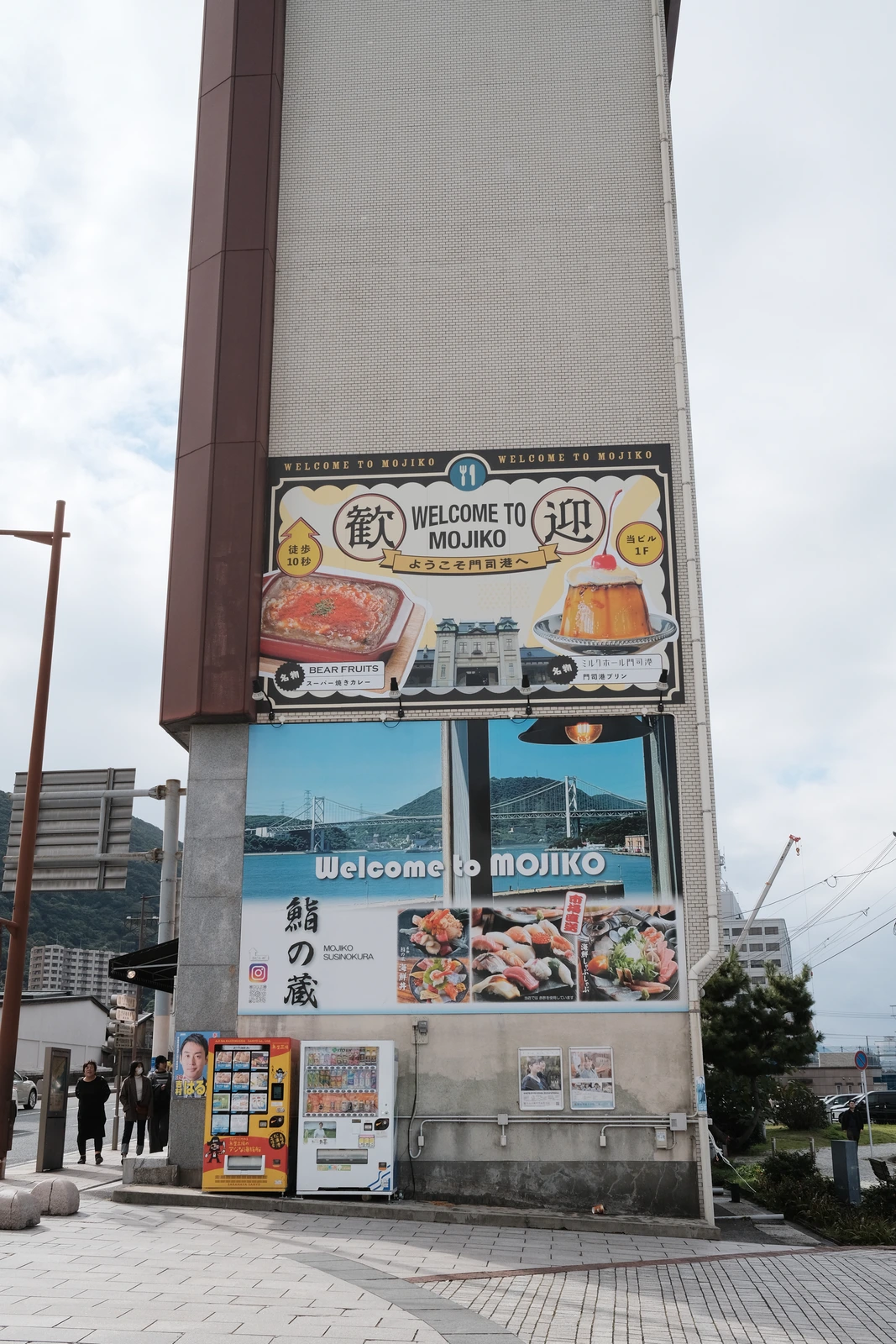
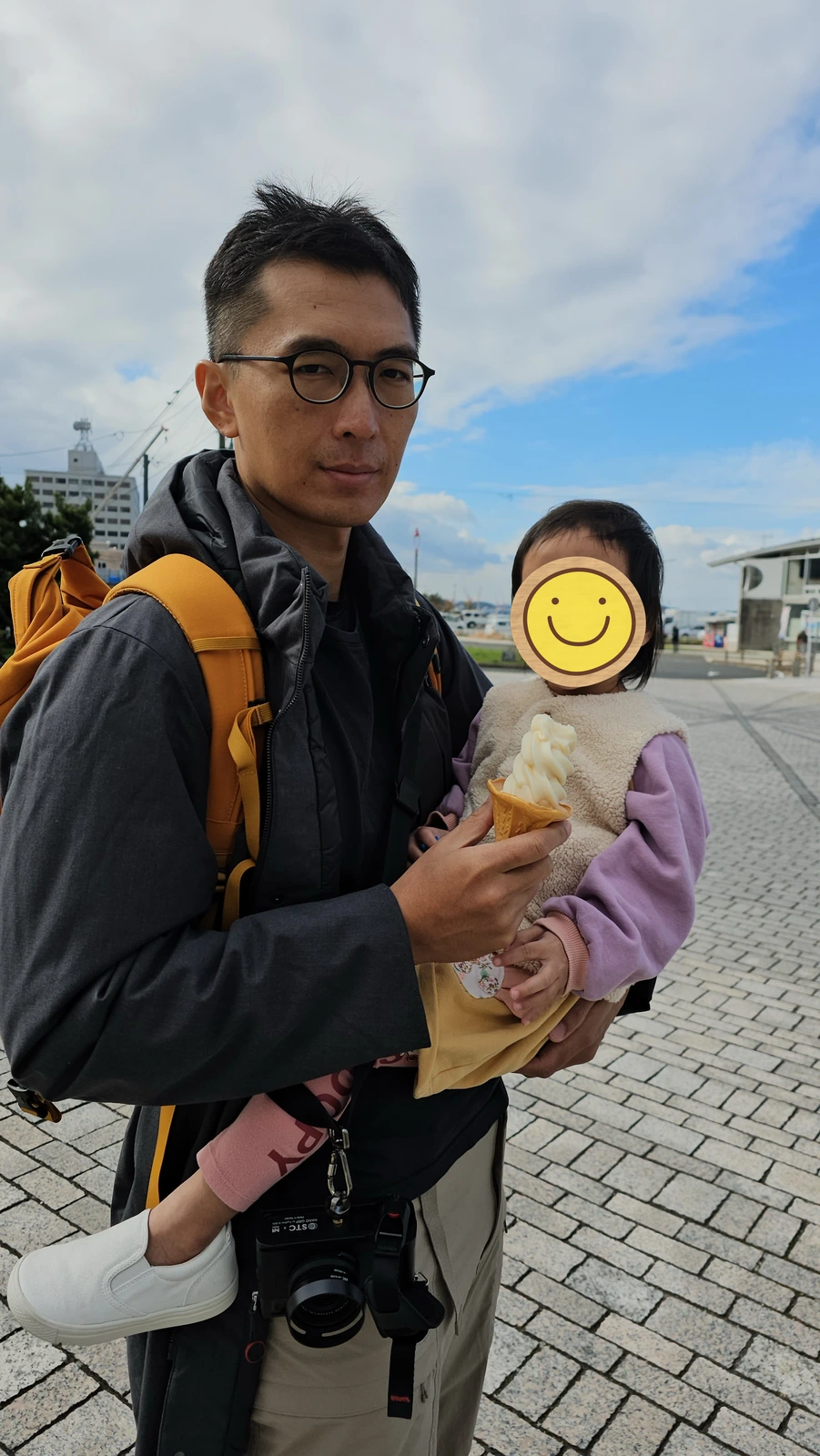
It was a little cold, and the wind off the sea was strong, but luckily I had on the down coat I’d bought the day before. Our daughter didn’t want to walk or wear a jacket—she only wanted ice cream. We headed for the waterfront first and bought her an ice cream right after crossing the road. There seemed to be a pet-themed market on today, with every stall we passed selling pet supplies.
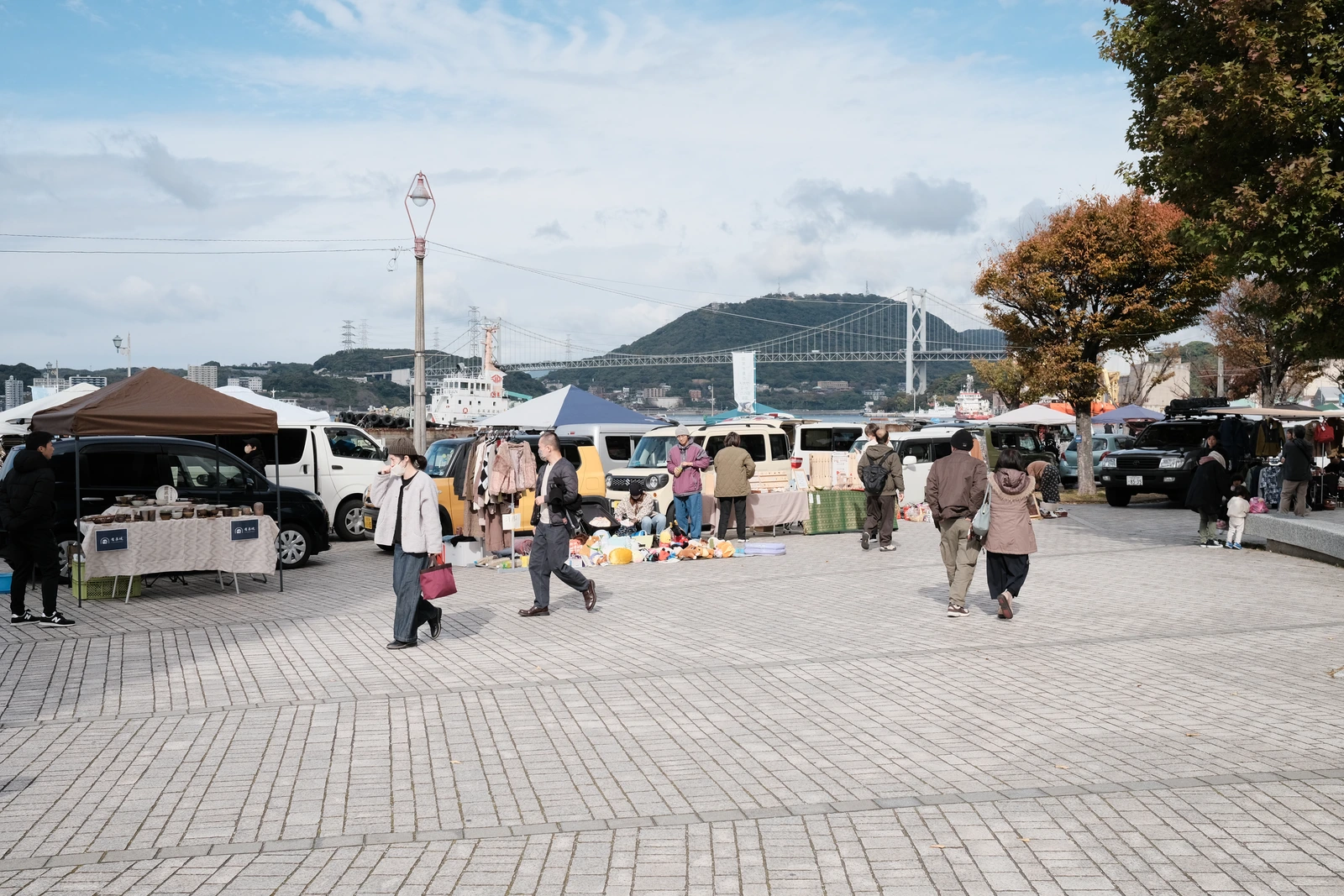
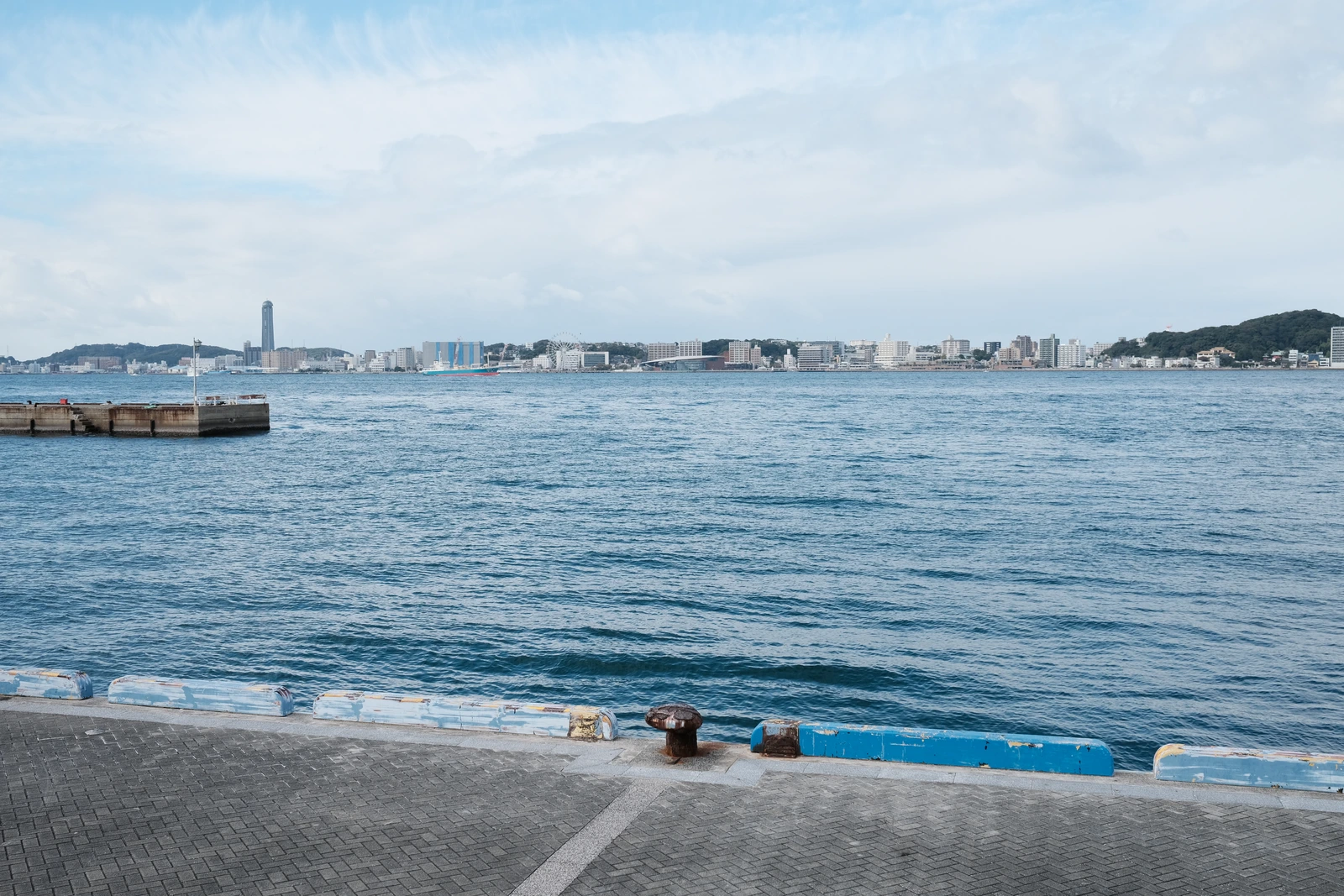
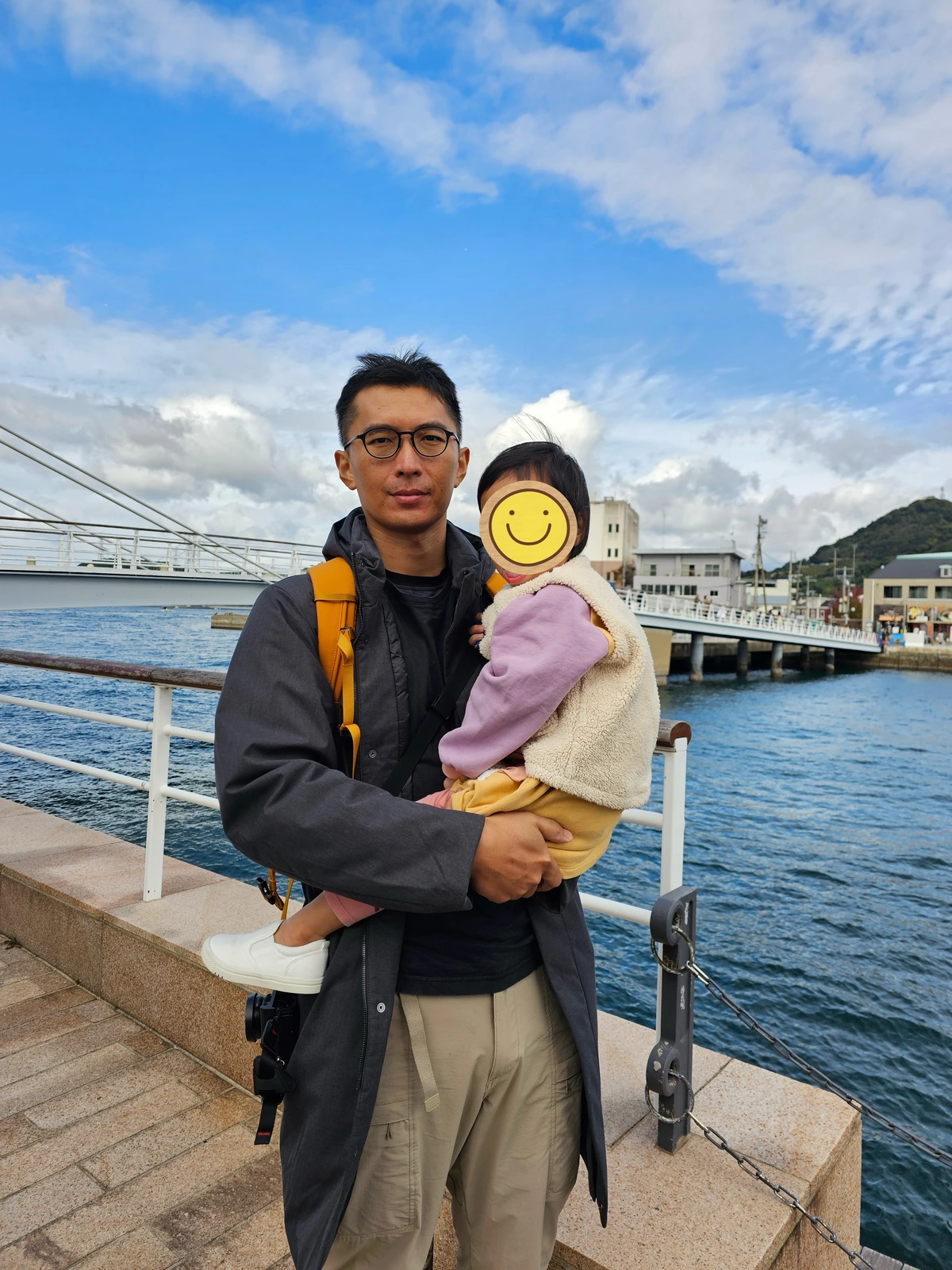
Crossing through the market to the other side of the harbor, we found an observation deck with reasonably priced tickets. From up there you can look out toward Shunpanro, where the Treaty of Shimonoseki was signed (the original building was destroyed in World War II). The viewing glass also marks other landmarks, such as the Dannoura battlefield site across the Kanmon Strait and Ganryujima, the island where Miyamoto Musashi and Sasaki Kojiro fought their duel. The view was excellent and well worth the climb.
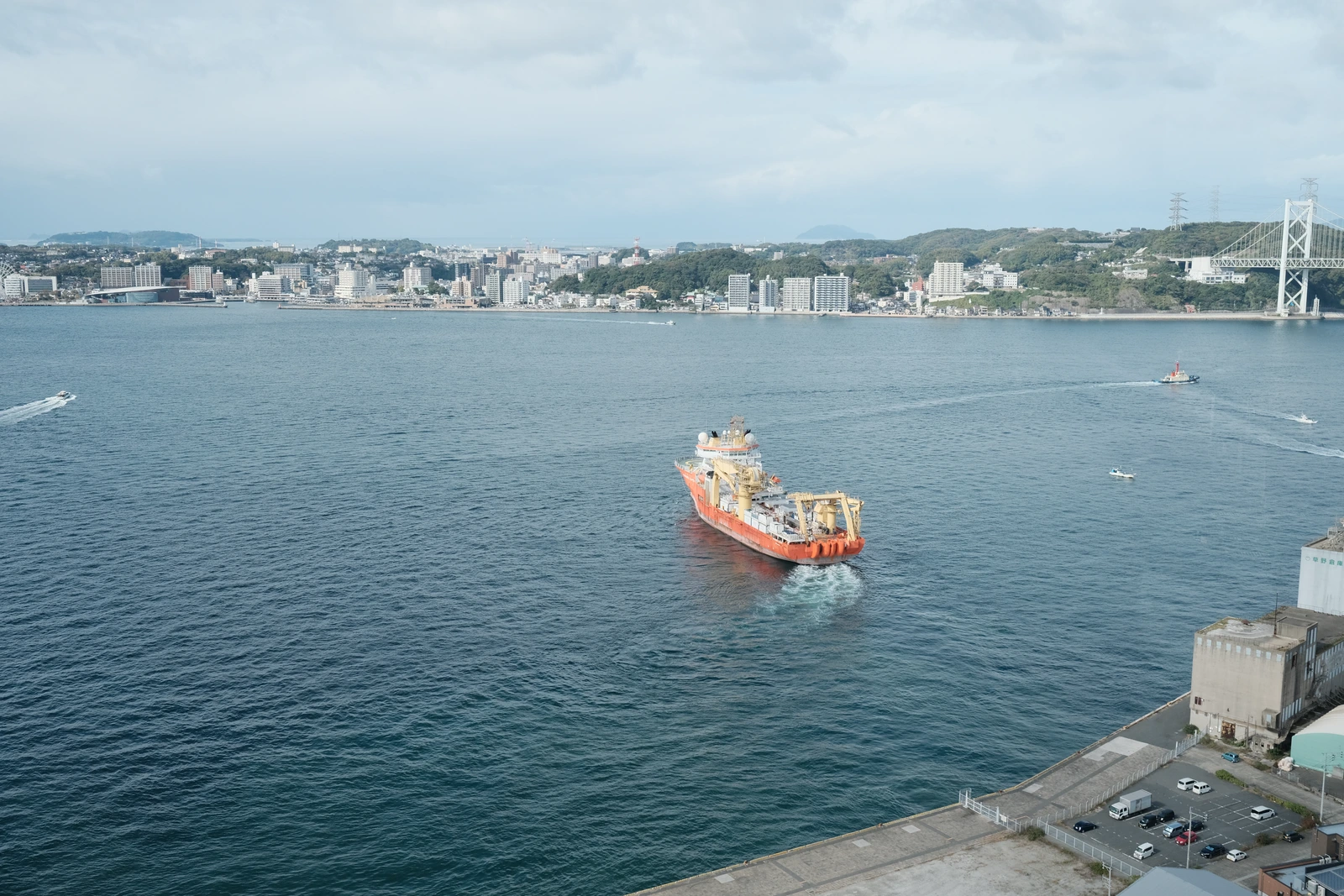
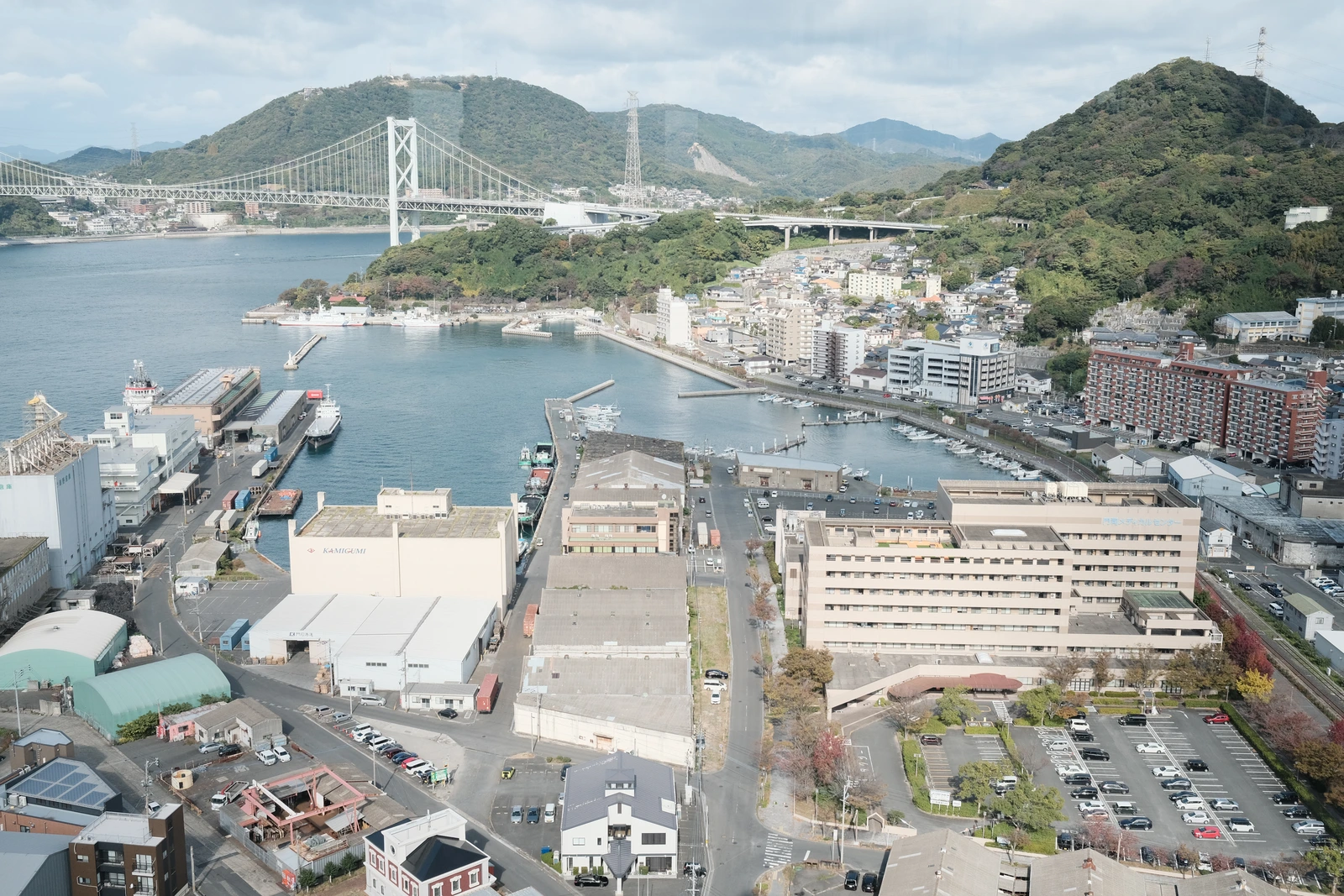
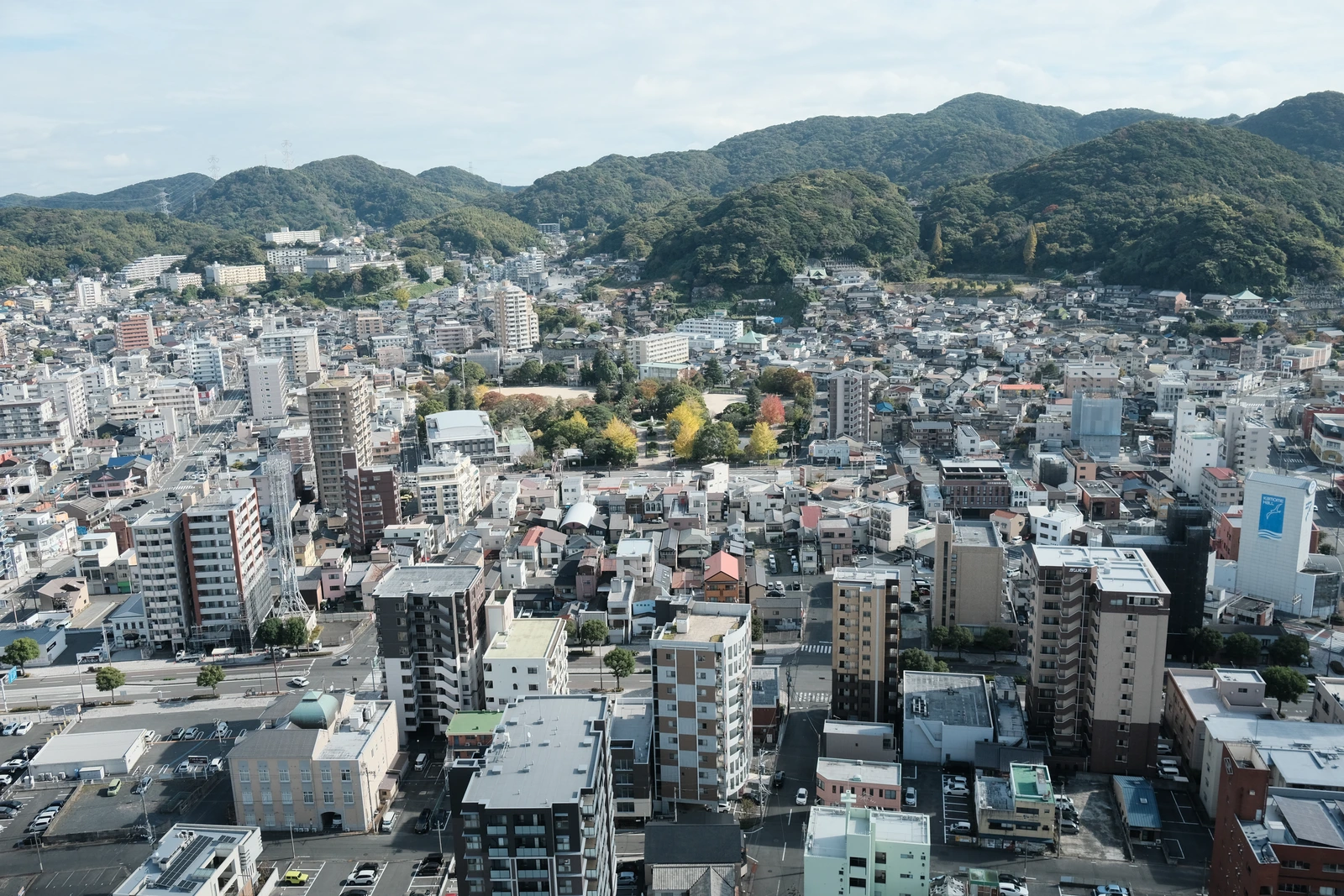
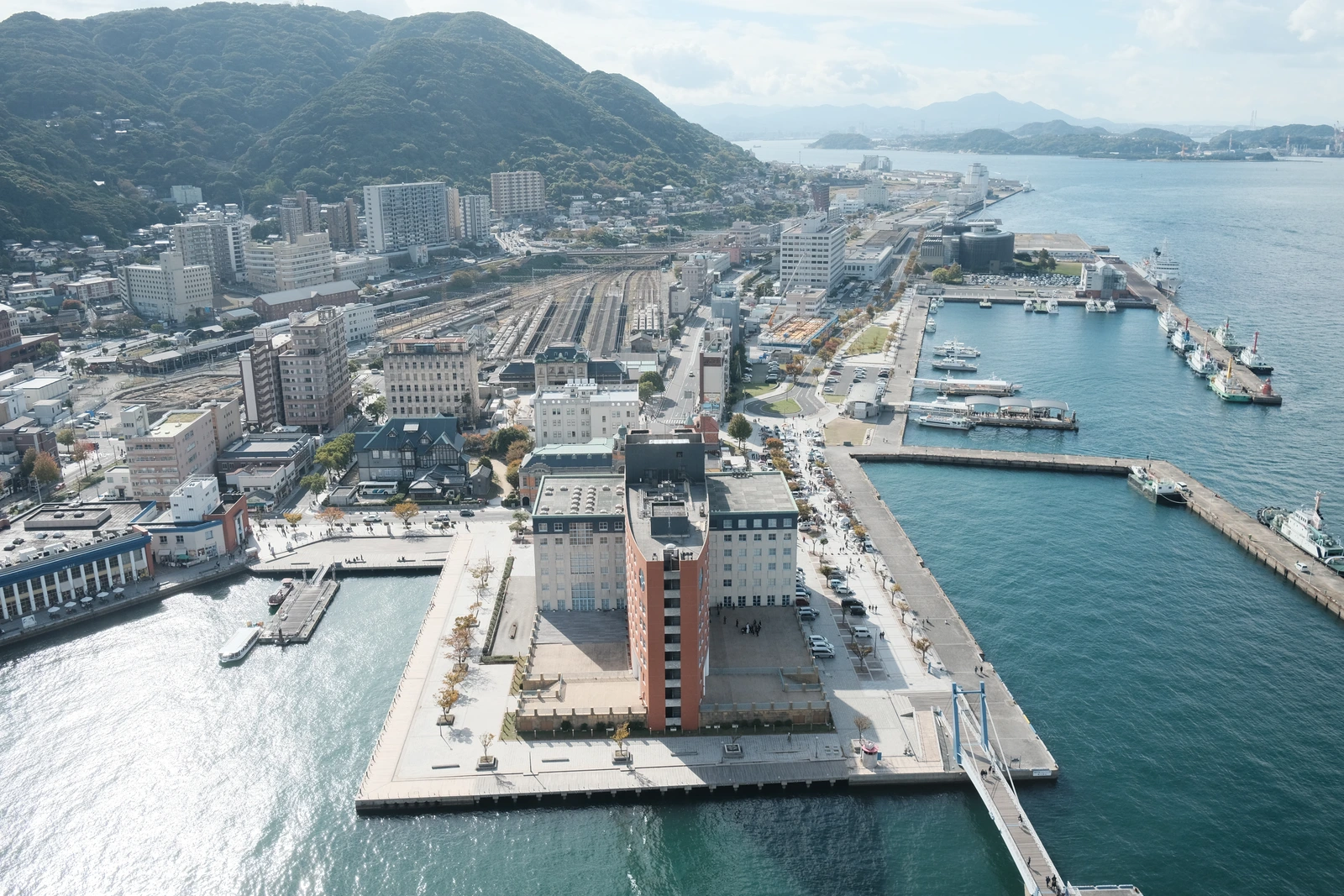
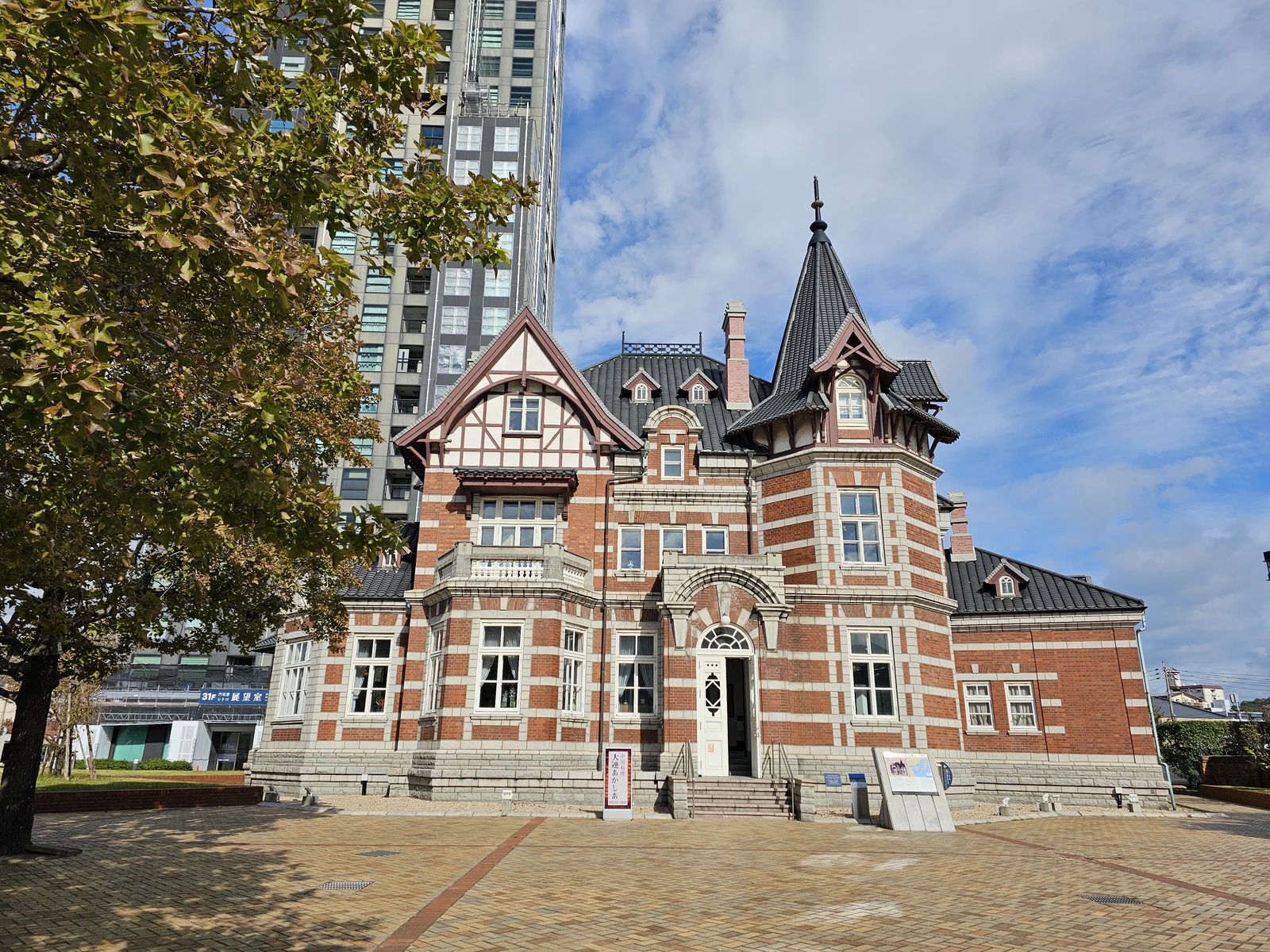
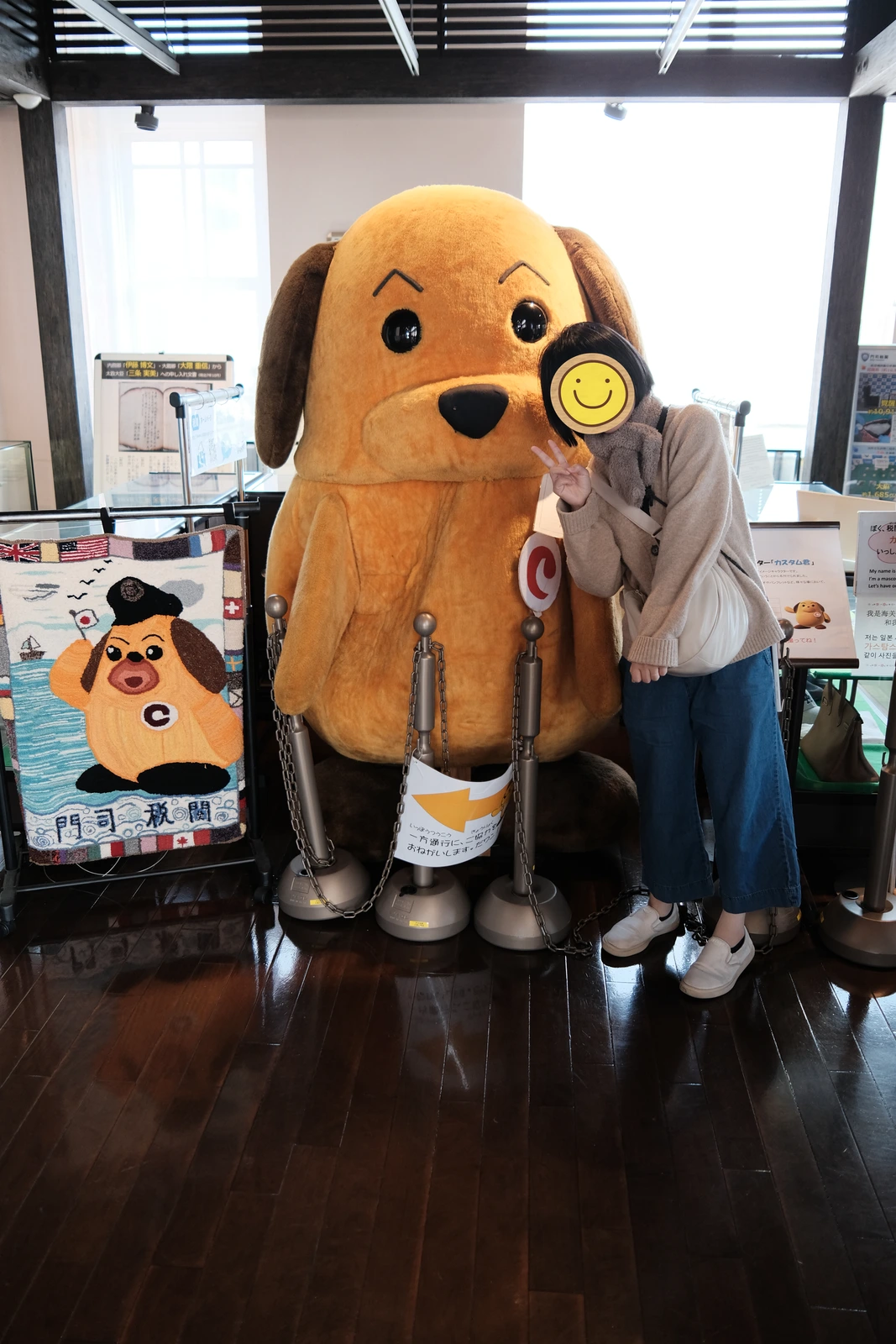
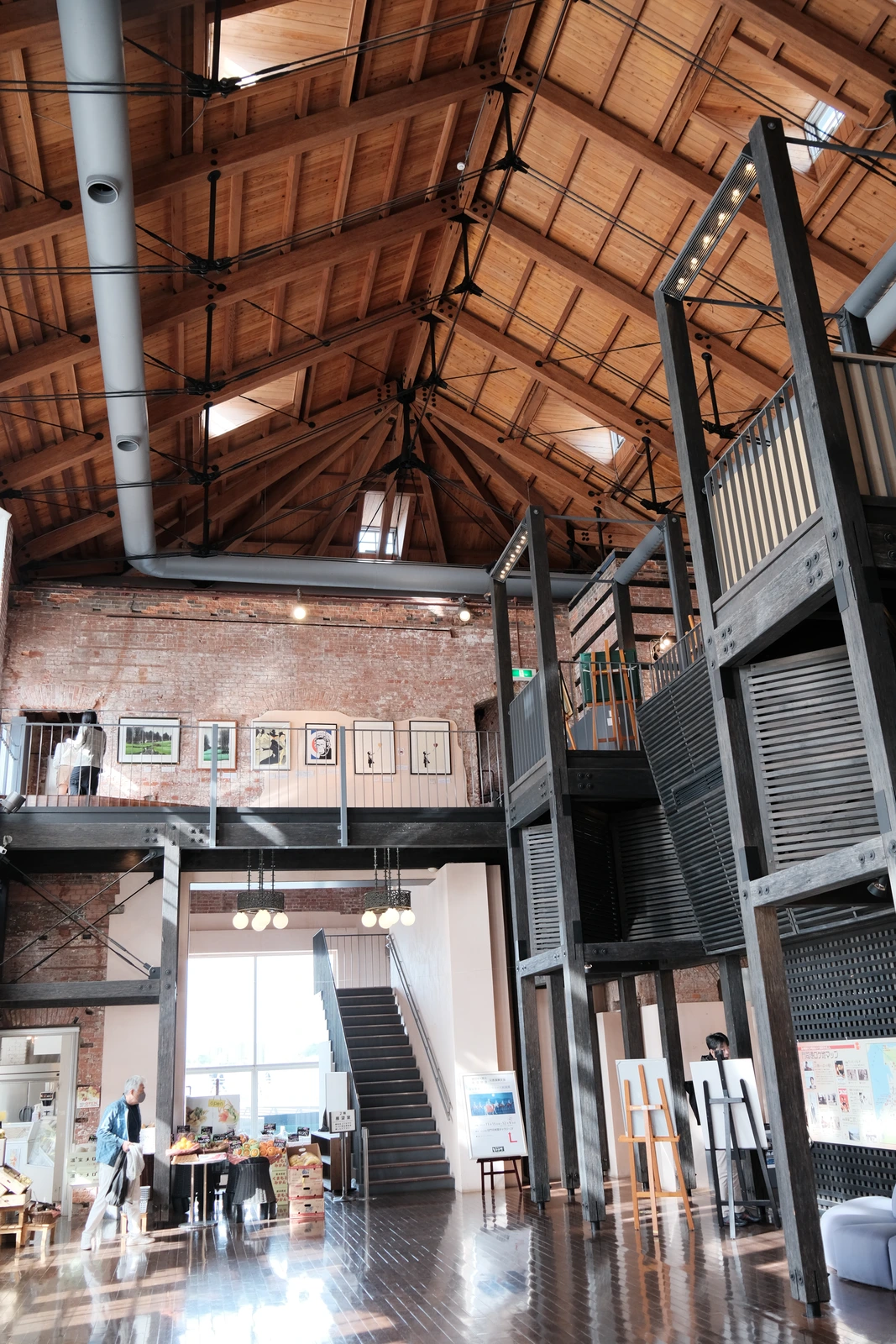
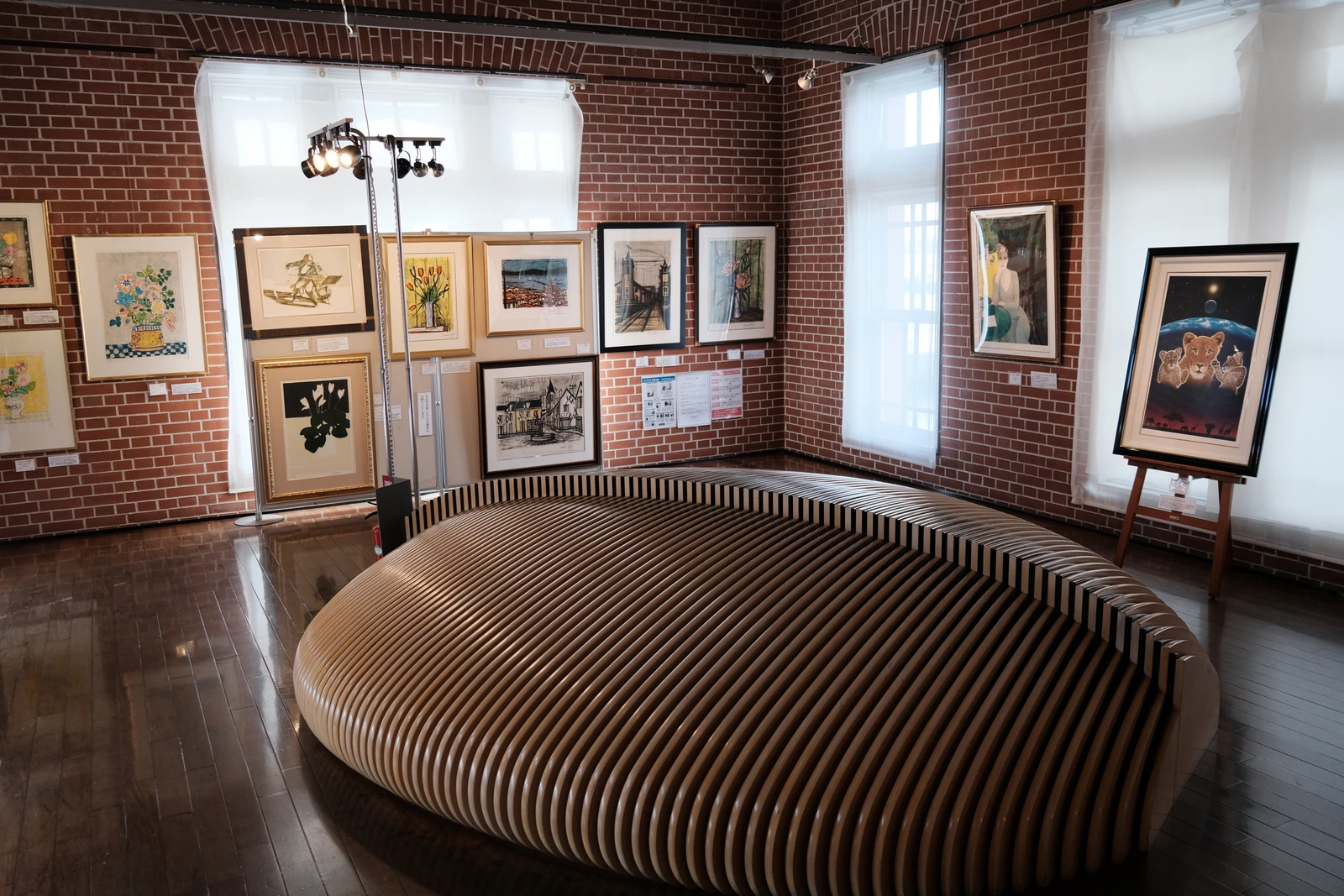
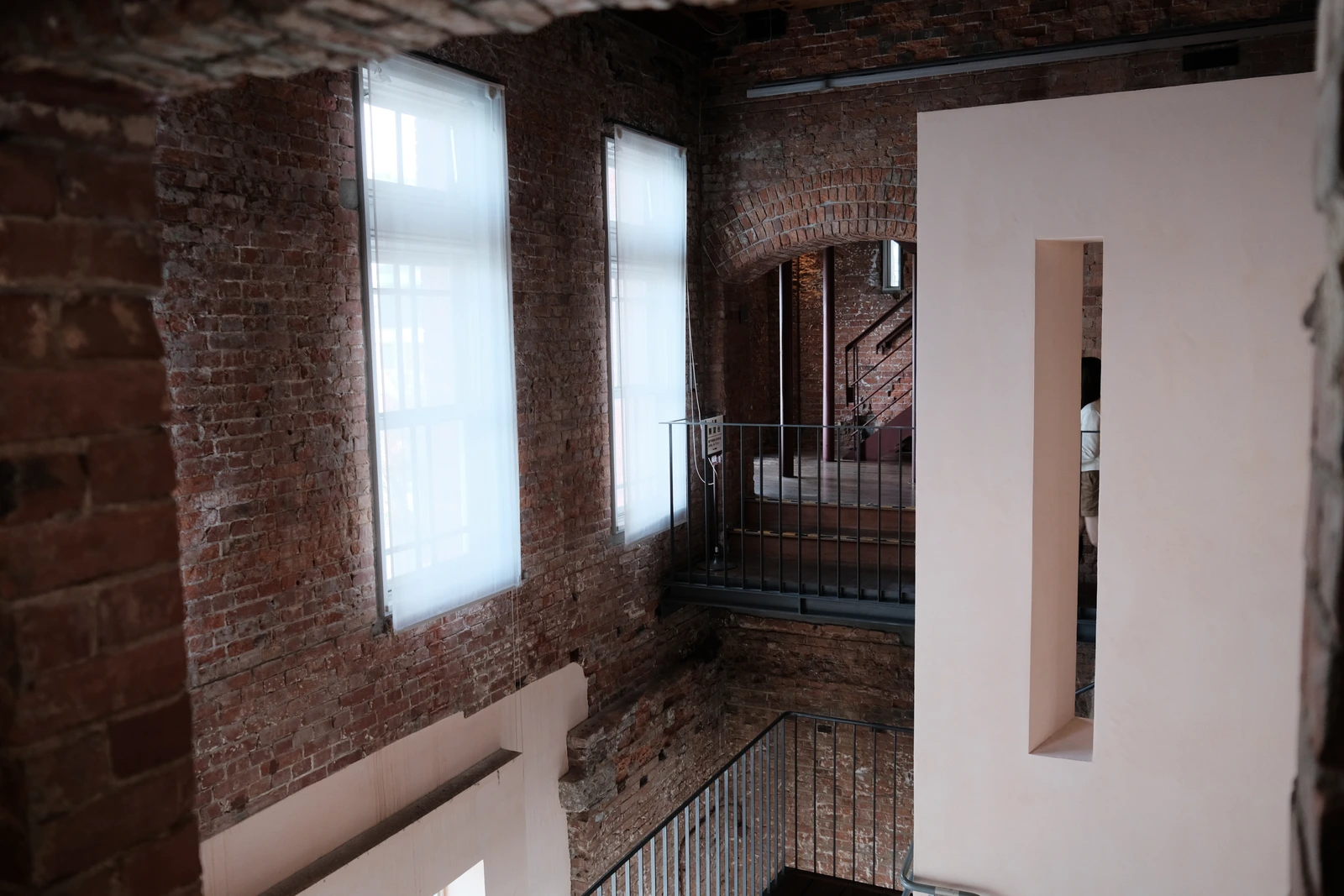
Back down, we’d thought about checking out the Dalian Friendship Memorial Hall next door, but it had turned into a restaurant, so we gave it a miss. Walking on, we found nothing but pet stalls, so we doubled back to visit the Former Moji Customs House—a red-brick building that’s now a free art gallery. Inside, though, it was a little warm for me in my coat.
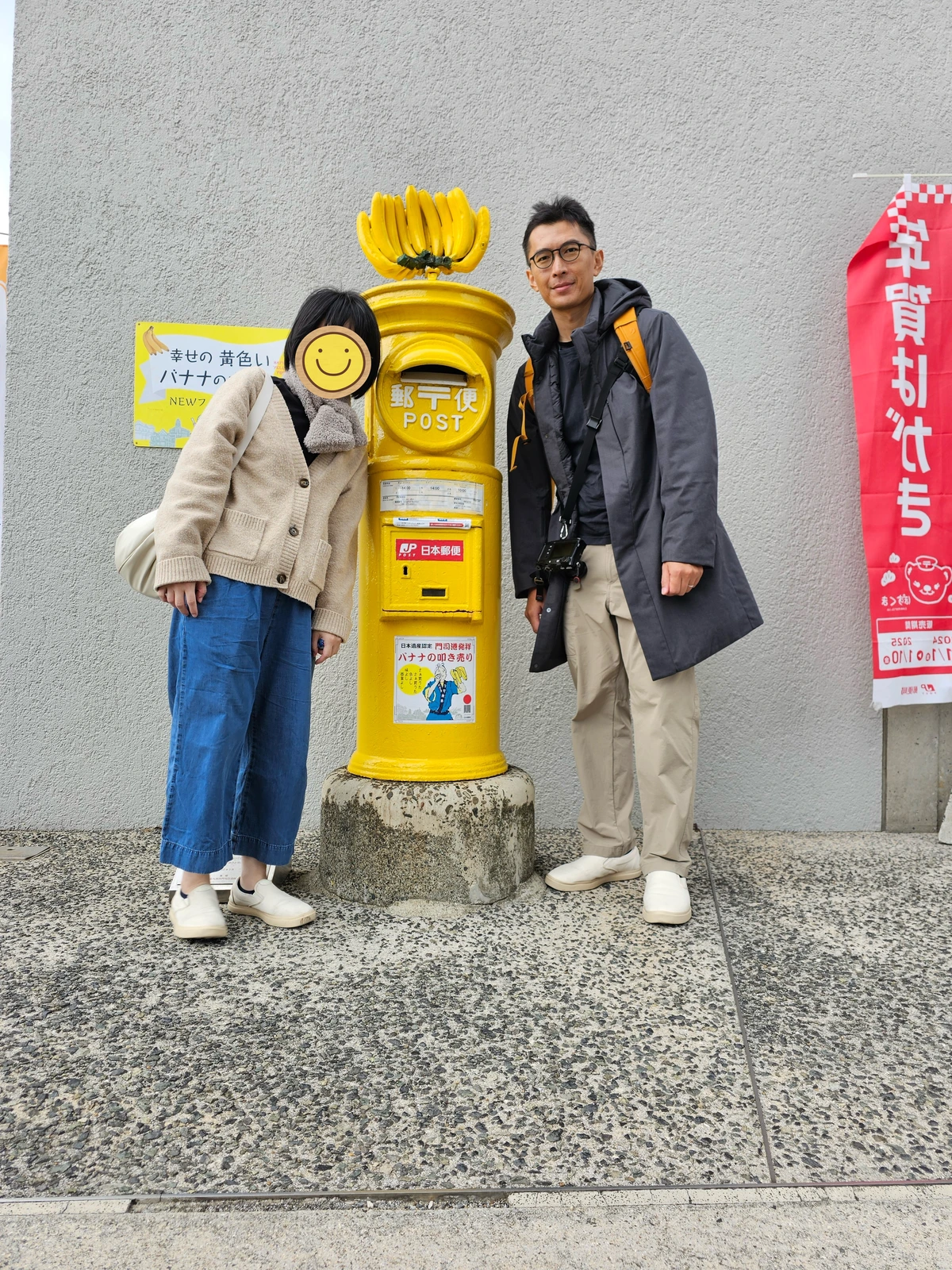
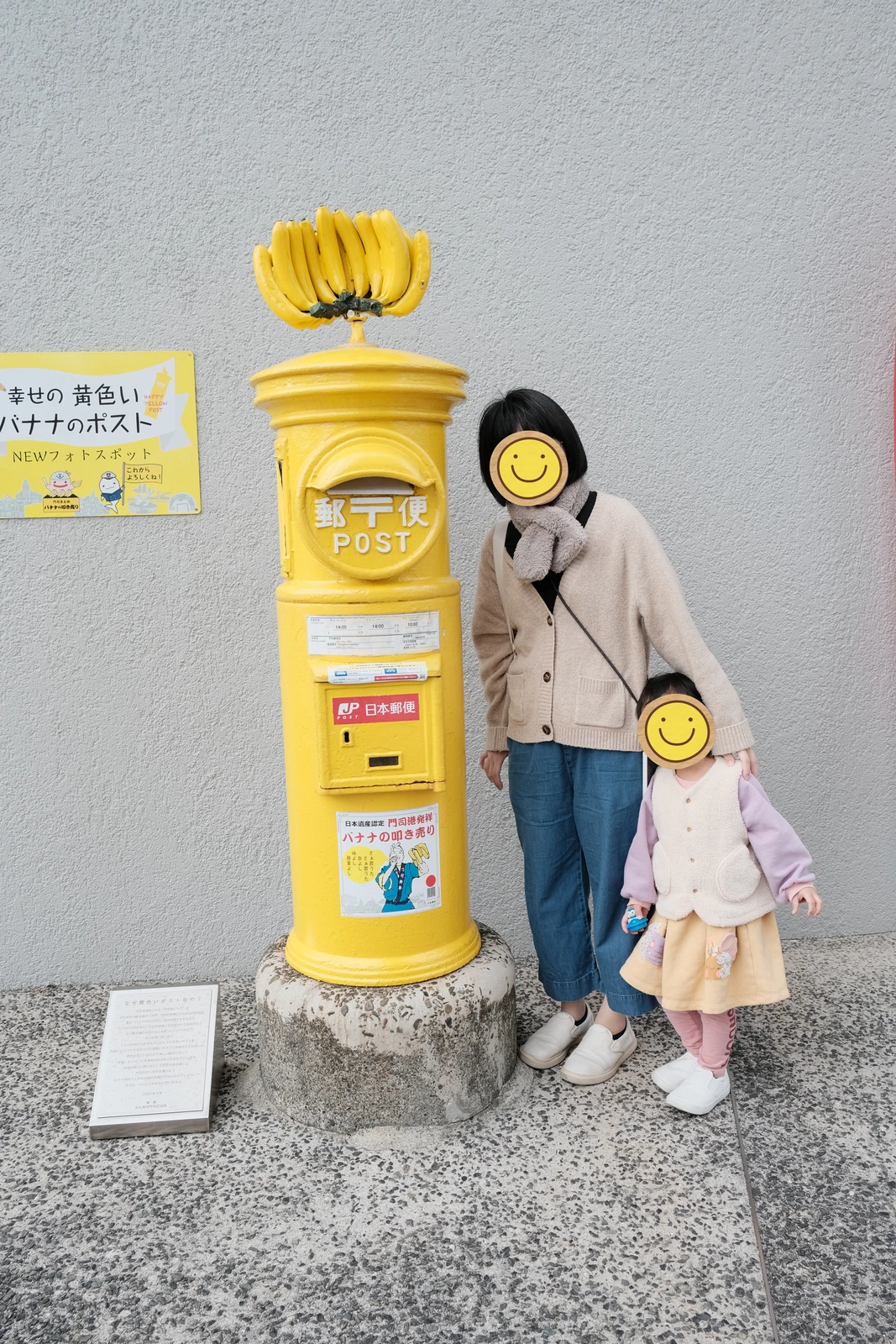
Afterward, we went across the way to watch a banana auction, which looked like great fun. It’s more performance than sale—half selling, half giving away. I was tempted to support them, but each lot was a whole hand of bananas, and we’d never finish them, so on reflection I let it go.
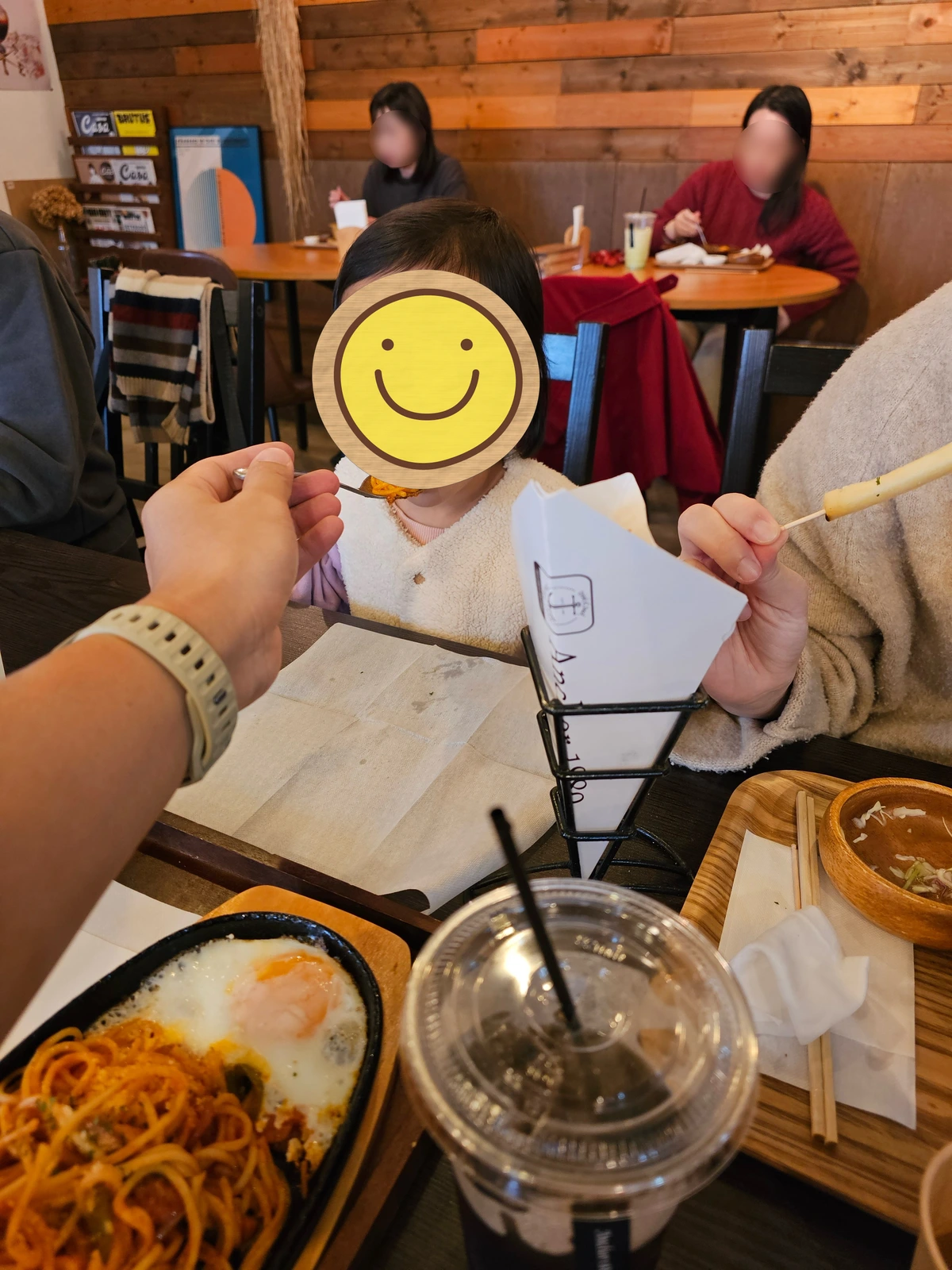
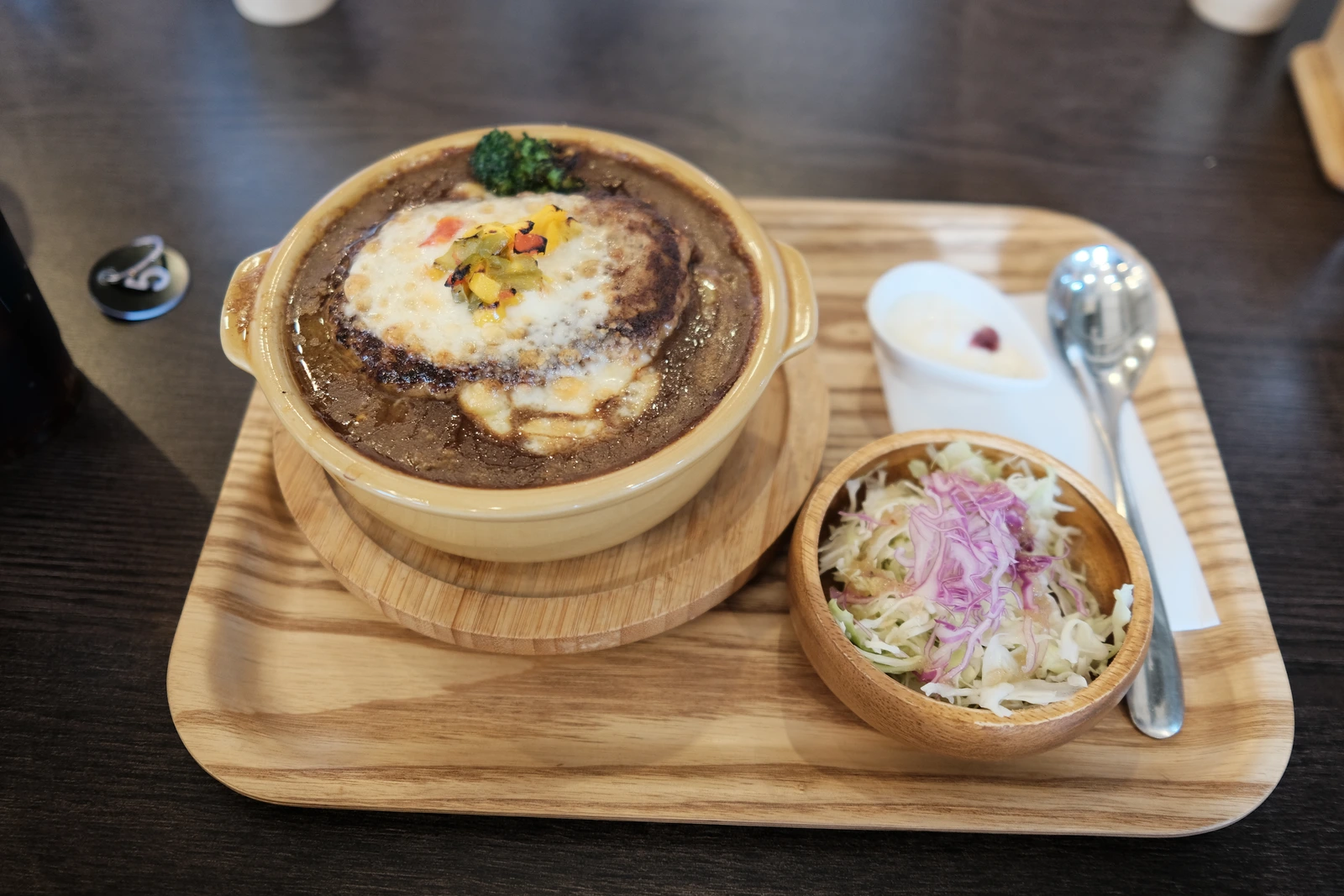
The souvenir shops were a bit dull, so after a quick look we decided to eat at the yaki curry place that had been too crowded to seat us earlier. My wife and I each ordered one, and for our daughter we got fries and Napolitan. It’s rare on a trip to sit down and eat properly—though my wife still had to feed our daughter the fries by hand (she just won’t eat on her own!), and in the end I ate all the Napolitan myself (not bad, but a bit greasy).
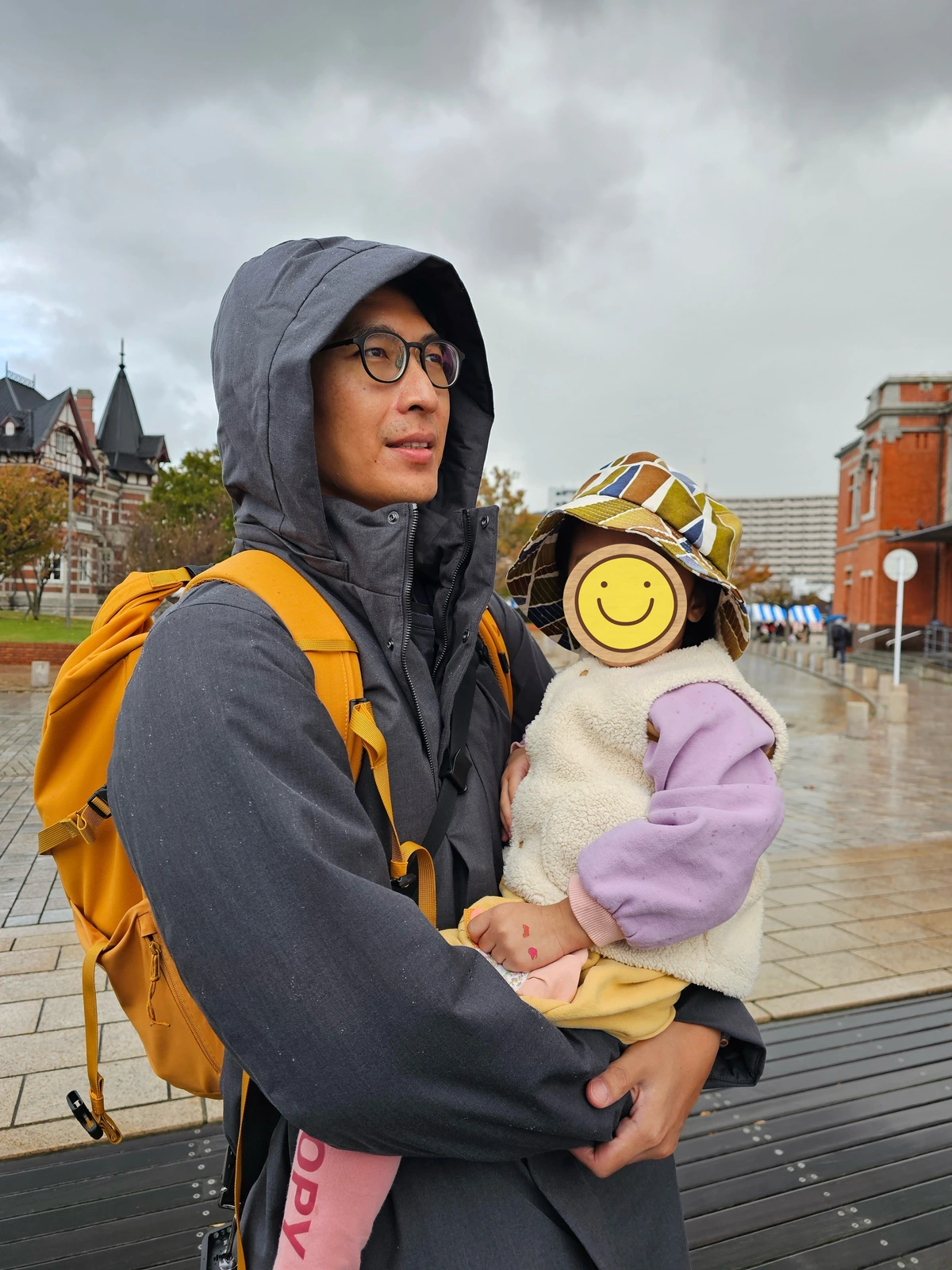
It started to drizzle outside. My wife held the umbrella while I picked up our daughter and covered her with my hat. The temperature had dropped as we walked the rest of the harbor area, which had plenty of shops—though, having polished off our daughter’s Napolitan, I was already too full to enjoy them.
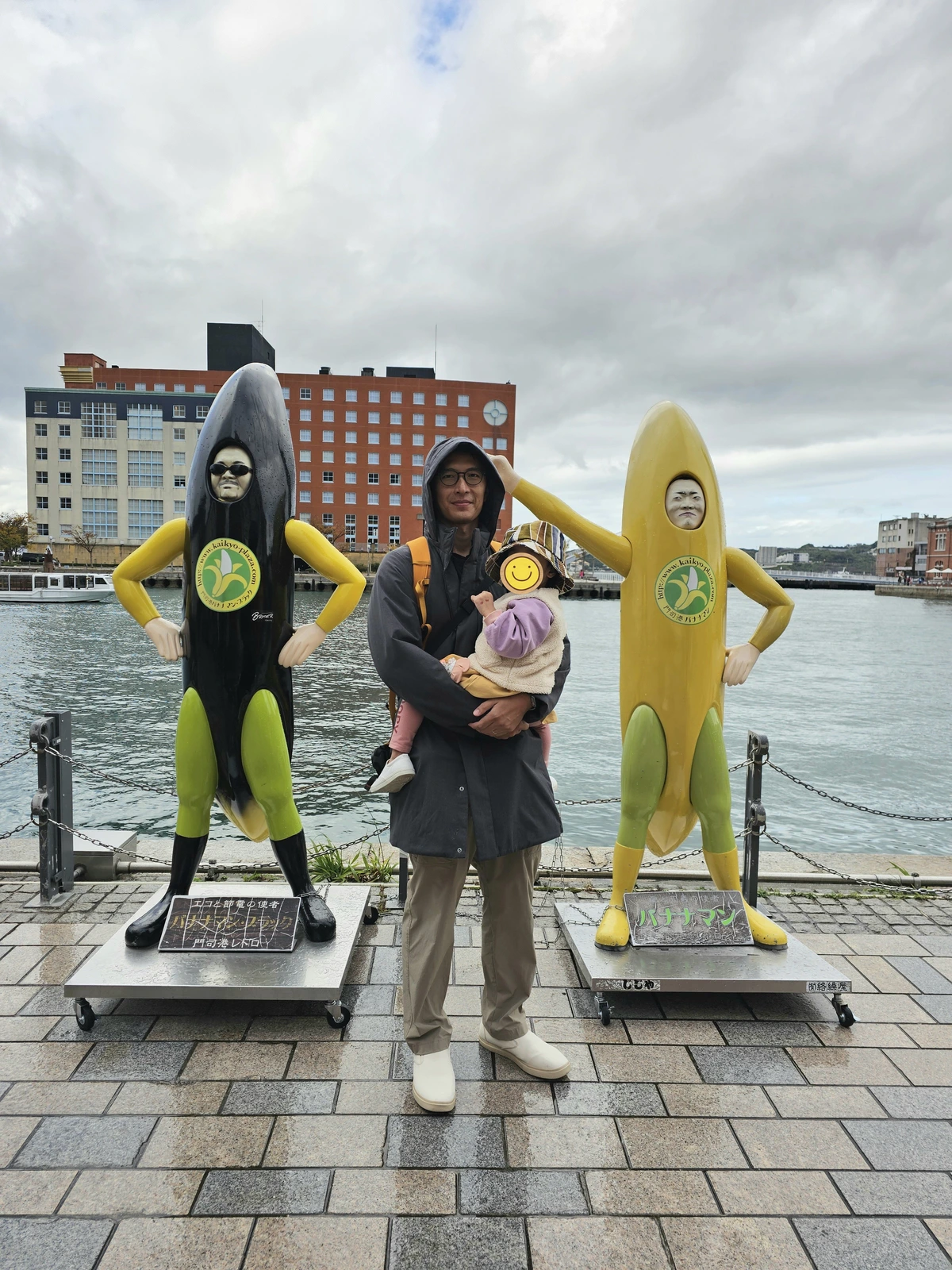
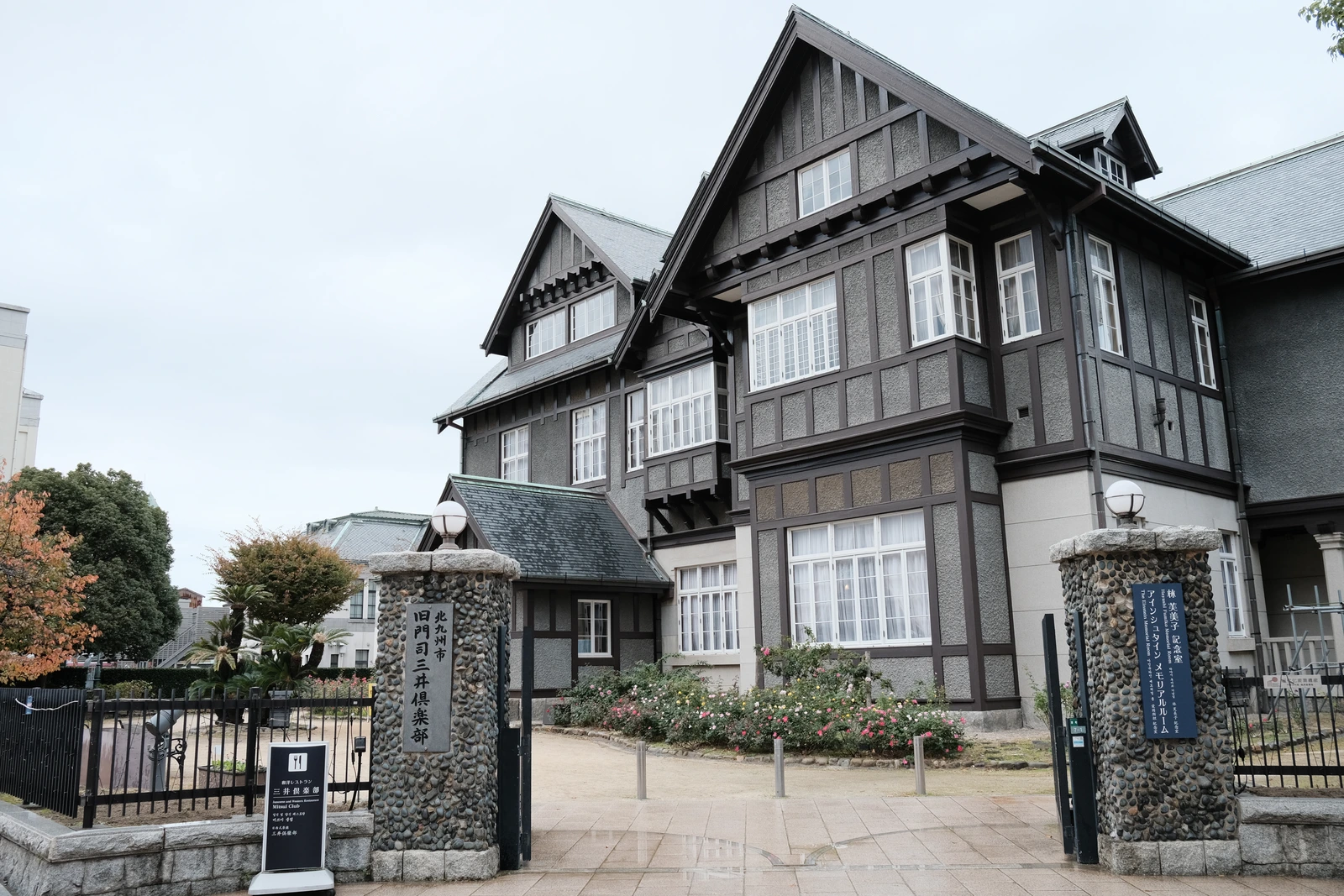
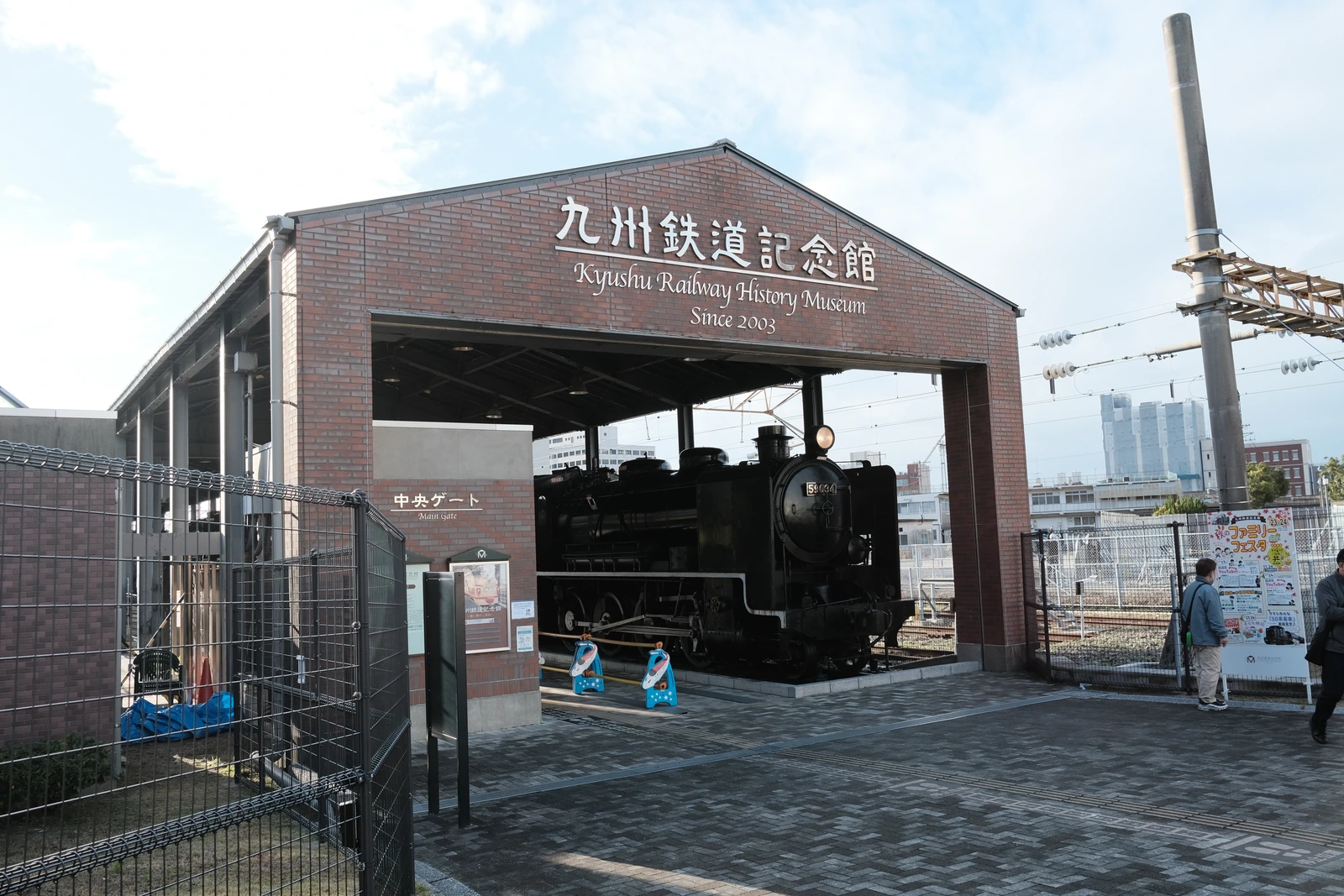
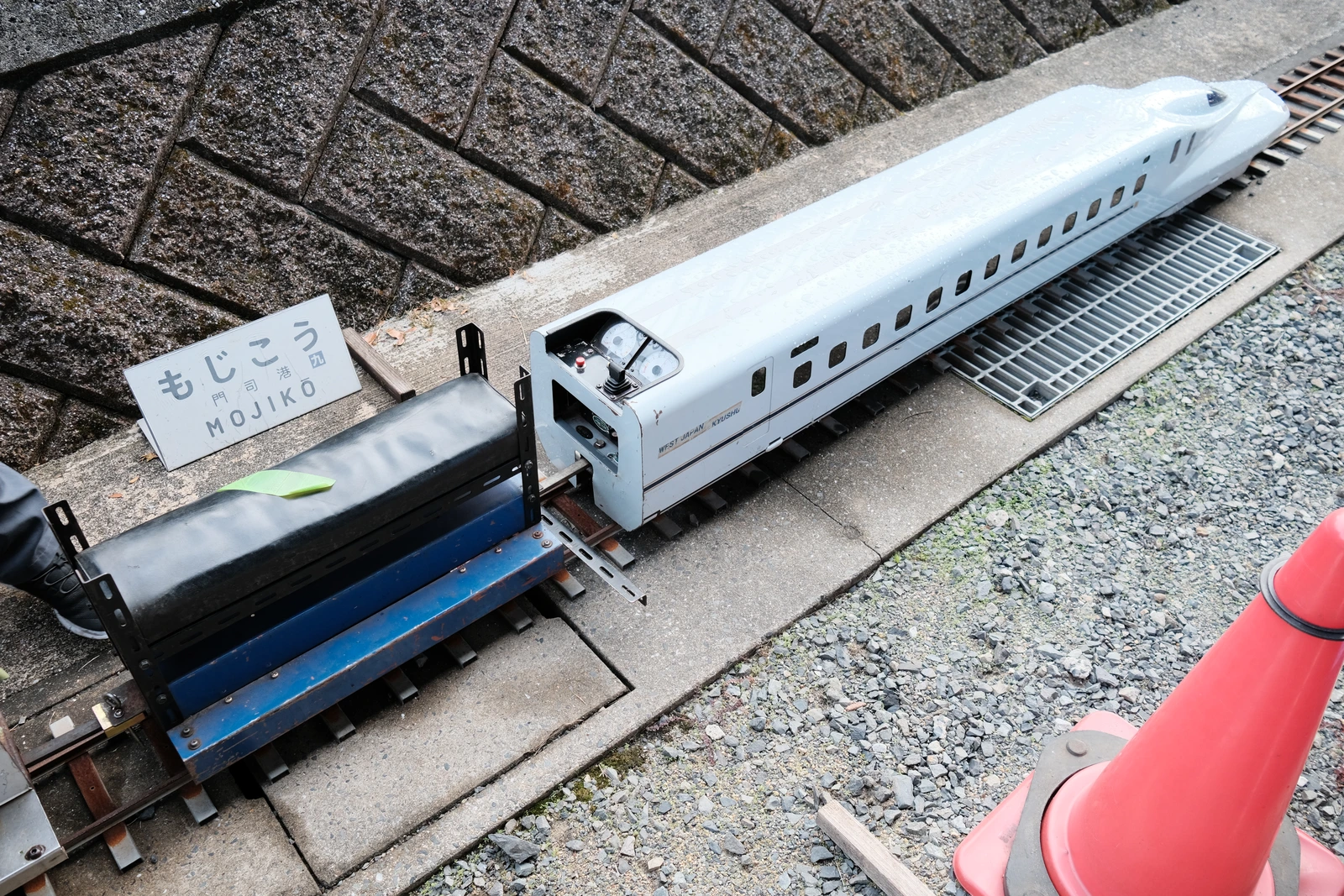
Our daughter said she wanted to drive a train, so we skipped these shops and moved on to the next stop: the Kyushu Railway History Museum. The moment we entered, she made a beeline for the mini train ride—300 yen a go, with lots of trains to choose from, though we didn’t bother and just took the first one. I stayed out to take photos, and to my dismay she lost interest after a single ride. I never got to ride it!!!
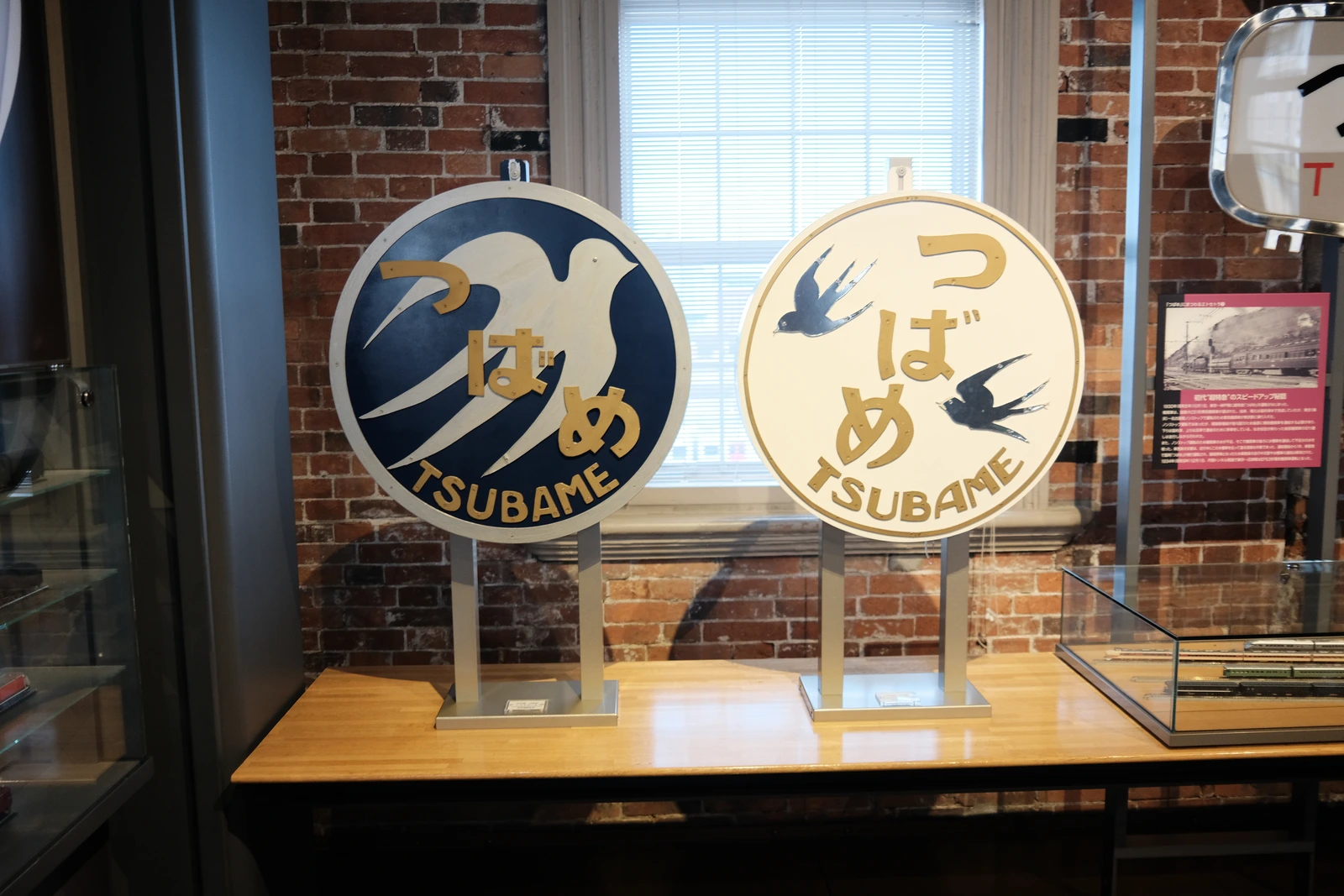
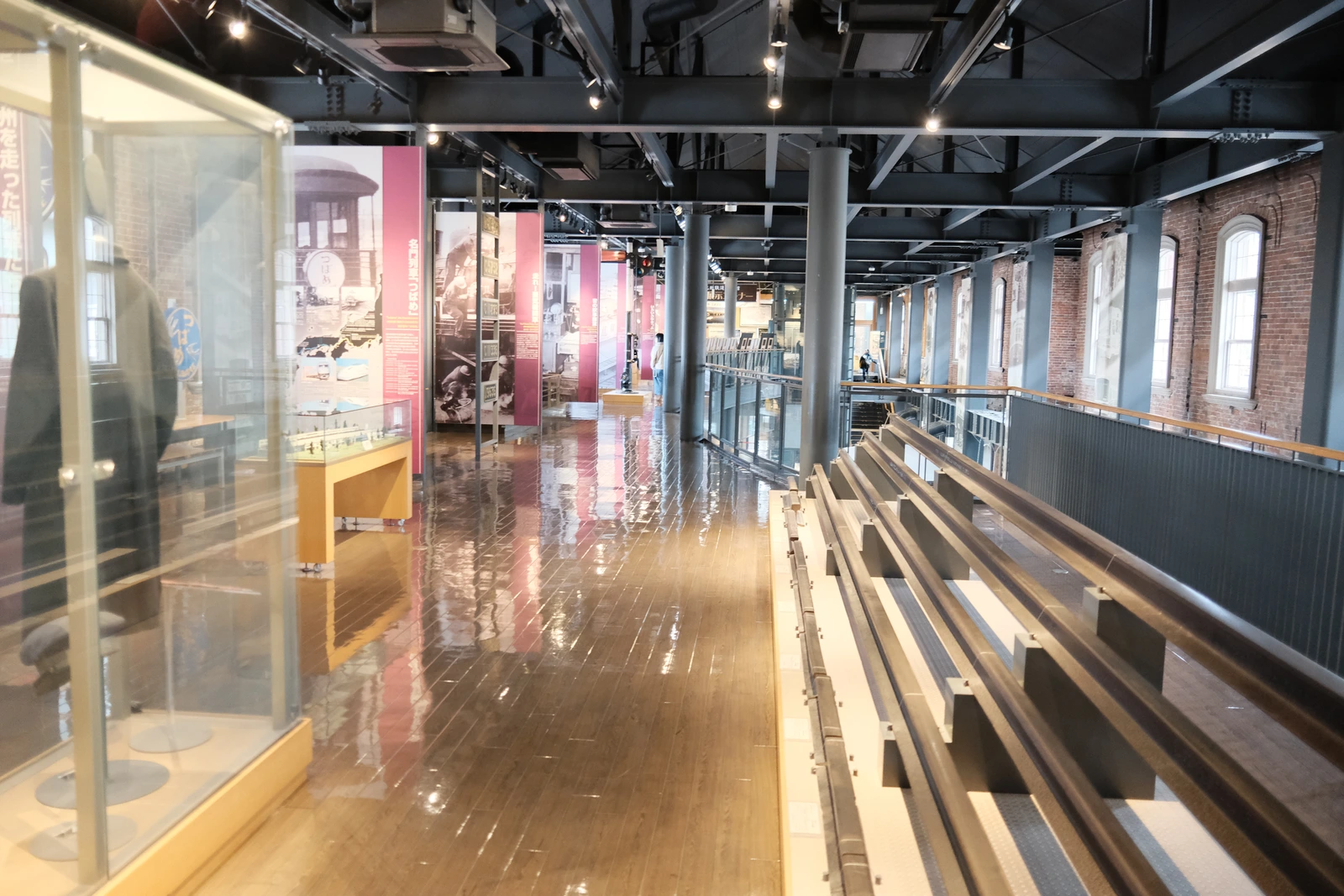
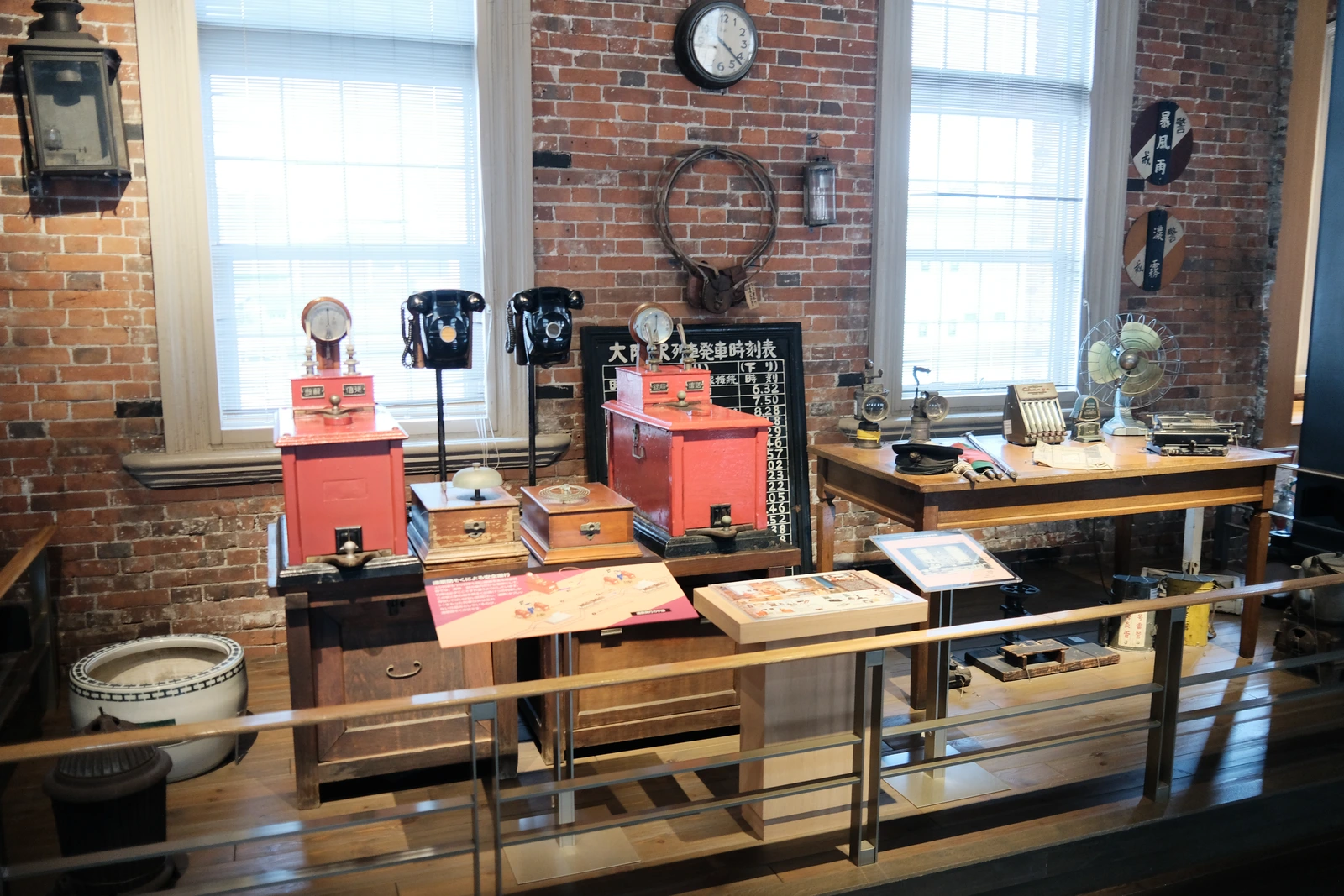
We then visited the main building, where the shop had plenty of railway merchandise and the exhibits were full of interesting things. The popular interactive experience had a queue of over two hours, so we gave up on it. The space isn’t large, but the exhibits are rich, and railway fans could spend ages here. By contrast, the Railway Department Park of the National Taiwan Museum left me with the opposite impression—a real shame.
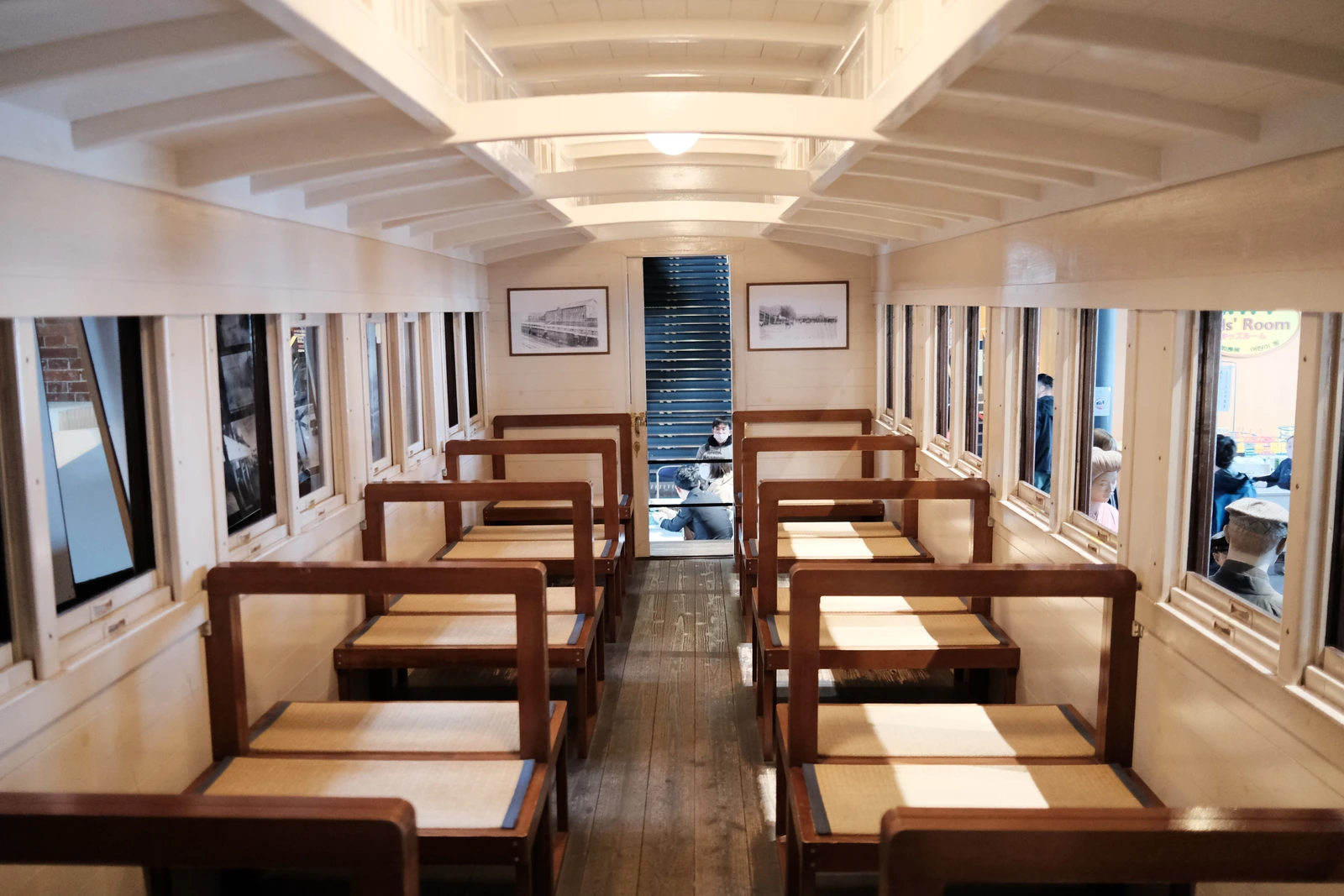
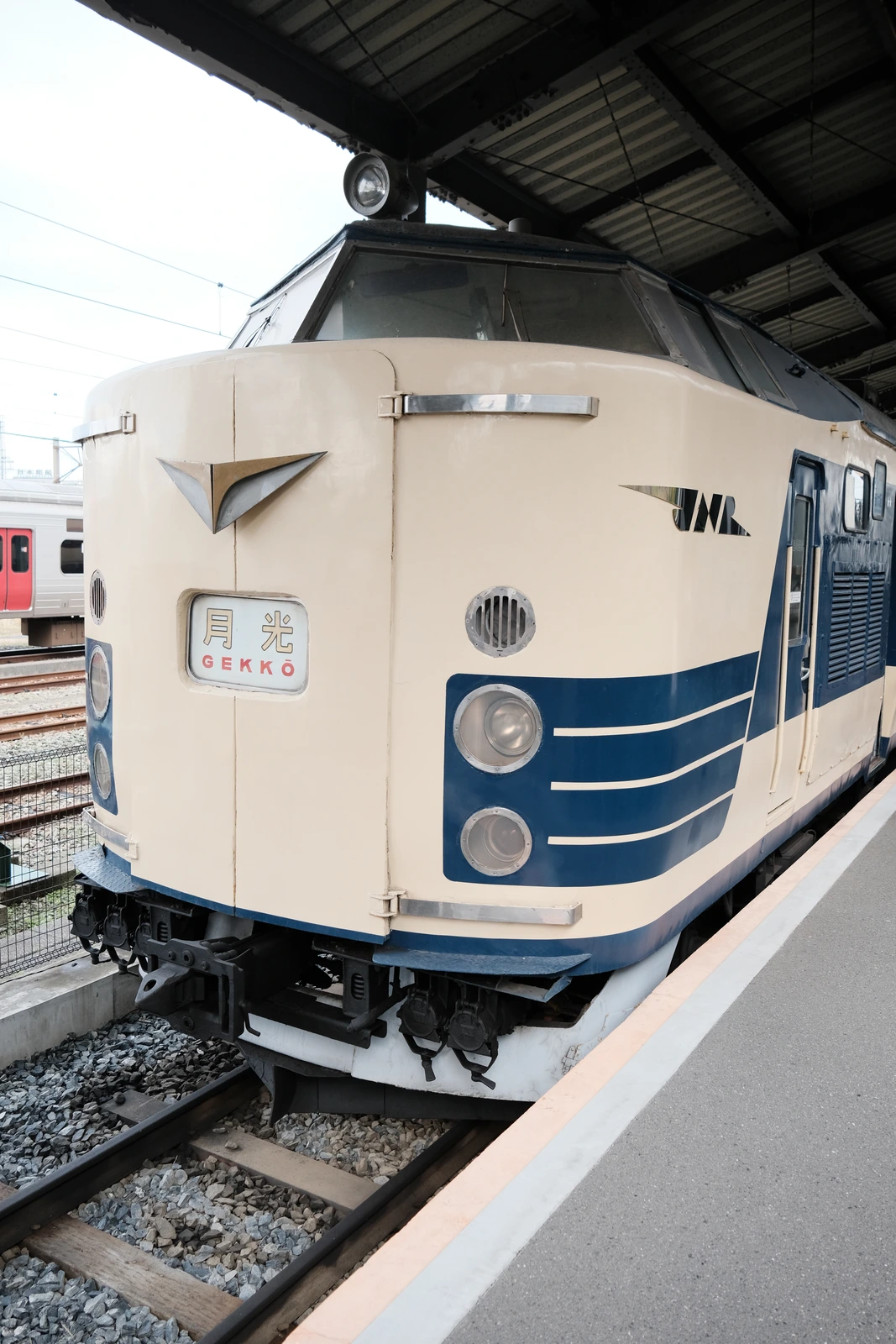
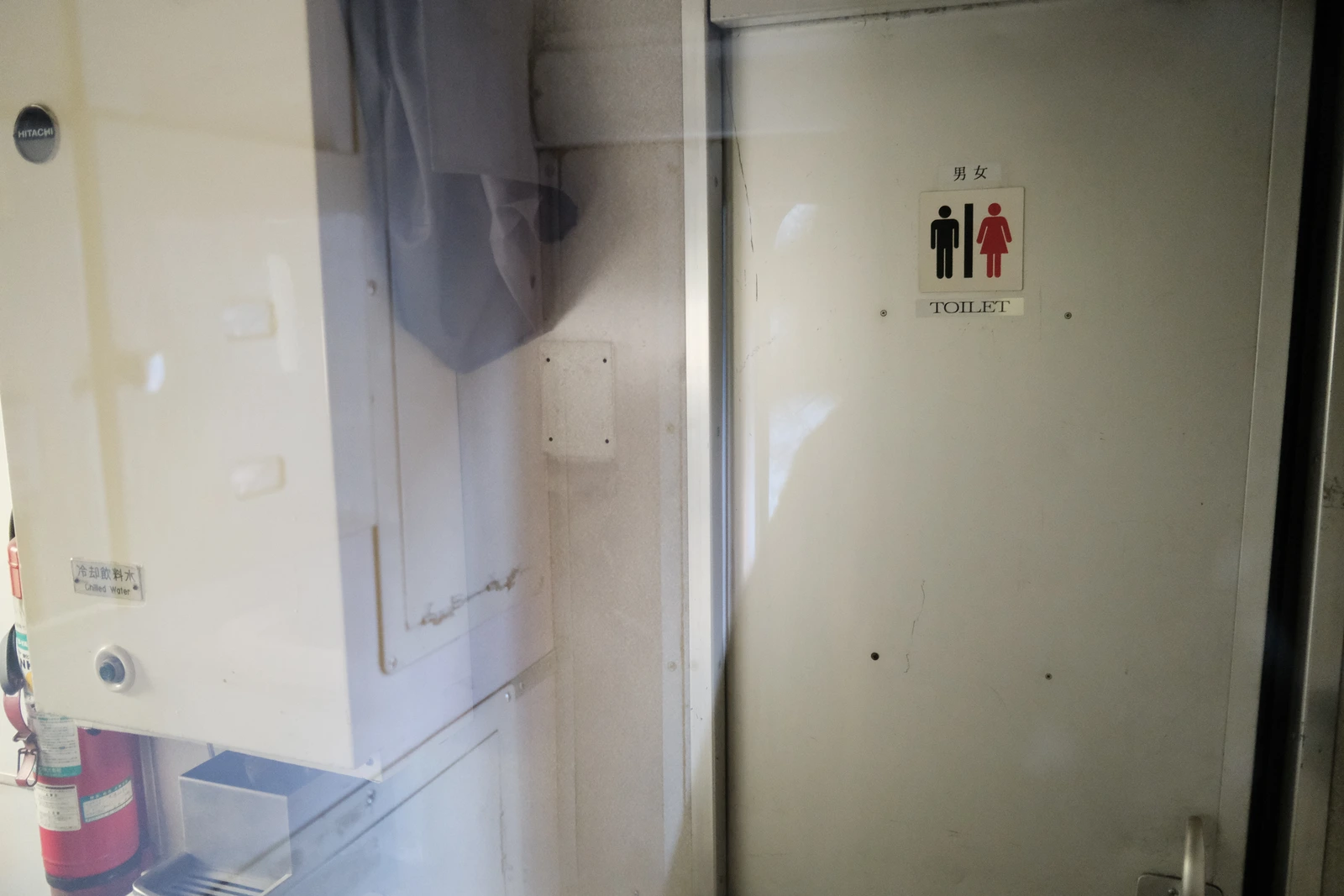
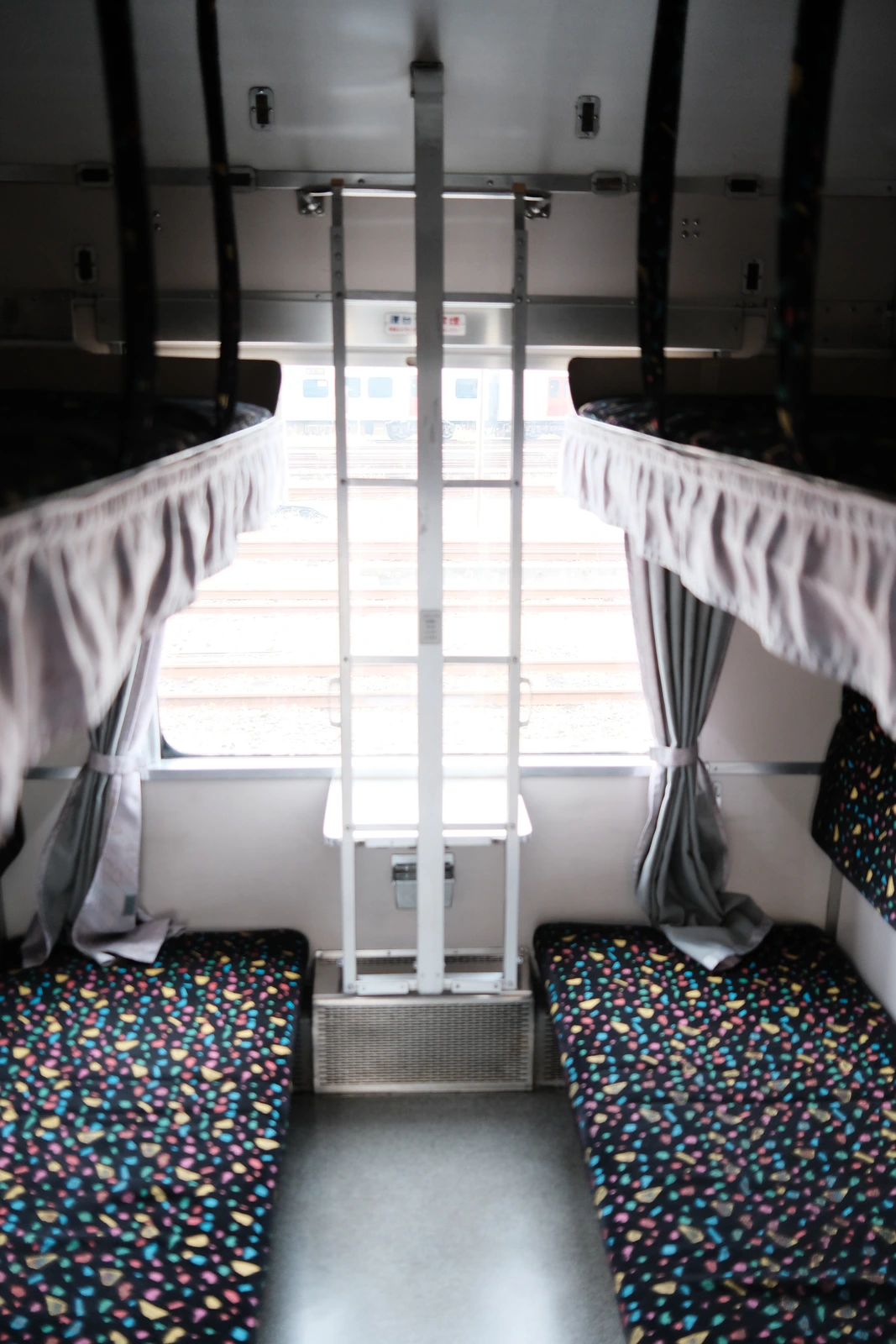
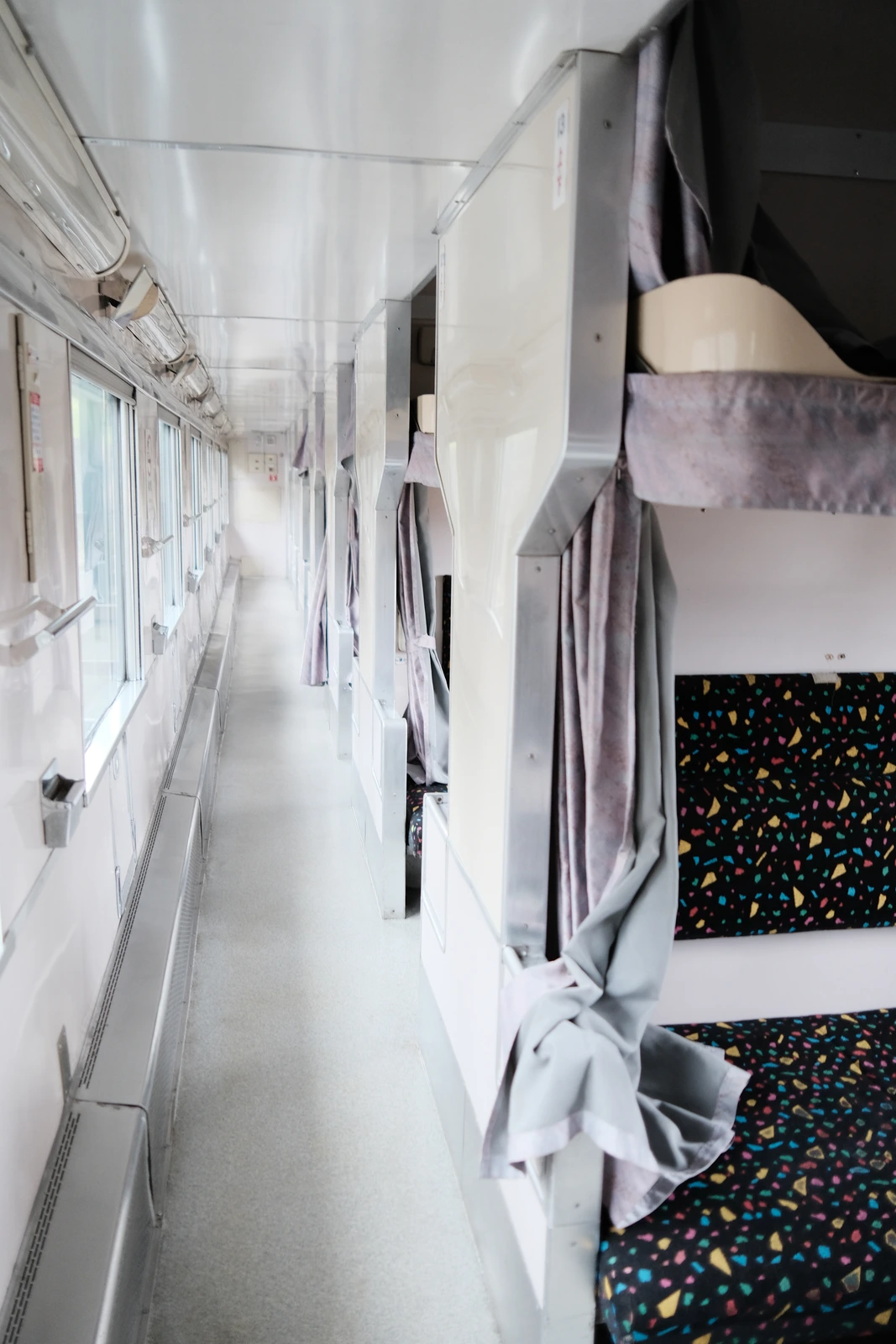
The grounds also have a few retired trains you can look around.
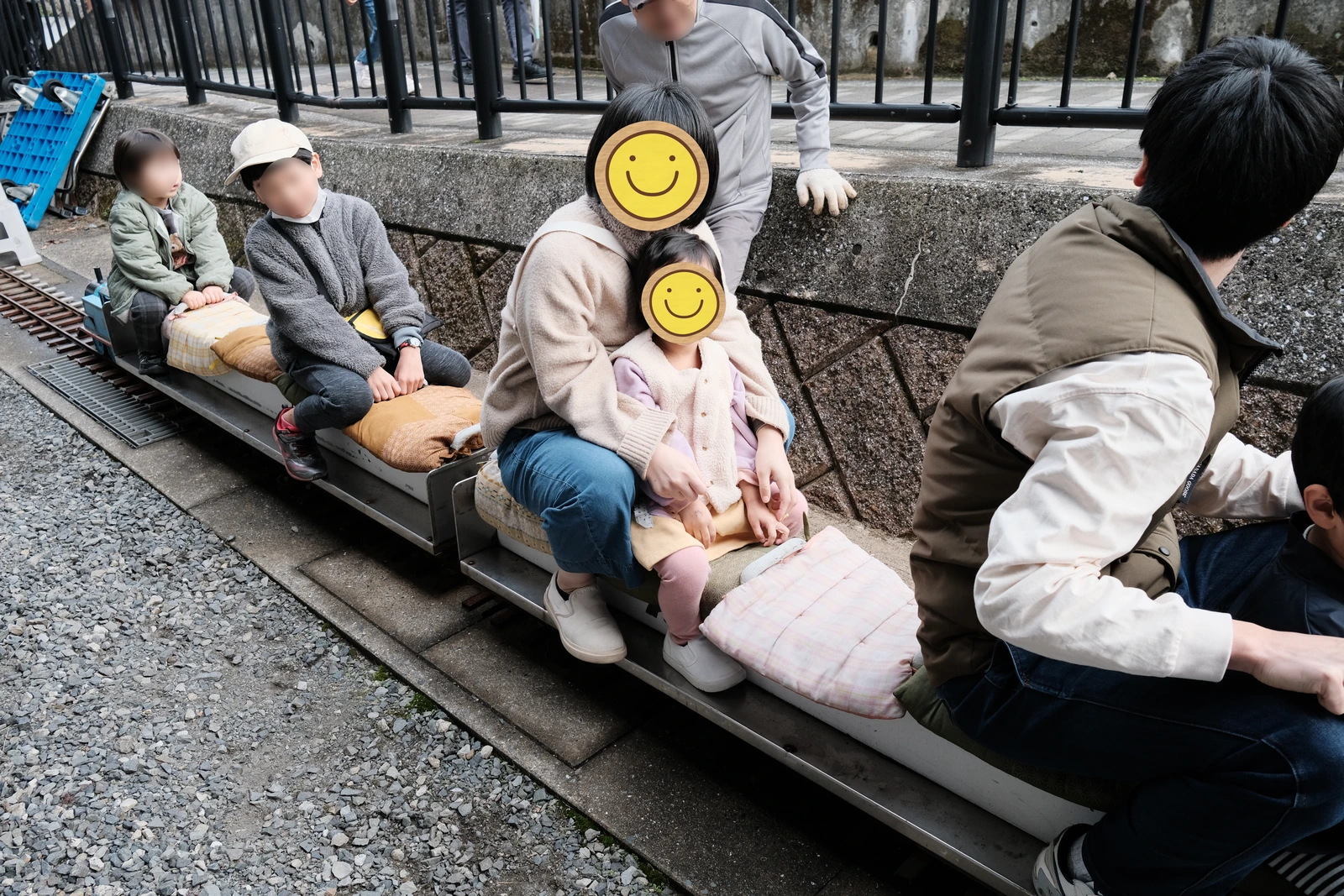
There’s another kind of mini train you can ride in the grounds; our daughter rode it three times, and on the last go even had a carriage all to herself.
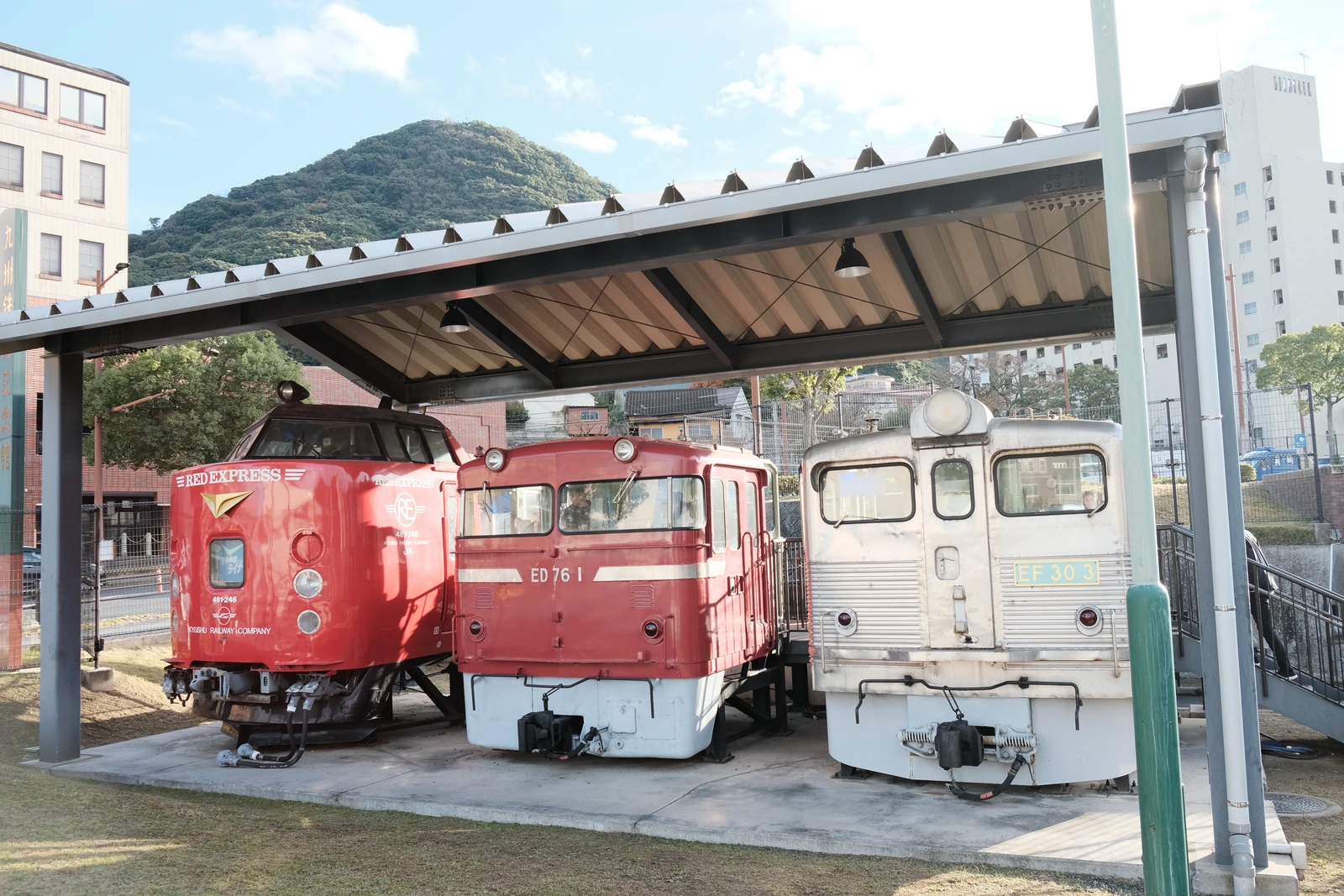
Before leaving, we wandered near the entrance, where there were three driver’s cab cars. I’d only meant to step into one for a photo, but at our daughter’s insistence we ended up climbing into all three to pretend to be the driver.
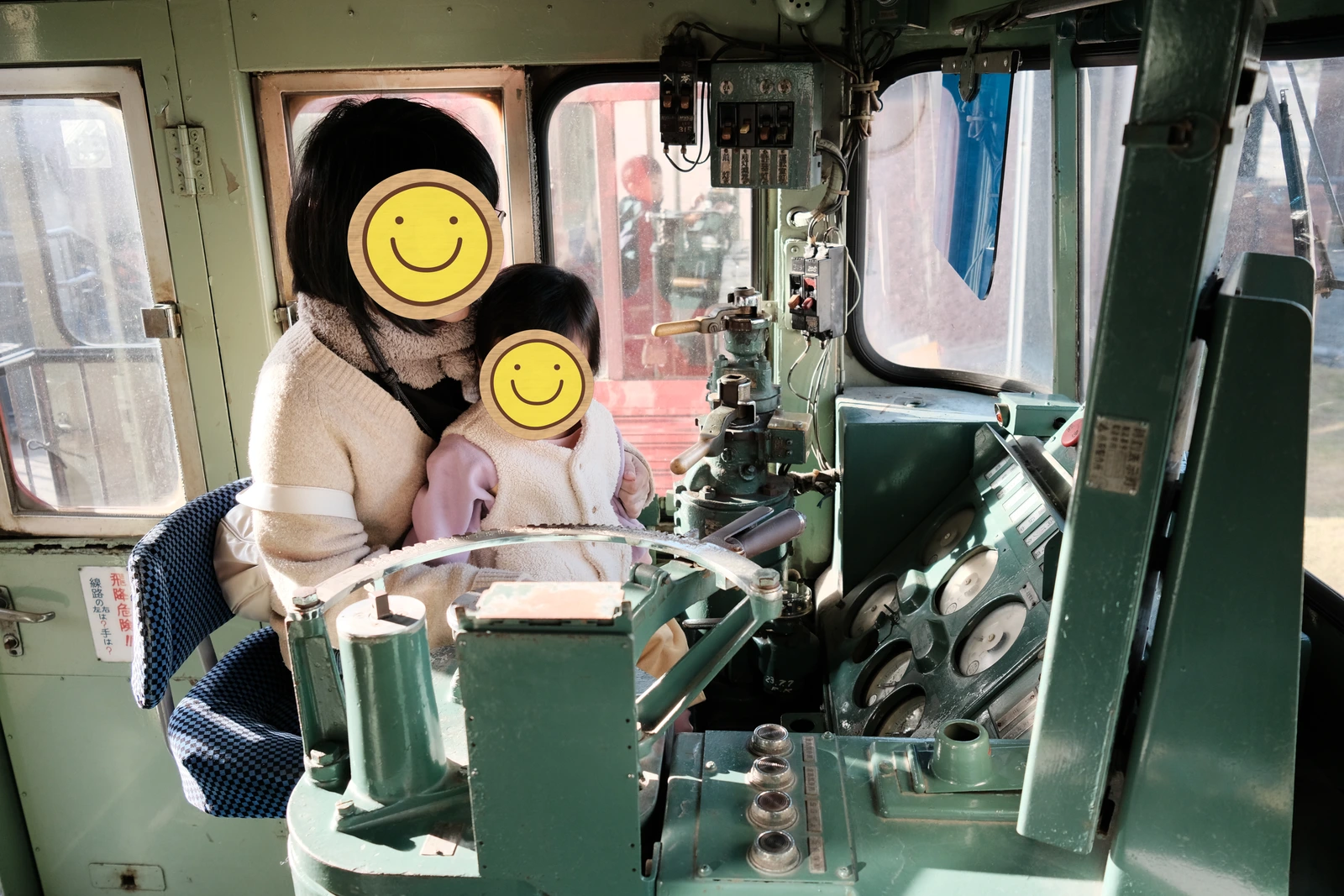
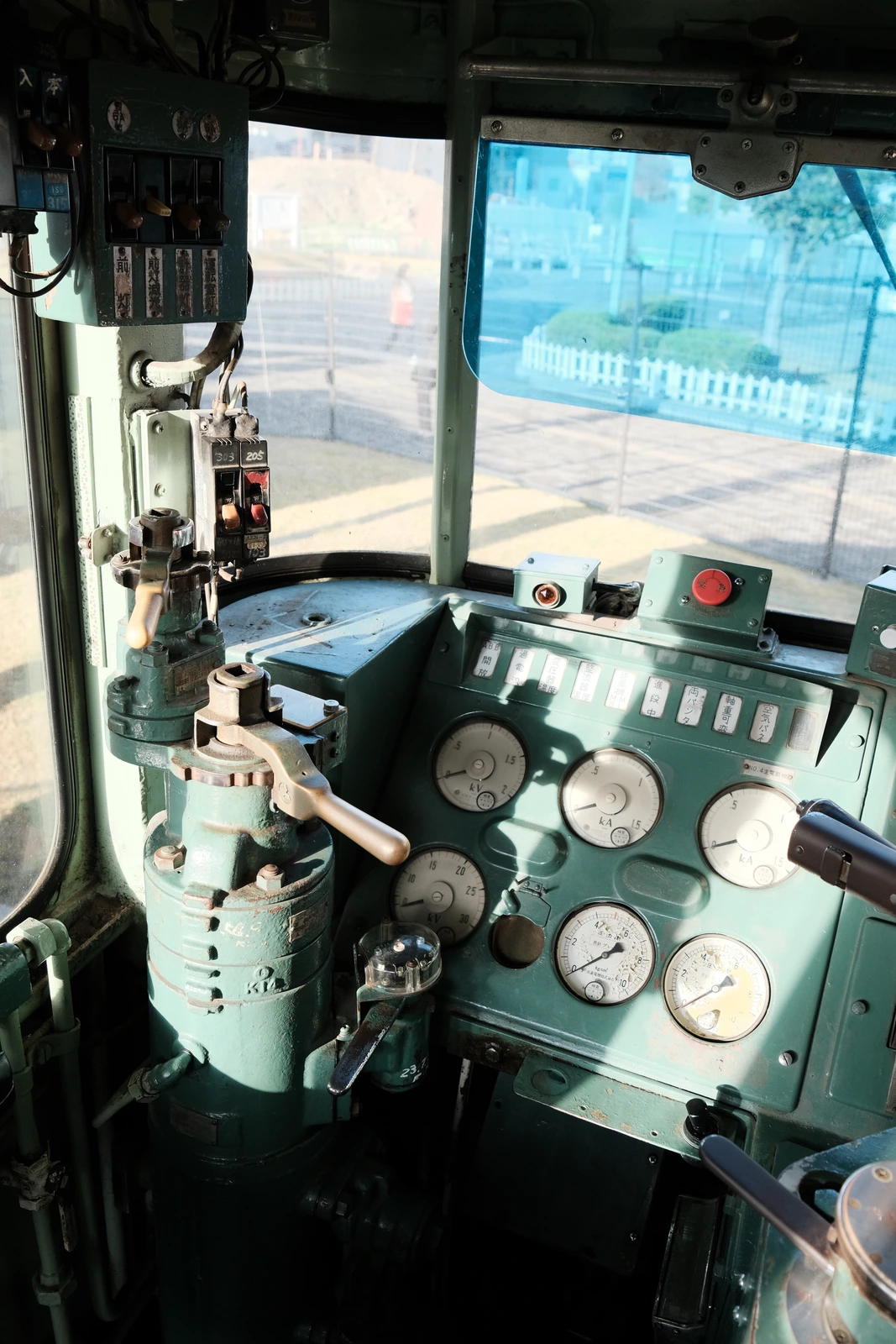
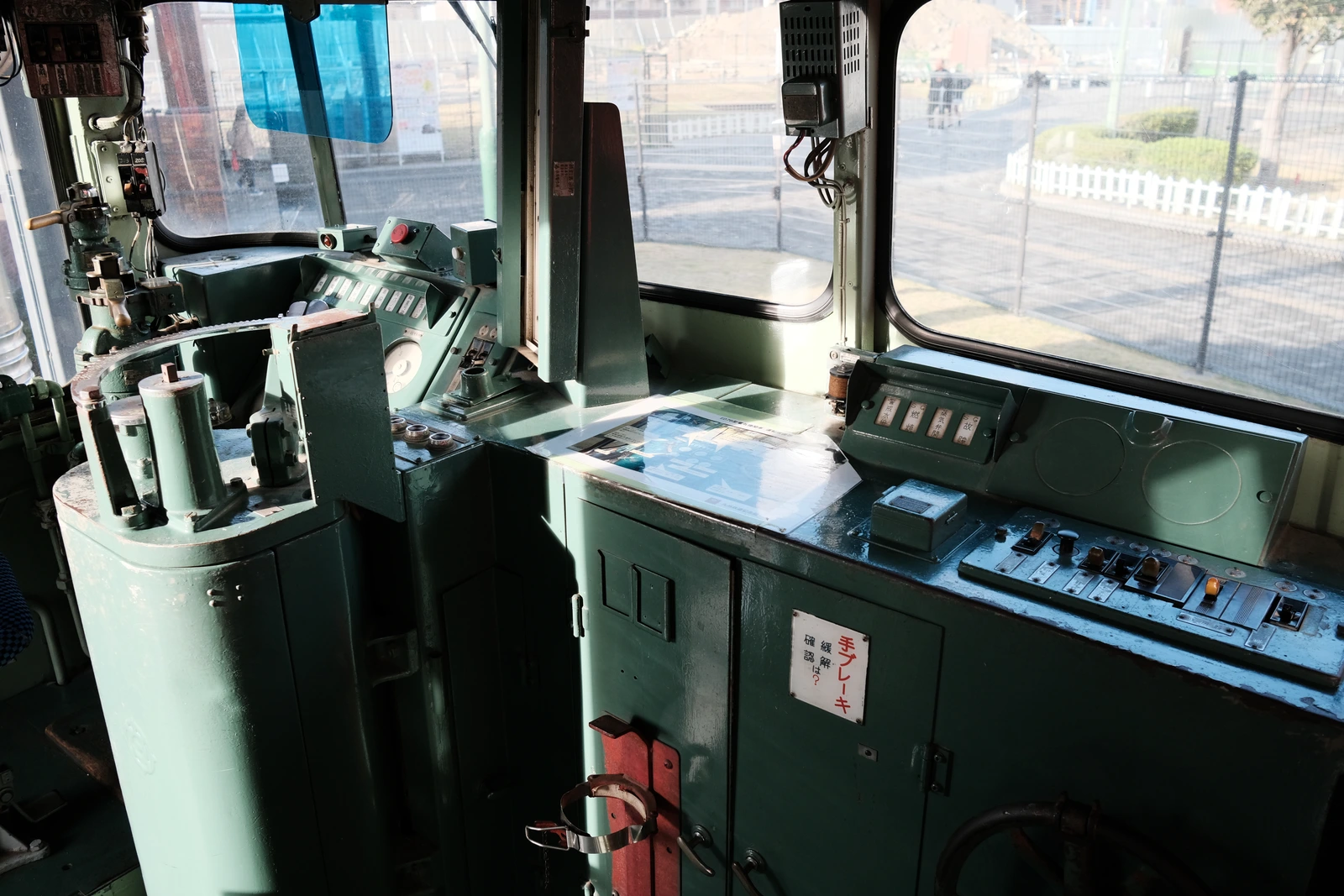
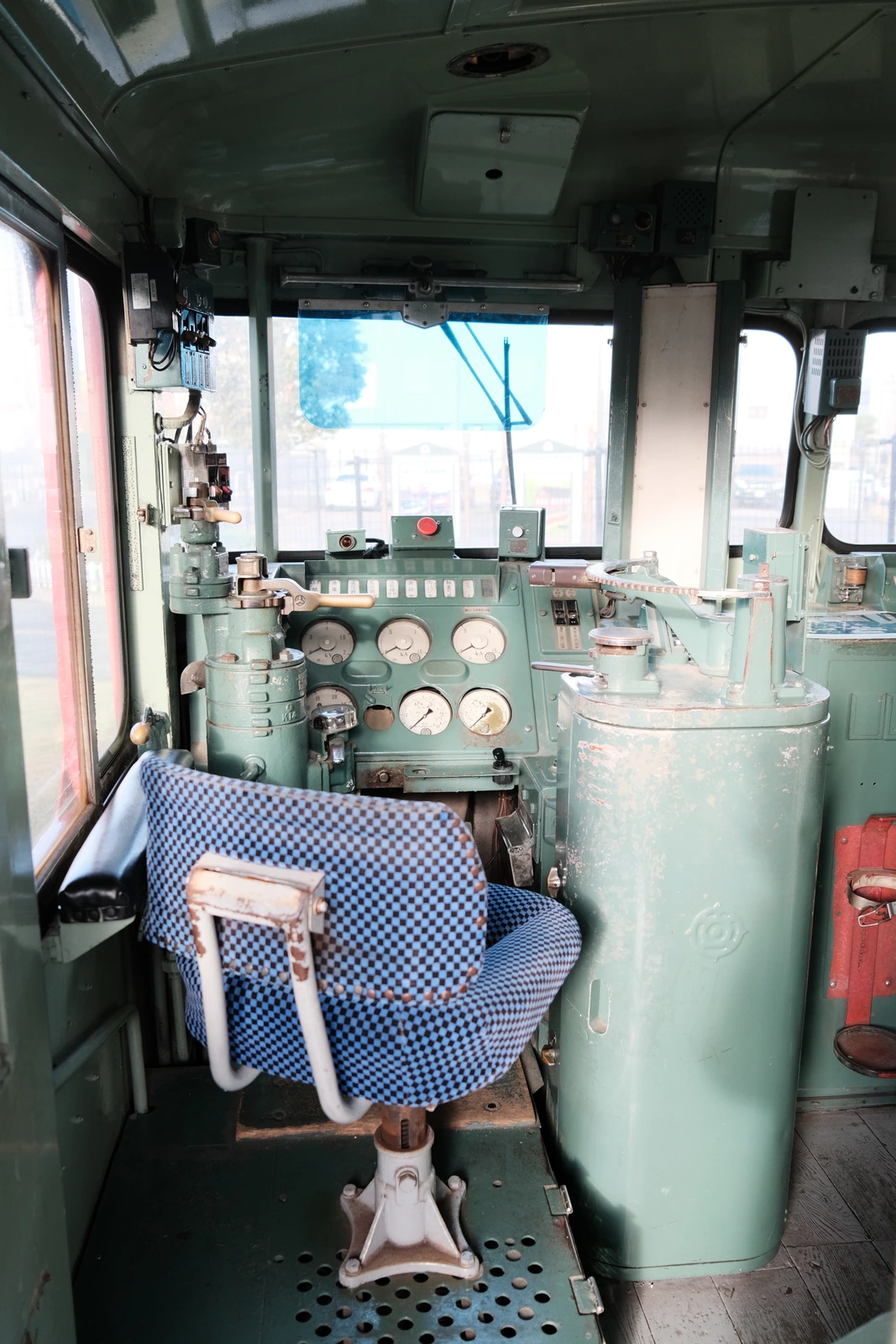
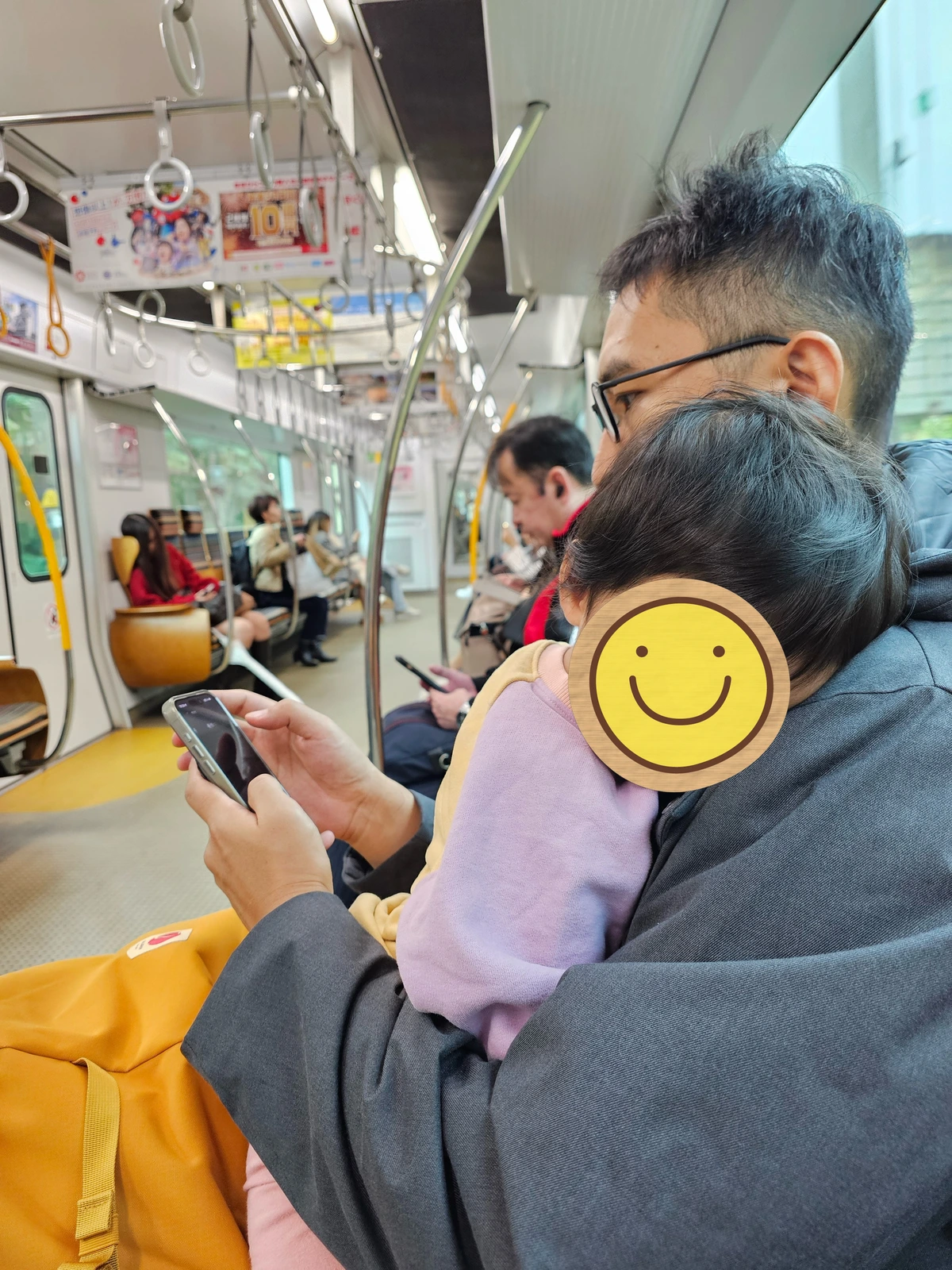
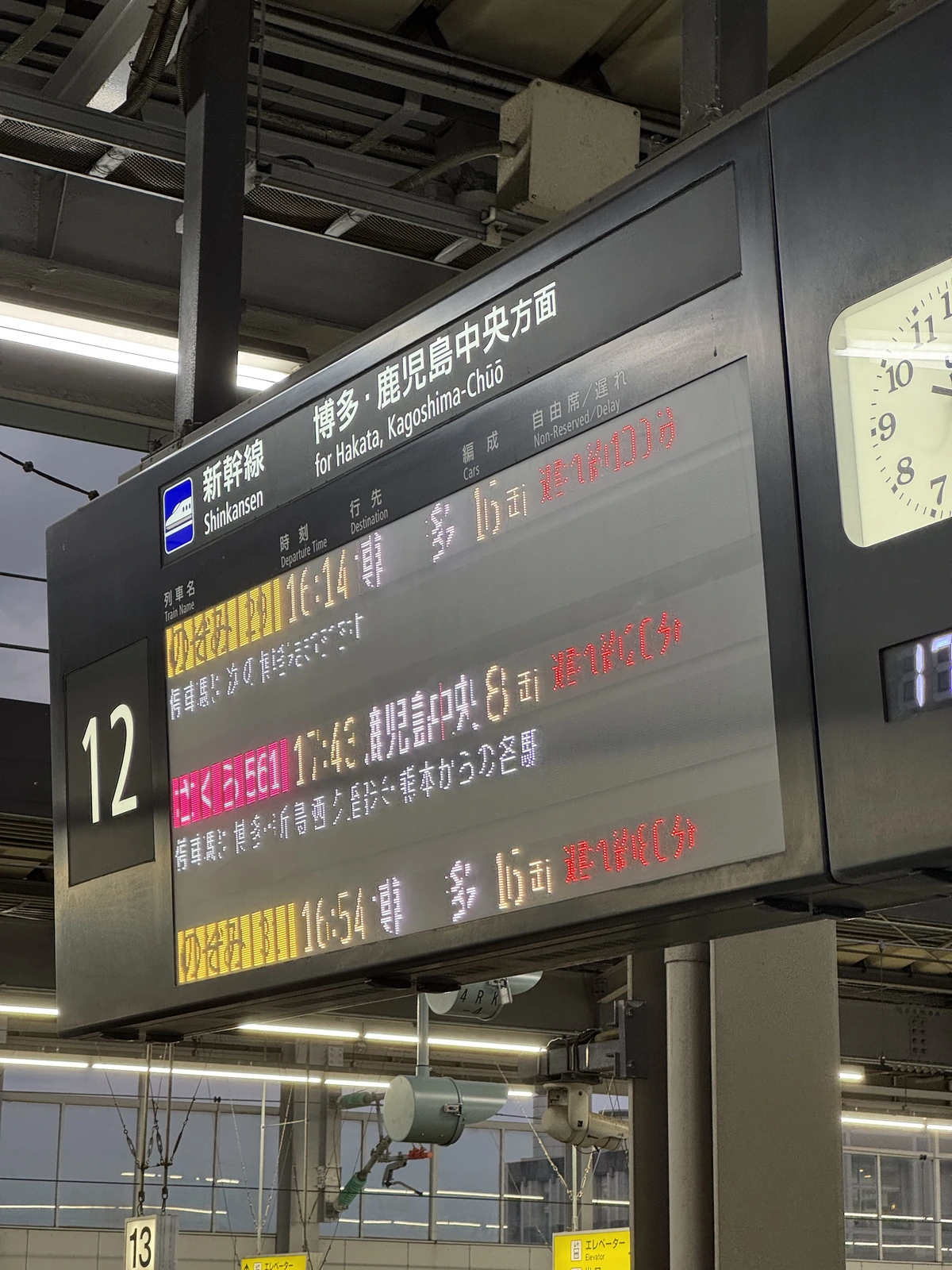
After leaving the museum, we walked back to the station. Just as we finished using the restroom and changing a diaper, we missed a train, and the next was twenty minutes away. While we waited, the station announced a major delay and told us to switch platforms for another train, so in the end we waited over forty minutes to catch one to Kokura. At Kokura we transferred to the Shinkansen and reached Hakata in just fifteen minutes—we really did waste a lot of time on JR.
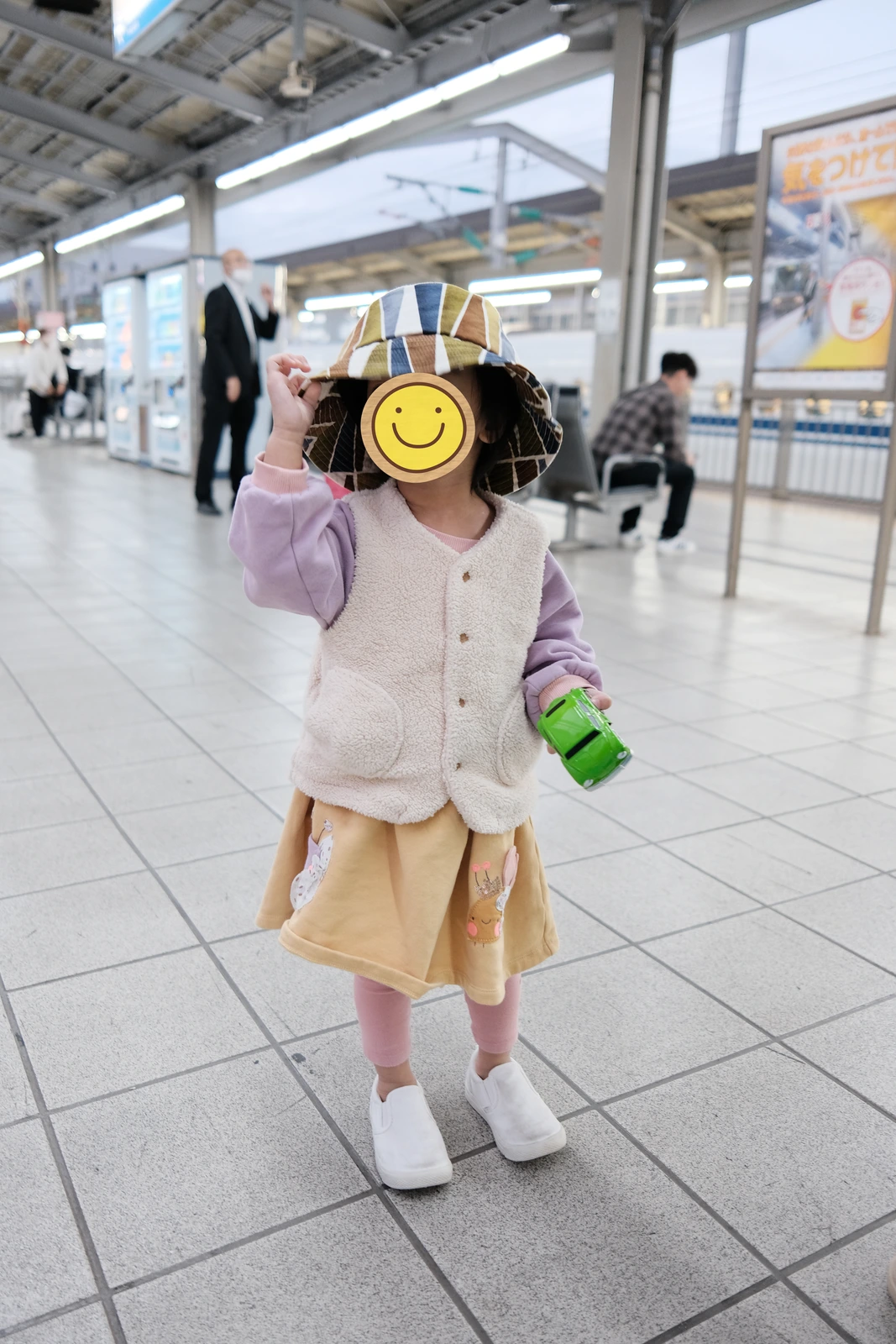
Our daughter had already fallen asleep on the Shinkansen, so my wife and I decided to eat near the station. We found a Hakata-cuisine restaurant and waited about twenty minutes. She woke up just as we were seated and proudly finished a whole bowl of rice by herself, giving us a chance to savor the local food in peace—we were genuinely touched.
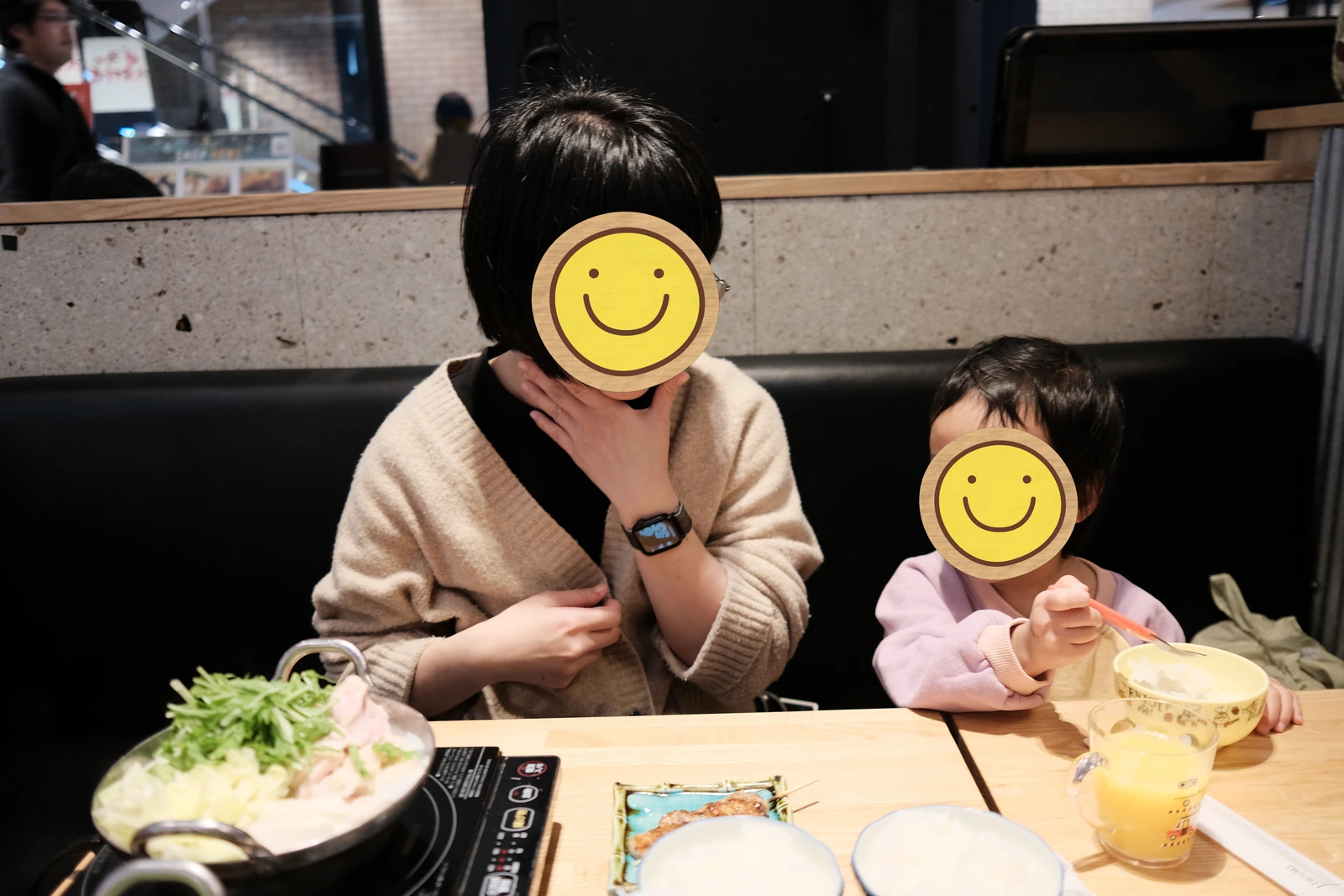
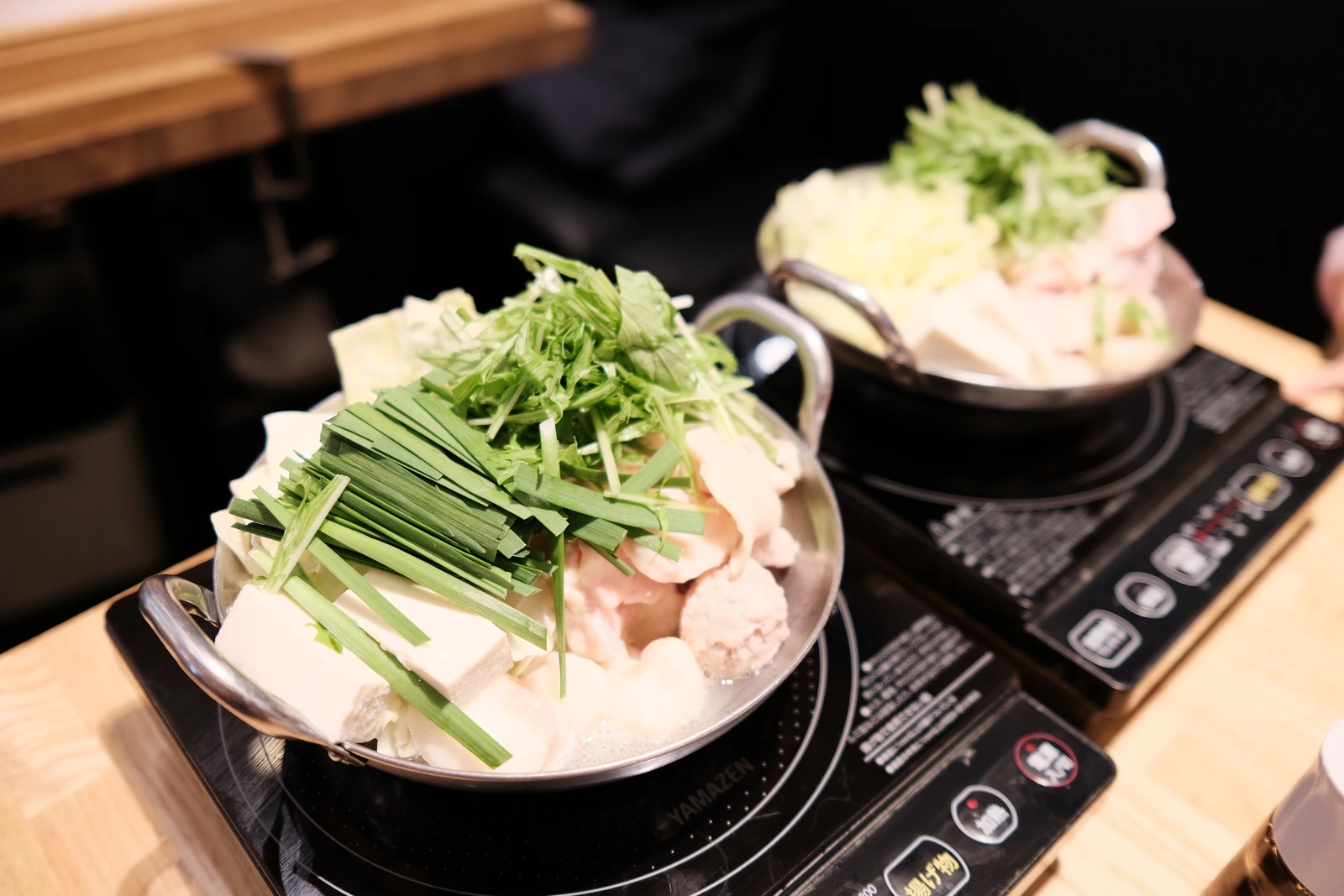
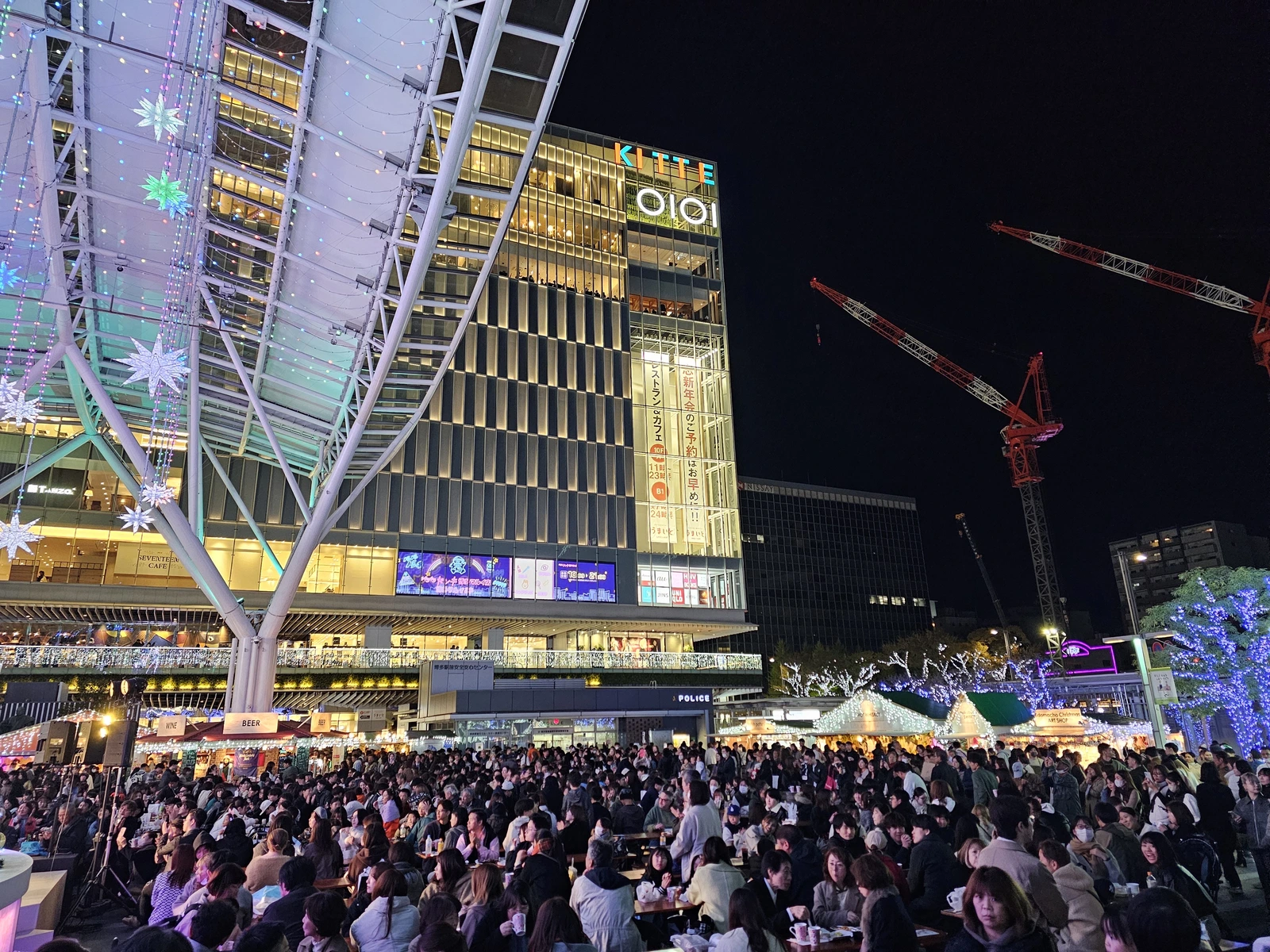
After dinner we admired the Christmas lights outside the station, then headed back to the hotel to rest.
Note: This article is translated from Traditional Chinese.