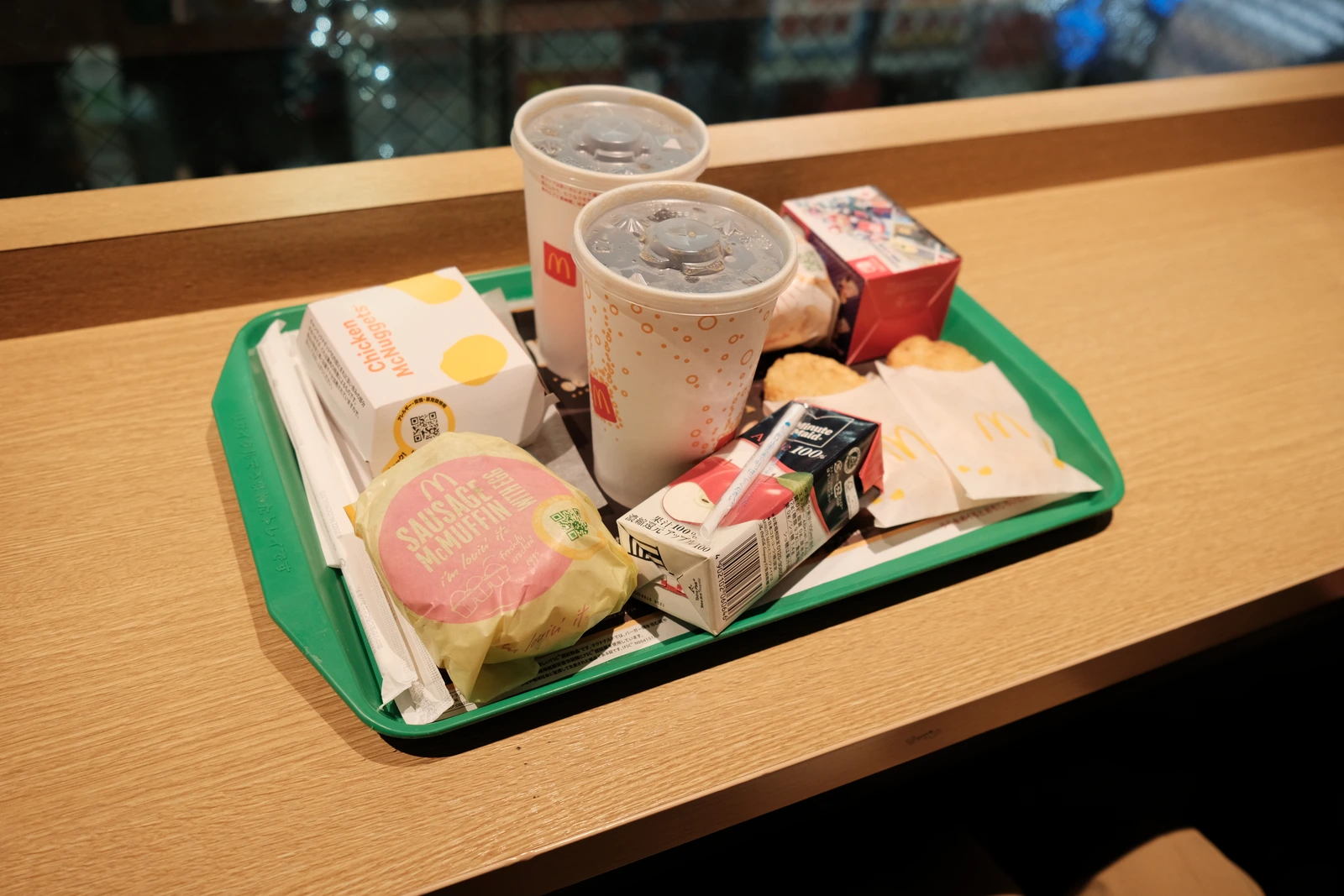
Another late night, so getting up in the morning was a bit of a struggle. Today’s main destination was Dazaifu, but first we had to track down the McDonald’s hotcakes set my wife had been longing for, which meant we couldn’t leave too late or we’d miss the breakfast window.
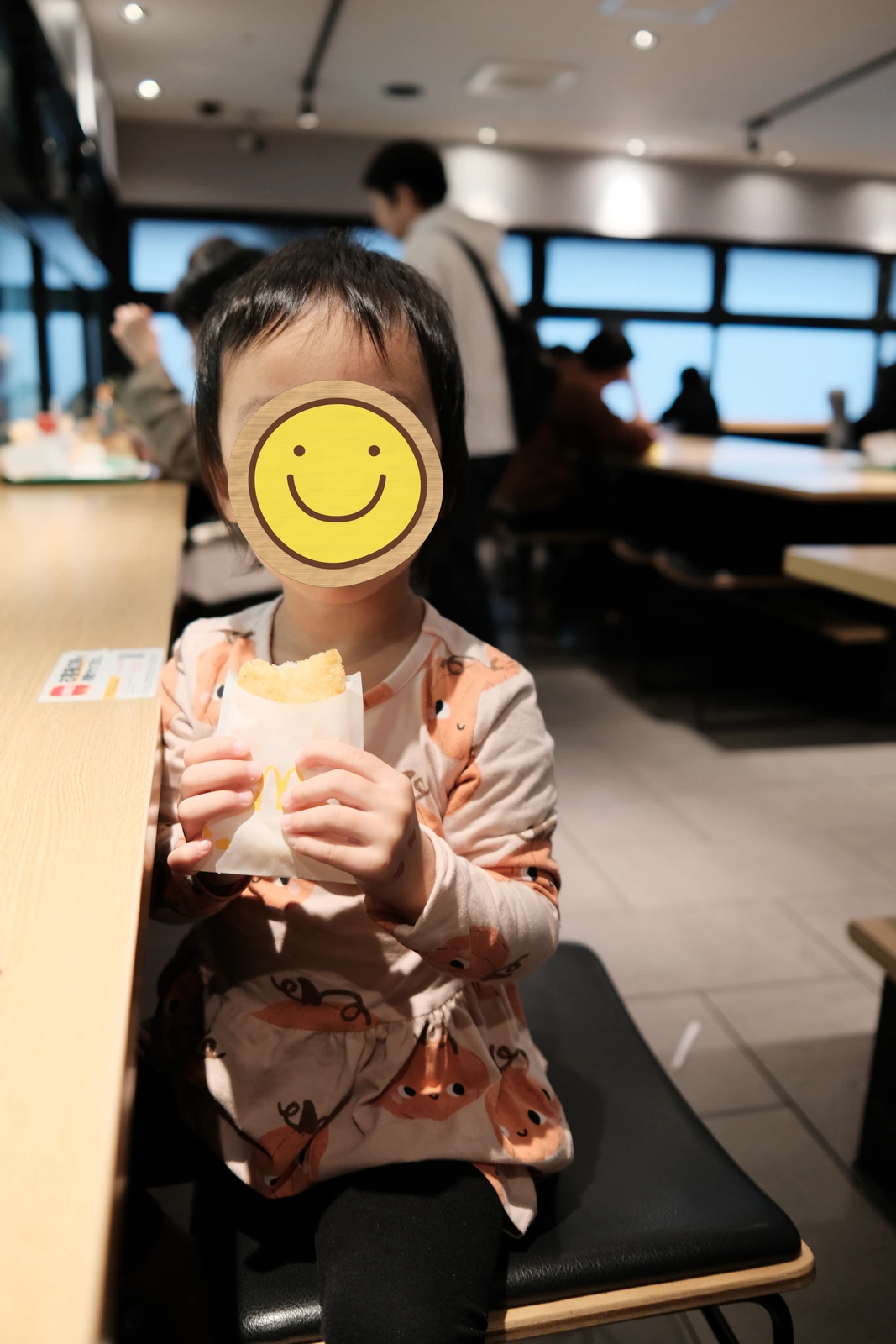
We took the train one stop to Tenjin and, after some effort, finally found the McDonald’s. At the same time I was desperately holding in the urge to go; luckily, before I reached my limit, my wife brought the food over and took over watching our daughter, letting me make it to the McDonald’s restroom in time.
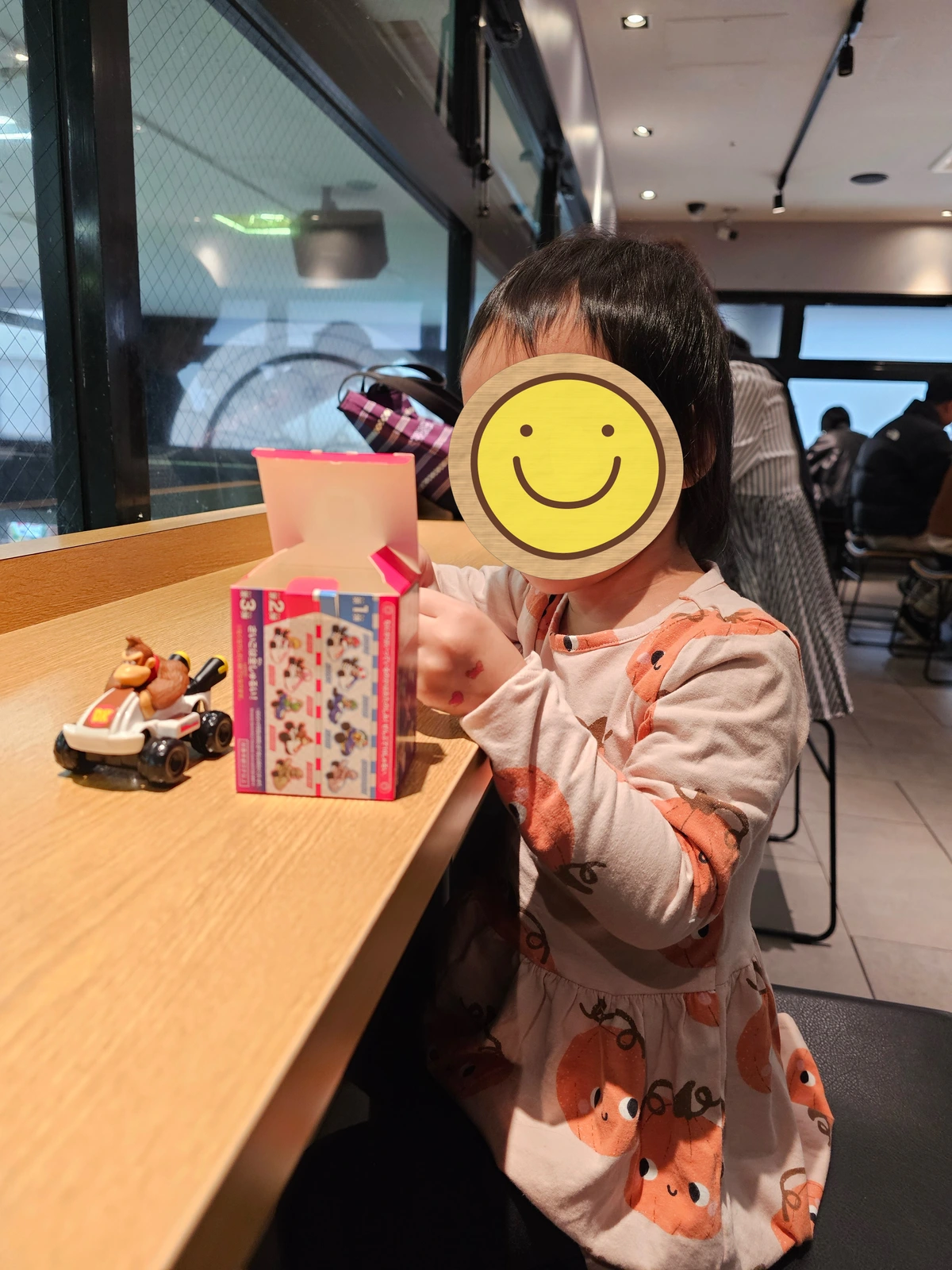
Our daughter got the Happy Meal and received a Donkey Kong Mario Kart toy. She put the stickers on herself, and surprisingly neatly too.
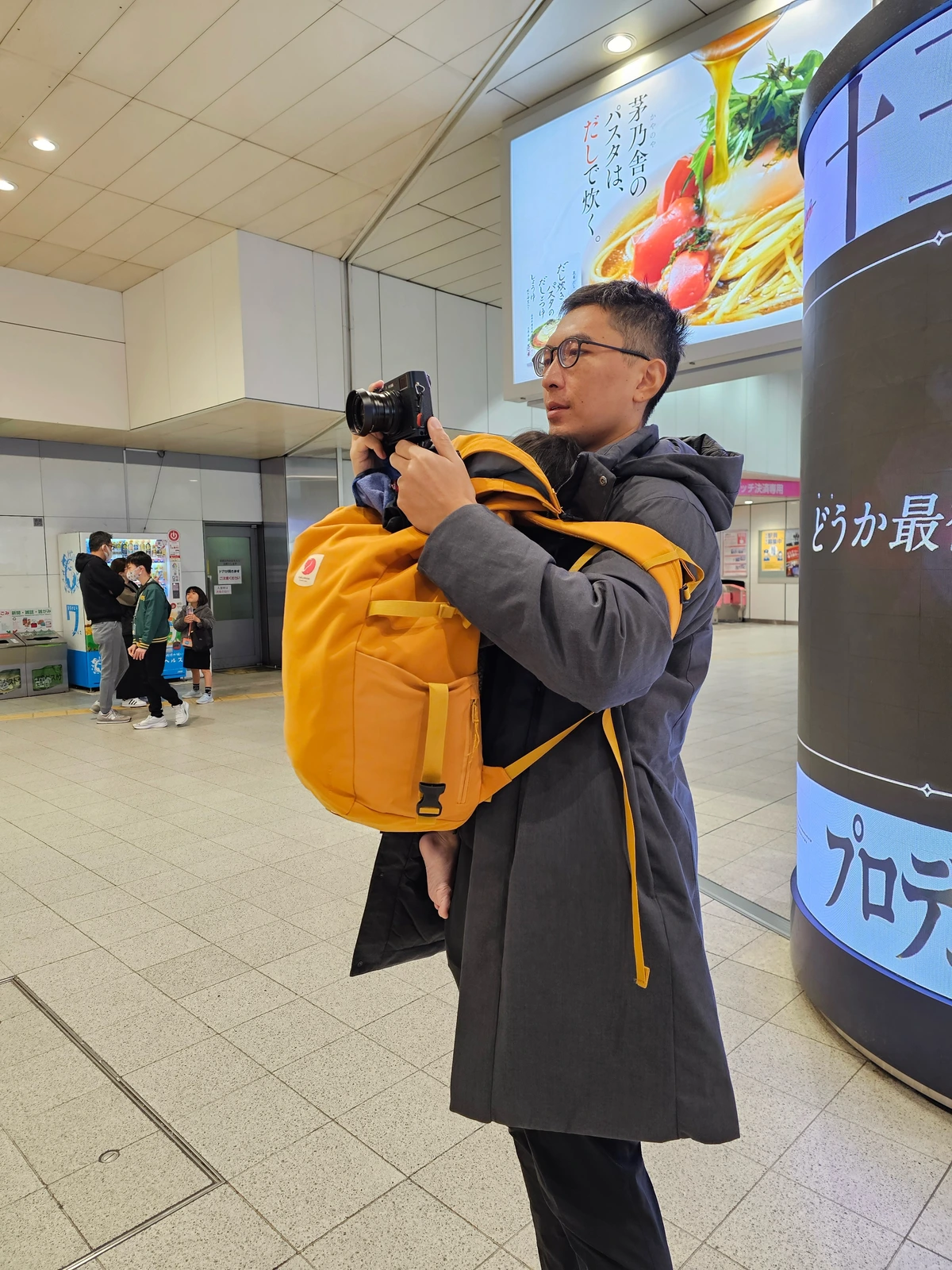
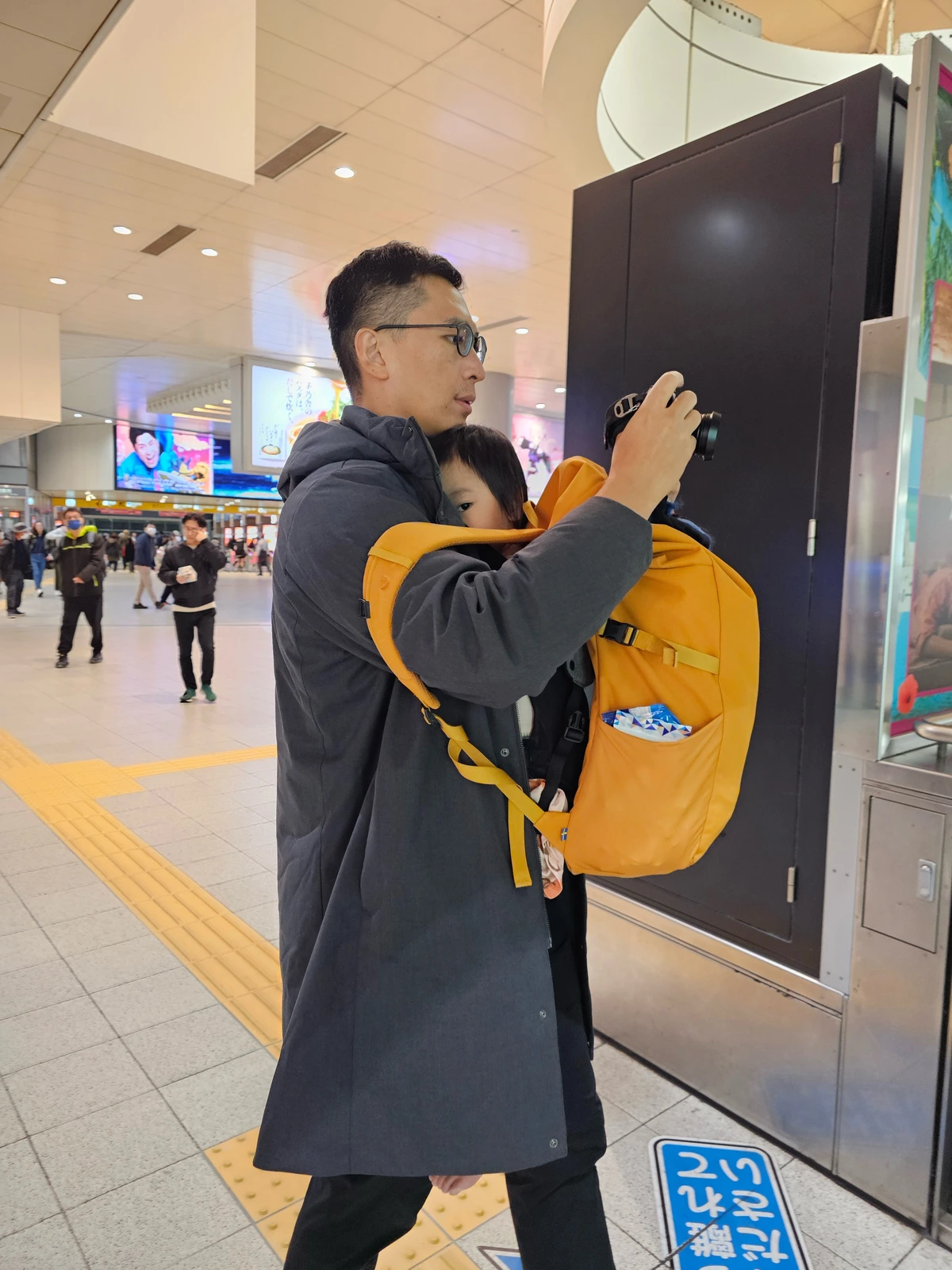
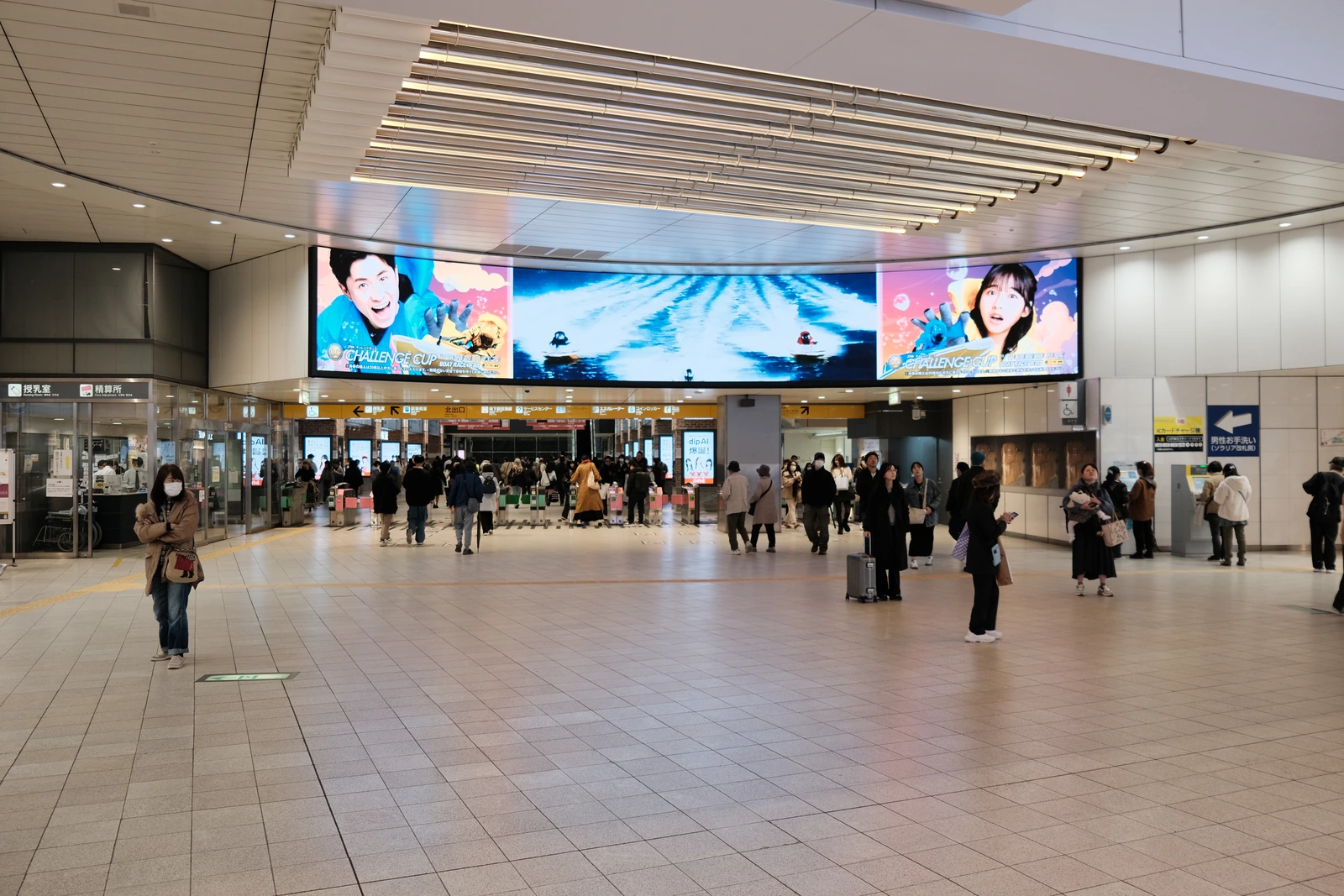
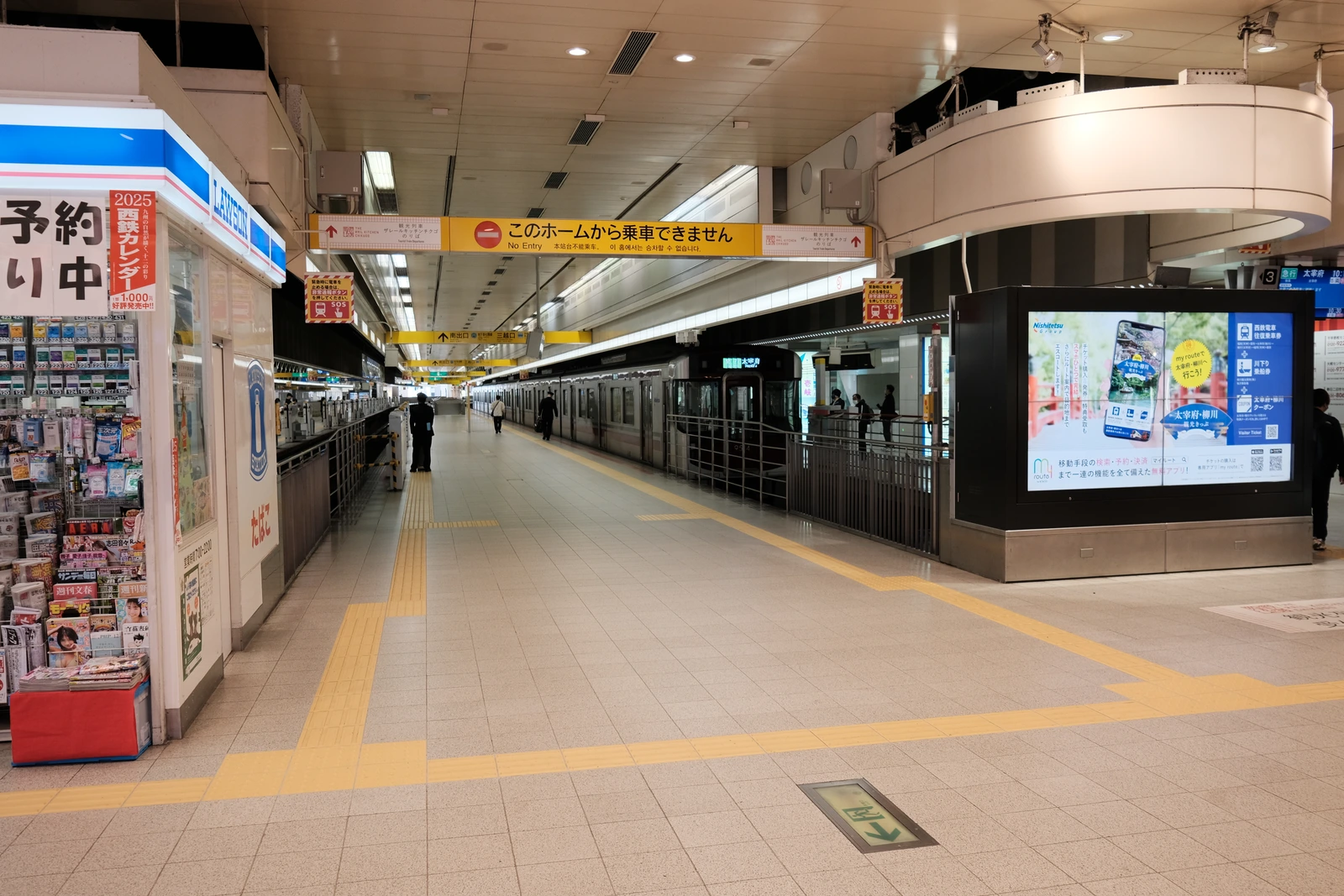
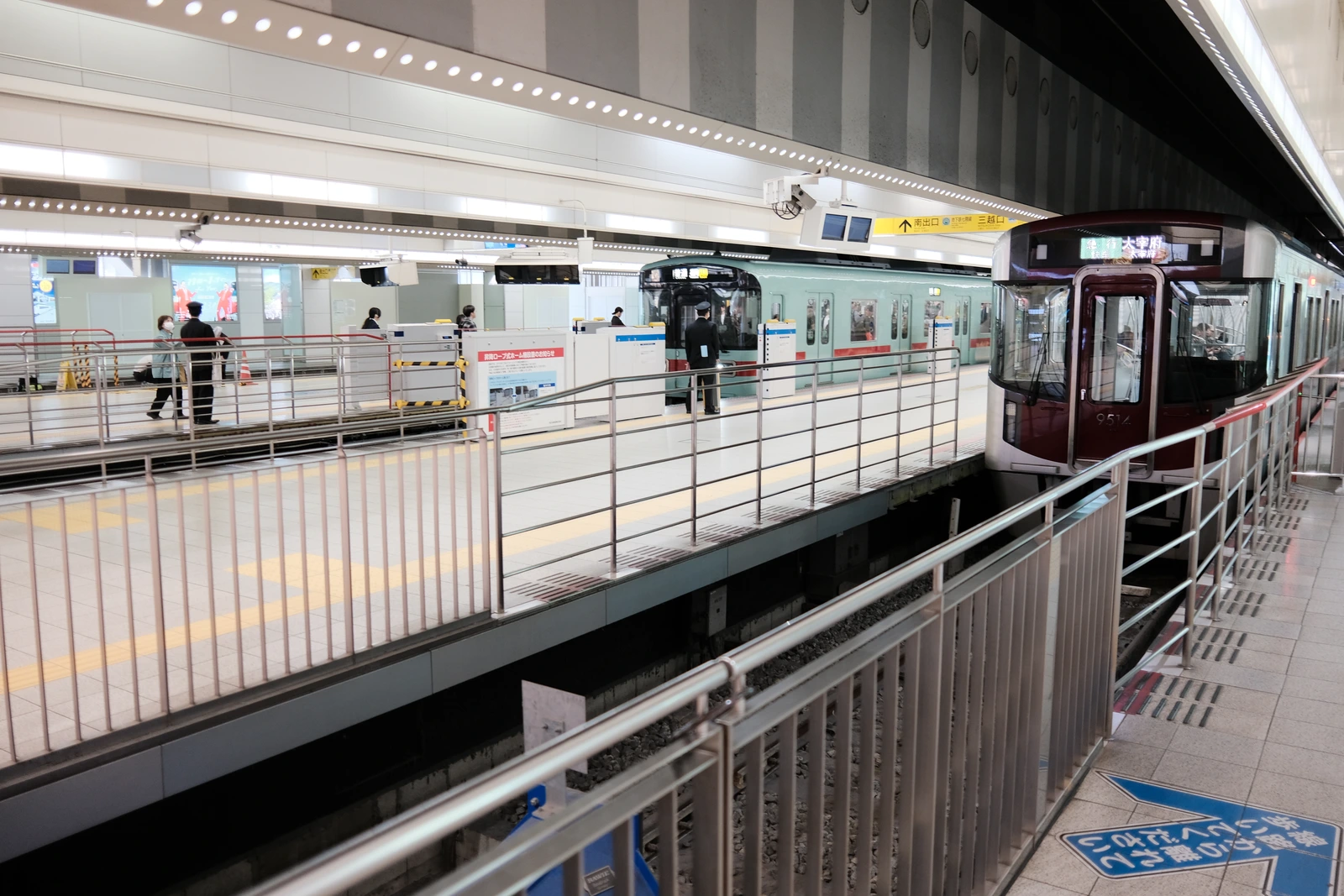
After eating, we took the Nishitetsu line toward Dazaifu. Our daughter refused to sit on her own and insisted I carry her in the baby carrier—standing, no less—but luckily the ride wasn’t too long and she soon fell asleep. It was a direct train; after a brief stop at Futsukaichi, it changed direction and continued to Dazaifu. A huge crowd got off at Dazaifu, and as we stepped out the door I heard something drop. Only later did I realize it was our daughter’s Mario Kart.
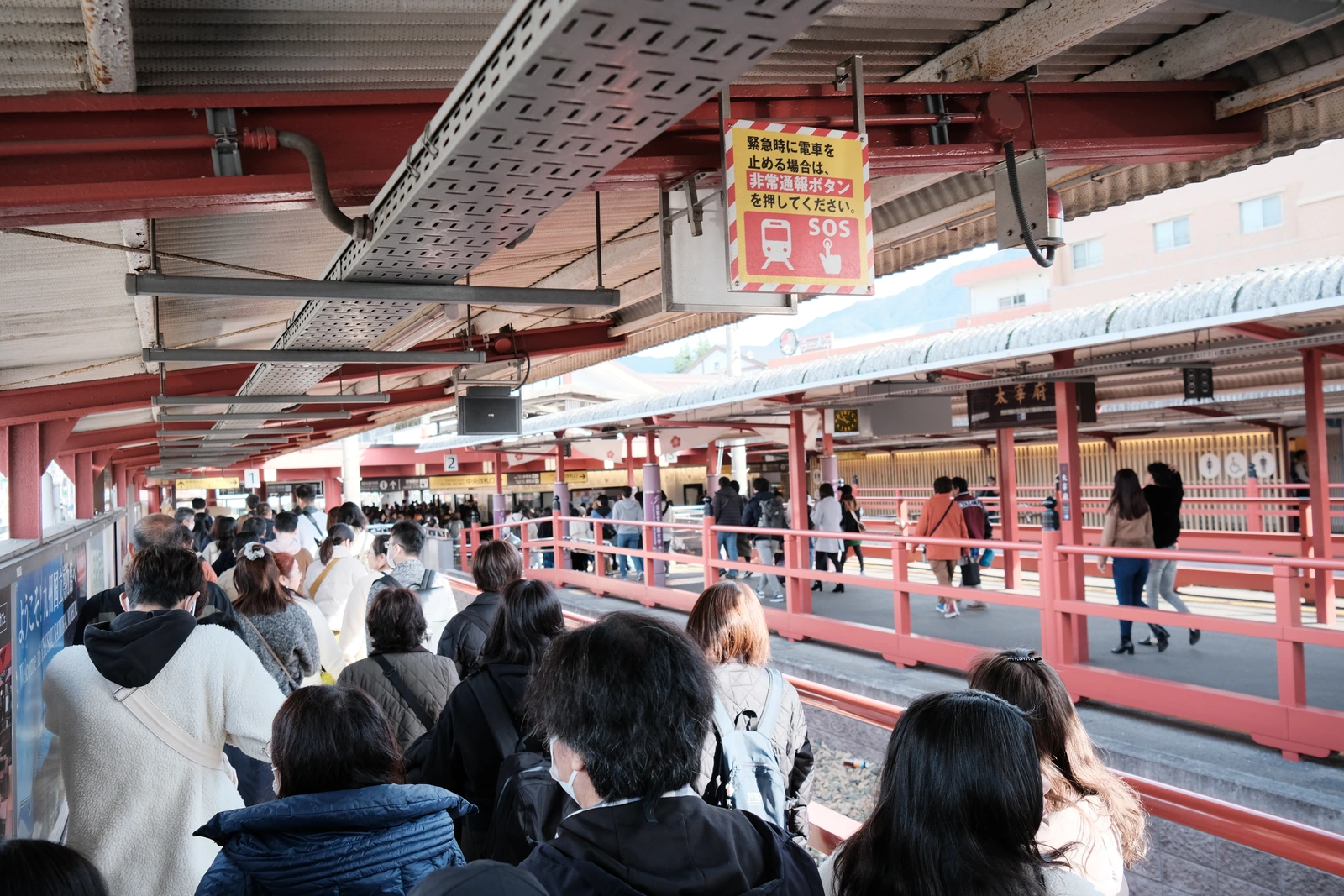
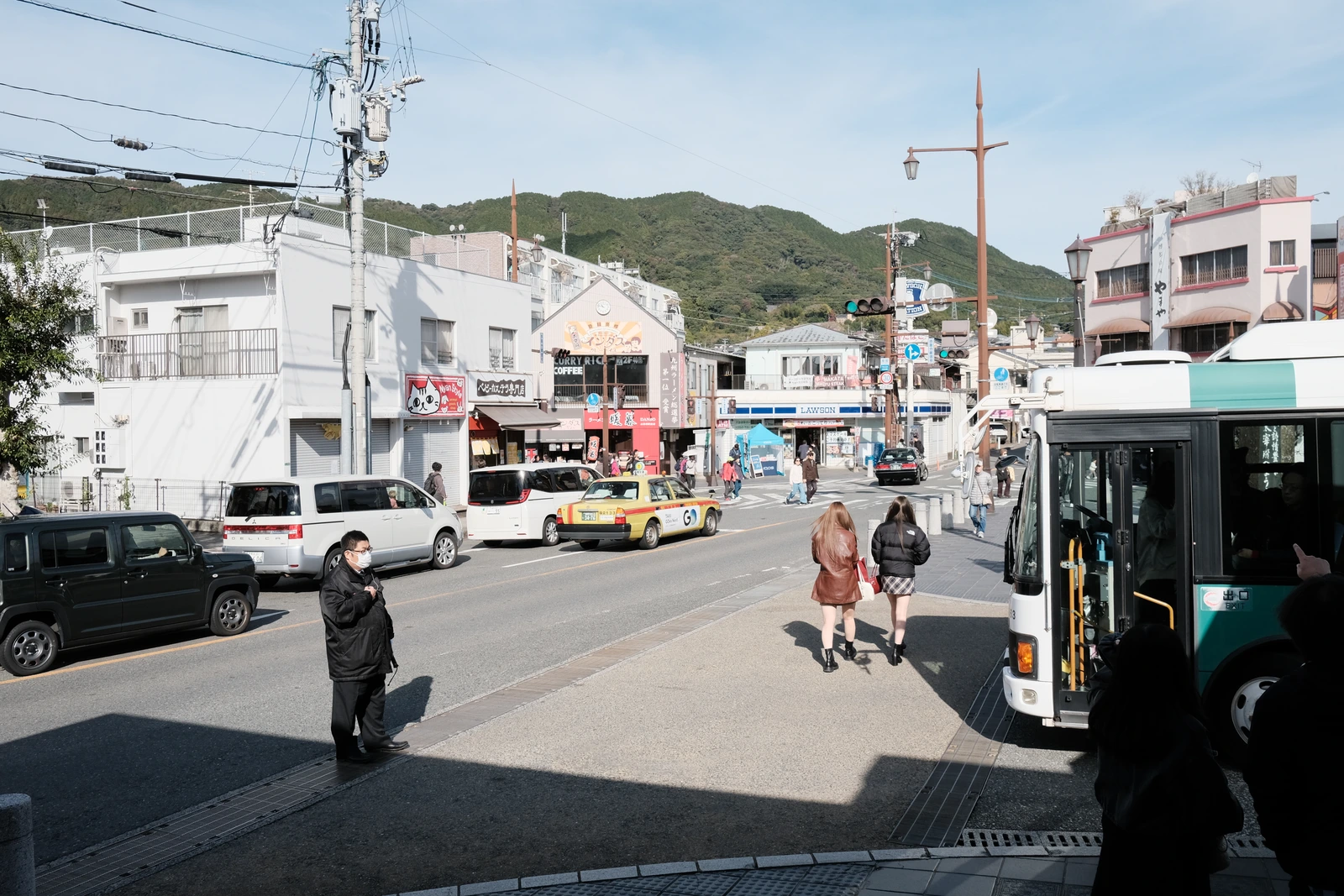
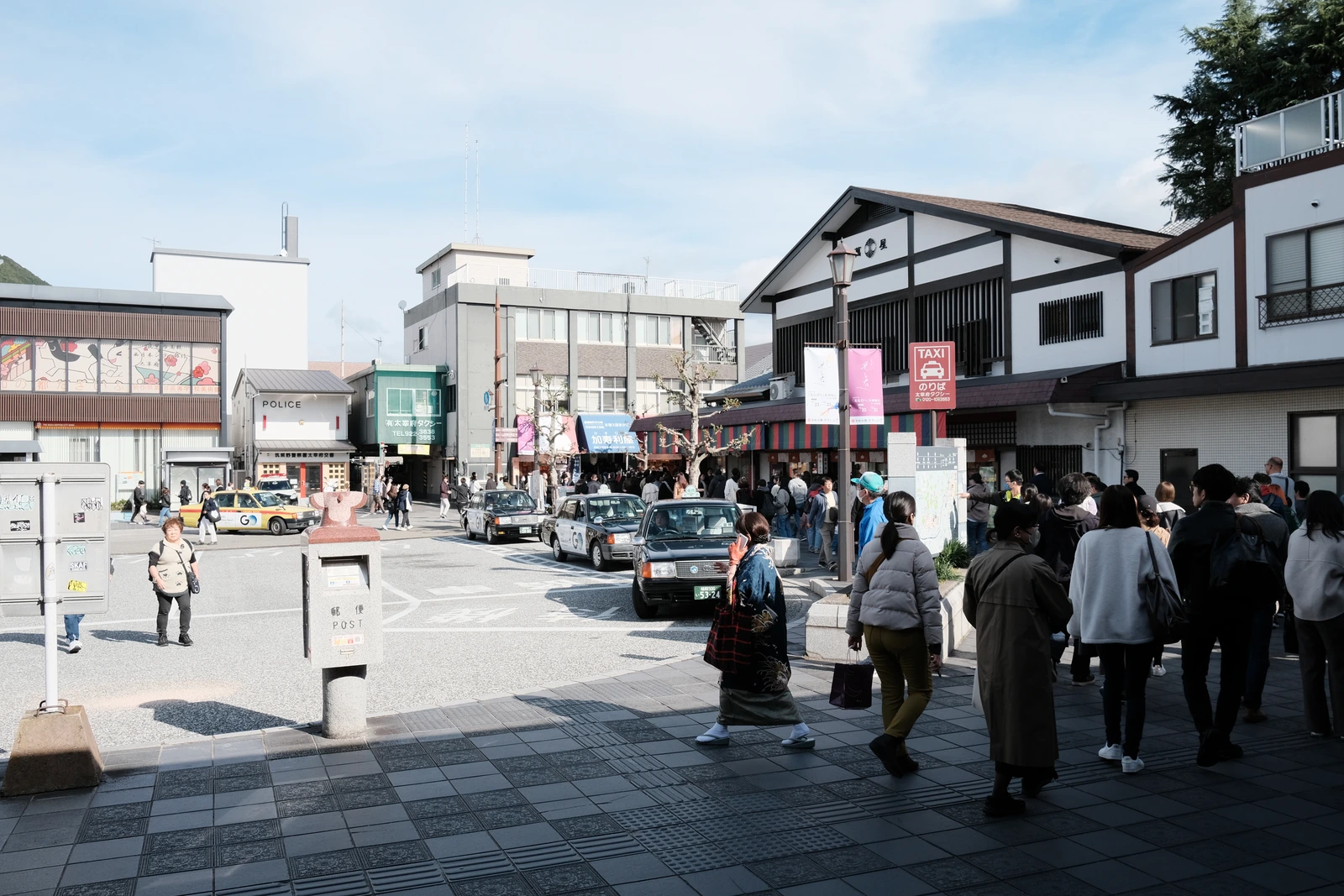
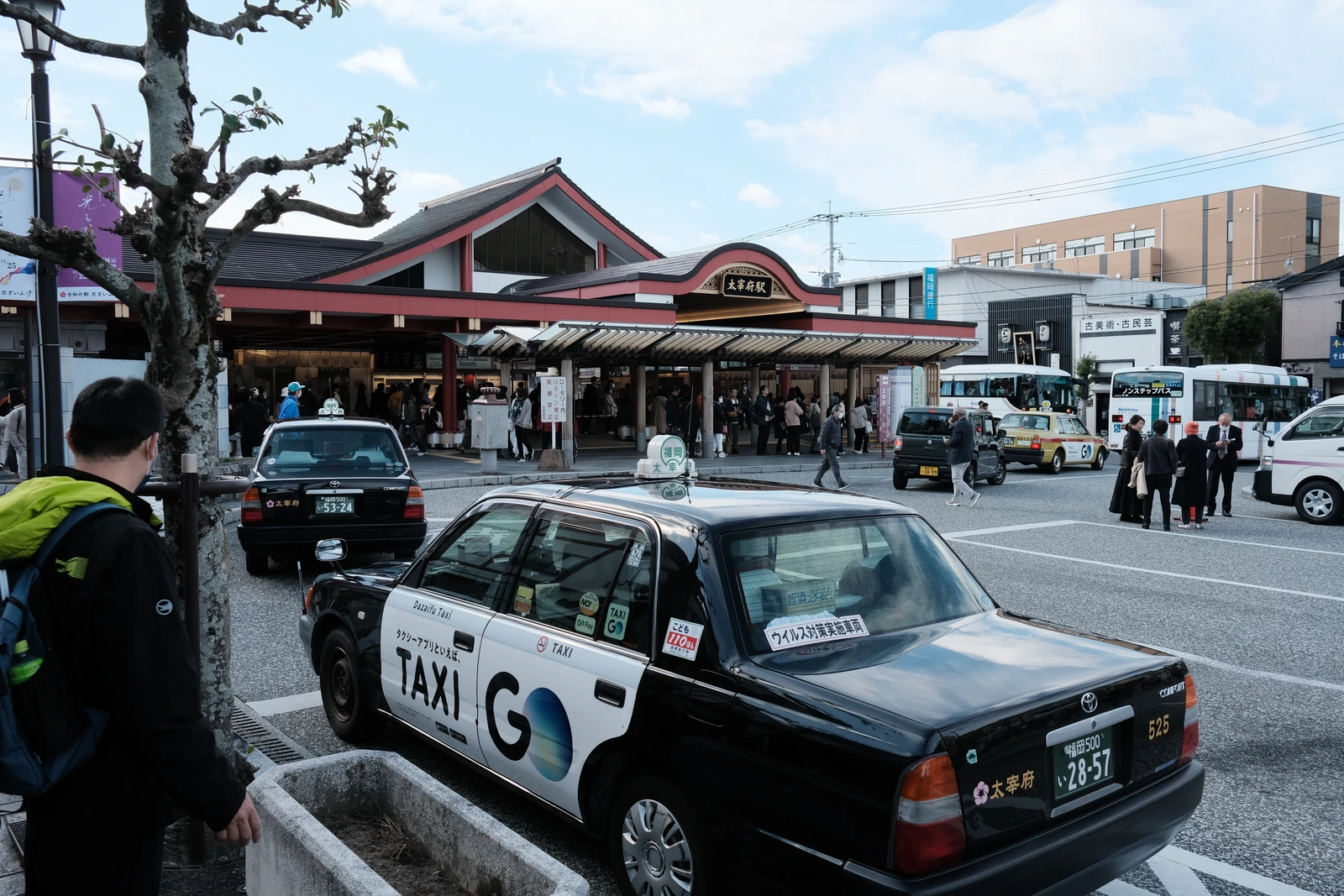
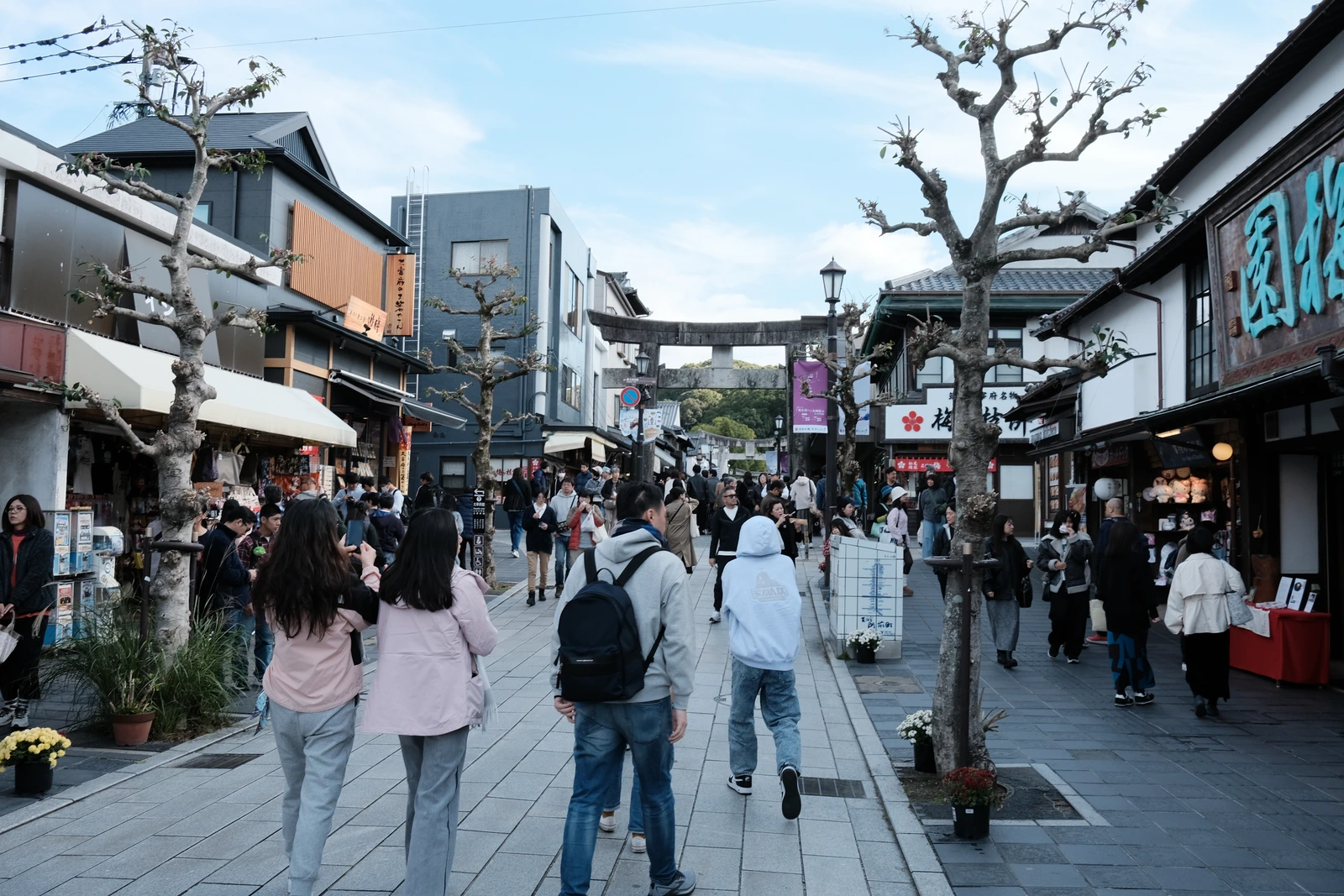
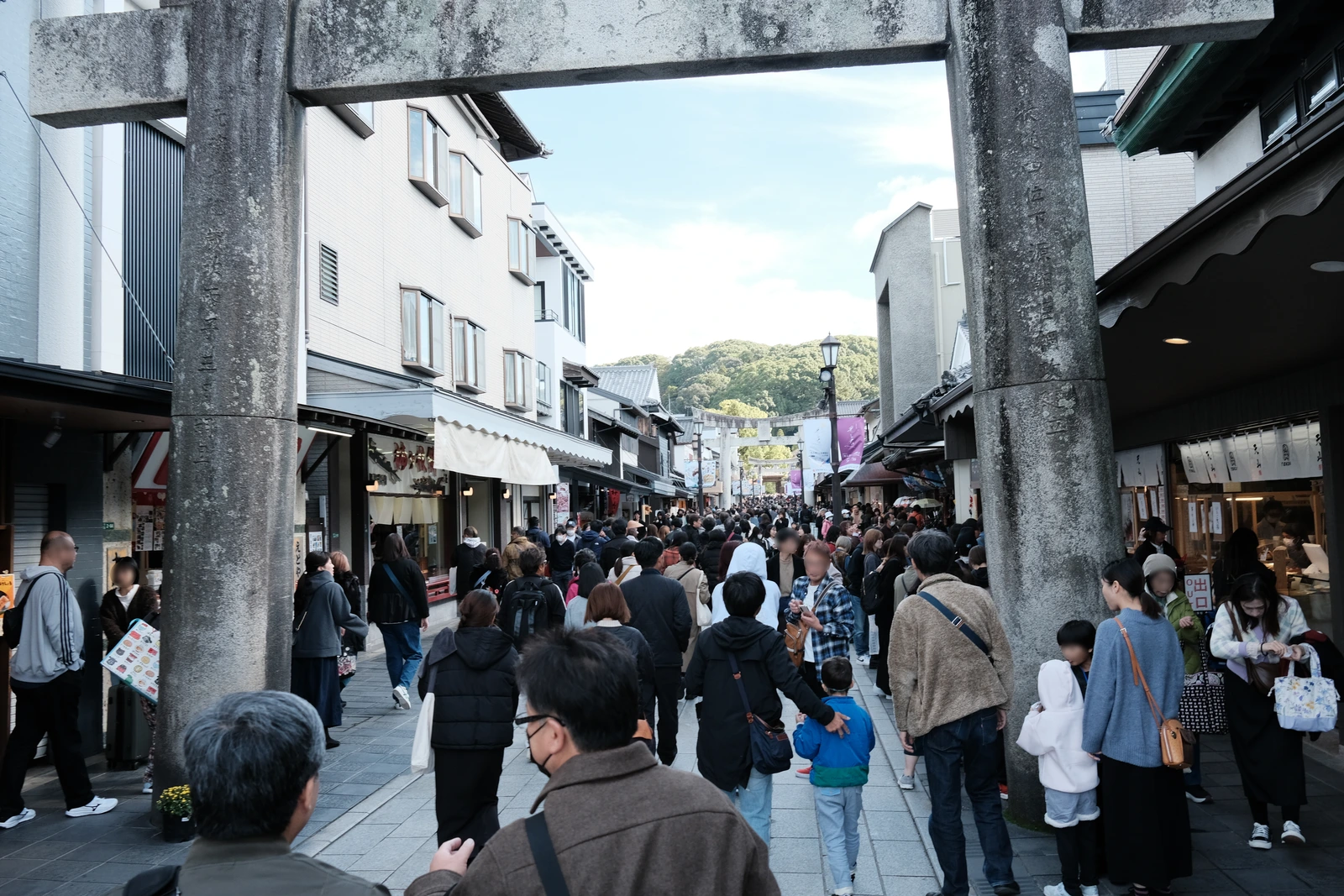
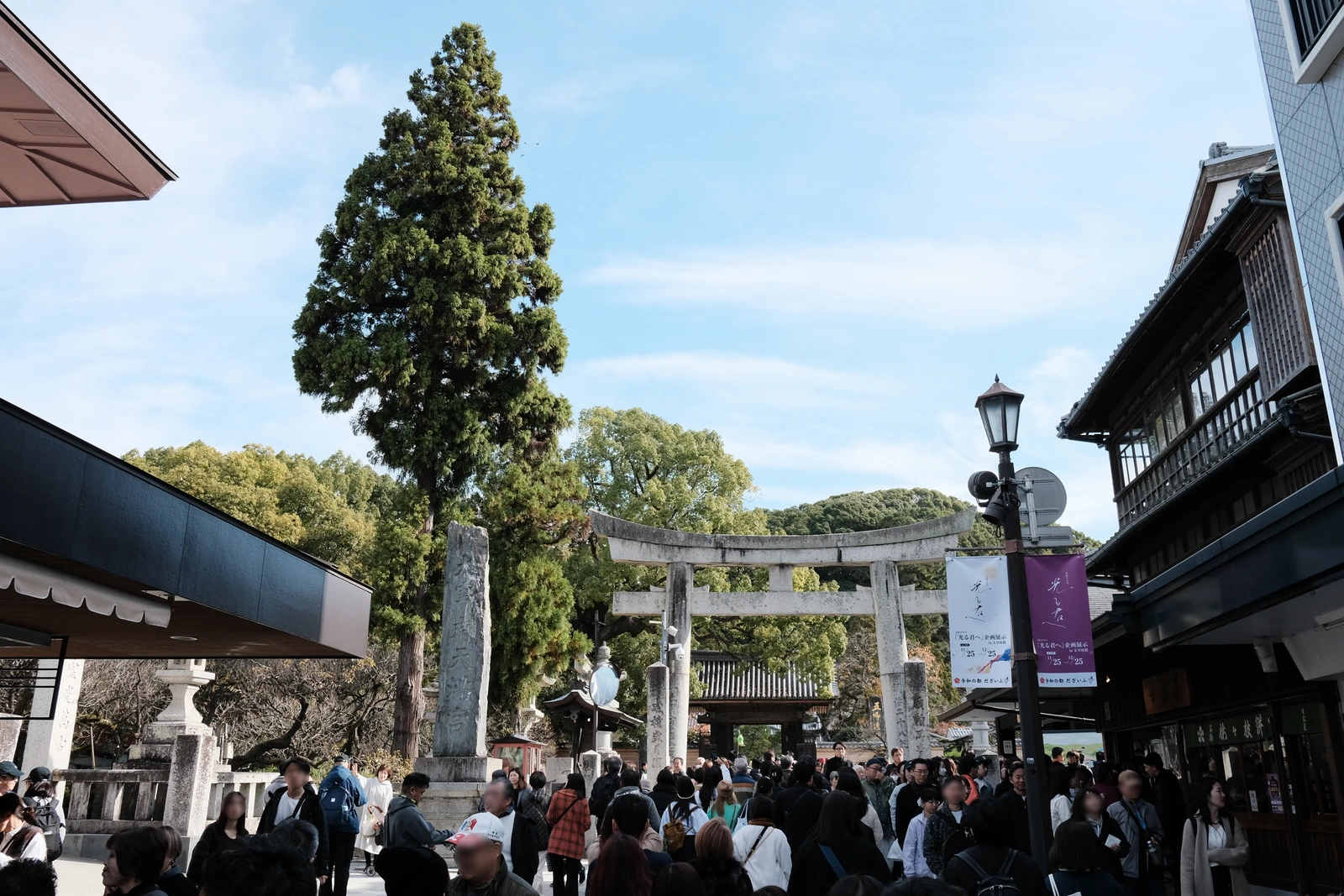
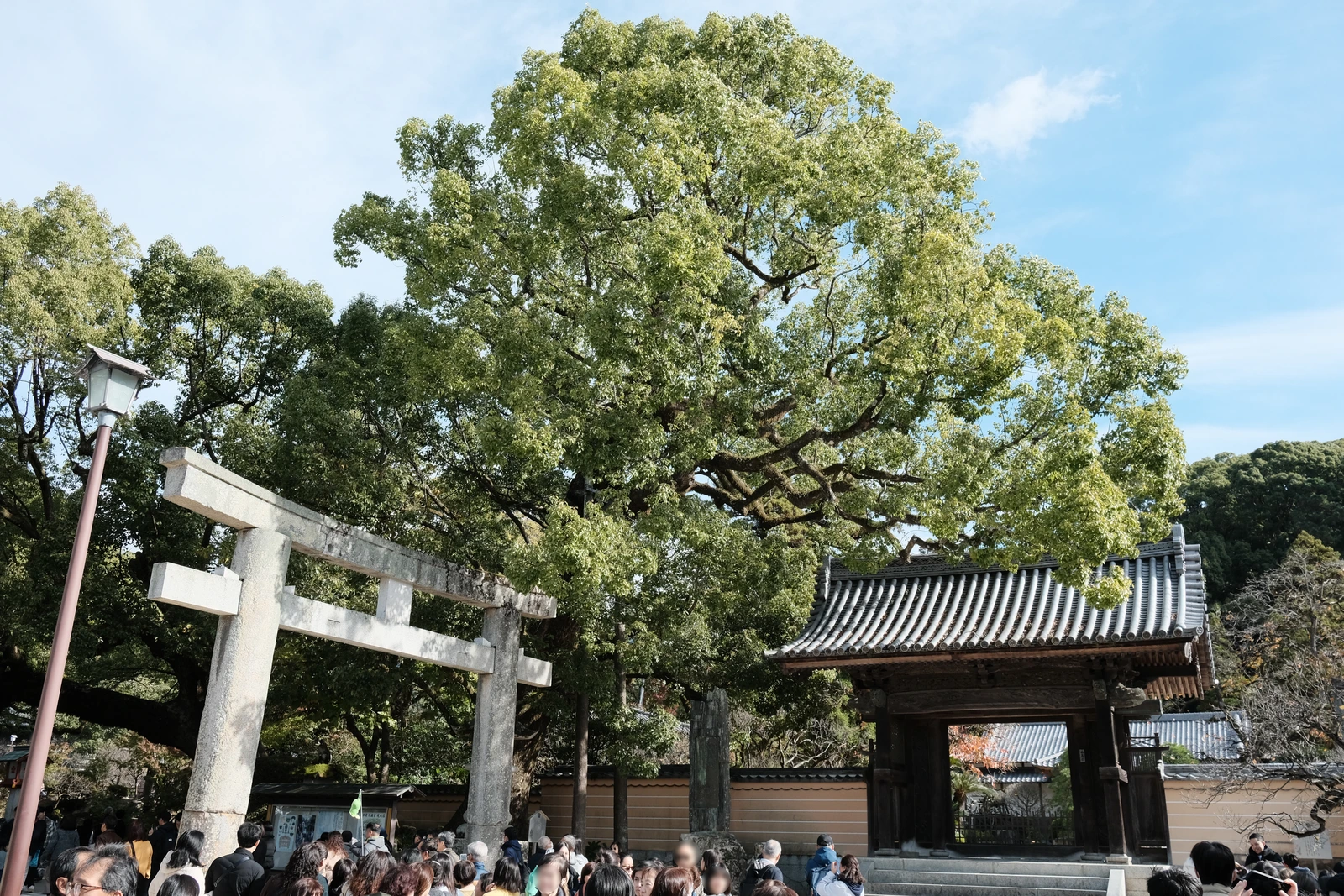
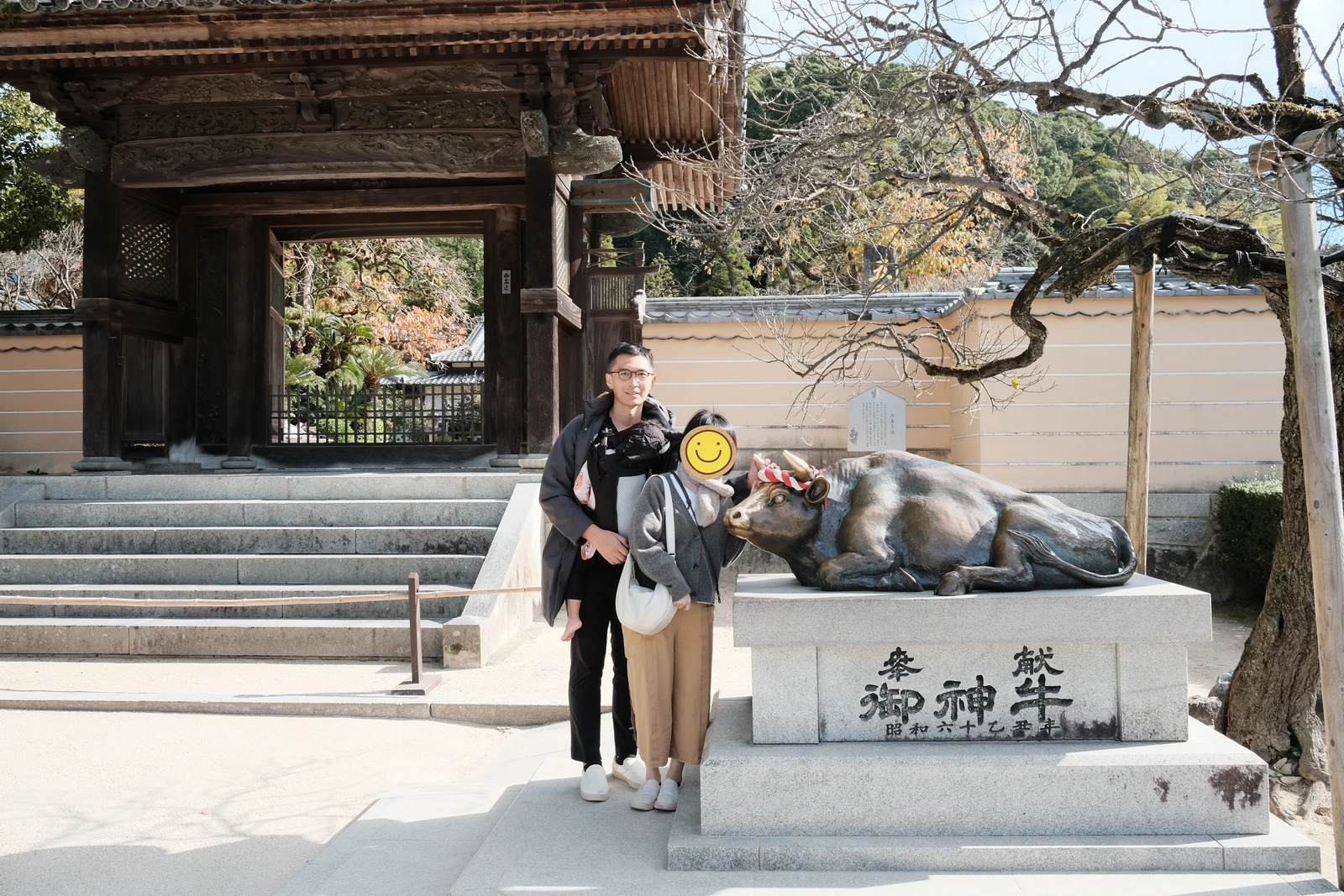
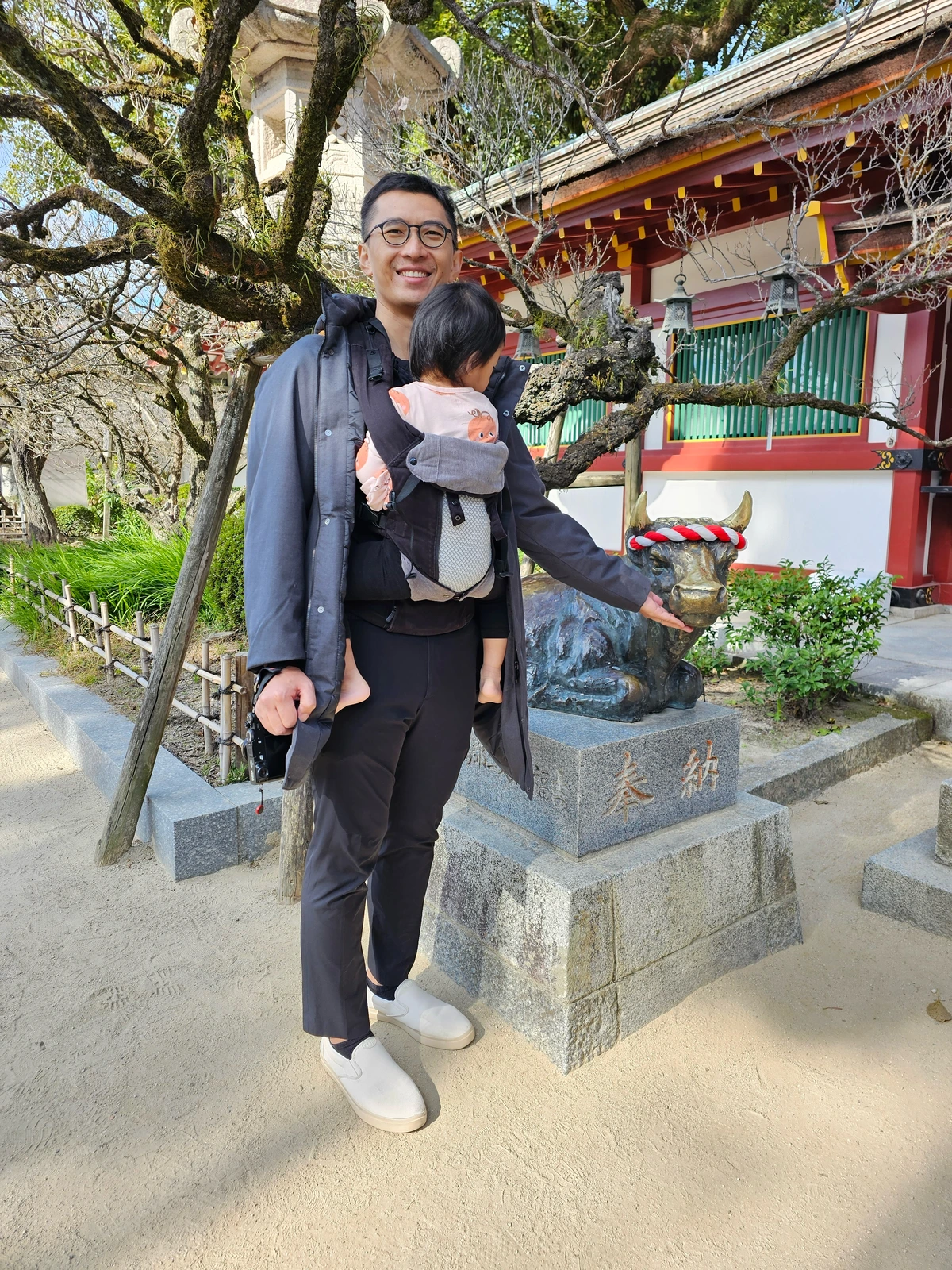
The street in front of Dazaifu was packed, so we headed straight in. At the sacred ox by the entrance, we saw people queuing and stopped to join them. Ahead of us was a group of Korean ladies, and when it was their turn they took photos for ages. We asked the tourists behind us to take a photo of us, and took one for them in return—they didn’t look Japanese either.
Further Reading
- I also touched the ox at Yushima Tenmangu: Ueno Sightseeing — Day 08
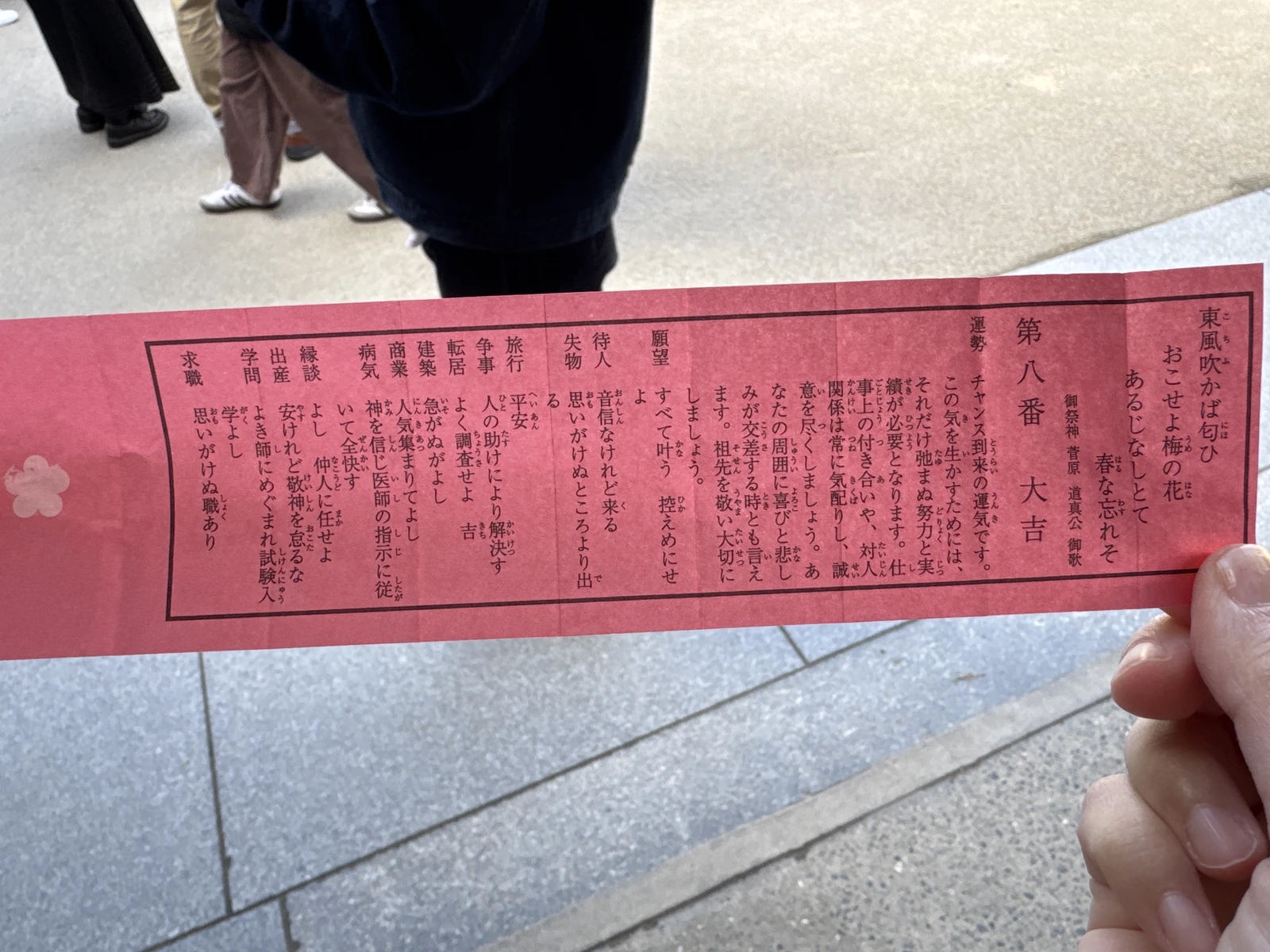
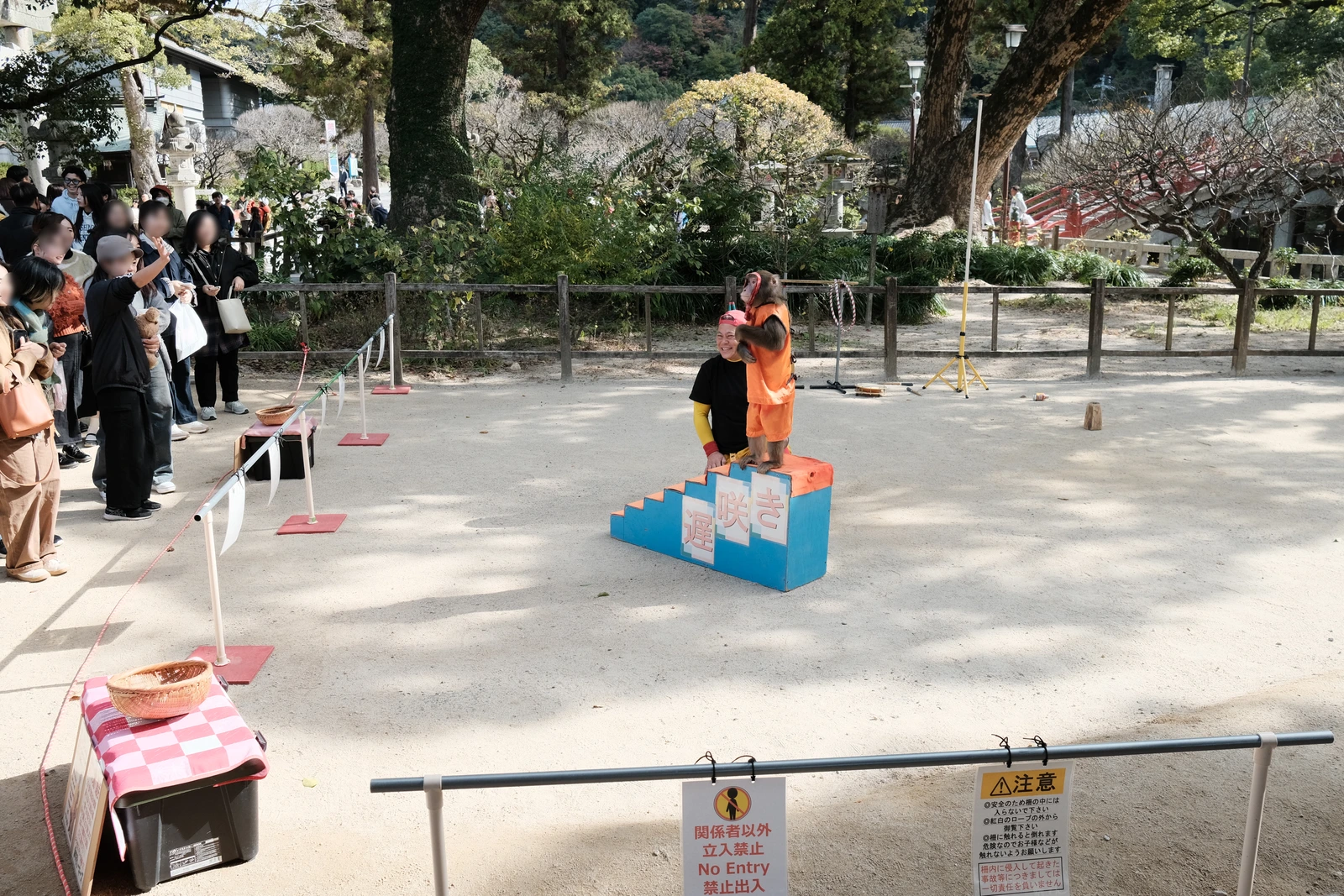
After the photos, we walked toward the main hall, our daughter asleep the whole way. The main hall was under renovation, but the roof in front of it was still magnificent, with a garden on top. We made a loop, took a photo with the ox inside, bought an omamori, and drew an omikuji—getting daikichi, the very best fortune.
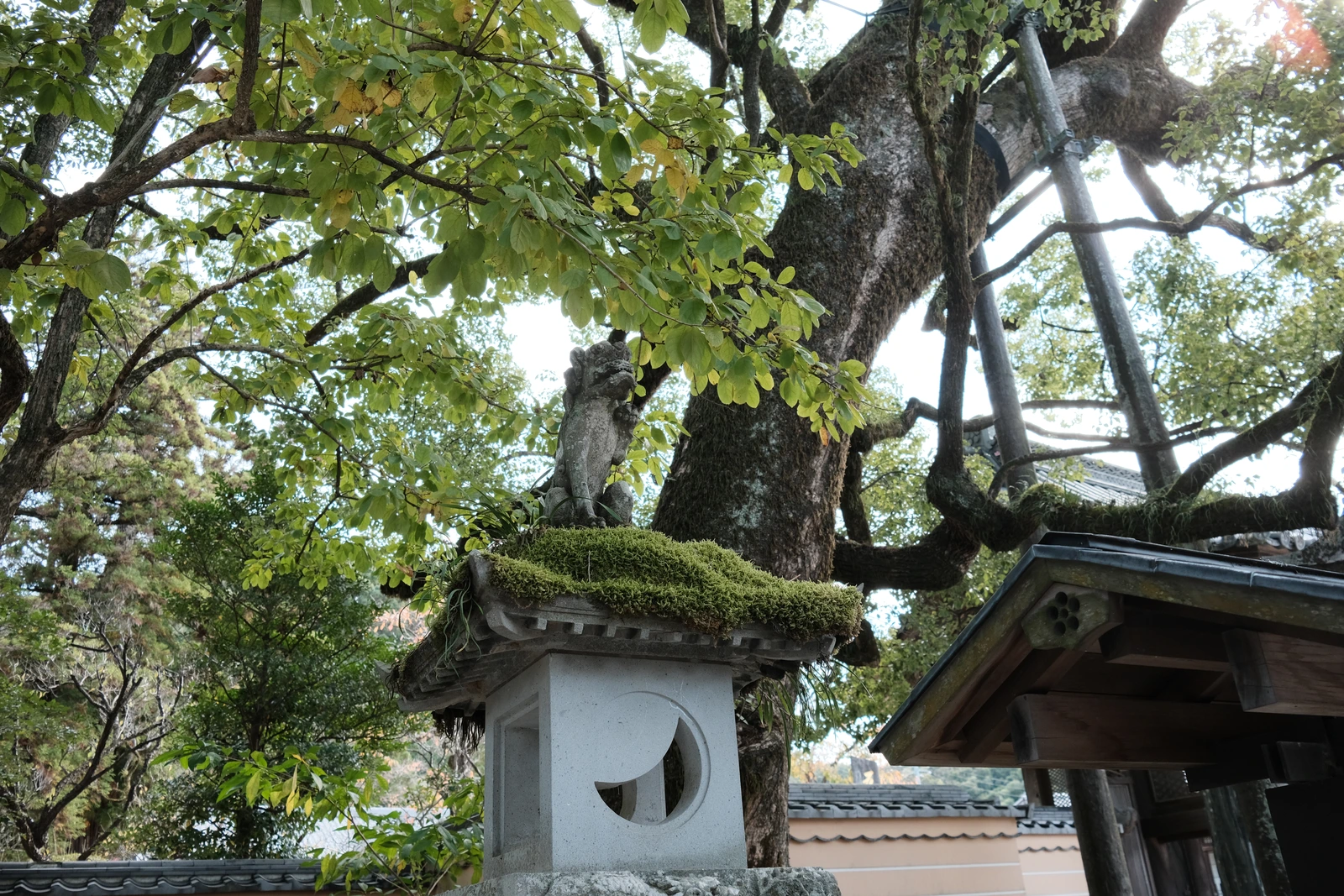
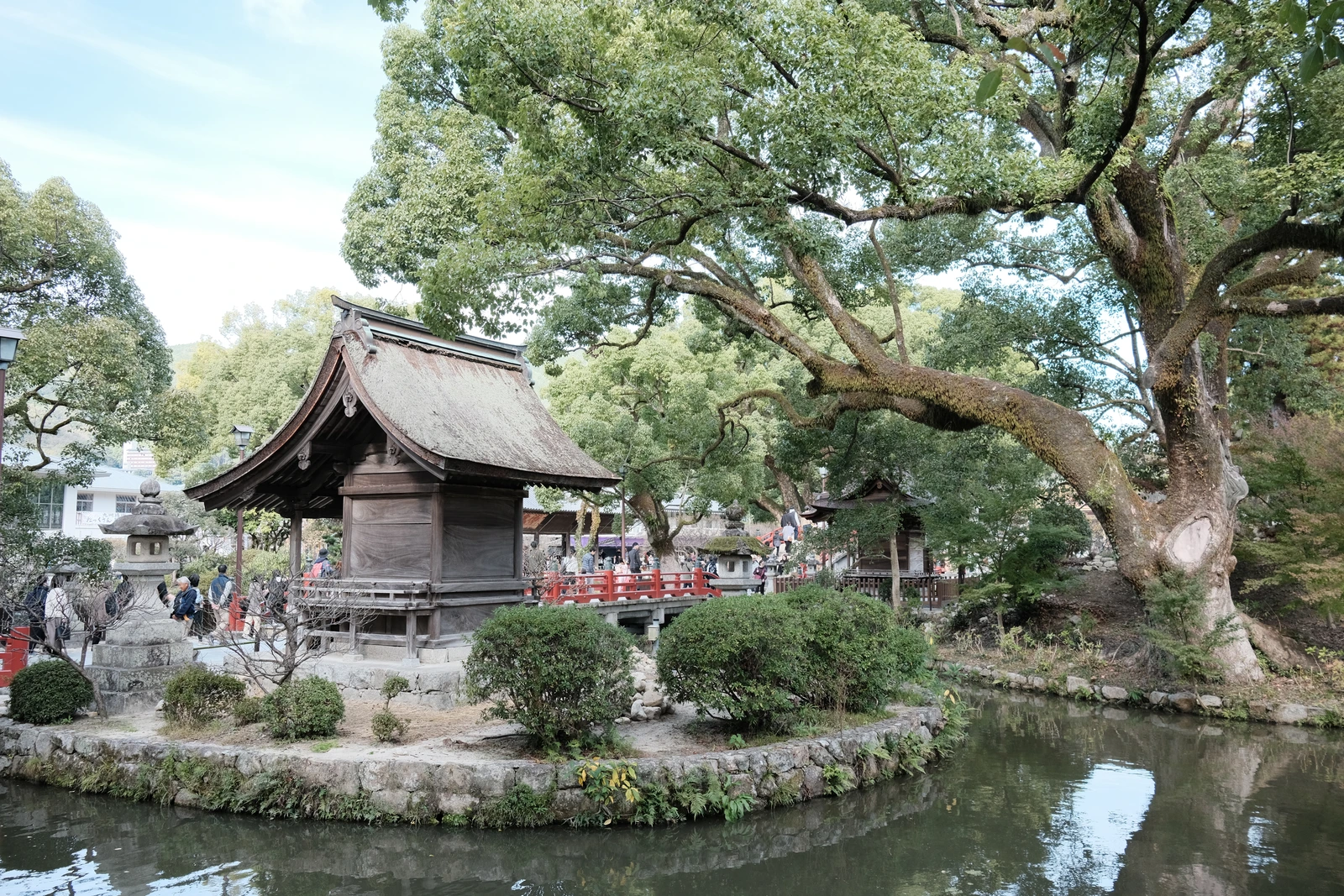
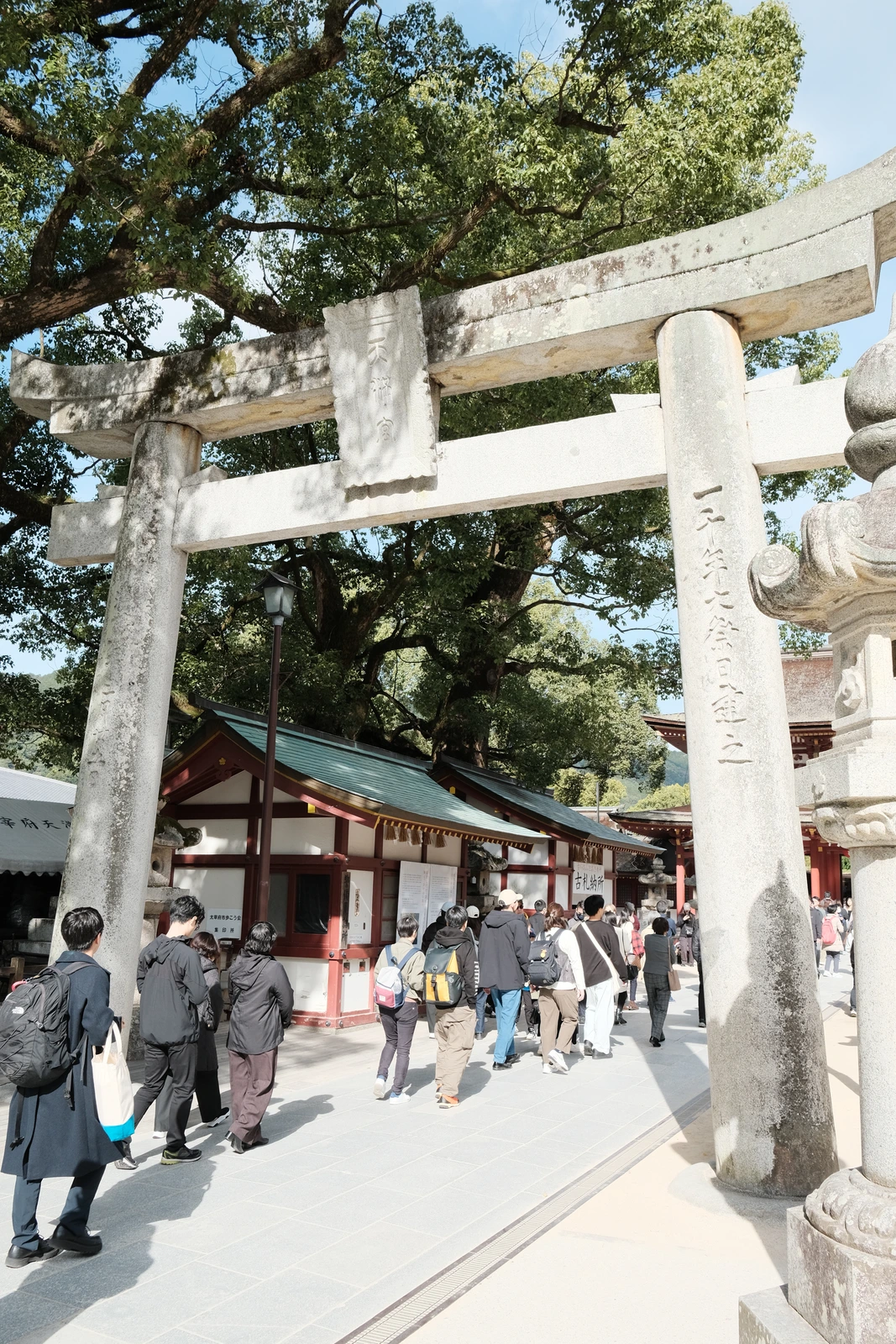
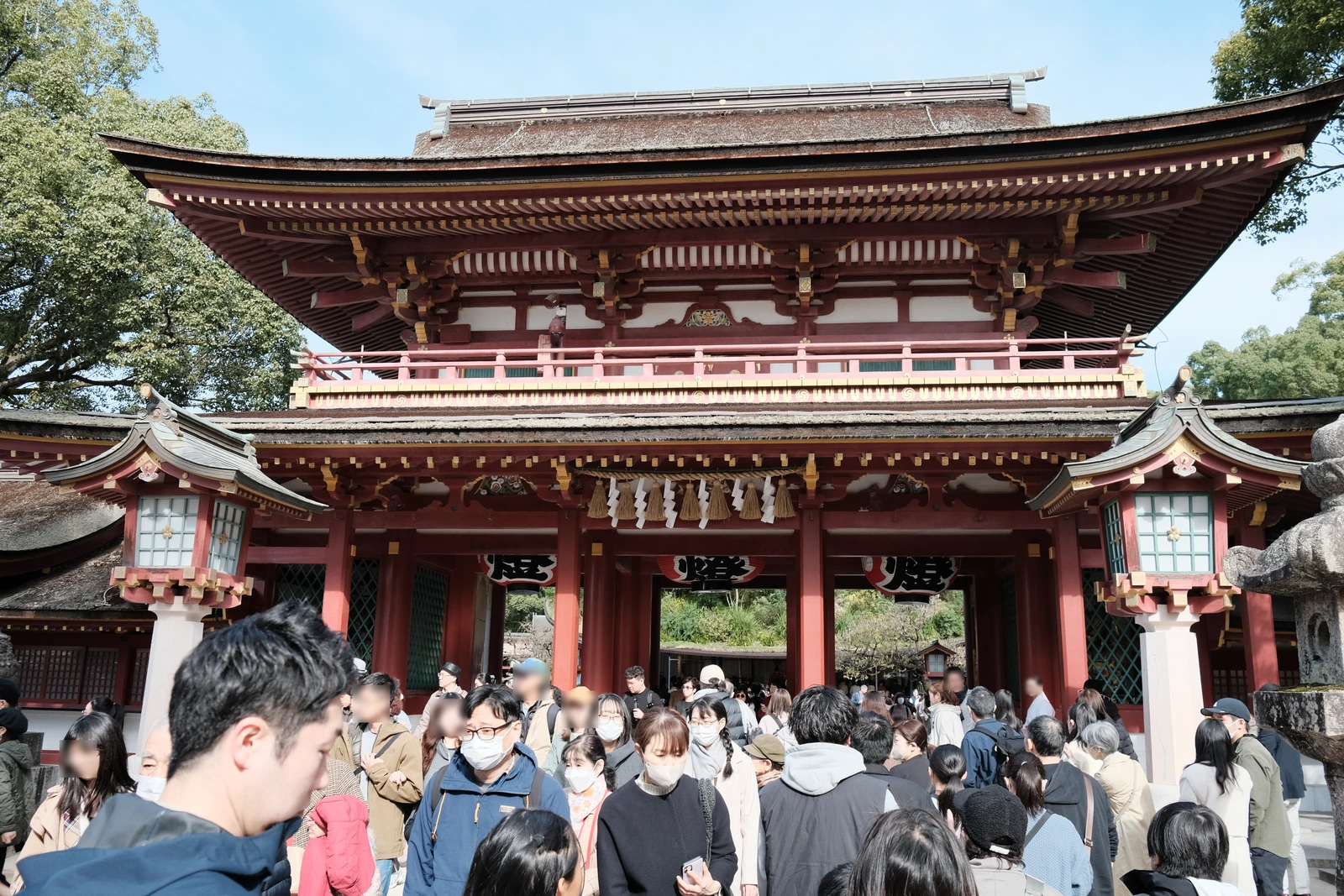
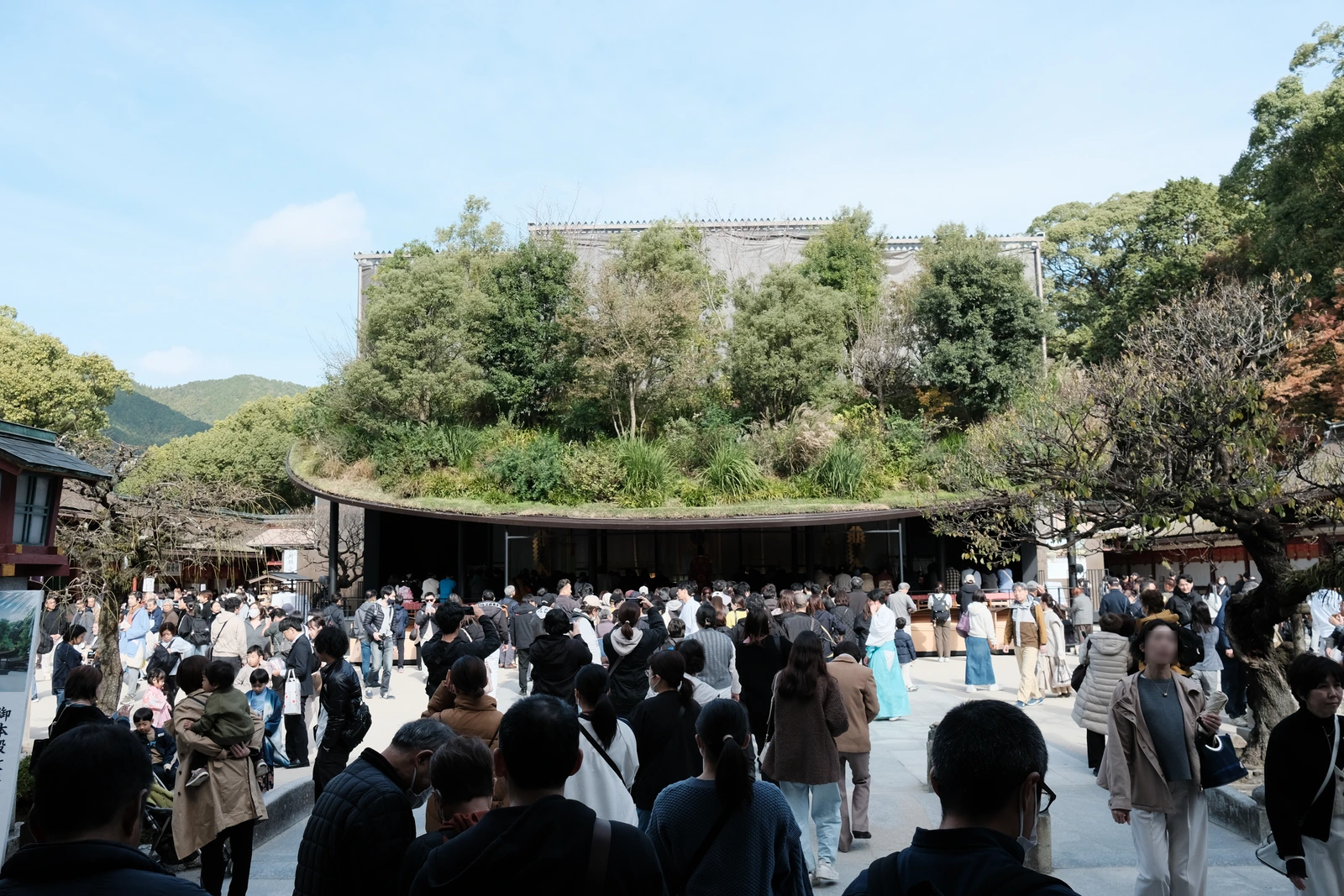
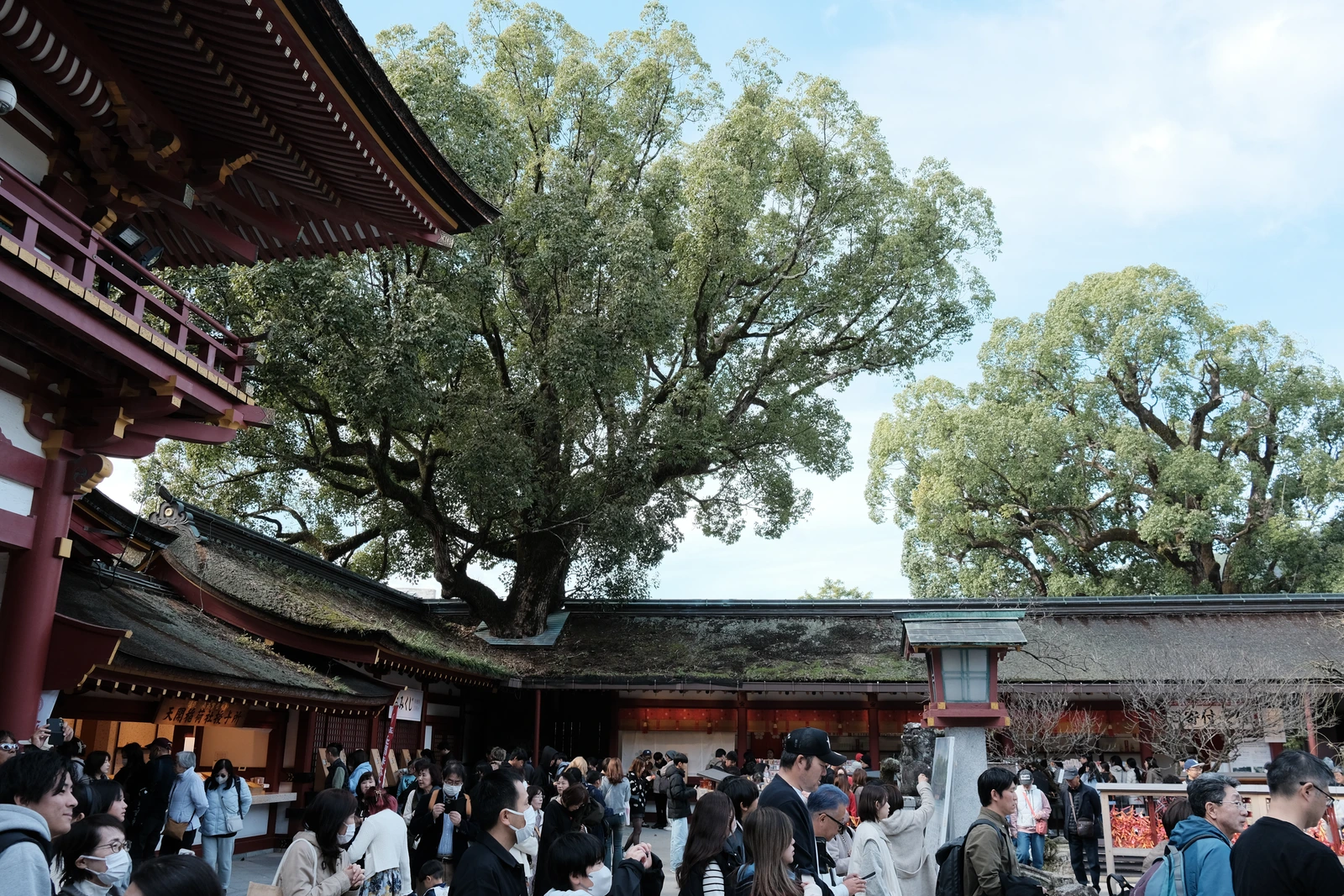
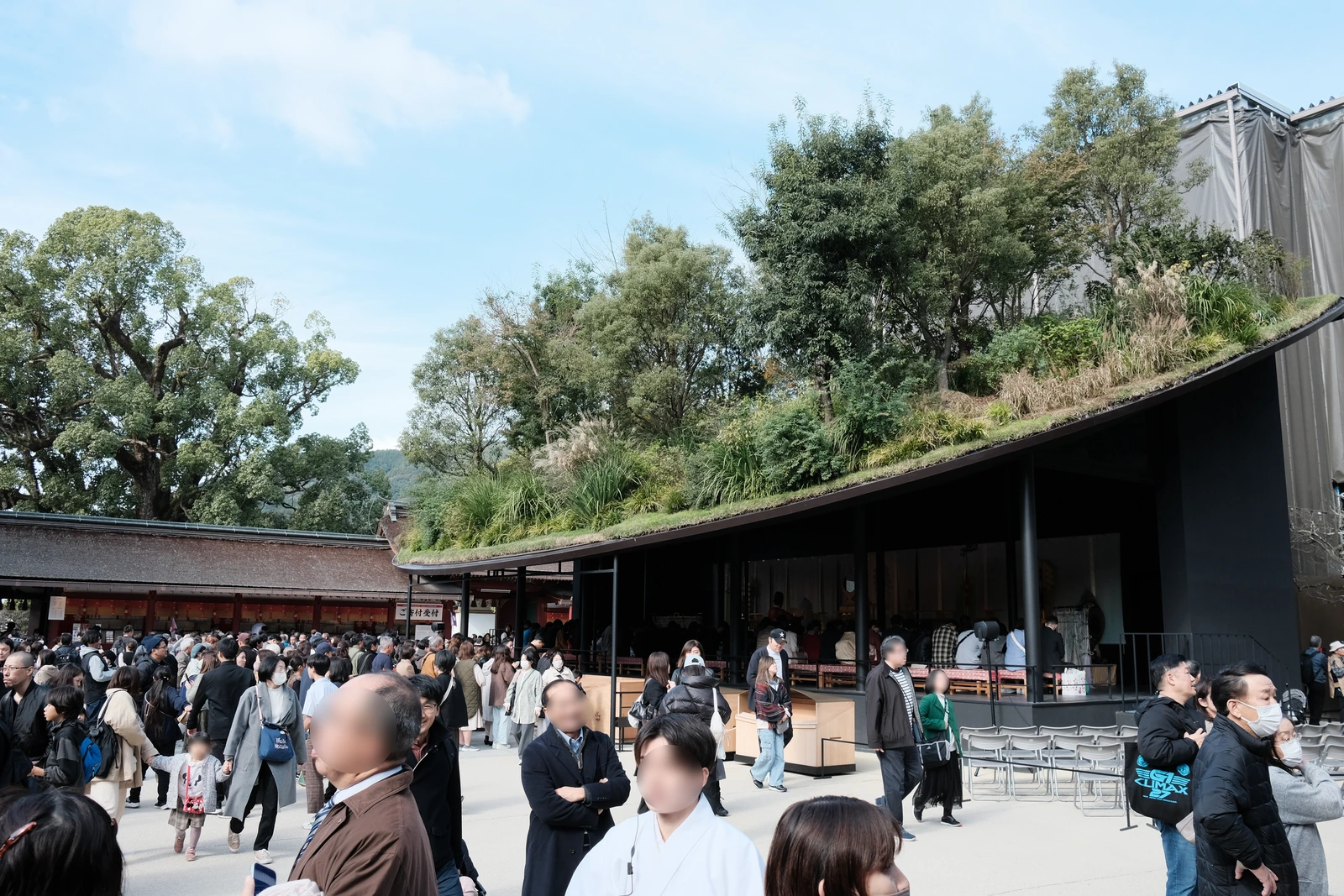
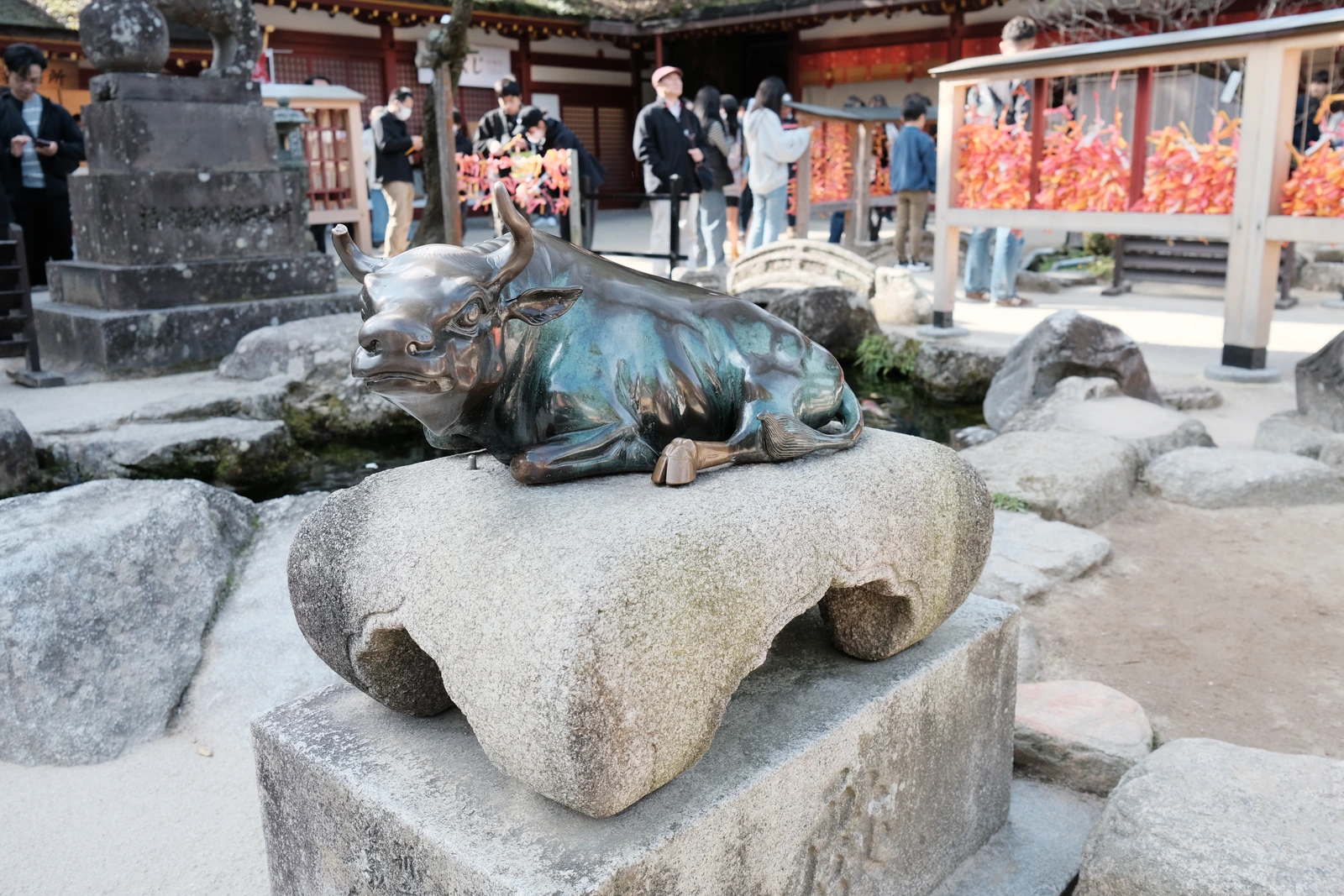
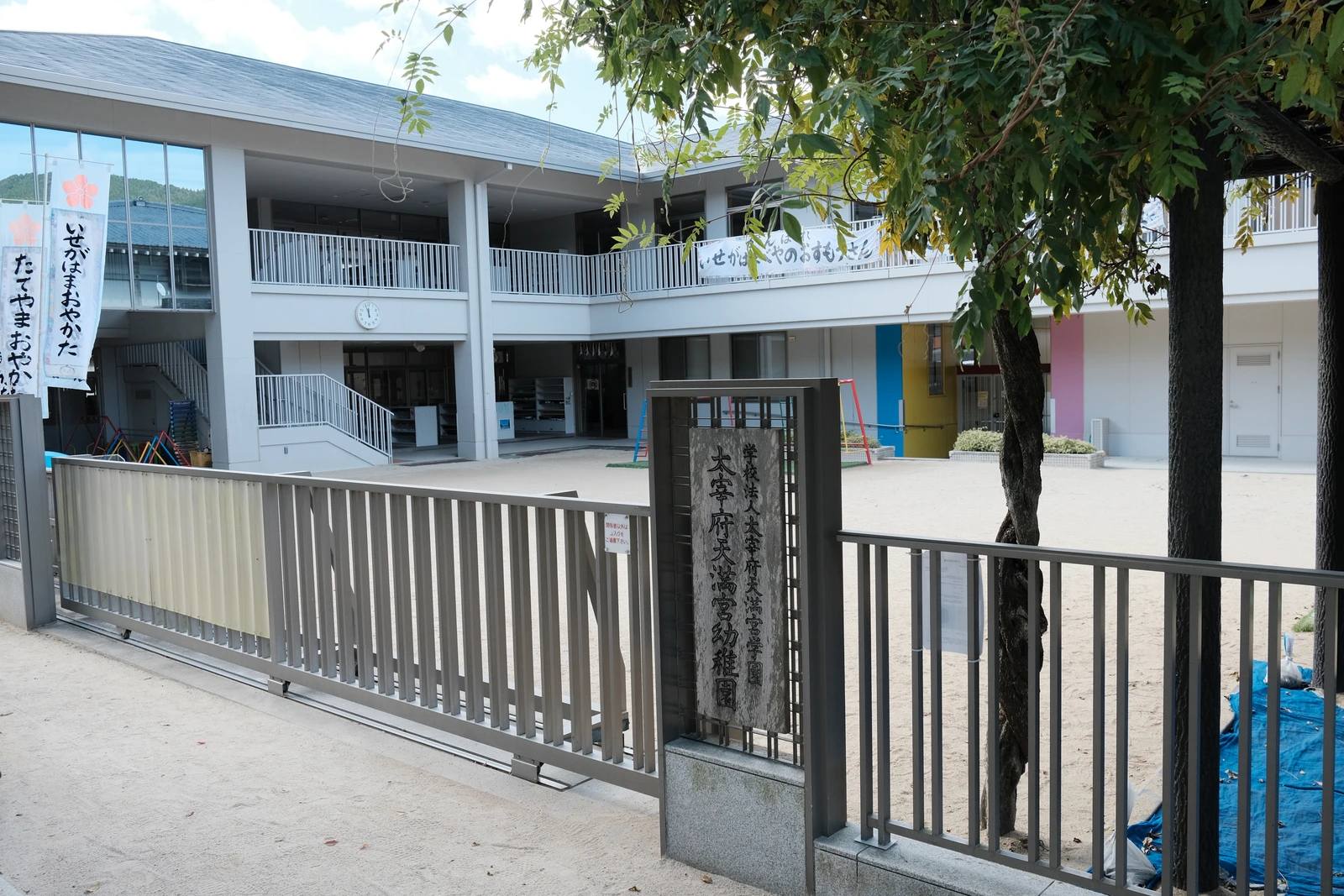
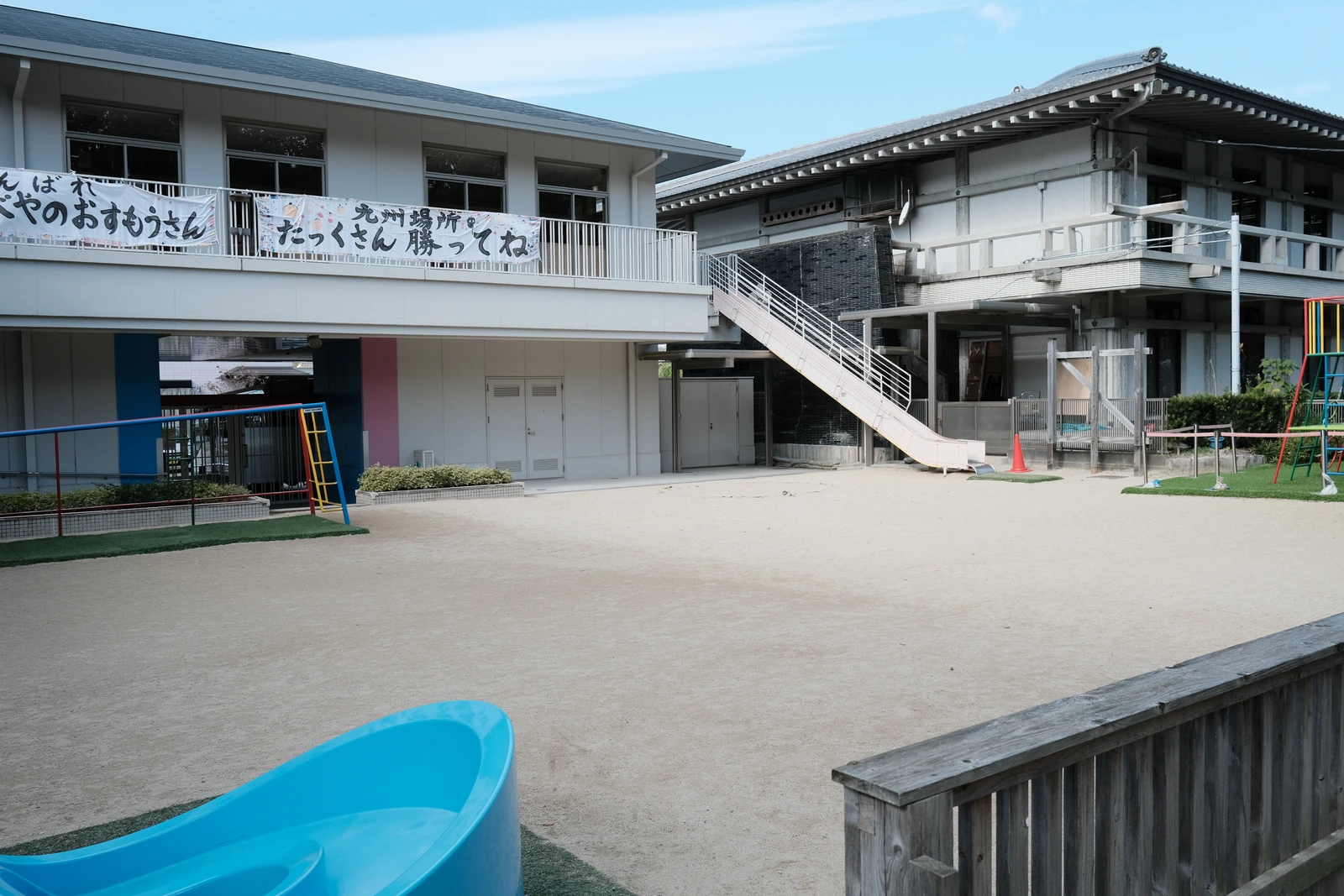
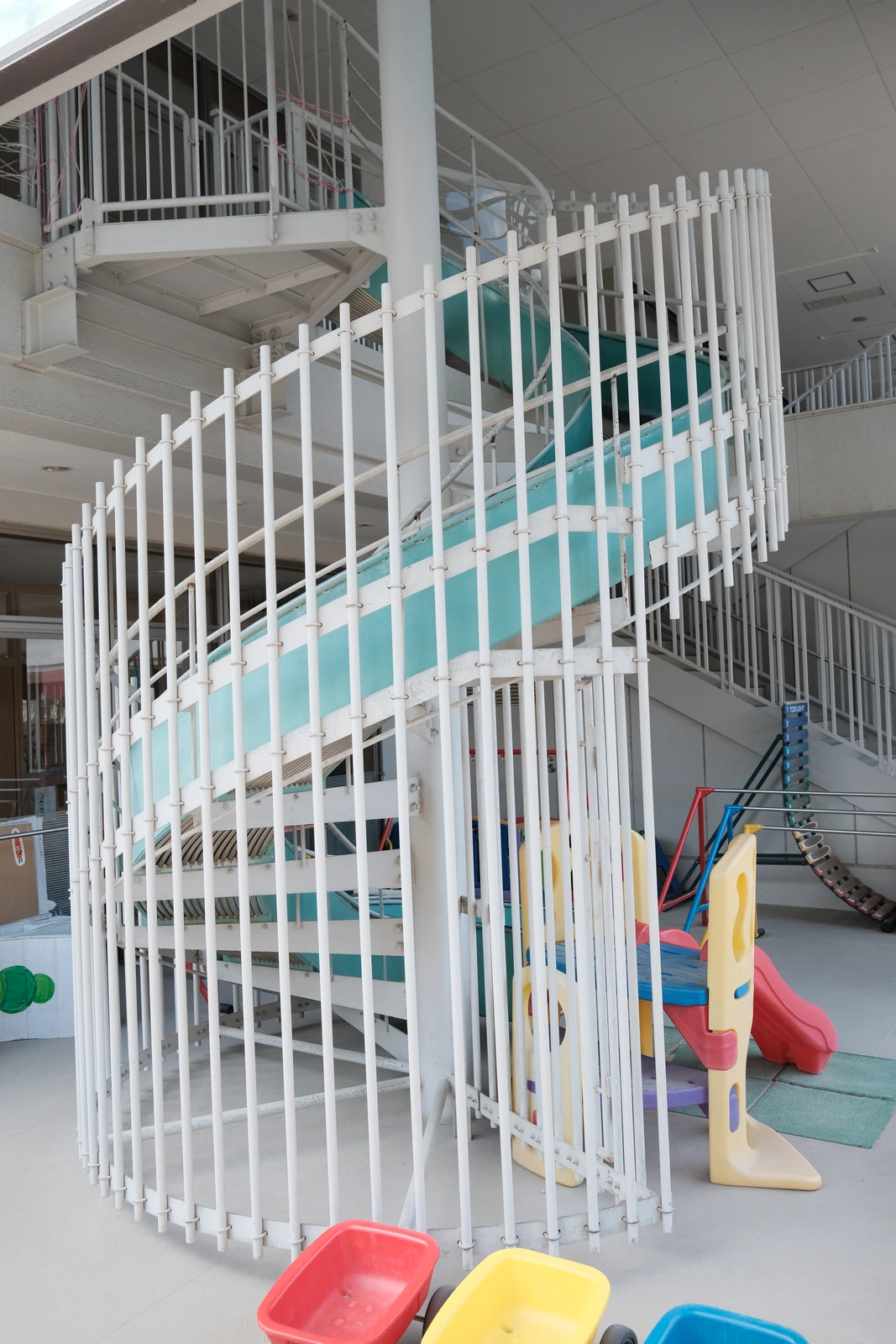
As we were about to leave the shrine grounds, we spotted the Dazaifu Tenmangu Kindergarten. Do the children who go to school here receive special favor from the god of learning?
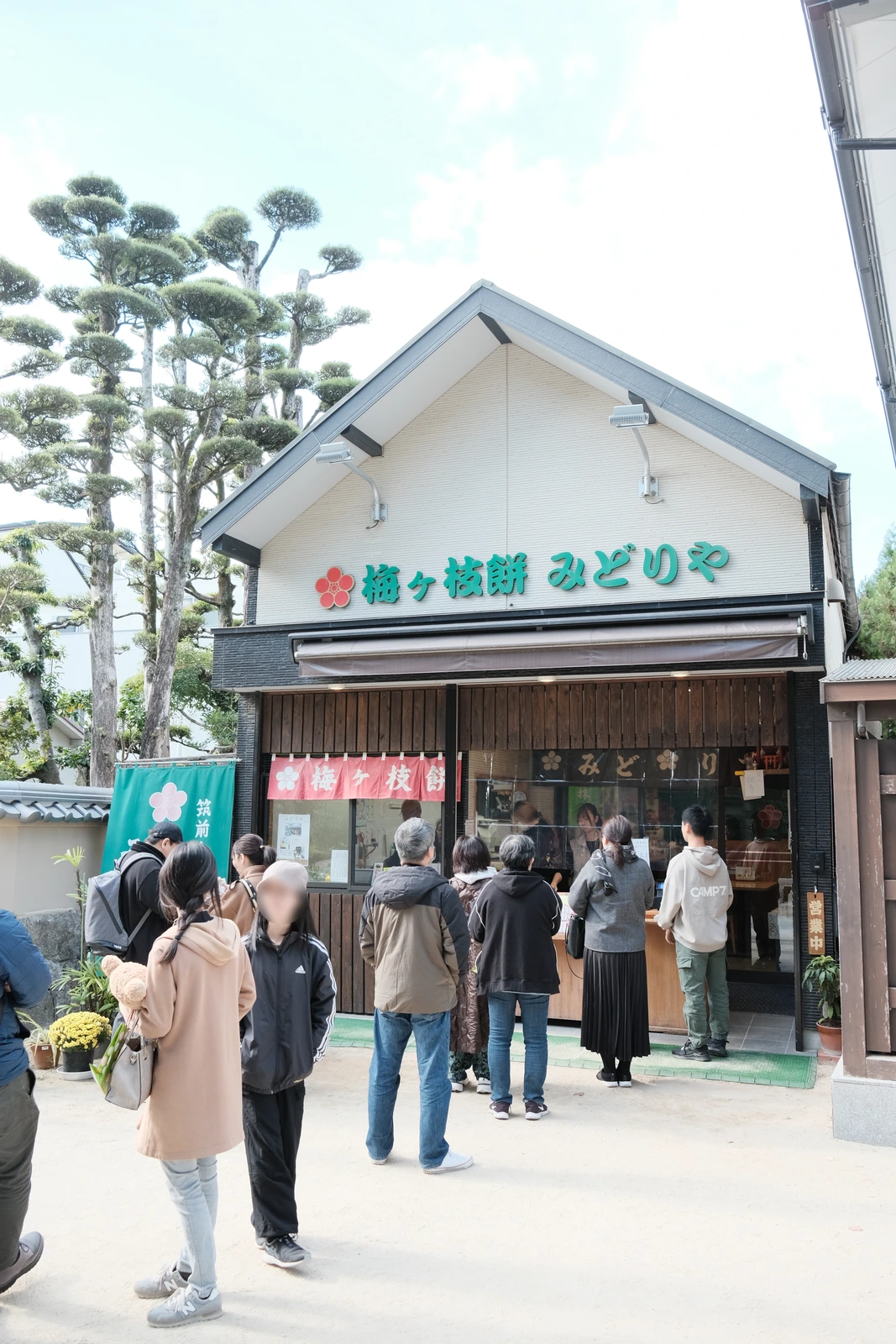
My wife bought the Tenmangu specialty, umegae mochi—tasty, though with no plum flavor; inside it’s red bean, and it’s delicious served warm.
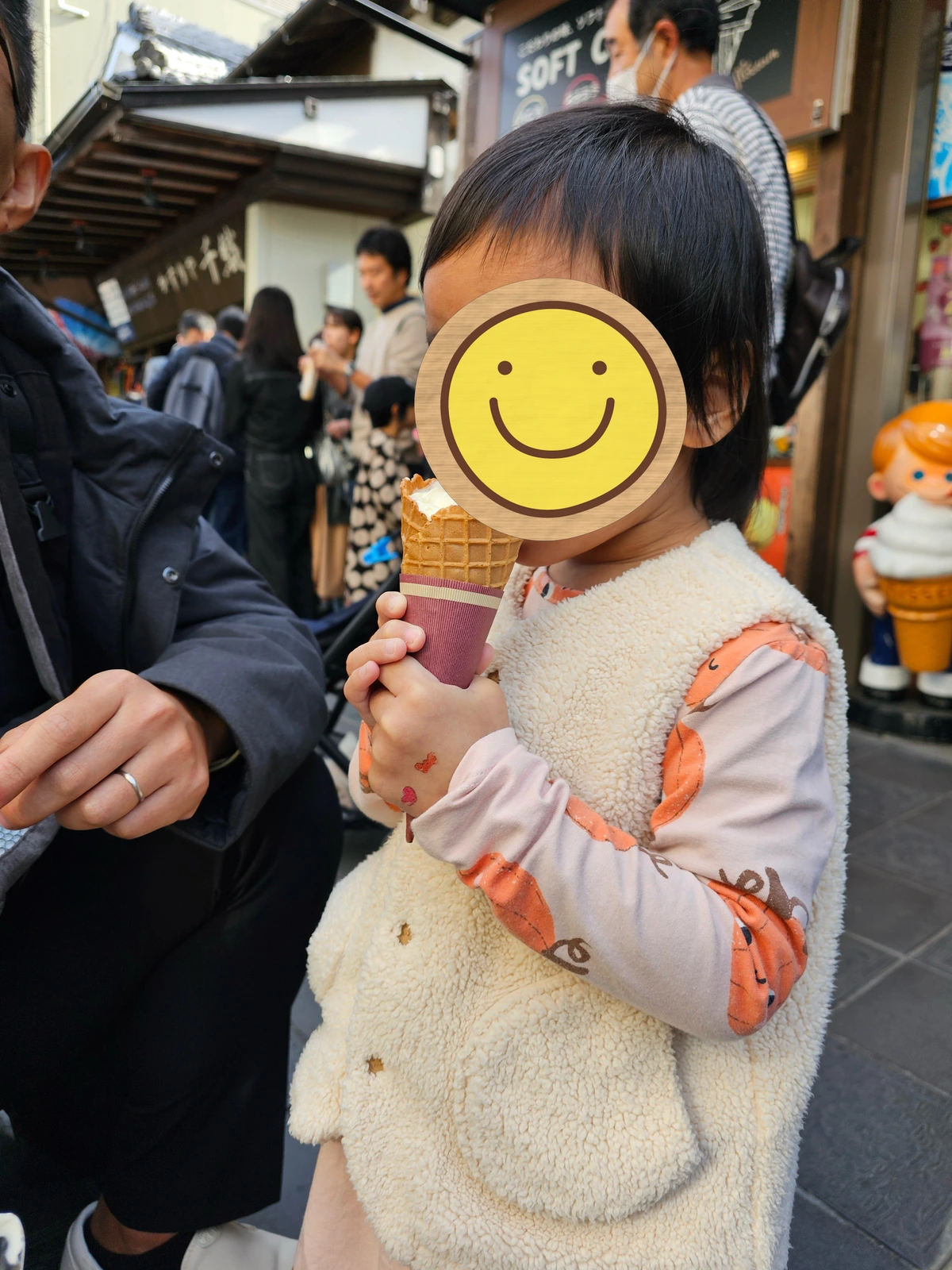
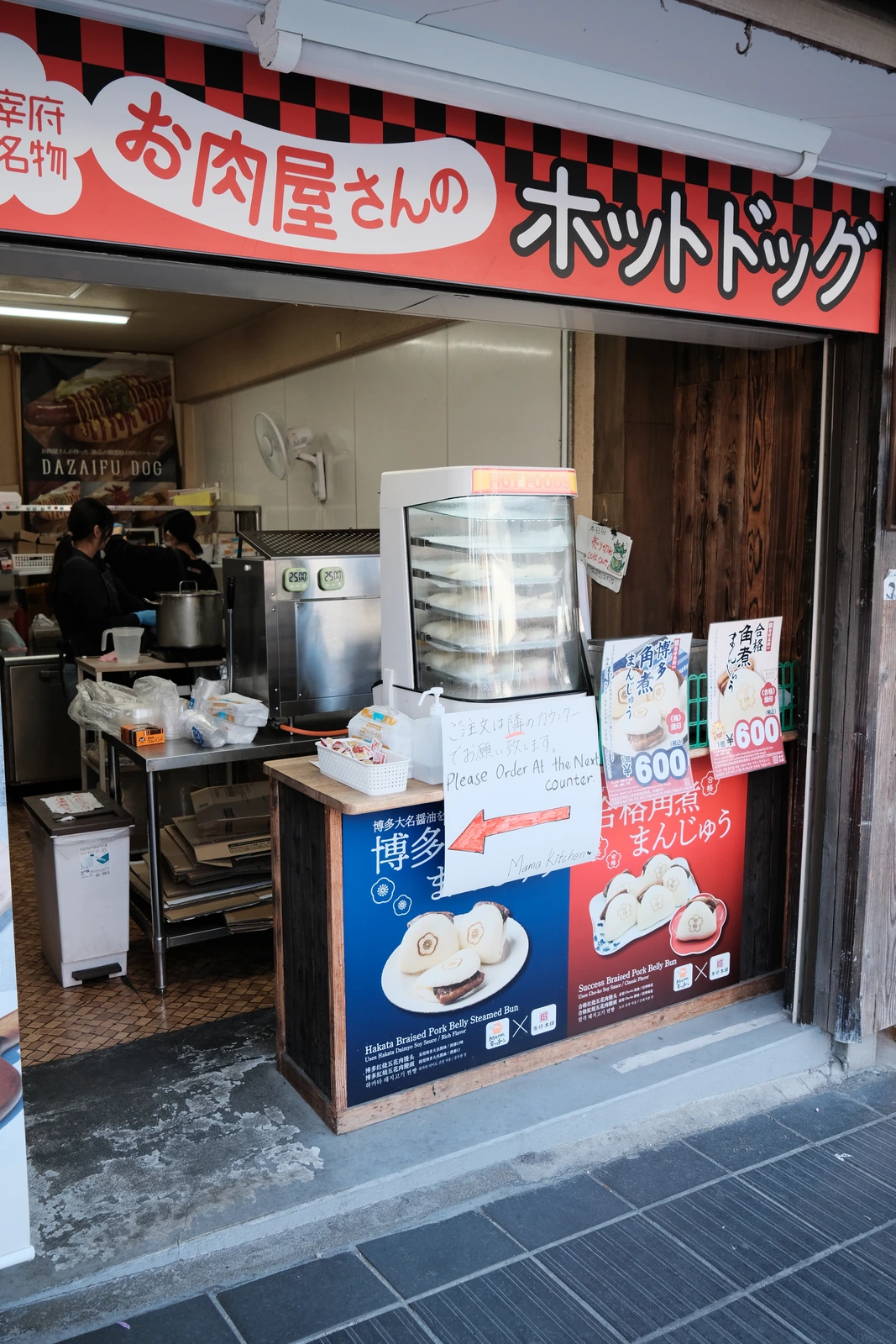
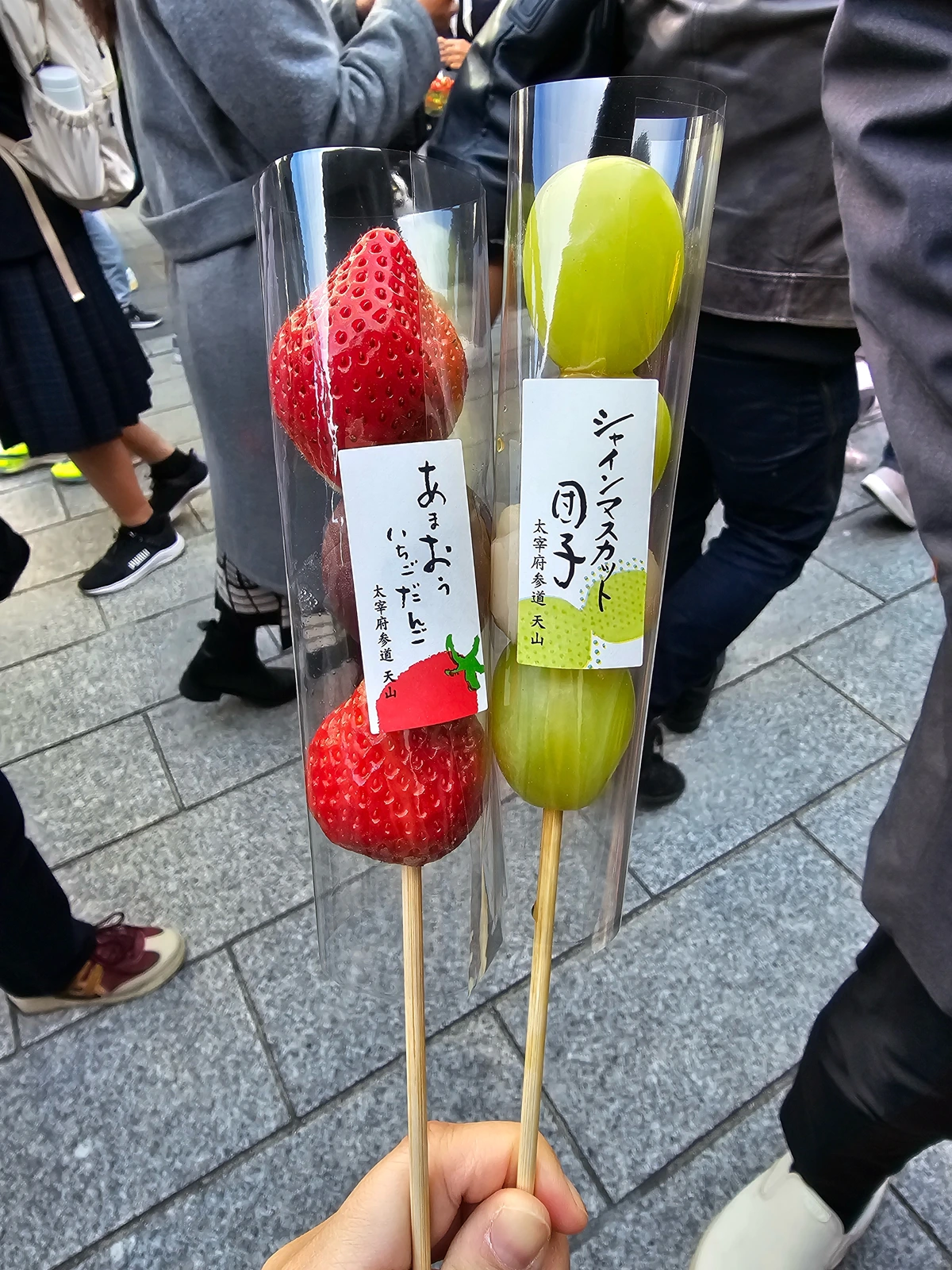
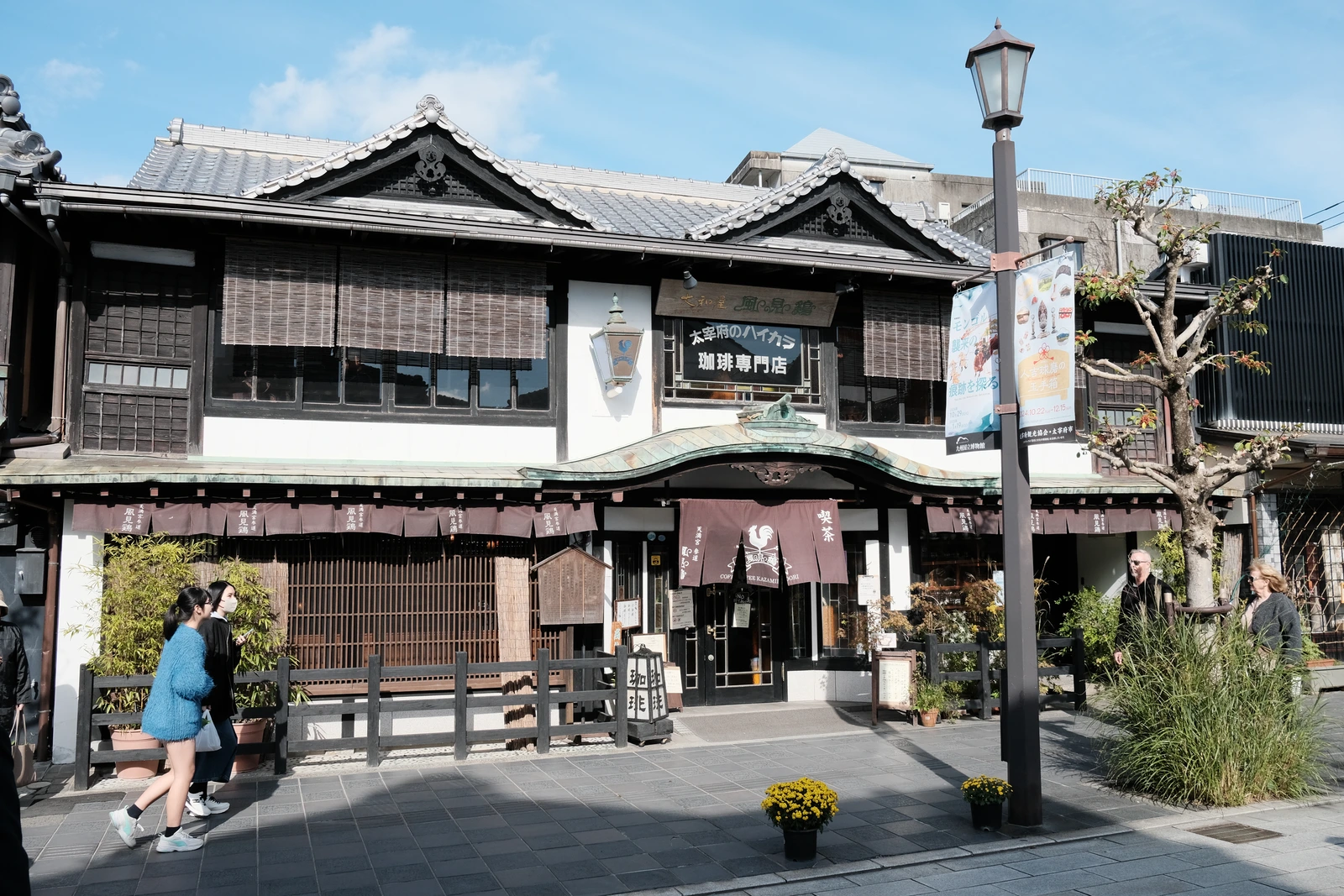
Back on the shopping street, our daughter finally agreed to get down and walk. She had ice cream and fruit dango, and we shopped up a storm—coming away with plenty.
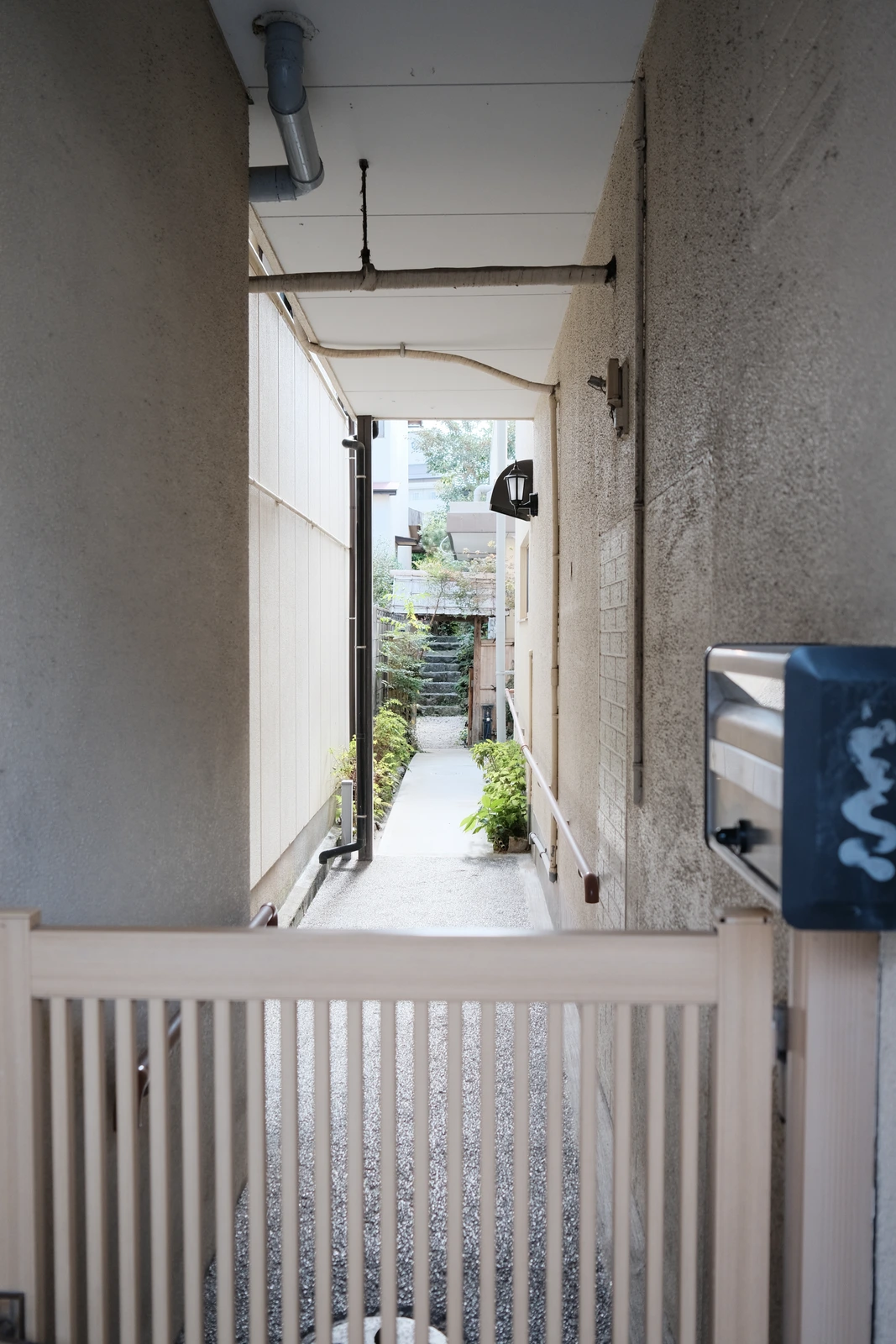
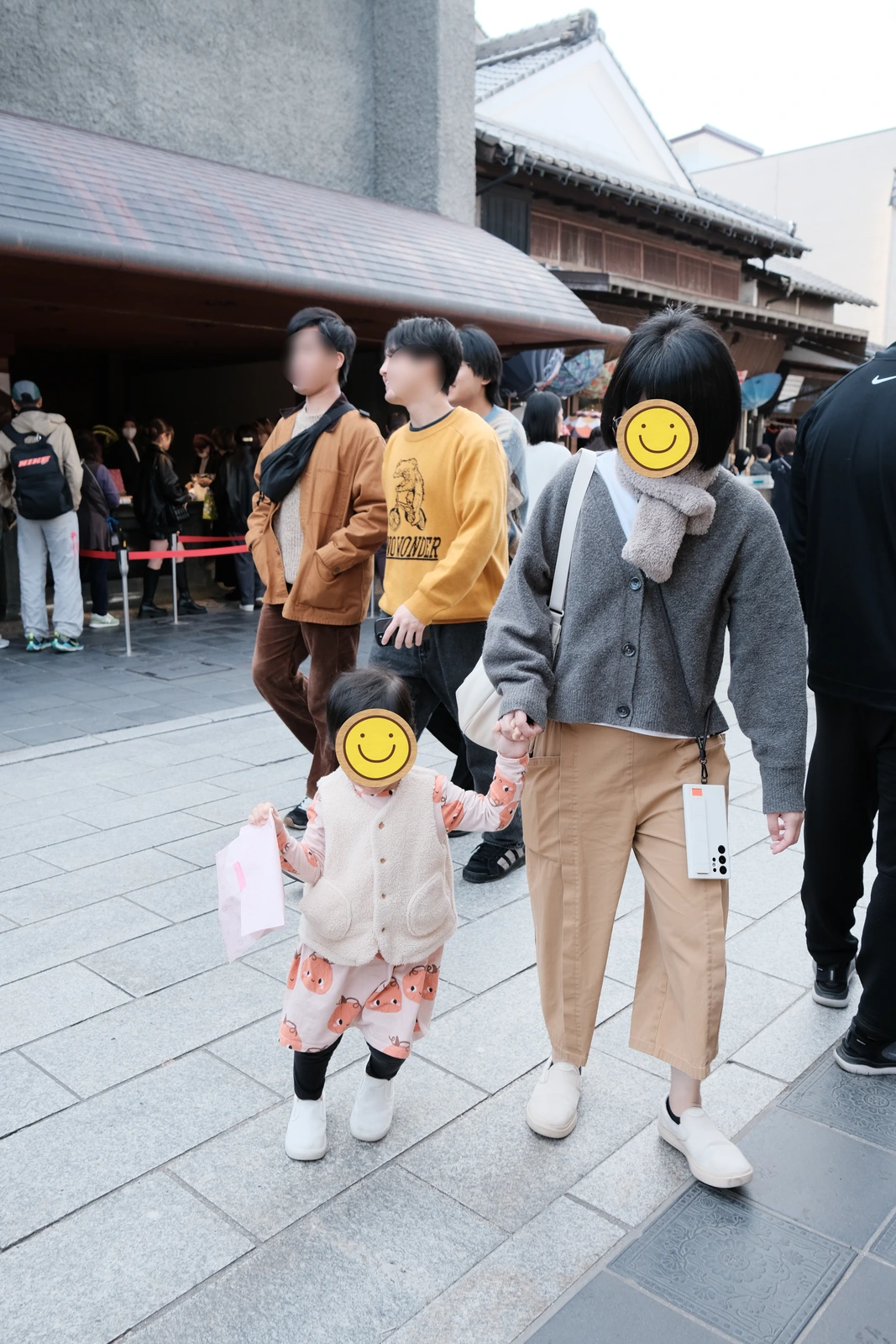
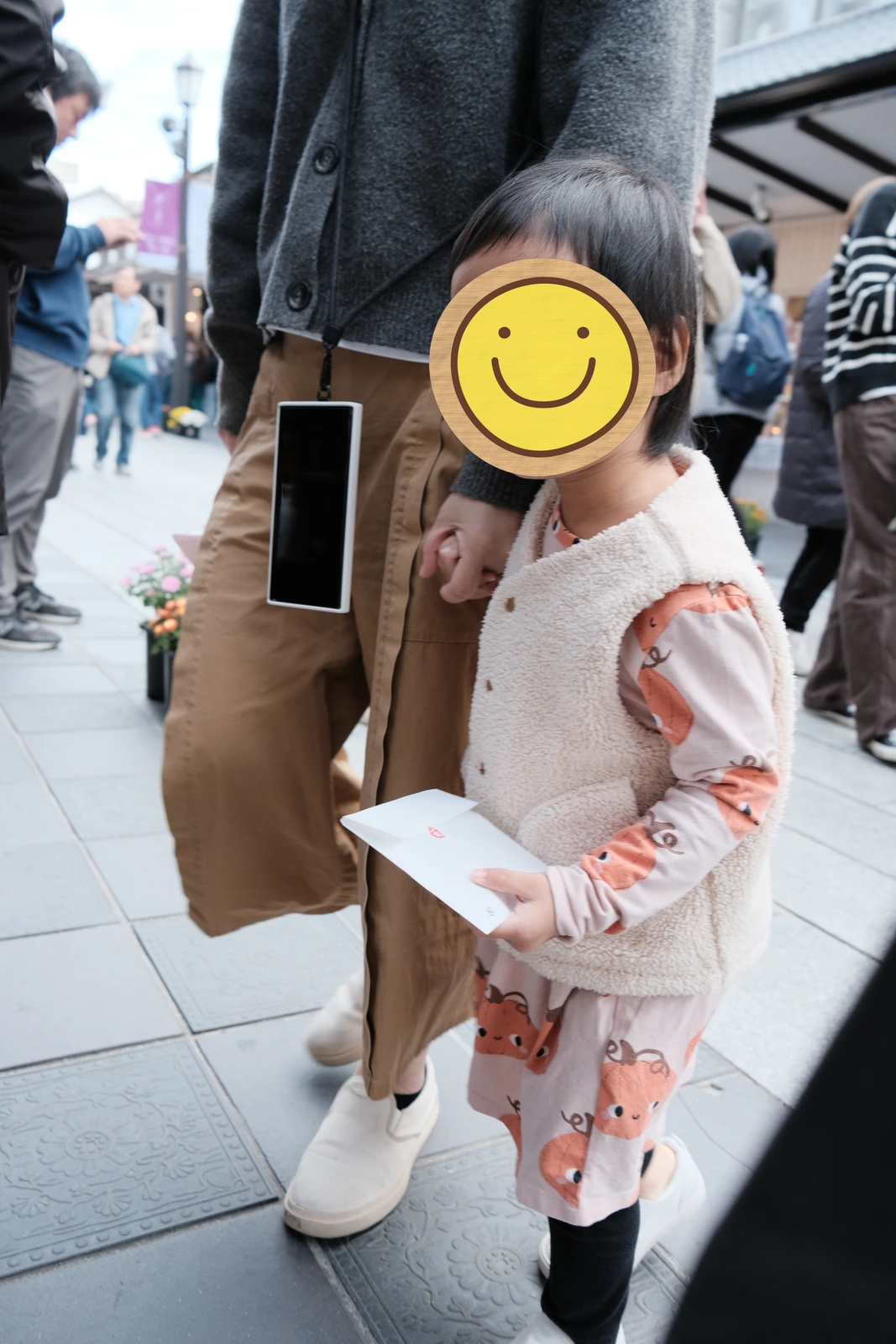
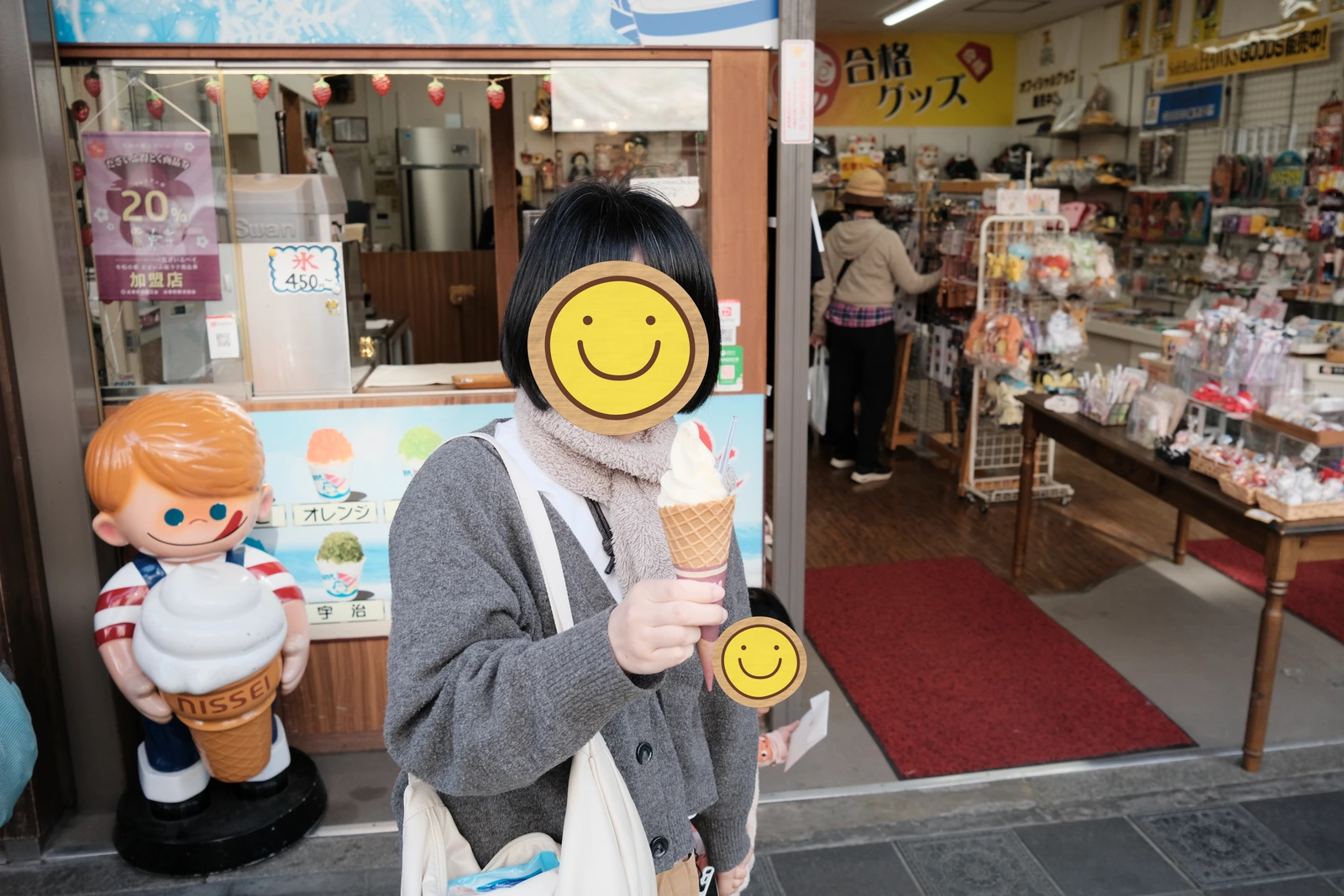
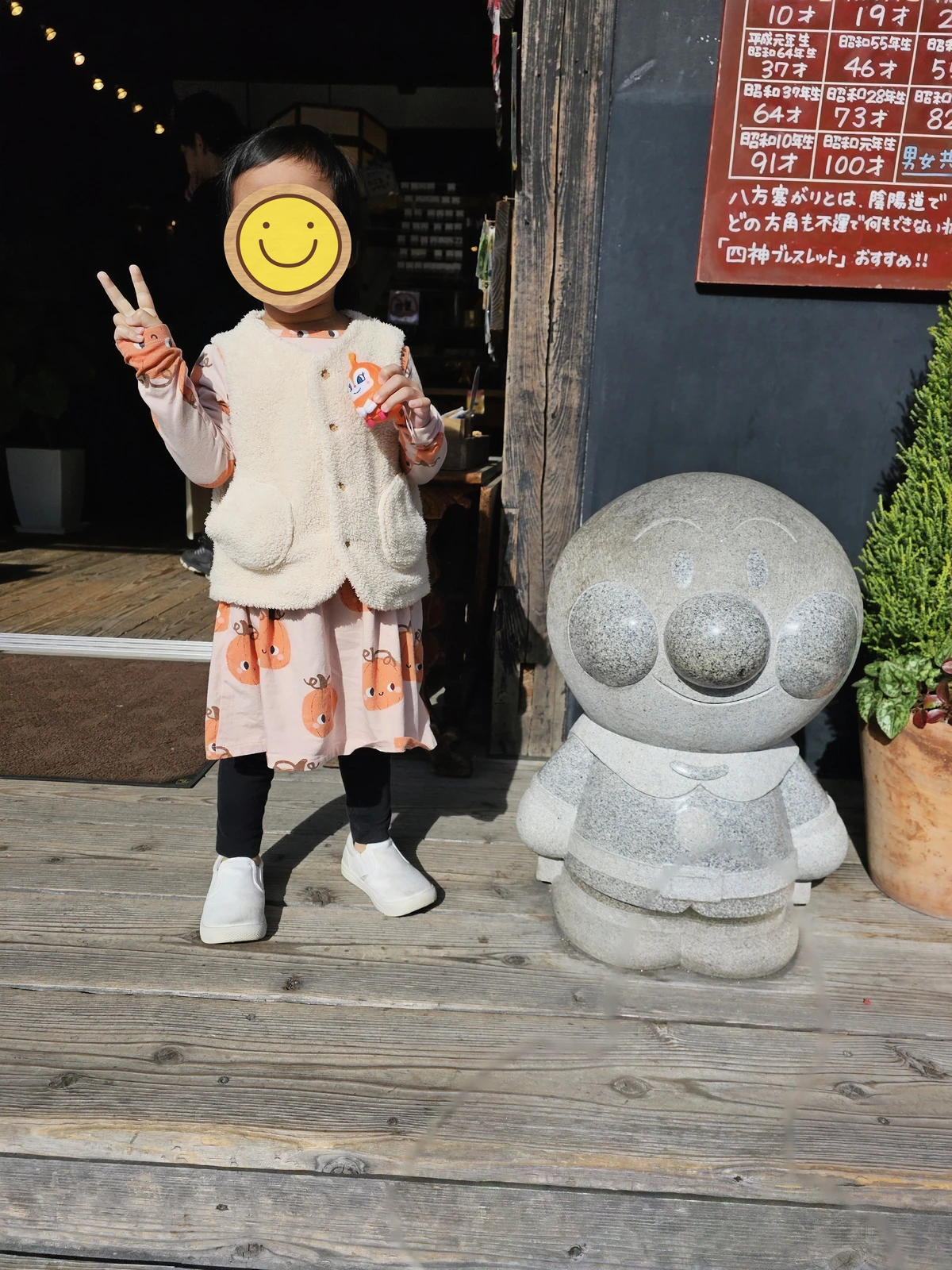
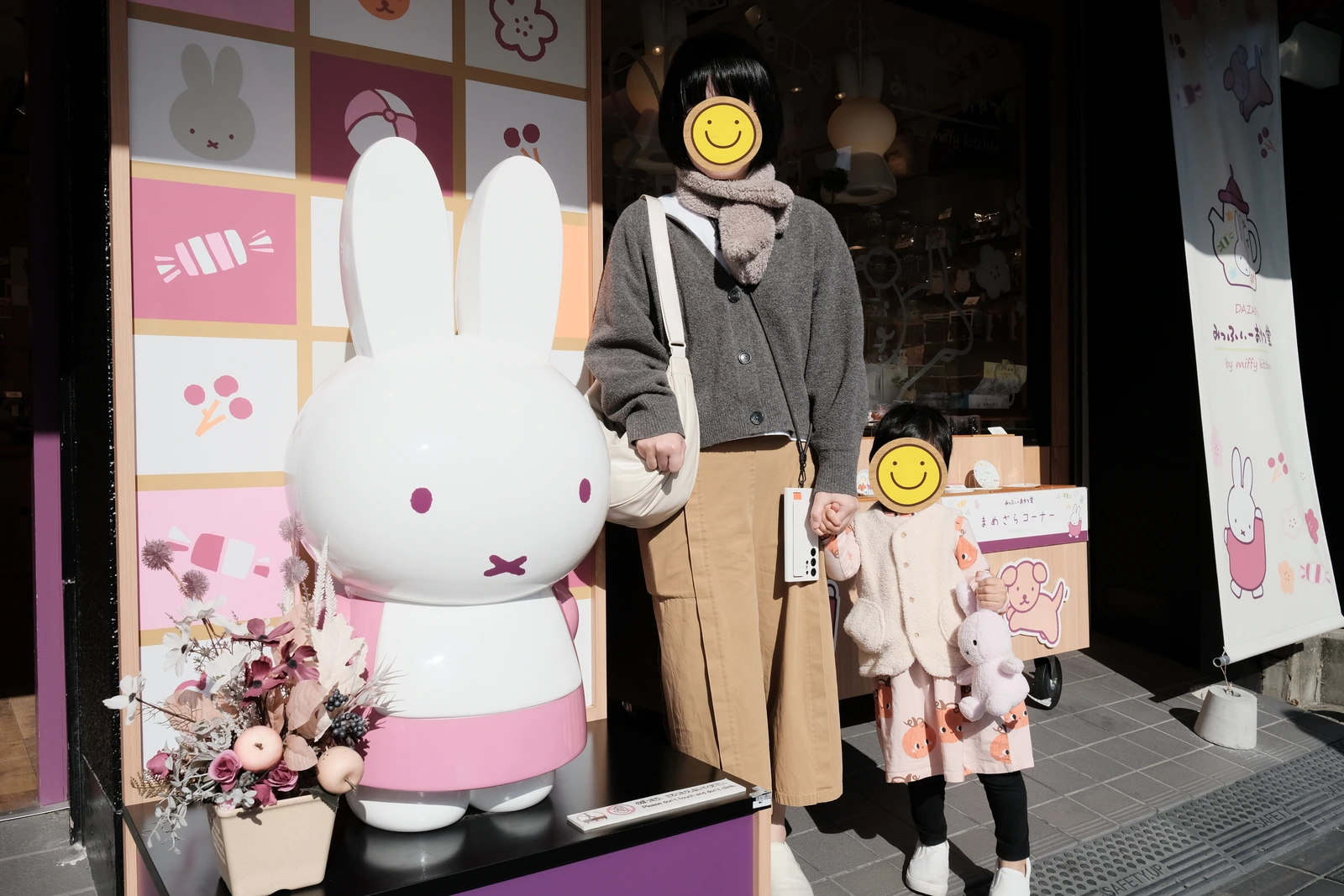
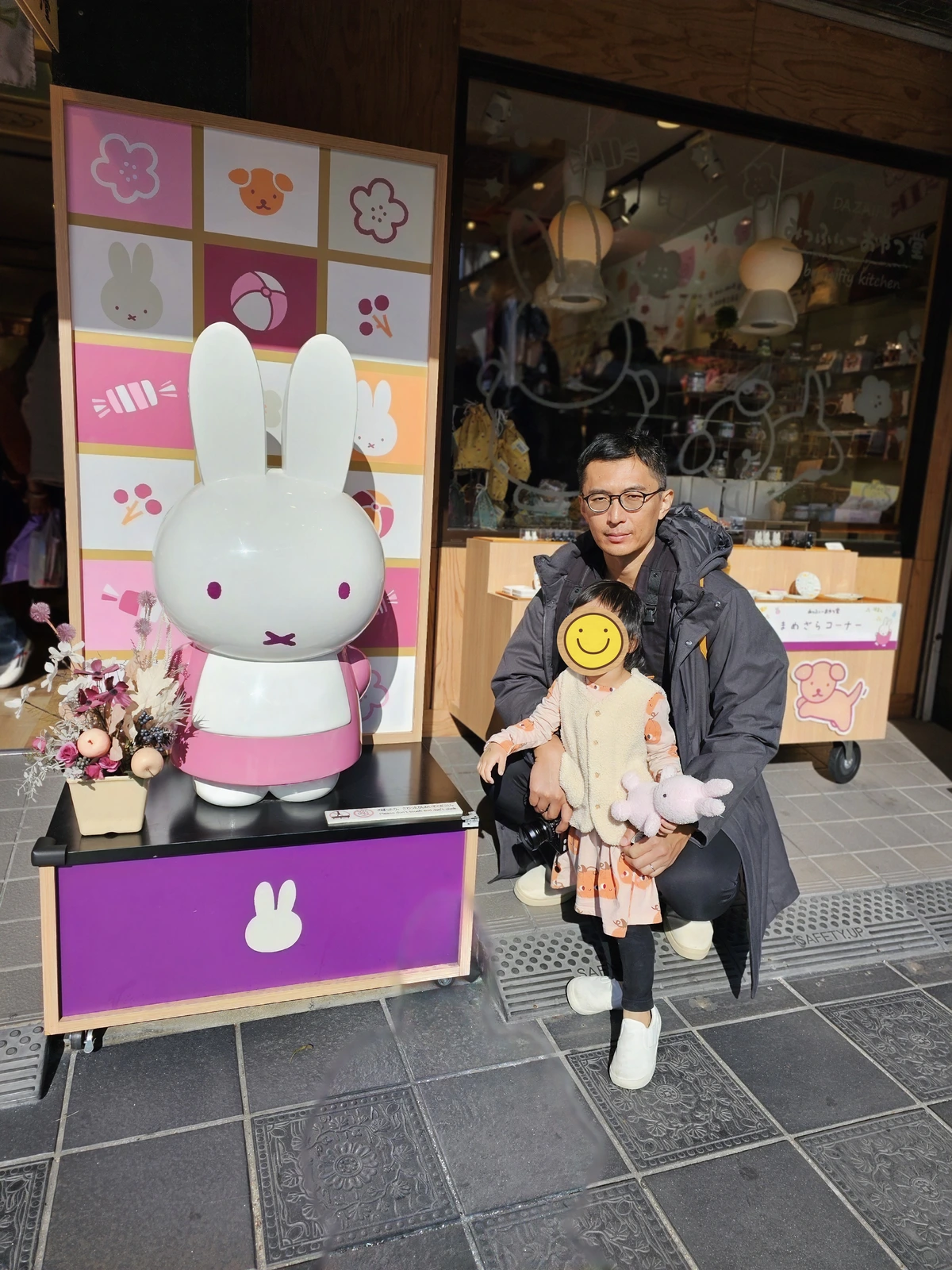
On the way back she again wanted to be carried and wouldn’t get down. This time it wasn’t a direct train, so we had to change at Futsukaichi.
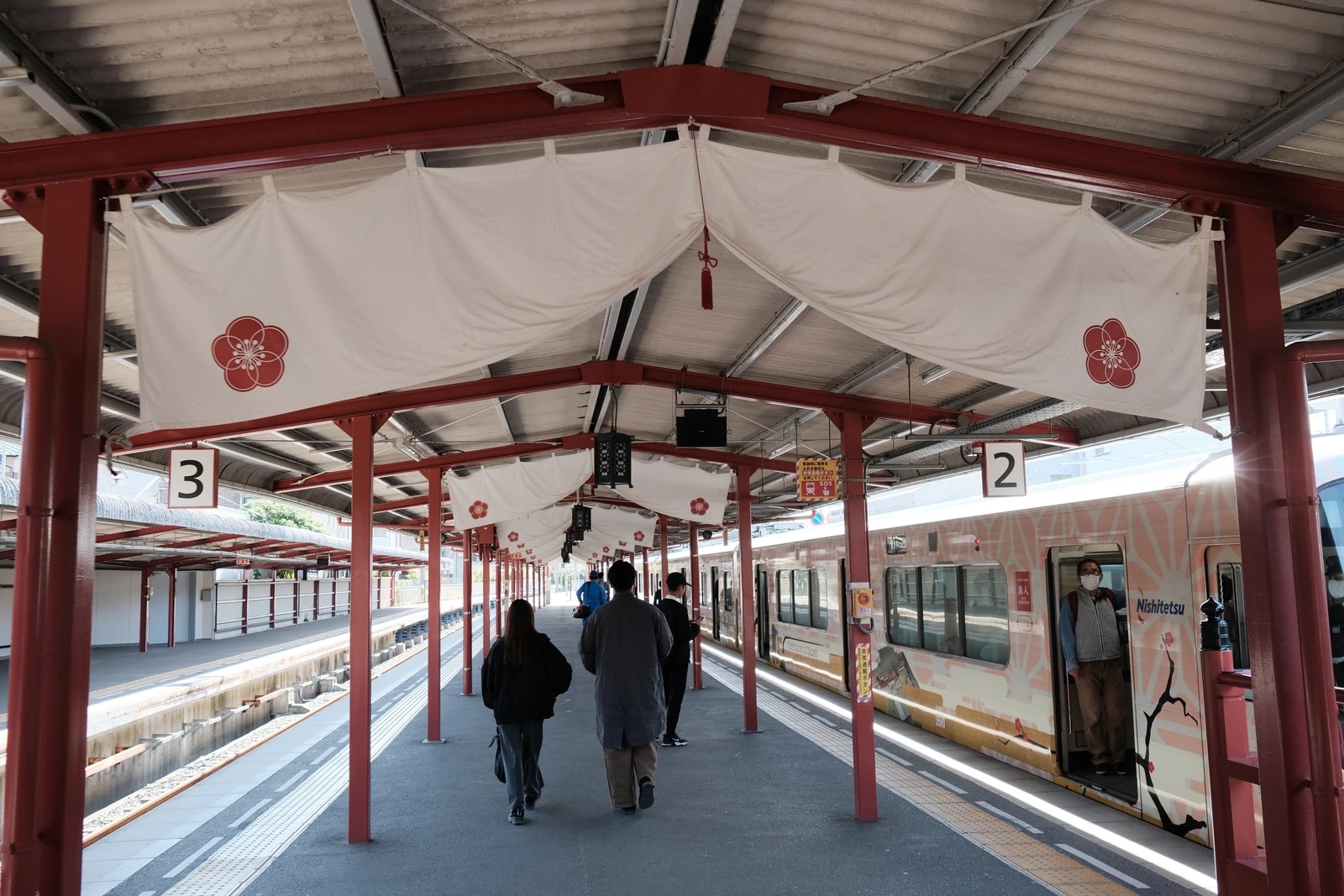
Back in Tenjin, we planned to walk to the hotel—it was only one stop away, after all. Seeing a LOFT nearby, we decided to browse first, and that browse turned into two hours. Our daughter bought lots of things again, including a vanity case and plenty of stickers.
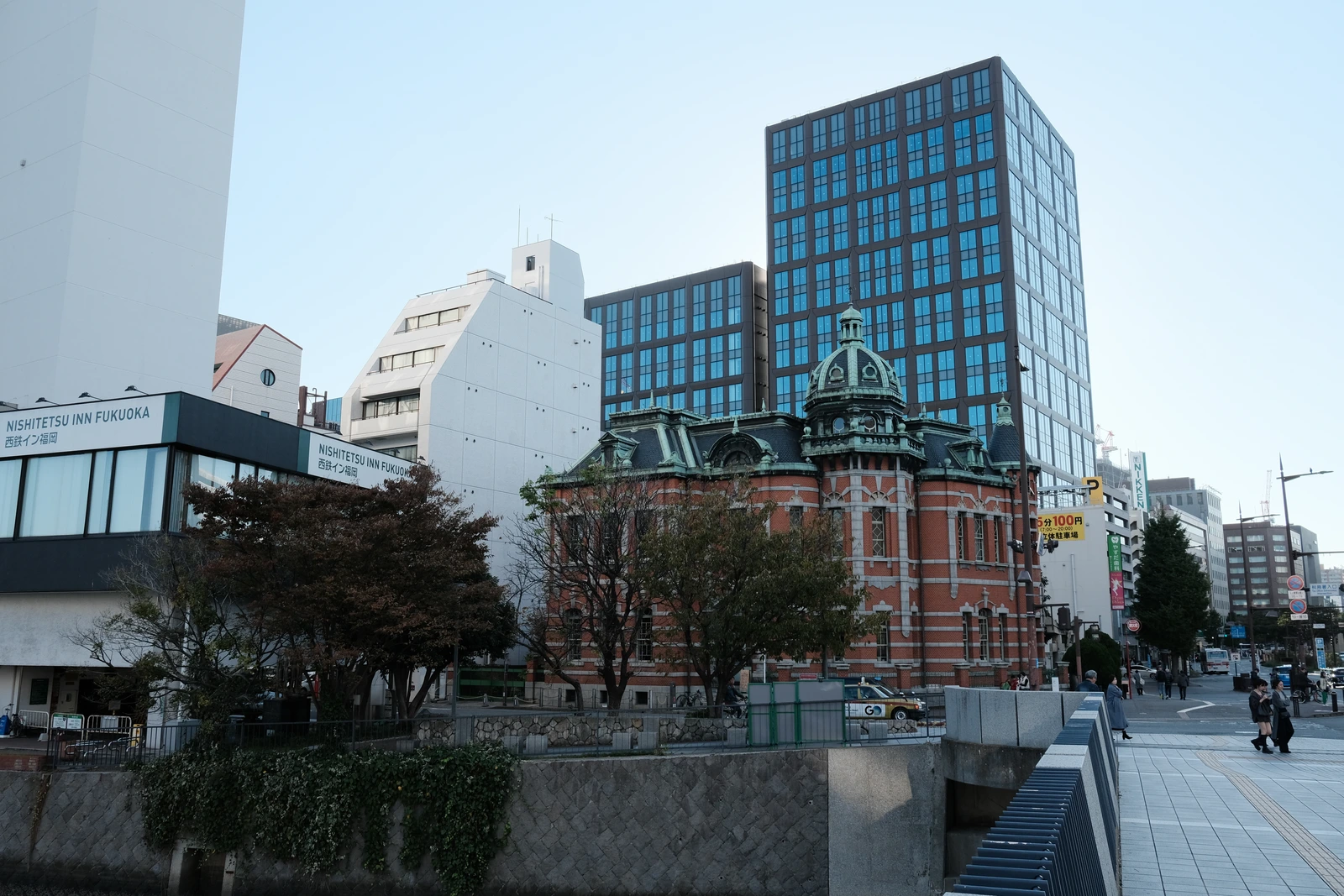
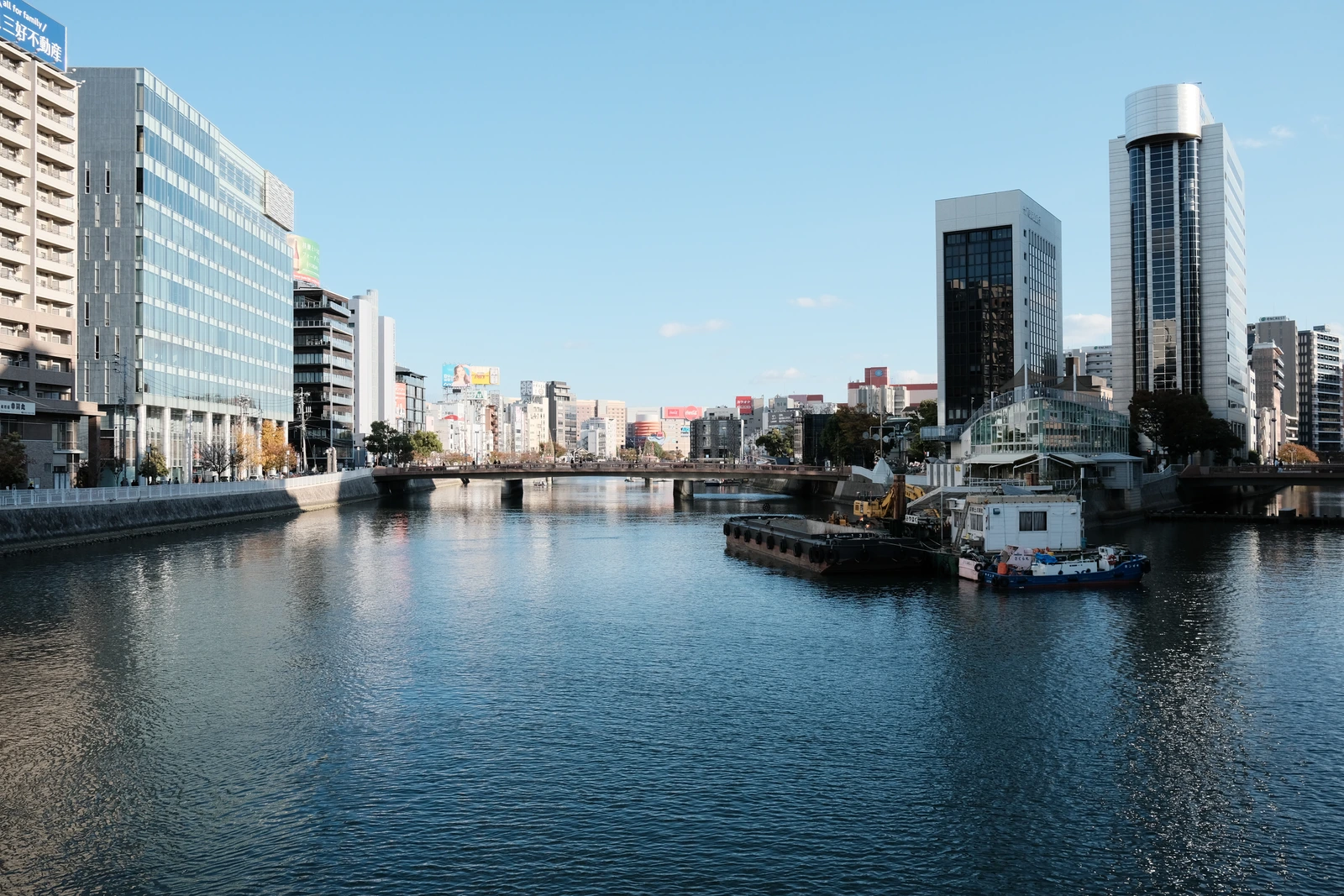
The walk from Tenjin back to the hotel was lovely; the sidewalks were nice and wide, and the November weather was pleasant. We passed a Lawson and bought the chicken nuggets our daughter had loved last time in Okinawa, but this time she wouldn’t touch them—she was only interested in instant noodles. Kids really are so much trouble. Around five, when it was quiet, I went up to the public bath on the 13th floor; it was quite nice—small, but lovely.
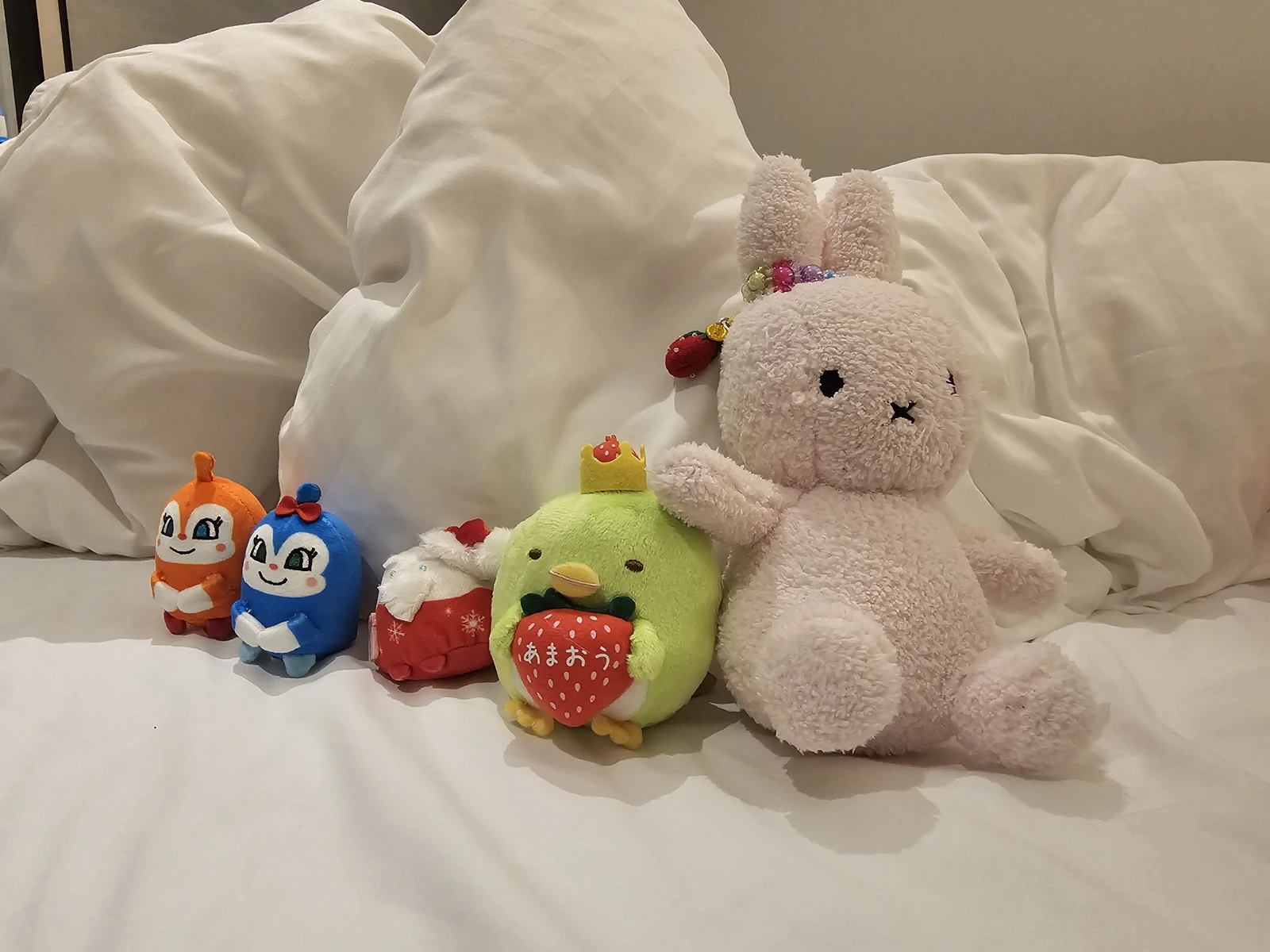
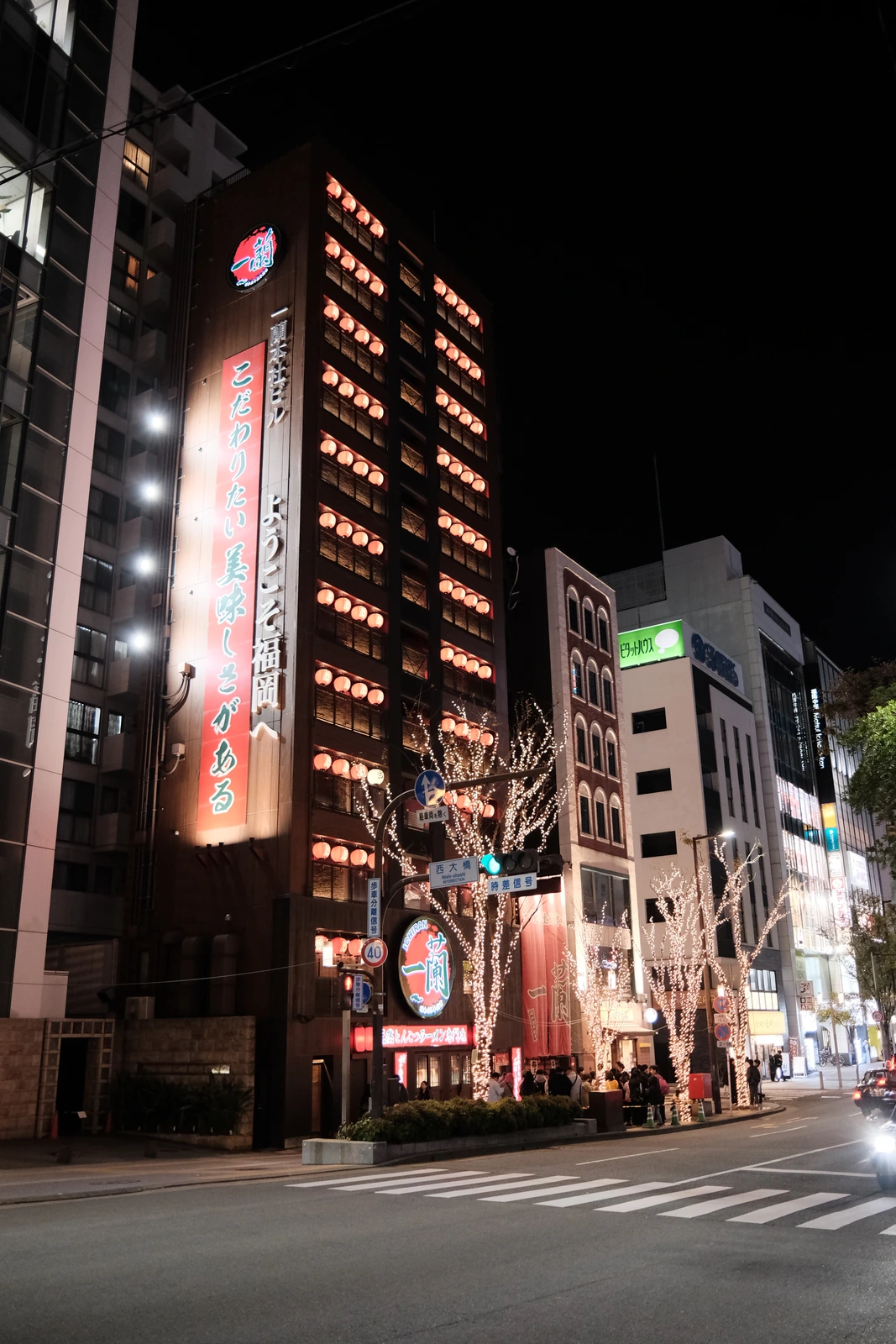
After resting, we went out again that evening to see the Tenjin illuminations. Tenjin Central Park had a “Forest of Light,” and German Christmas markets lined the way, thick with the scent of mulled wine.
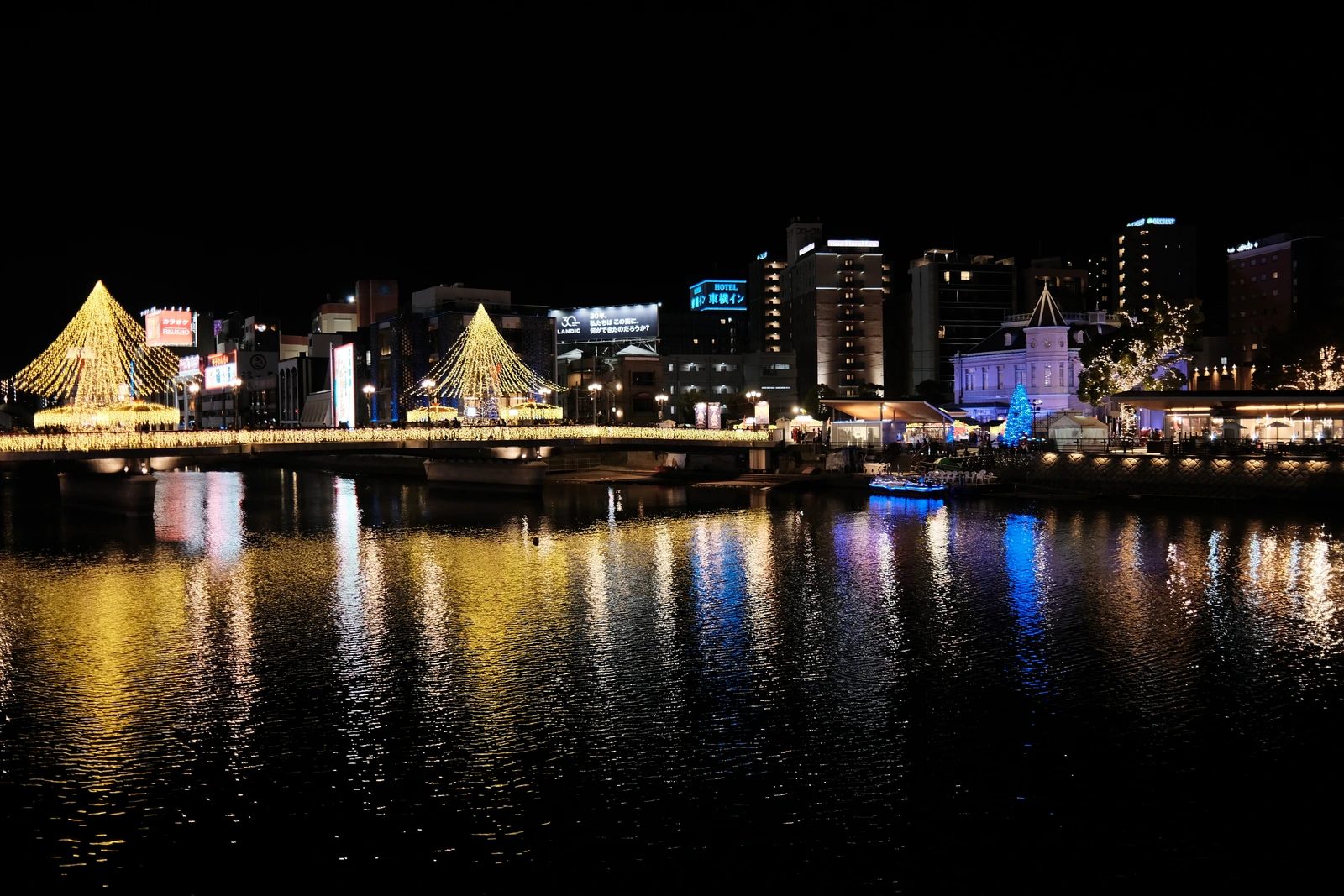
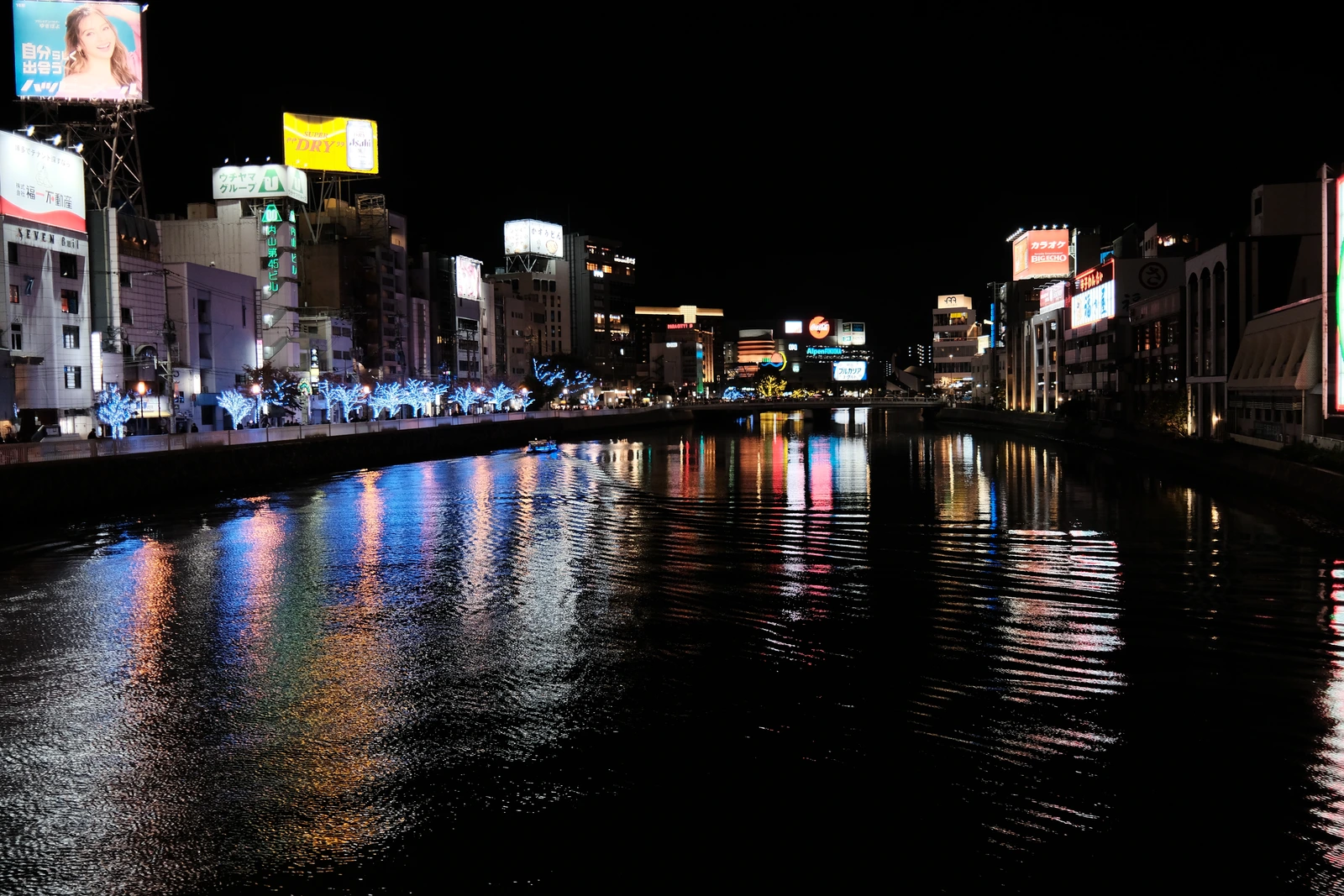
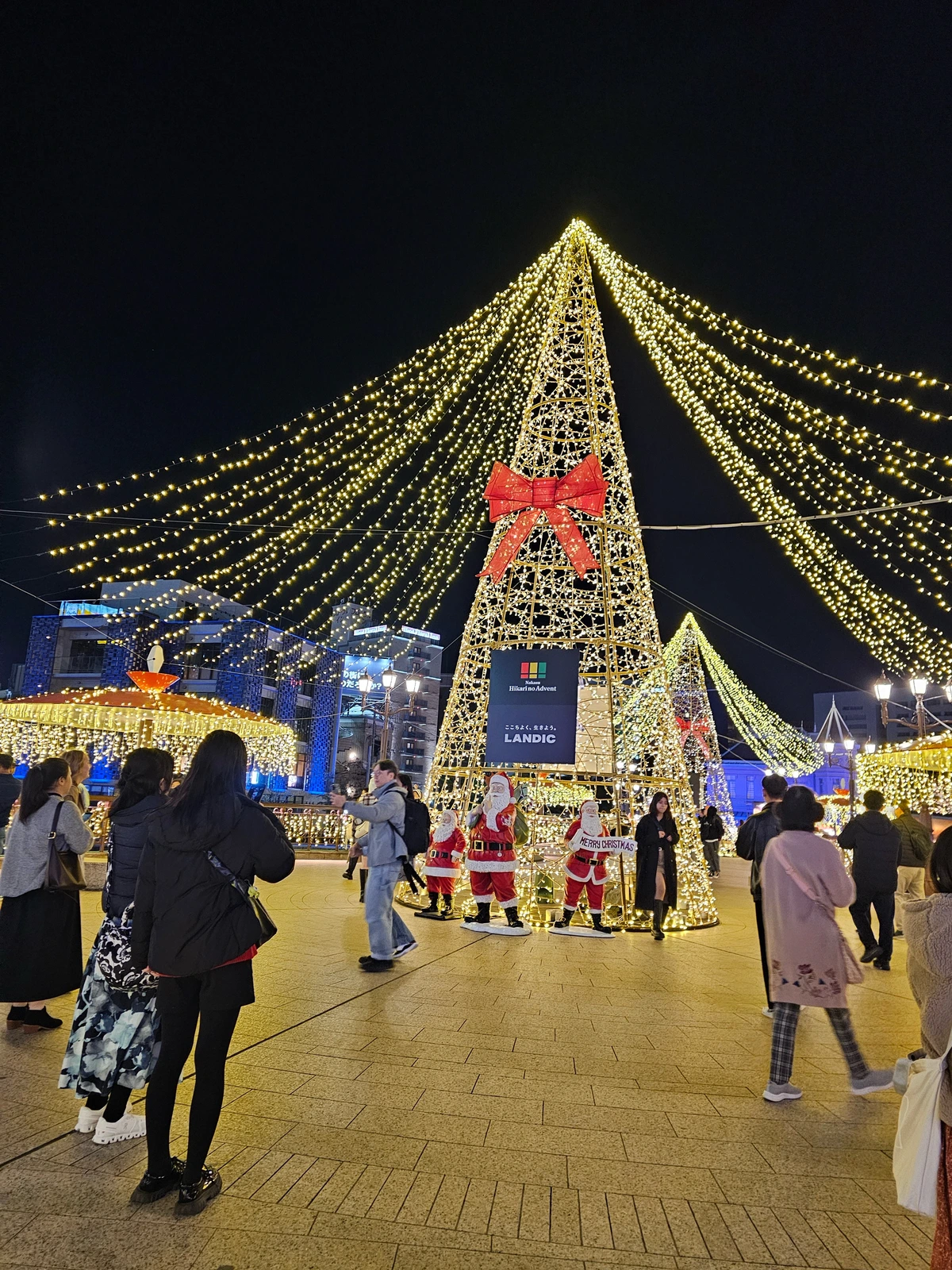
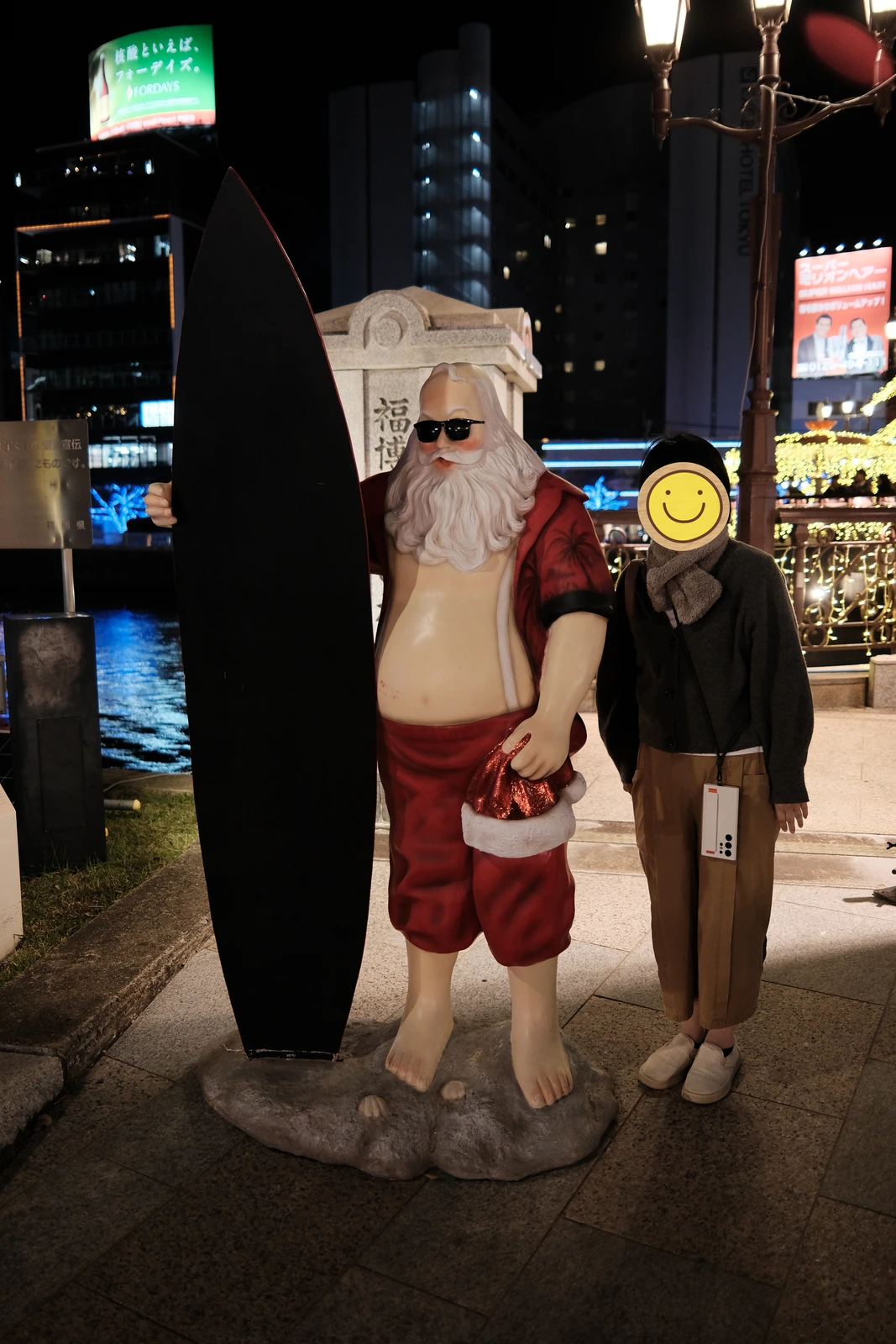
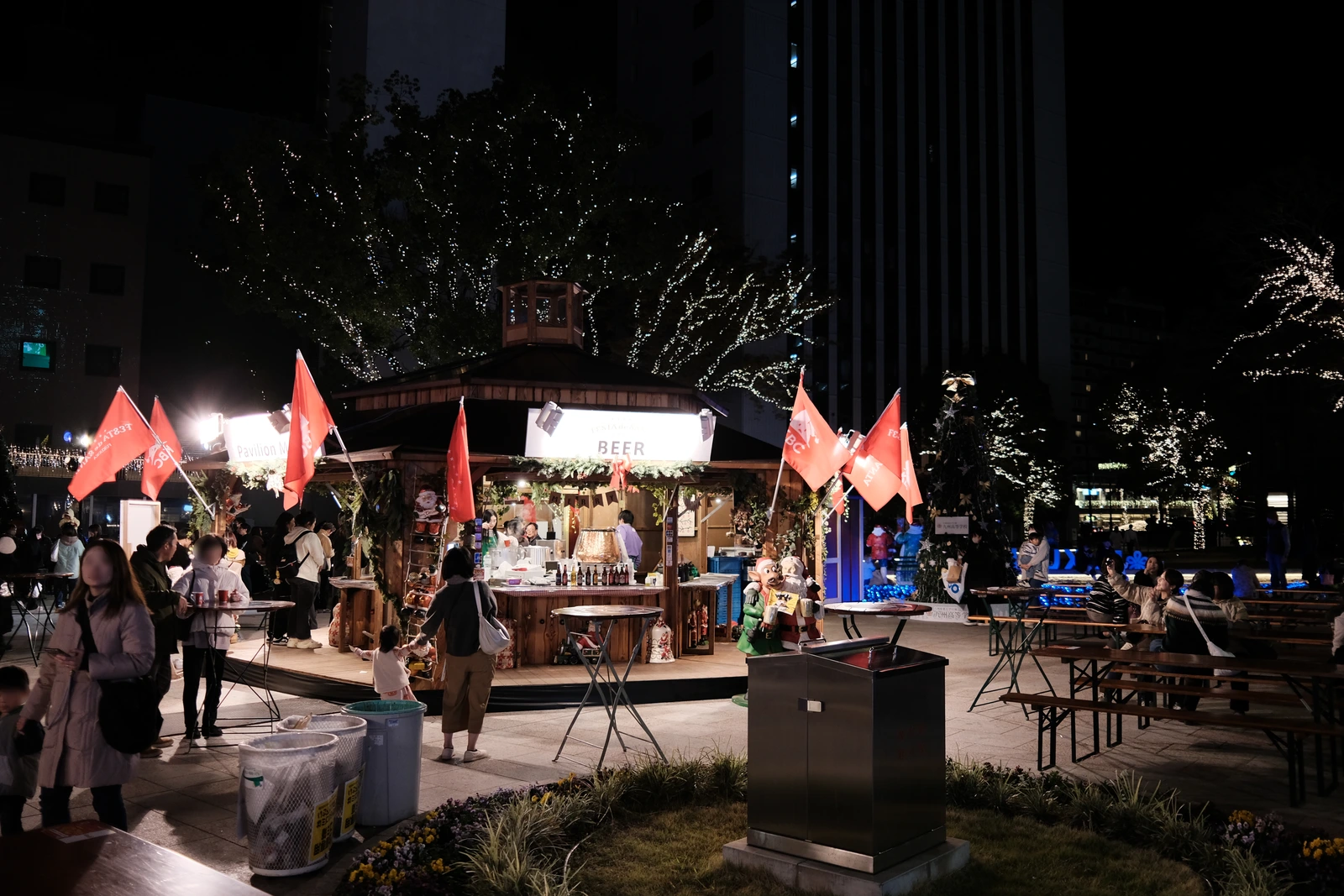
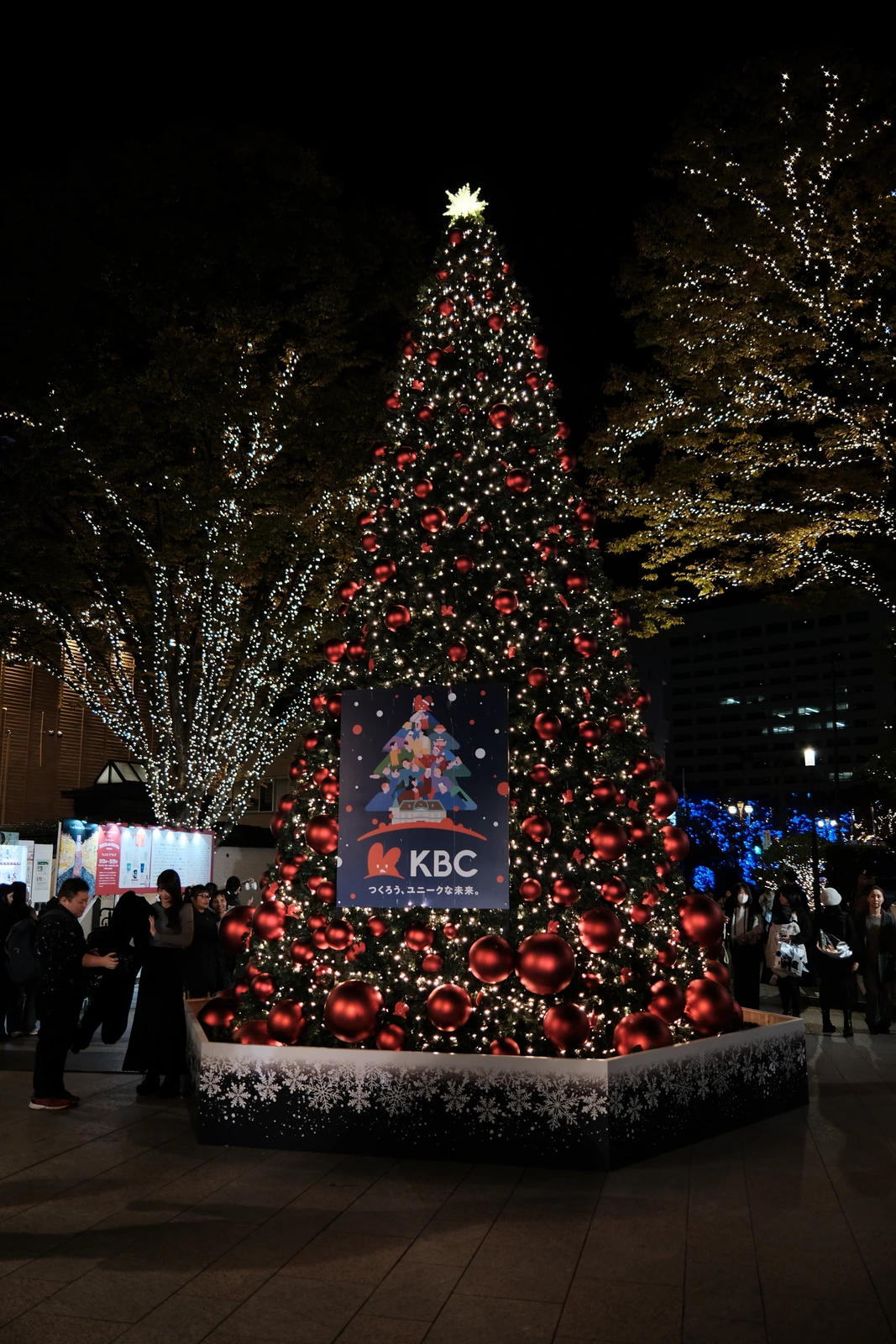
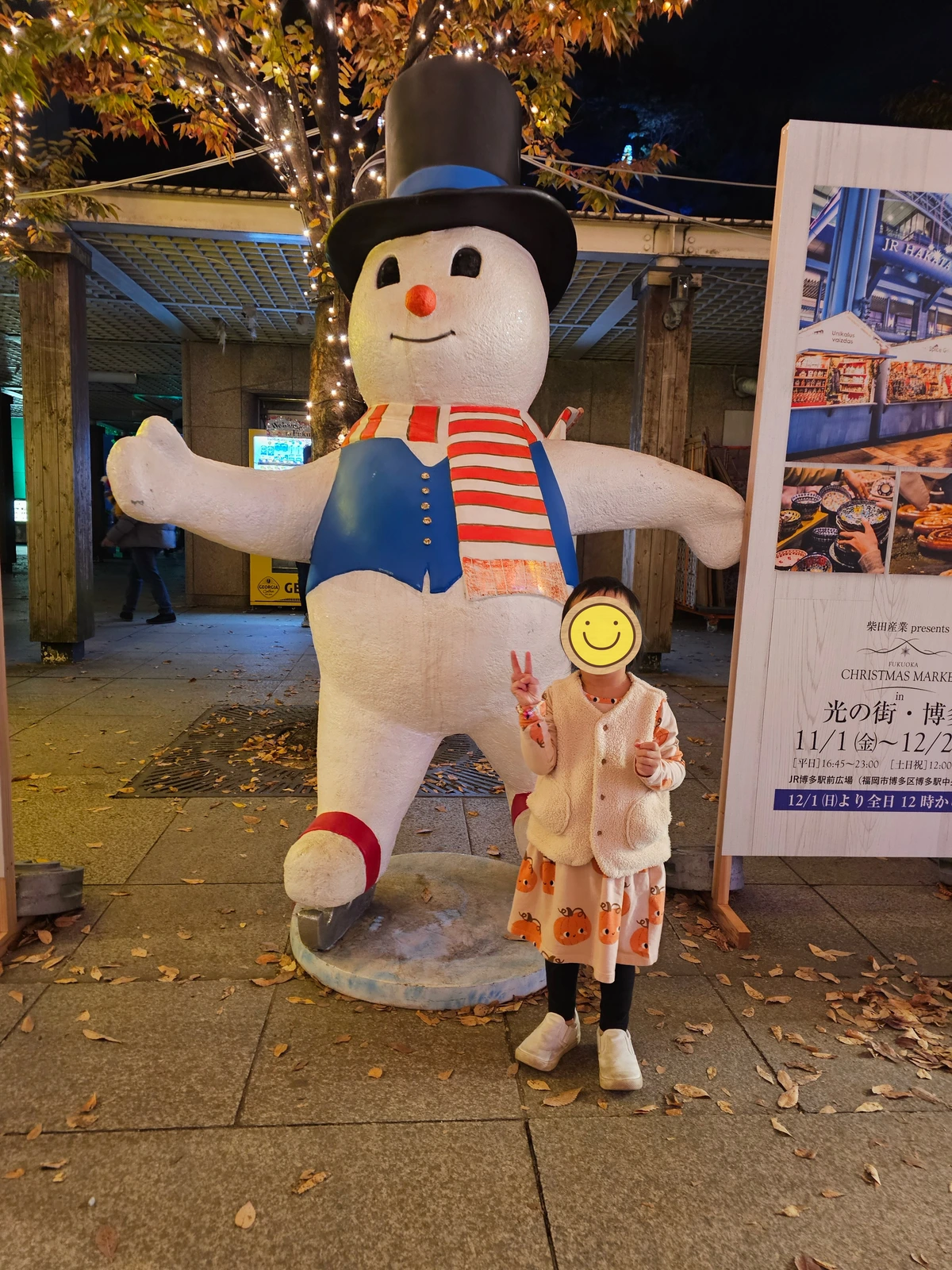
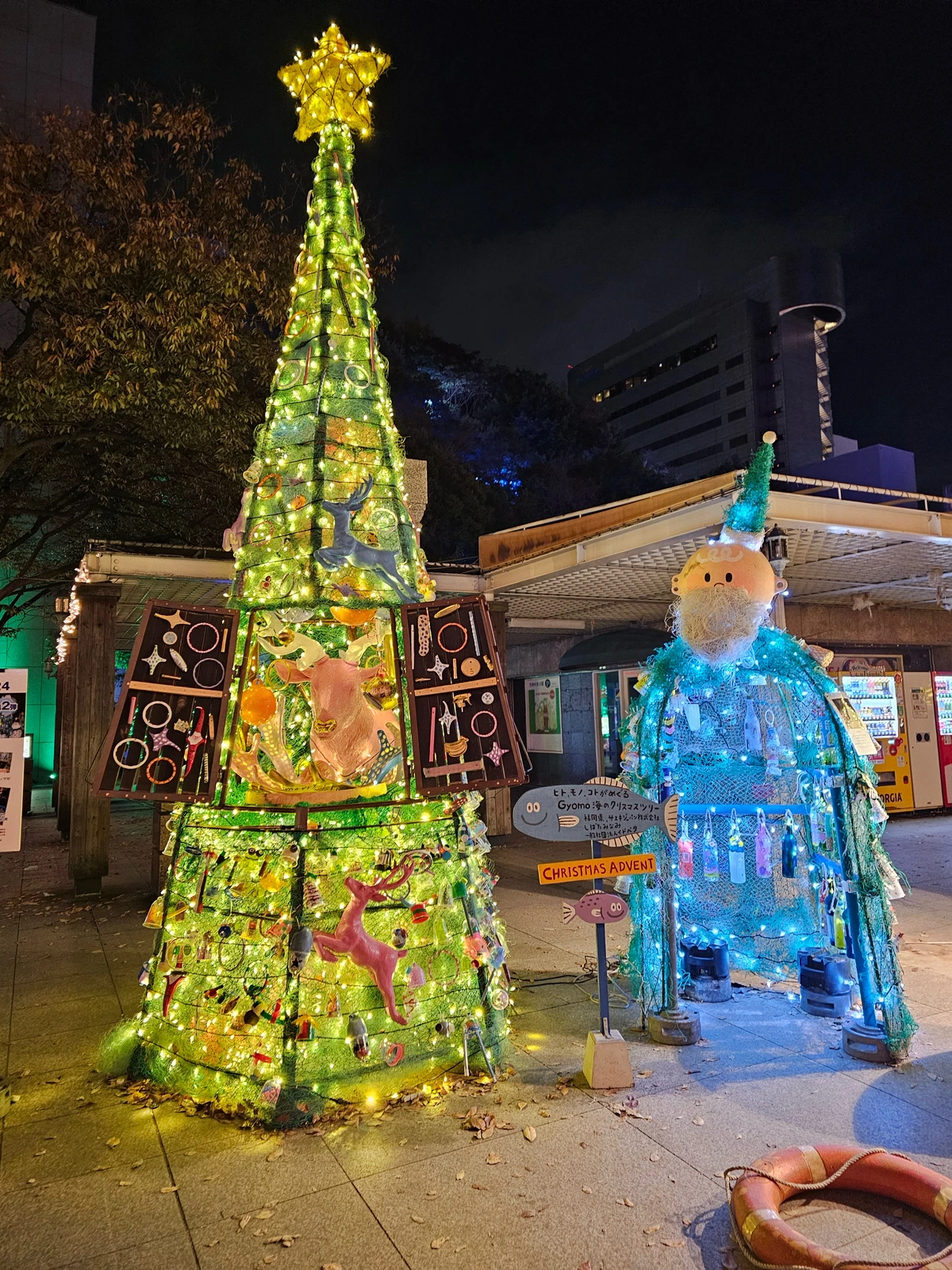
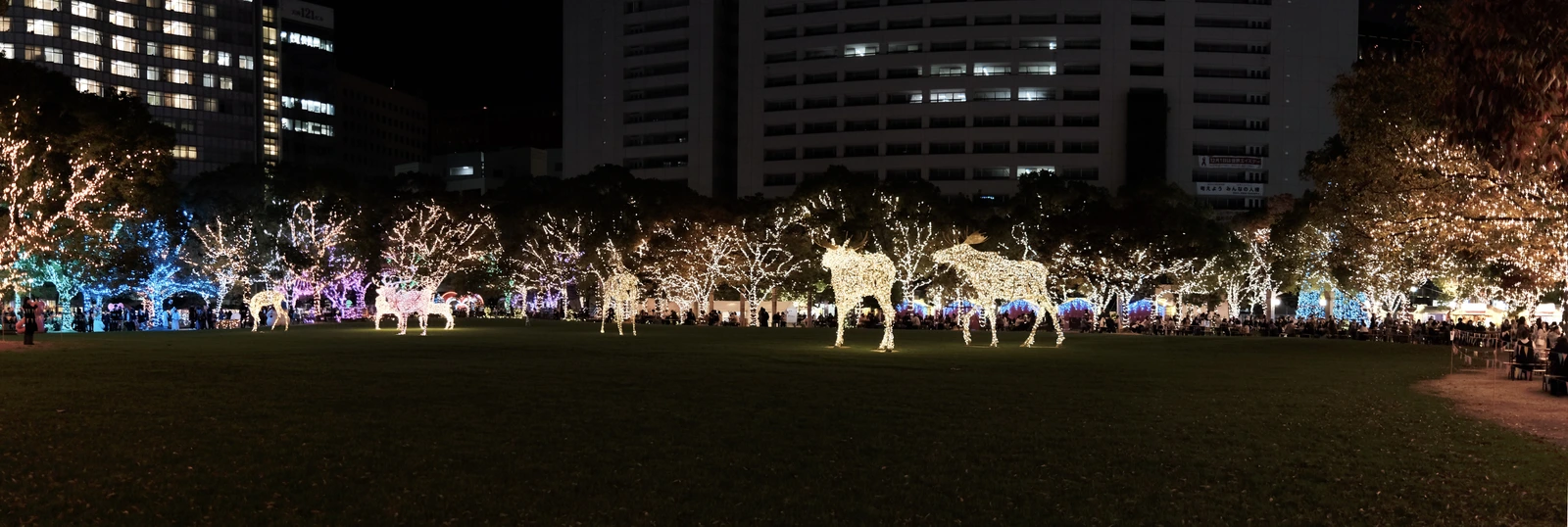
Eventually we made our way to Mitsukoshi, where we bought pricey strawberries and Shine Muscat grapes in the basement. Our daughter was tired by then, so we held her while she slept. For dinner we decided to find some ramen; Hakata Ramen ShinShin had decent reviews on Google Maps, and although the main store wasn’t far, with a sleeping child in our arms we opted for the branch inside the department store. The ramen was okay, but the hygiene wasn’t great—the utensils were all greasy. The gyoza weren’t good either.
Back in the room, our daughter woke up and, as usual, played until midnight before falling asleep.
Note: This article is translated from Traditional Chinese.