This note follows six earlier ones on Hokuriku: prehistory, Asuka, Nara, Heian, Kamakura, and Muromachi. It moves into the late Sengoku and Shokuhō (Oda–Toyotomi) years, running from the 1570s to the Battle of Asainawate in 1600; the fate of Kanazawa Castle’s keep is followed to 1602, and the memorial stones, folding screen, and later works connected with Asainawate are collected at the end. The focus stays on Kanazawa, Toyama, and Komatsu, the places this trip passes through, with Nanao and Suemori in Noto added. Month and day dates before the modern era follow the Japanese calendar of the time and are not converted to the Gregorian calendar unless noted; years are given with their Western equivalents.
The Muromachi note ended in the early 1580s: the fall of the Kanazawa Gobō, the end of the Hakusan foothill uprising, Sassa Narimasa entering Toyama Castle, and Maeda Toshiie entering Kanazawa Castle. This note follows another thread of the same years: the contest between the Uesugi and the Oda over Noto and Etchū, and the reallocation of Hokuriku domains among the former Oda commanders under Hashiba (later Toyotomi) Hideyoshi after Nobunaga’s death. Each of the three towns has a representative event from this time. For Kanazawa it is Maeda Toshiie’s arrival and castle building; for Toyama, Sassa Narimasa and Hideyoshi’s 1585 campaign into Etchū; for Komatsu, the Battle of Asainawate in 1600.
1. The Late Sengoku and Shokuhō Periods
The Sengoku period is usually defined as running from the Ōnin War (1467–1477) to Oda Nobunaga’s entry into Kyoto in Eiroku 11 (1568), though its start and end shift depending on whether one emphasises central or regional power1. The Azuchi-Momoyama period (1573–1603) is the era when Nobunaga and Hideyoshi held central power, also called the Shokuhō period1. Even if 1568 is taken as the end of the Sengoku period, warfare in Hokuriku continued into the Oda–Toyotomi era. The Kaga Ikkō ikki ended in the early 1580s, Sassa Narimasa in Etchū surrendered in 1585, and the fighting at Komatsu came in 1600.
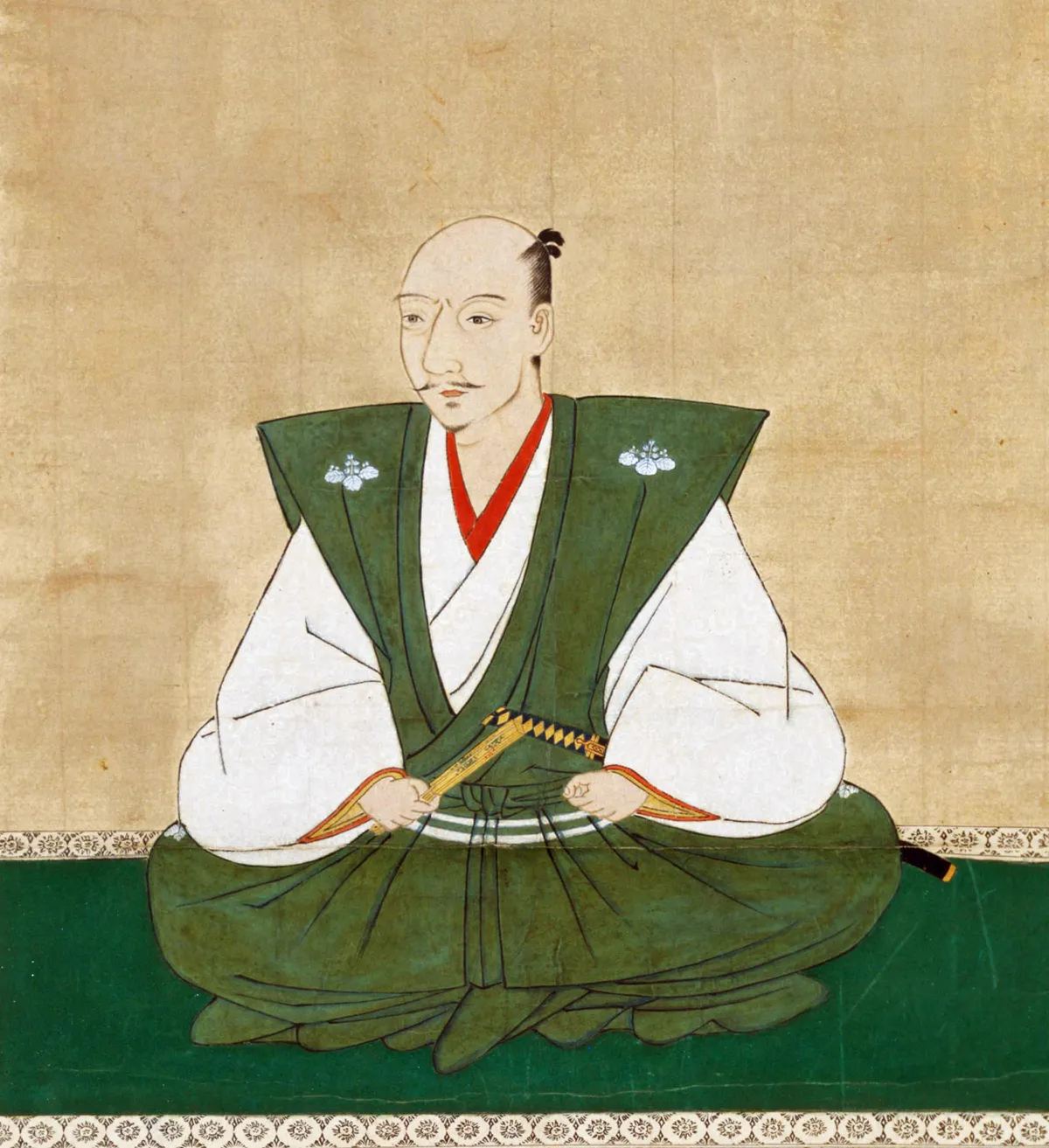
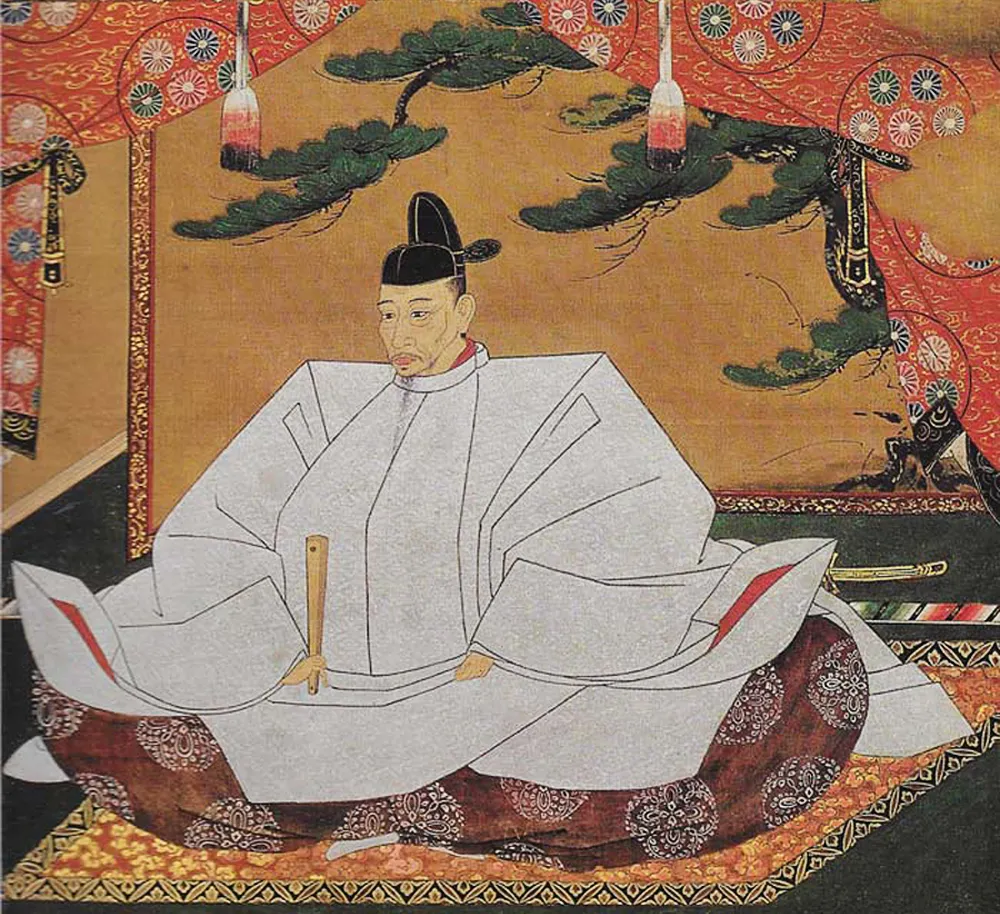
Komatsu City’s illustrated history, Zusetsu Komatsu no Rekishi, begins its account of Oda Nobunaga’s advance into southern Kaga with the Echizen campaign of the eighth month of Tenshō 3 (1575). Nobunaga’s army invaded Echizen, which had been under the Ikkō ikki since the death of Asakura Yoshikage; the ikki was defeated, and Enuma and Nomi districts in Kaga also fell into Oda hands. Kitanoshō Castle in Echizen was given to Shibata Katsuie, and Fuwa Mitsuharu, Sassa Narimasa, and Maeda Toshiie were posted around Fuchū as overseers2.
2. 1577: The Fall of Nanao Castle and the Oda Advance into Southern Kaga
Nanao Castle was a mountain castle built in the first half of the sixteenth century by the Hatakeyama, the shugo (provincial military governors) of Noto. The castle area measures about 2.5 km north–south and 1.0 km east–west, some 252.6 ha; the main enclosure stands at 305 m, about 250 m above the castle town below3. The castle fell to Uesugi Kenshin in Tenshō 5 (1577), ending 169 years of Hatakeyama rule in Noto3.
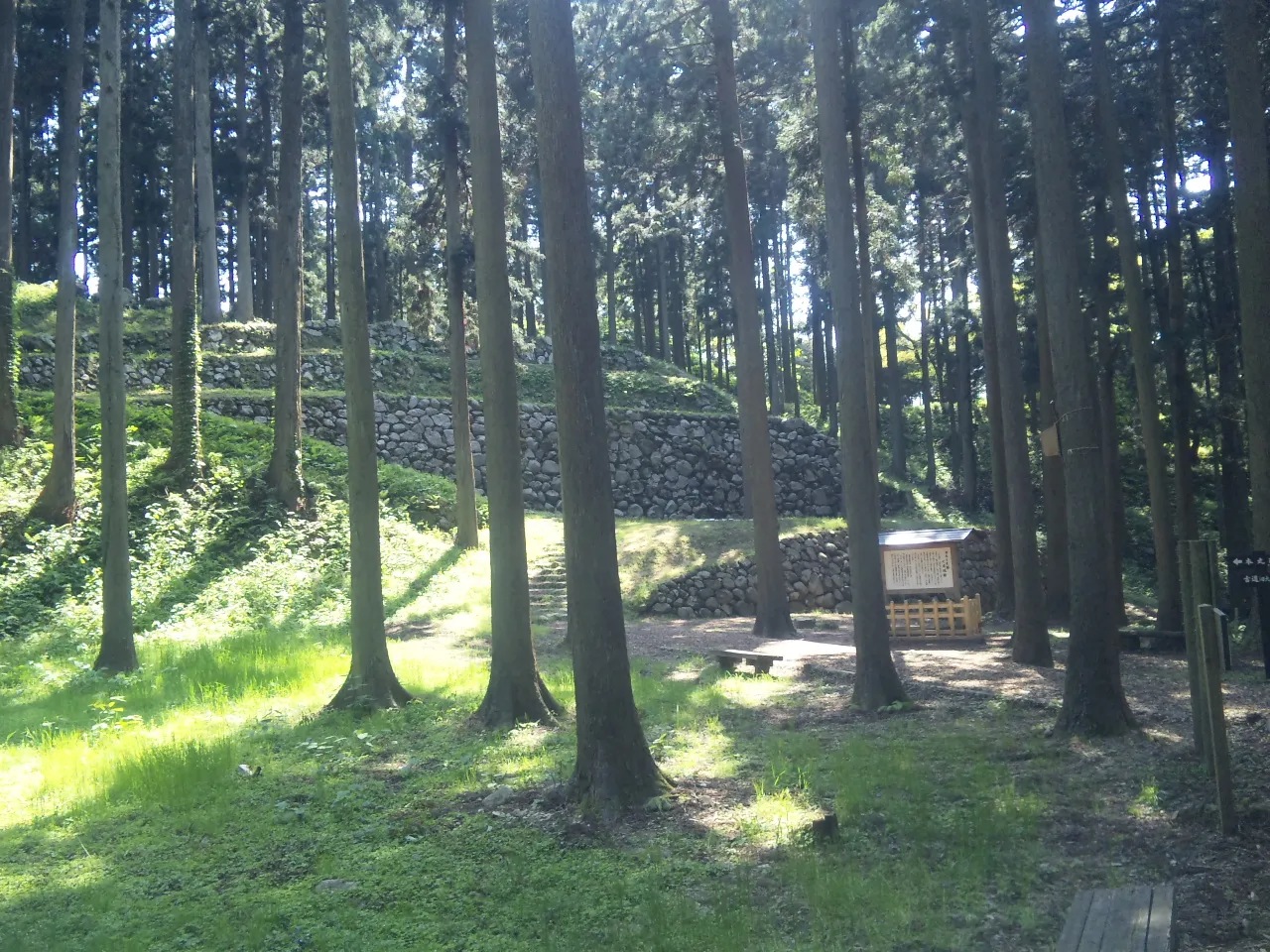
The Chōdomaru area on the mountain, with stone walls behind. Source: Wikimedia Commons
The English-language guide produced by Nanao City with the Japan Tourism Agency gives this account. Kenshin besieged the castle twice, in 1576 and 1577. Disease broke out inside; the lord Hatakeyama Yoshitaka and then his young son Haruōmaru died. Finally, according to the accounts it cites, the senior retainer Yusa Tsugumitsu and his allies rose inside the castle, killed the pro-Oda Chō Tsugutsura, and opened the gates to the Uesugi4. The Hatakeyama had asked Nobunaga for help, but it did not arrive in time4.
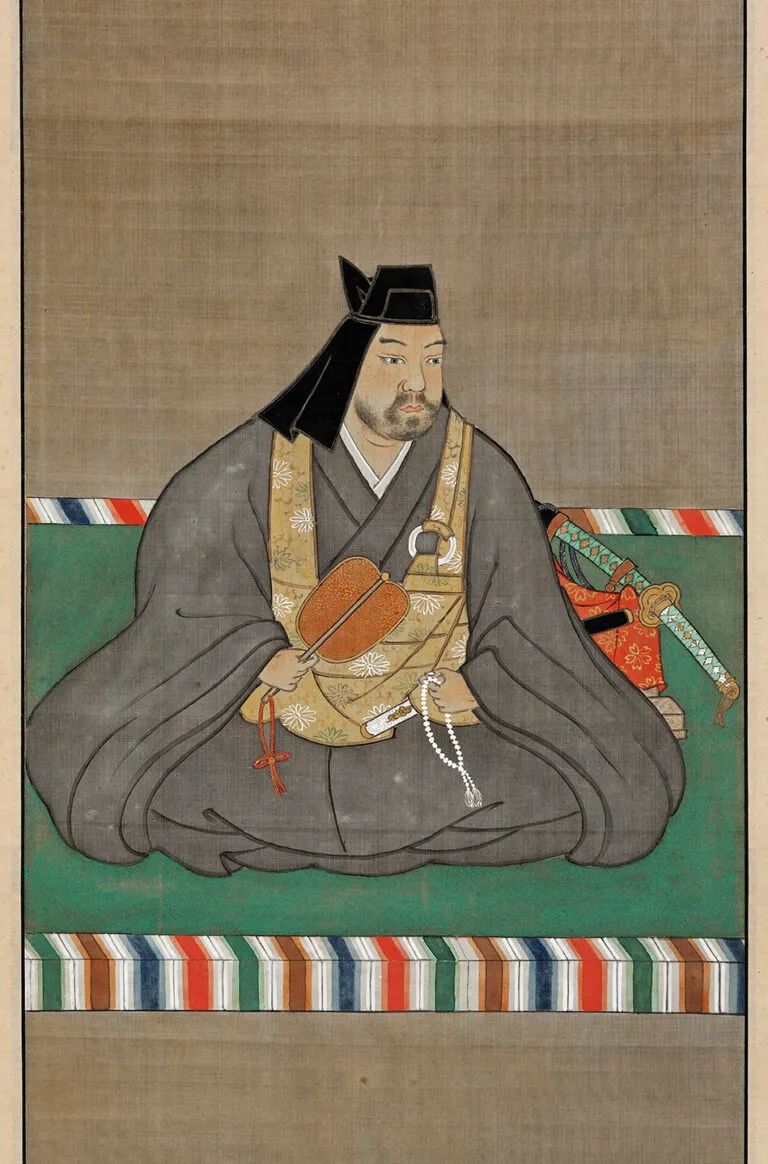
Uesugi Kenshin of Echigo. He took Nanao Castle in 1577 and died the following spring. Source: Wikimedia Commons
In the same year an Oda army was in southern Kaga. According to the Komatsu history, in the eighth month of Tenshō 5, partly at the request of Chō Tsuratatsu, Nobunaga’s army under Shibata Katsuie, with Niwa Nagahide, Hashiba Hideyoshi, Takigawa Kazumasu, Maeda Toshiie, and others, took Komatsu, Motoori, and Ataka and crossed the Tedori River to Togashi. When news came that Nanao had fallen on the fifteenth day of the ninth month, Hideyoshi withdrew first; the other units tried to withdraw together on the twenty-third, were pursued by Kenshin, and suffered a heavy defeat, swept away by the swollen Tedori River2. That is the Komatsu history’s account. The history reproduces a photograph of the original Shinchō Kōki, volume 10, entry for the eighth day of the eighth month of Tenshō 5 (held by the Yōmei Bunko, Kyoto)2. That Shinchō Kōki entry records the march and the burning: “crossing the Minato and Tedori rivers, they burned Komatsu village, Motoori village, Ataka, and Togashi in places and made camp,” along with Hideyoshi angering Nobunaga by withdrawing without reporting to him; it gives no reason for Hideyoshi’s withdrawal5.
The scale of the Battle of the Tedori River is disputed. The historian Naishi Masahiko notes that the only source generally recognised for the battle itself is a single copy of a Kenshin letter, full of copying errors, preserved in the Rekidai Koan; since the more reliable Shinchō Kōki records no engagement, some have questioned both its scale and whether it happened5. This note goes only as far as “an Uesugi pursuit and an Oda withdrawal” and does not use any figures for troops or casualties.
Kenshin died the following spring (1578)4. In Tenshō 9 (1581) Nobunaga granted the province of Noto to Maeda Toshiie, who entered Nanao Castle. Between about Tenshō 10 and 17 (1582–1589) Toshiie built a new castle at Komaruyama, close to the harbour, and Nanao Castle lost its function as a castle3. The English guide explains the move by the harbour area’s convenience for transport and government4.
3. 1582: Uozu Castle and the Honnōji Incident
Uozu Castle in eastern Etchū is said to have been built by the Shiina around the fifteenth century as a satellite of Matsukura Castle. After Uesugi Kenshin defeated the Shiina in Eiroku 12 (1569), it came under Uesugi control. It sat at the mouth of the Kado River, on the Hokurikudō road and on the main route to Matsukura Castle, a junction of land and sea traffic6.
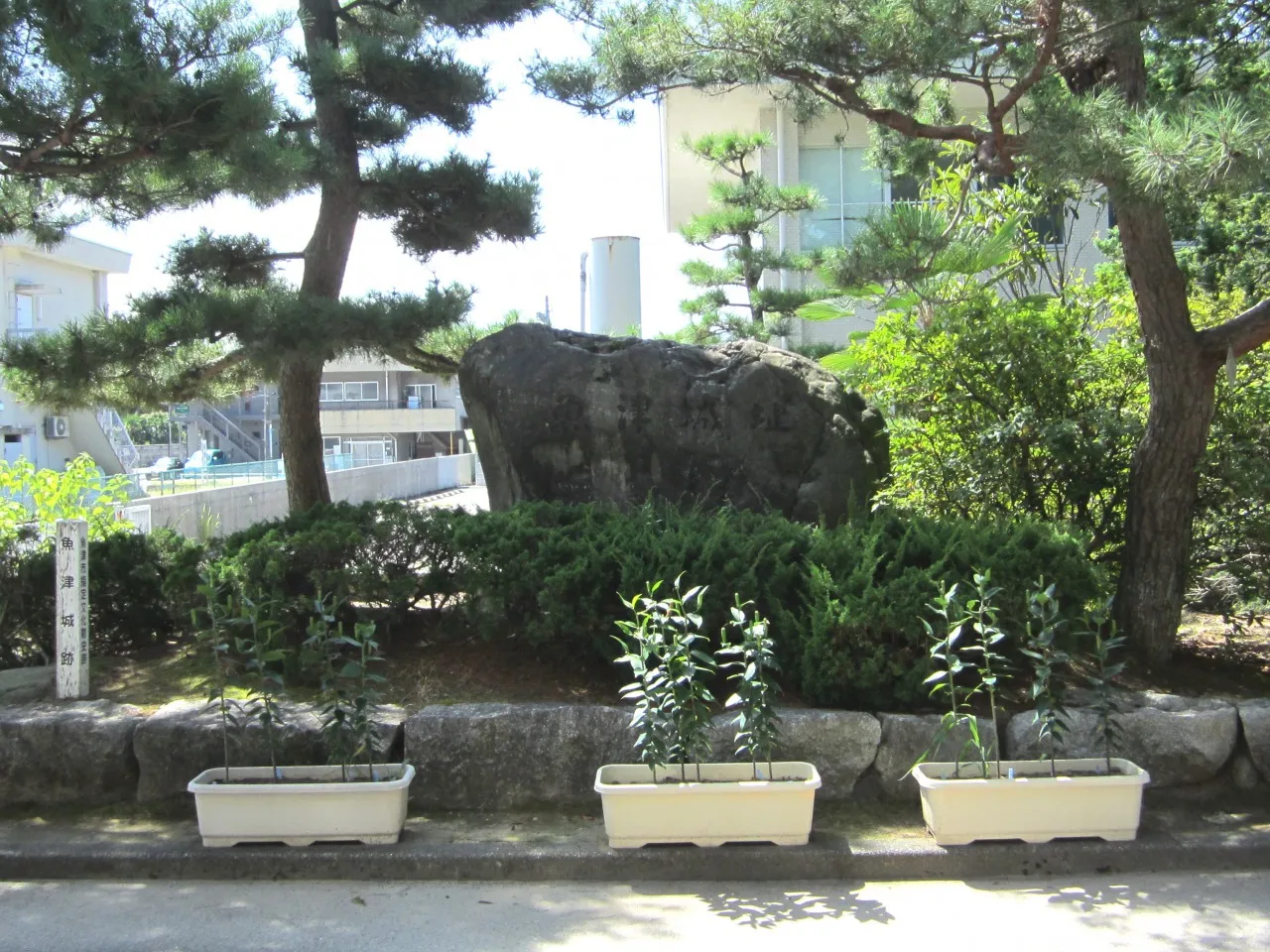
The site is in the centre of the old town of Uozu, now a stone monument and plantings. Photo: 立花左近, licensed under CC BY-SA 3.0, converted to WebP. Source: Wikimedia Commons
Uozu City gives the following sequence for Tenshō 10 (1582)6:
- Third month: the Oda allied army of Shibata Katsuie, Maeda Toshiie, Sassa Narimasa, and others surrounds Uozu Castle, held by the Uesugi.
- Fifth month, 15th day: Uesugi Kagekatsu brings a relief army and camps at Tenjinyama.
- Fifth month, 26th day: Oda forces invade Echigo from Shinano and Kōzuke. To return to Kasugayama Castle, Kagekatsu withdraws from Tenjinyama to Echigo together with the Matsukura garrison.
- Sixth month, 2nd day: the Honnōji Incident; Nobunaga dies.
- Sixth month, 3rd day: the Oda allied army takes Uozu Castle.
- Sixth month, 4th day onward: news of Nobunaga’s death arrives, the Oda army withdraws, and the Uesugi retake Uozu Castle.
These dates follow the Japanese calendar of Tenshō 10 and have not been converted to Gregorian dates. In Tenshō 11 (1583) Sassa Narimasa took Uozu and Matsukura castles and brought most of Etchū under his control6.
4. Kanazawa Castle: Maeda Castle Building after 1583
The chronology of the Ishikawa Prefecture Kanazawa Castle Research Institute records that Sakuma Morimasa entered the castle in Tenshō 8 (1580) and improved its earthworks and moats; after Morimasa’s defeat at Shizugatake in Tenshō 11 (1583), Maeda Toshiie entered the castle, and the Maeda held it for fourteen generations7. The Muromachi note covered this, so here the focus is the physical traces of building after he arrived.
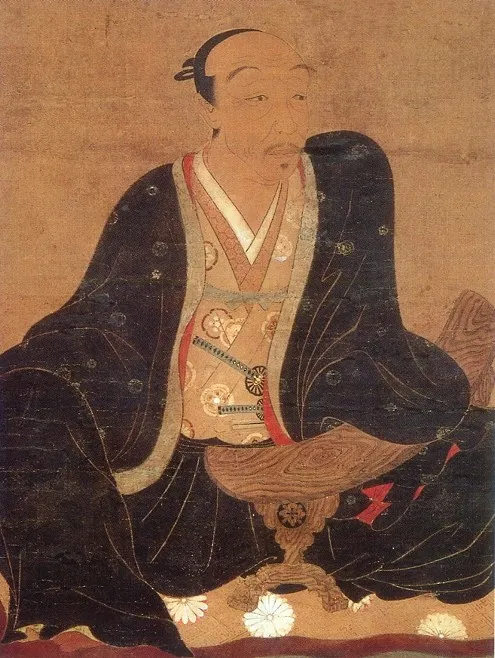
Maeda Toshiie. He received Noto in 1581 and entered Kanazawa Castle in 1583. Source: Wikimedia Commons
- Keep: according to Kanazawa Castle Park, the keep is thought to have been built between Tenshō 14 (1586) and 15 (1587). A vermilion-seal letter of Toshiie from the sixth month of Tenshō 14 orders iron to be shipped for building the keep, but no drawing showing its form has been found and its exact location is unknown8. The keep burned after a lightning strike on the thirtieth day of the tenth month of Keichō 7 (1602), and a three-storey turret was built the next year in its place8. The chronology also notes that in Tenshō 15 (1587) Kita Nobuchika, a retainer of the Nanbu, was entertained by Toshiie and shown the keep7.
- Stonemasons: in Tenshō 15 (1587) Toshiie took the stonemason Anō Gensuke (穴生, also written 穴太) into service with a stipend of 100 bales; he was the first of the Anō masons in Kaga9.
- Stone: from Bunroku 1 (1592) full-scale stone walls began to be built with Tomuro stone, starting with the east and north faces of the Higashi-no-maru and the west face of the Honmaru7. Tomuro stone was quarried at the foot of Mount Tomuro, about 8 km east of the castle; river stones were also used in the early walls9.
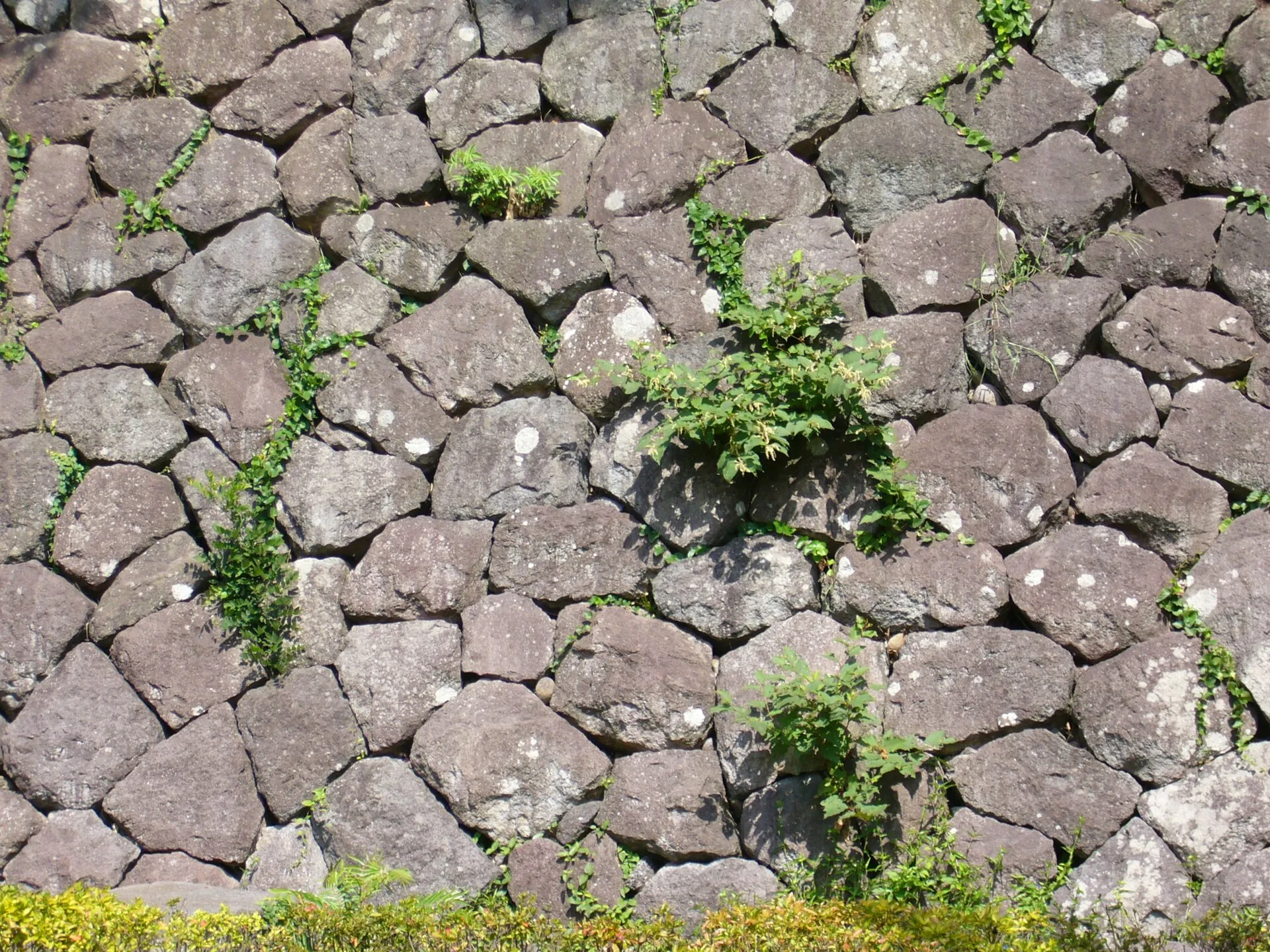
Kanazawa Castle’s walls were rebuilt many times in the Edo period, so the walls on site cannot be taken as they stood in Toshiie’s time. Source: Wikimedia Commons
After 1592 the chronology also lists rebuilding after the Kan’ei and Hōreki fires and repeated wall repairs, so the surviving walls date from different phases7.
5. 1584: The Battle of Suemori
Suemori Castle is in present-day Hōdatsushimizu, a mountain castle of the medieval to early modern period on Mount Suemori, 138.8 m high10. In Tenshō 12 (1584) it was attacked by Sassa Narimasa, lord of Toyama Castle in Etchū; the castellan Okumura Nagatomi held out, Maeda Toshiie came to relieve it, and it did not fall. The town’s description says the battle “is said to have laid the foundation of the Kaga million-koku domain”10. The main enclosures from the Honmaru to the Wakamiyamaru are designated an Ishikawa Prefecture historic site10.
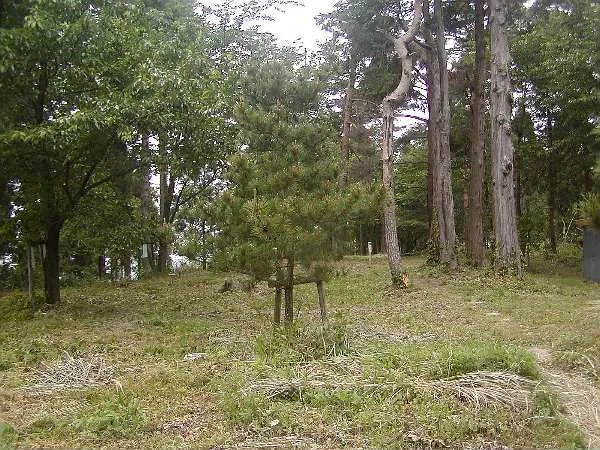
The castle site on Mount Suemori. There is another Suemori Castle in Chikusa Ward, Nagoya, so sources and maps need to be checked carefully. Photo: ja:user:Akimoto, licensed under CC BY-SA 3.0, converted to WebP. Source: Wikimedia Commons
This was the year of the Komaki–Nagakute campaign, and Narimasa had joined Tokugawa Ieyasu against Hideyoshi1112. The Komatsu history’s table of Hideyoshi’s mobilisations has an entry for the ninth month of Tenshō 12, with Sassa Narimasa as the opponent and “Suemori, Noto” as the destination; it records that Mizoguchi Hidekatsu, Murakami Yorikatsu, and others, over 3,000 men in total, were assigned to guard Kanazawa (Nonoichi and Izumino), with a note of another view that they waited at Tsubata13. Hōdatsushimizu’s survey summary of castle sites says Narimasa attacked Suemori to split Maeda Toshiie’s territories of Kaga and Noto, and describes the Tsuboiyama fort on the hill behind the Tsuboyama settlement in the south of the town. According to the documents on the reverse of the Jiyōroku and the Suemori-ki, Narimasa used it as his headquarters during the battle; survey work found what appear to be moats and earthen ramparts, and it is thought to be a Sassa field fort. From the headquarters site Mount Suemori can be seen to the north14.
6. Sassa Narimasa: The Journey to Hamamatsu and the Sarasara-goe
The Toyama Municipal Folk Museum’s 2013 special exhibition, Sassa Narimasa, Ruler of Sengoku Etchū, summarised his career. He marched on Toyama in Tenshō 8 (1580) as a main force of the Oda army, completed the unification of Etchū in Tenshō 11, joined Ieyasu against Hideyoshi, and surrendered in Tenshō 13. After distinguished service in the Kyushu campaign of Tenshō 15 he was restored as lord of the whole province of Higo, but soon after arriving he provoked an uprising, was ordered to commit seppuku, and died at Amagasaki in Settsu11. The exhibition also noted that many stories surround him, including the Sarasara-goe crossing, the Sassa embankment, and the buried gold of Mount Kuwasaki, while his historical figure is little known11.
His visit to Ieyasu at Hamamatsu is confirmed by a contemporary diary. The Ietada Nikki, entry for the twenty-fifth day of the twelfth month of Tenshō 12, reads: “越中之佐々蔵助濱松へこし候” (Sassa Kuranosuke of Etchū came to Hamamatsu)12. This follows the transcription in a paper by Iwazawa Yoshihiko of the Historiographical Institute of the University of Tokyo, which states that the only good sources for this event are the Ietada Nikki and the Tōdaiki, the rest being Edo-period compilations12. The Toyama Municipal Folk Museum likewise cites the Ietada Nikki as evidence that Narimasa left Toyama in the depth of winter in the twelfth month and met Ieyasu at Hamamatsu, while noting that there are several theories about his route11.
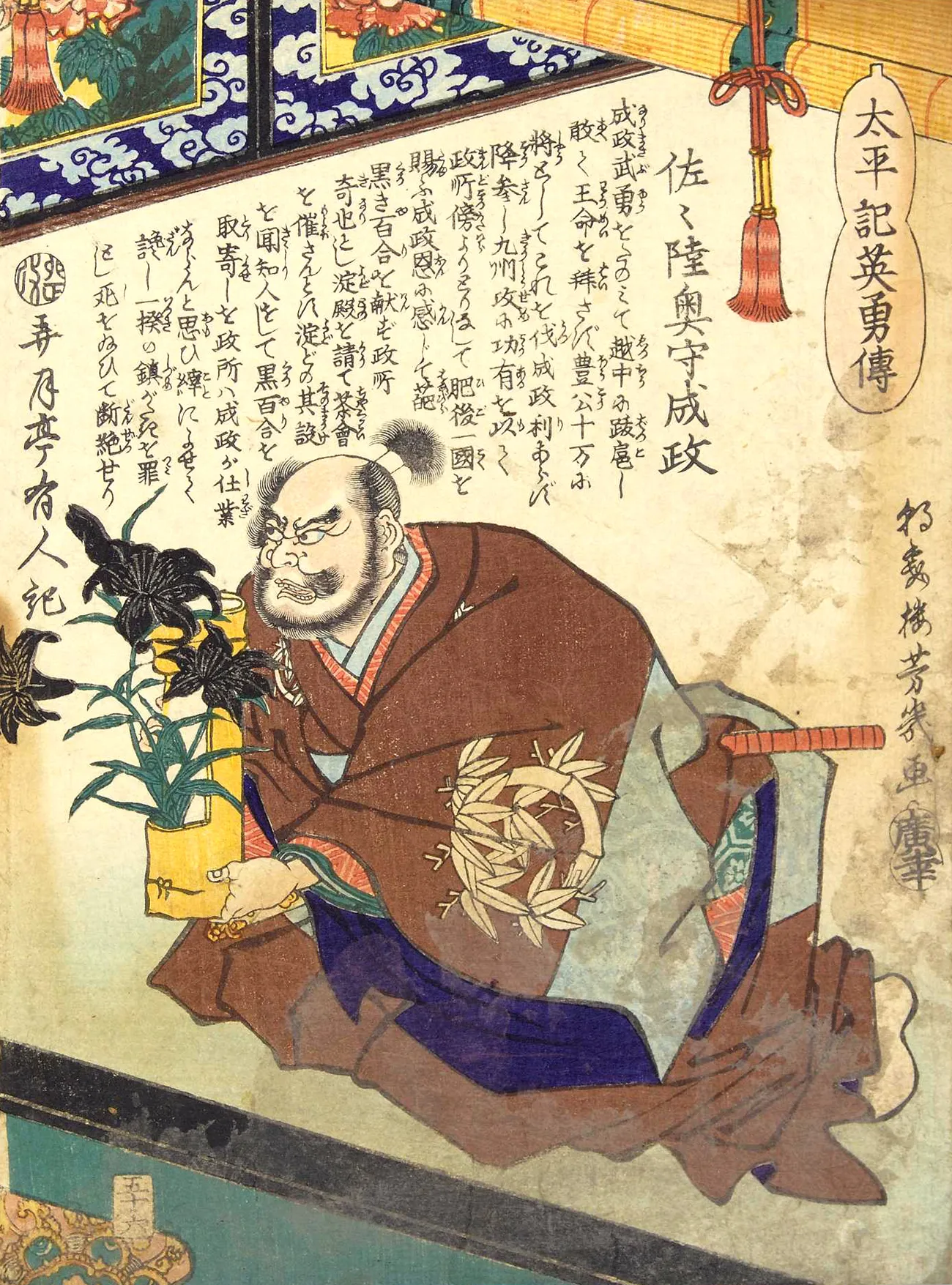
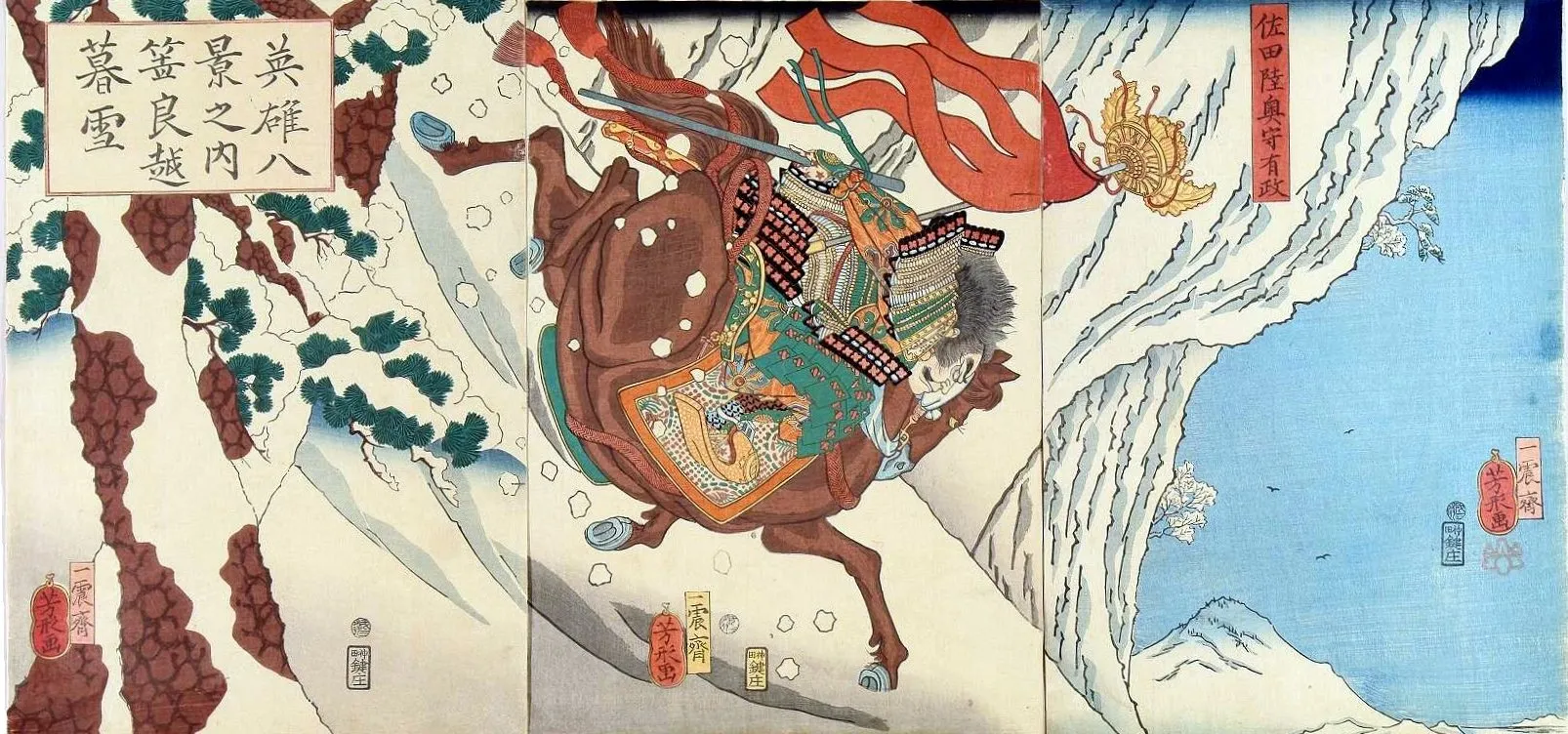
Whether he crossed the Tateyama range in winter, which pass he used, how many men he took, and what happened on the way belong to later tradition and competing theories, and this note does not use them.
Another contemporary document from Narimasa’s time in Etchū is the Sassa Narimasa chigyō ategaijō (fief grant) in the Kanazawa City Tamagawa Library’s Early Modern Historical Materials collection. The catalogue gives it as dated the third day of the ninth month of Tenshō 12, from Narimasa to Ono Sōemon, part of the Uno family papers of Tōri village15.
Apart from war, a learning page from the Tateyama Sabo Office of the Ministry of Land, Infrastructure, Transport and Tourism describes the top of an old stone-built embankment that shows in the bed of the Jōsai irrigation canal at Maseguchi in Toyama, called the Sassa embankment, and says Narimasa had it built to protect the castle town of Toyama from floods of the Jōganji River. It had been buried under sediment and was found when the canal was dug16. The page gives no date or dimensions for its construction.
7. 1585: Hideyoshi’s Etchū Campaign, Shiratori Castle, and Yasuda Castle
In Tenshō 13 (1585) Hideyoshi led an army into Etchū himself. According to the Toyama City Archaeological Center, he camped with Maeda Toshiie and others at Shiratori Castle on top of the Kureha hills, built Yasuda Castle and Ōgake Castle on the left bank of the Jinzū River, and placed Toshiie at the Gofukuyama fort north of Shiratori Castle, surrounding Toyama Castle on the right bank. Narimasa surrendered without a fight and opened Toyama Castle; Hideyoshi had Maeda Toshinaga demolish it. Narimasa was pardoned and left only Niikawa district; the other districts went to Toshiie, and effective Maeda rule in Etchū began here17. The Muromachi note already covered the surrender and demolition; this section adds the castles of the besieging side.
A document designated as a cultural property by Hakui City in 2025, a black-seal letter of Maeda Toshiie, orders the four villages of Yoshizaki, Fukae, Onaga, and Senda in Hakui to catch carp in the Ōchigata lagoon and carry them to Kanazawa, to entertain Hideyoshi as he marched into Etchū against Sassa Narimasa18.
Shiratori Castle stands on Shiroyama, the highest point of the Kureha hills, at 145.3 m. Around the main enclosure on the summit are 18 enclosures and 14 gates, and Toyama City’s description says earthwork castles of this kind are not found among local warriors’ castles and were probably built by commanders of the Oda–Toyotomi regime19. Trial excavations in 1980–83 found two buildings with foundation stones and a smithing feature in the main enclosure; some foundation stones were reused parts of a mid-fifteenth-century hōkyōin-tō and a late-fourteenth-century gorintō19. The castle’s chronology adds that the Maeda commanders Okajima Kazuyoshi and Katayama Iga first held Shiratori Castle, after which Okajima moved to Yasuda Castle and Katayama to Ōgake Castle19.
For Hideyoshi’s own movements, Toyama City’s page on the three siege castles cites research by Furukawa Tomoaki (2007) and Hagiwara Daisuke (2010): because Narimasa surrendered without fighting, Hideyoshi went straight from Seritanino into Toyama Castle, ordered its demolition a few days later, then went to Fusakuyama (Shiratori Castle), stayed a few days, and returned20. The order differs from the summary above that has him camping at Shiratori Castle.
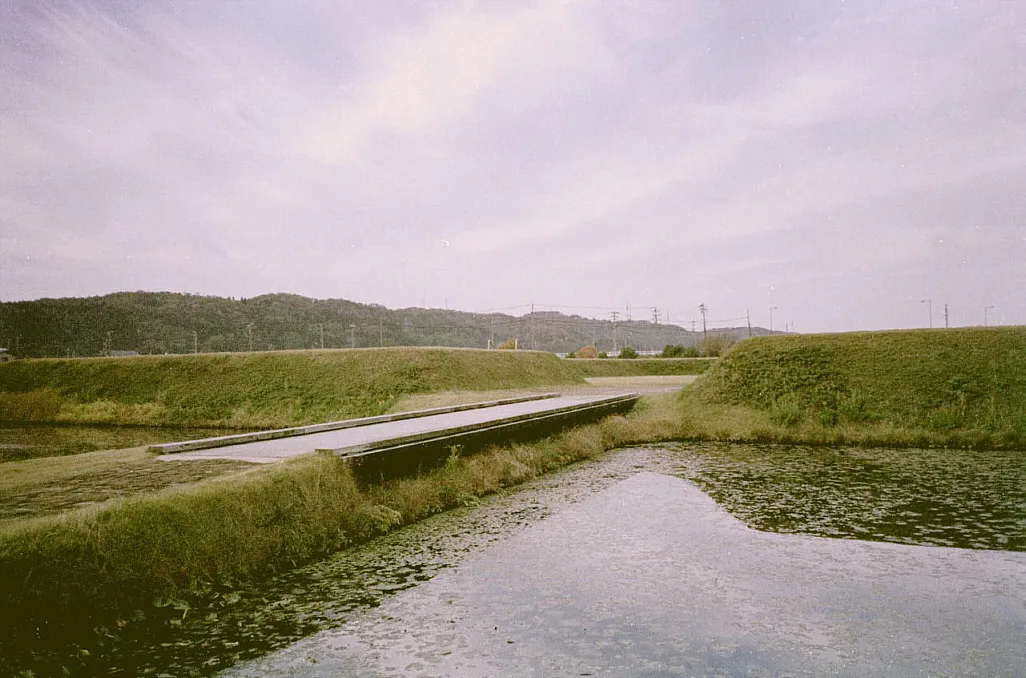
The moat and earthworks at the Yasuda Castle site. The present landscape is the result of site restoration. Photo: Jinzuu, licensed under CC BY-SA 3.0, converted to WebP. Source: Wikimedia Commons
Yasuda Castle is 2 km from Shiratori Castle, 2.8 km from Ōgake Castle, and 4.7 km from Toyama Castle20. It consists of three enclosures, the Honmaru, Ninomaru, and Ukuruwa; the Honmaru is a neat square while the other two are irregular, and their axes differ by about 30 degrees21. There are two views on the order in which they were built. The view from the 1978 trial excavation is that the Honmaru already existed in the Kamakura period and the other two were added in the Sengoku period. A more recent view holds that the two irregular enclosures came first as a local warrior’s residence and that Toshiie added the Honmaru in Tenshō 1321. Toyama City classifies the square enclosures of Yasuda’s Honmaru and of Ōgake Castle as the same castle type as the Jurakudai in Kyoto, and suggests they were apparently the earliest examples of that type in Toyama Prefecture20.
8. Komatsu: Murakami Yorikatsu, Niwa Nagashige, and the Battle of Asainawate in 1600
After defeating Shibata Katsuie in Tenshō 11 (1583), Hideyoshi made Niwa Nagahide a great lord of Echizen, Wakasa, and two districts of southern Kaga. Nagahide’s retainer Murakami Yorikatsu was raised to daimyo rank and held 66,000 koku at Komatsu in Nomi district until his transfer to Echigo in Keichō 3 (1598), a little over fifteen years13. The Komatsu history tabulates the military campaigns and building works to which Yorikatsu was called: guarding Kanazawa against Sassa Narimasa in Tenshō 12, Toyama in Etchū in Tenshō 13, and on to the invasions of Korea and work on Fushimi Castle. These demands weighed heavily on his finances, and he actually spent little time at Komatsu13. The history also notes that the name “Murakami Yoshiaki” comes from later genealogies; surviving letters, land registers, and survey records are all signed “Yorikatsu”13.
In Keichō 3 (1598) Niwa Nagahide’s heir Nagashige received Nomi district, which with Matsutō made him lord of 125,000 koku, known as the Komatsu Saishō22. After Hideyoshi’s death, during the Aizu campaign of Keichō 5 (1600), Maeda Toshinaga, as commander for the northern provinces, asked Nagashige to join him, and Nagashige refused. After Ishida Mitsunari raised his army, Nagashige was drawn into Mitsunari’s side22. Marching toward the capital region, Toshinaga judged that besieging Komatsu Castle, surrounded by wetlands, would take too long and went around it, took Daishōji Castle on the third day of the eighth month, and advanced into Echizen. He then turned back, and on the night of the eighth day of the eighth month, while returning to Kanazawa, his army was attacked by Nagashige at Asai village. This was the Battle of Asainawate22. Flanked by a unit under Nagashige’s senior retainer Eguchi Saburōemon, Toshinaga’s Chō Tsuratatsu contingent had a hard fight and suffered many casualties22. The Ishikawa Prefectural Museum of History also dates the battle to the eighth day of the eighth month23.
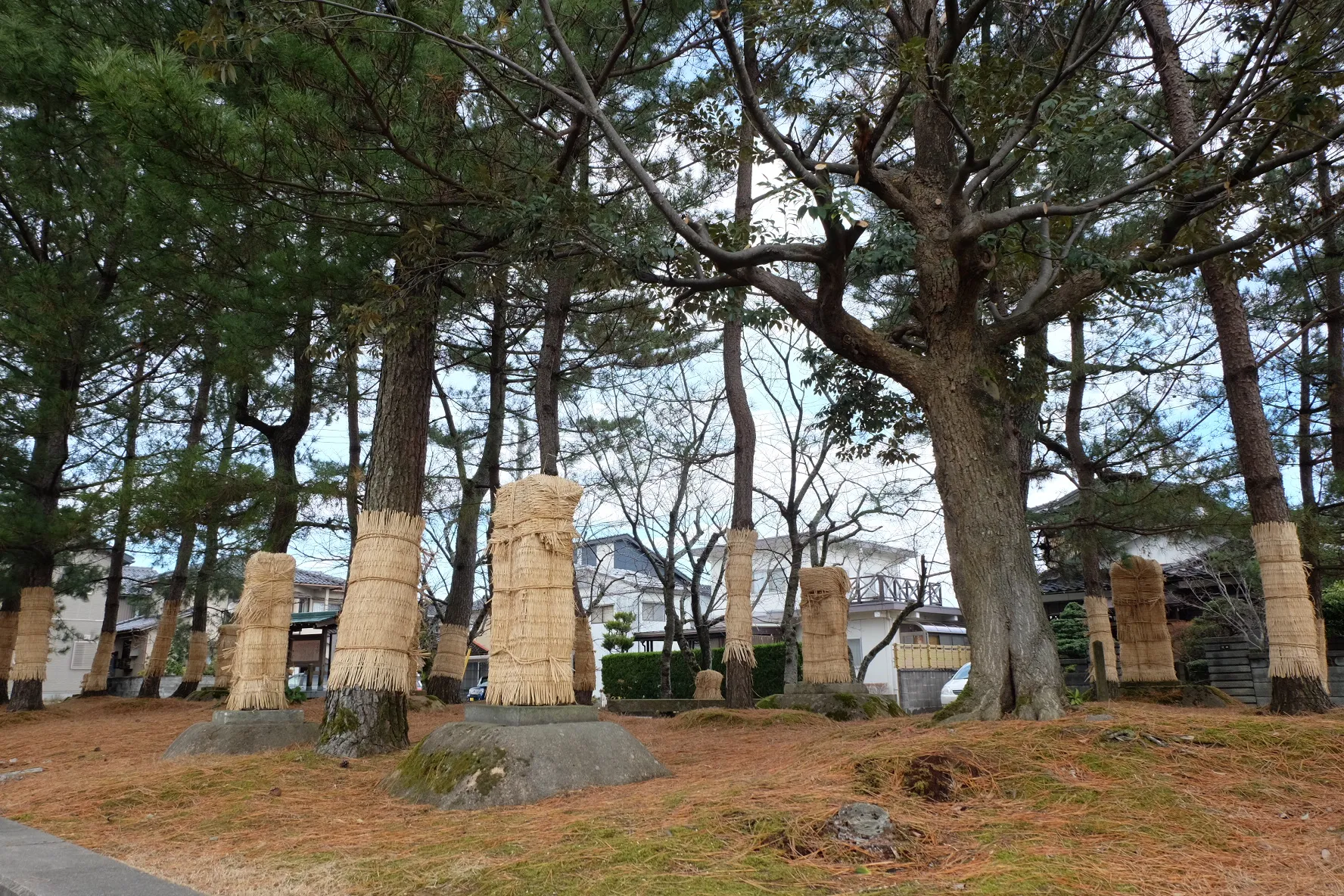
The stone memorials to the nine warriors among the pines. They are memorial stones set up later, with no burials beneath them. Source: Wikimedia Commons
Nagashige then asked Ieyasu for a settlement with Toshinaga, and on the eighteenth day of the ninth month the two made peace by exchanging hostages; by then the Battle of Sekigahara was already over. After the war Nagashige lost his lands for having defied Toshinaga’s call to arms, and Nomi district was given to Toshinaga22.
The Asainawate battlefield is an Ishikawa Prefecture historic site, and Komatsu City calls the battle Hokuriku’s “Battle of Sekigahara”24. The nine stones there are memorials to nine warriors under Chō Tsuratatsu who died in the battle; they look like graves but contain no burials. Their irregular orientation is said to be because each faces the direction in which a warrior fell24. The earliest is the stone for Horiuchi Isshūken, dated Manji 3 (1660); by An’ei 9 (1780) six stones plus one inscribed “Rokushima Shōsaburō” were recorded, and three more were added later24.
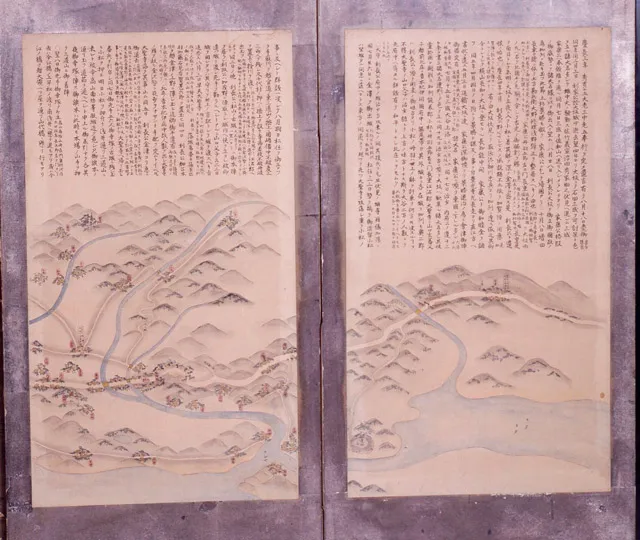
Painted about two hundred years after the battle by the Kaga retainer Maki Tadasuke, showing the terrain around Asainawate with his study of the battle added. Source: Wikimedia Commons
The Asainawate Kassen-zu Byōbu in the Ishikawa Prefectural Museum of History dates from Kyōwa 3 (1803). It is a six-panel screen in light colour on paper by Maki Tadasuke, a Kaga domain retainer with a stipend of 200 koku; the museum describes it as depicting the terrain around Asainawate with a study of the battle added23.
With Nomi district now also held by Maeda Toshinaga after Asainawate, the region entered the Edo-period era of the Kaga domain.
9. Late Sengoku Hokuriku in Later Works
The list below keeps to what publishers, broadcasters, and museums state in their own descriptions. Plot details from these works are not treated as history.
- NHK’s taiga drama Toshiie to Matsu: Kaga Hyakumangoku Monogatari (2002). The official synopsis of episode 35, The Decisive Battle at Suemori Castle, has Ishida Mitsunari arrive as Hideyoshi’s envoy with the order that Toshiie must not take a single step out of Kanazawa Castle; Toshiie marches out after Matsu persuades him25. Episode 36, Sarasara-goe, centres on Narimasa and his wife Haru trying to cross the midwinter Tateyama range with a hundred or so men; Haru is caught in an avalanche on the way25. Mitsunari’s message, the wife’s presence, and the avalanche do not appear in the sources cited above.
- The manga Hana no Keiji: Kumo no Kanata ni (art by Hara Tetsuo, original story by Ryū Keiichirō) began serialisation in Weekly Shōnen Jump in 199026. The blurb for volume 1 of the Shūeisha bunko edition has Maeda Keiji ride out alone to save Suemori Castle from a surprise attack by a large army26. The official site itself says today’s image of Maeda Keiji owes much to later creations such as Ryū Keiichirō’s novel Ichimuan Fūryūki and this manga, and that the many stories about him cannot all be judged true or false26.
- Kazeno Machio’s novel Sarasara-goe follows Narimasa crossing the Hida Mountains in deep winter to beg Ieyasu to keep fighting Hideyoshi. It won the 21st Nakayama Gishū Literary Prize; the Kadokawa bunko edition was published in April 201627.
- Nitta Jirō’s short-story collection Kibidango-zamurai includes Sassa Narimasa’s Crossing of the Northern Alps and Shibata Katsuie, Defeated by Heavy Snow; Shinchōsha’s description says the latter explores “a weather-intelligence strategy hidden behind history”28. Nitta had worked at the Central Meteorological Observatory28.
- Izumi Kyōka’s Kuroyuri (Black Lily) draws on the legend of Sayuri-hime, Narimasa’s concubine. According to Kurobe City Library’s guide to local literature, the black lily legend spread in the Edo period, and the first half of the story is set in Toyama city, naming Sōgawa, Aimono-machi, and Hatago-machi29. The full text is available on Aozora Bunko29.
- The catalogue of Takaoka City Museum’s 2023 special exhibition Kaga, Etchū, and Noto in Ukiyo-e lists Ochiai Yoshiiku’s Taiheiki Eiyūden: Sassa Mutsu no Kami Narimasa (first month of Keiō 3), Utagawa Kuniyoshi’s Taiheiki Eiyūden: Sata Mutsu no Kami Arimasa (1847–52), and Yōshū Chikanobu’s Sassa Narimasa Sets Out: The Sarasara-goe in Snow (Meiji period, triptych)30. The Yoshikata Sarasara-goe print used in this note is not in that catalogue; it is a different work.
10. Places You Can Visit Today
| Area | Place | Type | Notes |
|---|---|---|---|
| Kanazawa | Kanazawa Castle Park | Park / historic site | Maeda Toshiie entered in 1583; walls of Tomuro stone built from 15927 |
| Komatsu | Asainawate battlefield | Prefectural historic site | Battle of Asainawate, 1600; memorial stones to nine warriors2431 |
| Komatsu | Komatsu Castle site (keep base) | Castle site | Niwa Nagashige’s castle, surrounded by wetlands; check access before visiting22 |
| Nanao | Nanao Castle site and Nanao Castle History Museum | National historic site | Taken by Uesugi Kenshin in 1577; the old main approach (Hakamagoshi to Chōdomaru) reopened on 8 August 20263 |
| Hōdatsushimizu | Suemori Castle site | Prefectural historic site | Battle of Suemori, 1584; mountain castle at 138.8 m10 |
| Hakui | Ōchigata lagoon | Lagoon | Where Toshiie’s black-seal letter ordered carp caught to entertain Hideyoshi18 |
| Toyama | Toyama Castle Park | Park / historic site | Narimasa’s castle; surrendered and demolished in 158517 |
| Toyama | Shiratori Castle site | Castle site | A field castle used by Hideyoshi’s forces on the Kureha hills; dry moats and earthworks well preserved19 |
| Toyama | Yasuda Castle site and museum | National historic site | A subsidiary castle used by Hideyoshi’s forces; restoration works planned until mid-March 2027, with the Honmaru and museum open during works32 |
| Uozu | Uozu Castle site | Castle site | Fell on the 3rd day of the 6th month of Tenshō 10; in the centre of the old town6 |
References
Footnotes
-
Sengoku period (Japan) (the general definition from the Ōnin War to Nobunaga’s entry into Kyoto in 1568, and other views): https://ja.wikipedia.org/wiki/%E6%88%A6%E5%9B%BD%E6%99%82%E4%BB%A3_(%E6%97%A5%E6%9C%AC) ; Azuchi-Momoyama period (1573–1603, Shokuhō period): https://ja.wikipedia.org/wiki/%E5%AE%89%E5%9C%9F%E6%A1%83%E5%B1%B1%E6%99%82%E4%BB%A3 ↩ ↩2
-
Komatsu City, Zusetsu Komatsu no Rekishi, Early Modern 1, “Oda Nobunaga’s Advance into Southern Kaga,” pp. 62–63 (the 1575 Echizen campaign and the three overseers at Fuchū; the capture of Komatsu, Motoori, and Ataka in the 8th month of 1577; the fall of Nanao on the 15th of the 9th month; the withdrawal on the 23rd and the Tedori River; plate of Shinchō Kōki vol. 10, 8th day of the 8th month of Tenshō 5, Yōmei Bunko): https://www.city.komatsu.lg.jp/material/files/group/39/301nobunaga.pdf ↩ ↩2 ↩3
-
Nanao City, “Nanao Castle Site” (built by the Hatakeyama in the early 16th century; area; fall in Tenshō 5; 169 years of rule; Toshiie’s entry in Tenshō 9; Komaruyama castle c. Tenshō 10–17; Honmaru at 305 m; old main approach reopened 8 August 2026): https://www.city.nanao.lg.jp/syougai/nanaojoushi.html ↩ ↩2 ↩3 ↩4
-
Nanao City, “Welcome to Nanao Castle” (sieges of 1576 and 1577, epidemic, Yusa Tsugumitsu and Chō Tsugutsura, Kenshin’s death the next spring, Toshiie’s move closer to the port): https://www.city.nanao.lg.jp/syougai/nanaojoushi/english/index.html ↩ ↩2 ↩3 ↩4
-
Naishi Masahiko, “Reconstructing Kenshin’s last battle, the Battle of Tedorigawa, from thirteen war chronicles,” SYNCHRONOUS, 21 February 2023 (quotation from Shinchō Kōki vol. 10; the letter copy in Rekidai Koan; doubts about the battle’s scale and existence): https://www.synchronous.jp/articles/-/844 ↩ ↩2
-
Uozu City, “Uozu Castle and Matsukura Castle” (Shiina construction tradition; Uesugi control from 1569; the siege from the 3rd month of Tenshō 10 to the fall on the 3rd of the 6th month and withdrawal from the 4th; Narimasa’s capture in 1583): https://www.city.uozu.toyama.jp/guide/svGuideDtl.aspx?cd=0101&servno=25191 ↩ ↩2 ↩3 ↩4
-
Ishikawa Prefecture Kanazawa Castle Research Institute, “Kanazawa Castle Chronology” (Sakuma Morimasa 1580; Toshiie’s entry 1583; keep 1586; Anō Gensuke 1587; Tomuro stone walls 1592; lightning 1602): https://www.pref.ishikawa.lg.jp/kyoiku/bunkazai/kanazawazyo/history2.html ↩ ↩2 ↩3 ↩4 ↩5
-
Ishikawa Prefecture Kanazawa Castle Park, “Sources on the Keep and Three-Storey Turret” (keep built Tenshō 14–15; Toshiie’s seal letter of the 6th month of Tenshō 14 on iron; location unknown; burned on the 30th of the 10th month of Keichō 7; three-storey turret): https://shiro-niwa.pref.ishikawa.lg.jp/kanazawa-castle/explore/document.php ↩ ↩2
-
Ishikawa Prefecture, “About the Stone Walls of Kanazawa Castle” (early river stones; Tomuro stone from Bunroku 1; Mount Tomuro 8 km east; Anō Gensuke in Tenshō 15): https://www.pref.ishikawa.lg.jp/kyoiku/bunkazai/kanazawazyo/qa-is1.html ↩ ↩2
-
Hōdatsushimizu Town, “Suemori Castle Site” (Mount Suemori 138.8 m; Narimasa’s attack in Tenshō 12; Okumura Nagatomi’s defence; Toshiie’s relief; the tradition of the Kaga domain’s foundation; prefectural designation of Honmaru to Wakamiyamaru): https://www.hodatsushimizu.jp/kanko/kanko/3/4/historic_site/1522.html ↩ ↩2 ↩3 ↩4
-
Toyama Municipal Folk Museum, 2013 special exhibition “Sassa Narimasa, Ruler of Sengoku Etchū” (career from the 1580 march on Toyama to seppuku after Higo; anecdotes; Ietada Nikki and route theories): https://www.city.toyama.toyama.jp/etc/muse/kikakuhaku/list/h25/2503/2503.html ↩ ↩2 ↩3 ↩4
-
Iwazawa Yoshihiko, “On the Original Manuscript of the Ietada Nikki,” Tōkyō Daigaku Shiryō Hensanjo Hō no. 2, 1968, printed p. 20 (“On Sassa Narimasa’s visit to Hamamatsu”; entry for the 25th of the 12th month of Tenshō 12, “越中之佐々蔵助濱松へこし候”; the only good sources are the Ietada Nikki and the Tōdaiki): https://www.hi.u-tokyo.ac.jp/publication/syoho/02/syoho0002-iwazawa.pdf ↩ ↩2 ↩3
-
Komatsu City, Zusetsu Komatsu no Rekishi, Early Modern 2, “The Age of Murakami Yorikatsu,” pp. 64–65 (66,000 koku at Komatsu in Nomi district; transfer to Echigo in Keichō 3; mobilisation table; “Yoshiaki” and “Yorikatsu”): https://www.city.komatsu.lg.jp/material/files/group/39/302yorikatsu.pdf ↩ ↩2 ↩3 ↩4
-
Hōdatsushimizu Town, “Summary of the Survey of Suemori Castle and Other Castle Sites (2005–2006)” (Tsuboiyama fort; aim of splitting Kaga and Noto; Jiyōroku reverse documents and Suemori-ki; Sassa headquarters; moats and earthworks at about 54 m): https://www.hodatsushimizu.jp/soshiki/bunkazaishitsu/2/1/1222.html ↩
-
Kanazawa City Tamagawa Library, Early Modern Historical Materials, “Sassa Narimasa chigyō ategaijō” (Uno family papers of Tōri village; Narimasa to Ono Sōemon; 3rd of the 9th month of Tenshō 12, per the catalogue): https://jmapps.ne.jp/amhr/det.html?data_id=44097 ↩
-
MLIT Tateyama Sabo Office, “Sassa Embankment” (stone embankment in the bed of the Jōsai canal at Maseguchi; attribution to Narimasa; discovery when the canal was dug): https://www.hrr.mlit.go.jp/tateyama/gakusyuu/tanken/sassa.html ↩
-
Toyama City Archaeological Center, “Toyama Castle: Sengoku Period 2” (camp at Shiratori Castle in 1585; Yasuda, Ōgake, and Gofukuyama; Narimasa’s surrender; demolition by Toshinaga; Niikawa district): https://www.city.toyama.toyama.jp/etc/maibun/toyamajyo/history/sengoku2.htm ↩ ↩2
-
Hakui City, “Black-seal letter of Maeda Toshiie ordering carp from Ōchigata to entertain Hideyoshi” (Hideyoshi’s march into Etchū; the four villages of Yoshizaki, Fukae, Onaga, and Senda; designated 24 March 2025): https://www.city.hakui.lg.jp/rekimin/history/culturalproperties/maedatoshiiekokuinjo.html ↩ ↩2
-
Toyama City, “Shiratori Castle Site” (145.3 m; 18 enclosures and 14 gates; view that it was built by Oda–Toyotomi commanders; 1980–83 trial excavations; reused memorial stones; Okajima Kazuyoshi and Katayama Iga): https://www.city.toyama.toyama.jp/etc/maibun/center/topics/siratori/siratori.htm ↩ ↩2 ↩3 ↩4
-
Toyama City, “Thinking about Yasuda Castle 2: The Meaning of the Three Siege Castles” (distances between the castles; revised account of Hideyoshi entering Toyama Castle from Seritanino and staying at Shiratori; Jurakudai-type castles; citing Furukawa 2007 and Hagiwara 2010): https://www.city.toyama.toyama.jp/etc/maibun/yasuda/y-kouza/y-kouza2.htm ↩ ↩2 ↩3
-
Toyama City, “Thinking about Yasuda Castle” (Honmaru, Ninomaru, Ukuruwa; 30-degree difference in axes; two views on sequence): https://www.city.toyama.toyama.jp/etc/maibun/yasuda/y-kouza/y-kouza1.htm ↩ ↩2
-
Komatsu City, Zusetsu Komatsu no Rekishi, Early Modern 3, “Niwa Nagashige and the Battle of Asainawate,” pp. 66–67 (Nagashige’s grant of Nomi district; refusal to join; Toshinaga bypassing wetland Komatsu Castle; Daishōji Castle on the 3rd of the 8th month; Asai village on the night of the 8th; Eguchi Saburōemon; peace on the 18th of the 9th month; confiscation after the war): https://www.city.komatsu.lg.jp/material/files/group/39/303asainawate.pdf ↩ ↩2 ↩3 ↩4 ↩5 ↩6
-
Ishikawa Prefectural Museum of History, “Battle of Asainawate Folding Screen” (1803; six-panel screen, light colour on paper; Maki Tadasuke; Asainawate on the 8th of the 8th month): https://www.ishikawa-rekihaku.jp/collection/detail.php?cd=GI00220 ↩ ↩2
-
Komatsu City, “Cultural Properties of Komatsu: Asainawate Battlefield” (prefectural historic site; Hokuriku’s “Sekigahara”; memorial stones without burials; earliest stone Manji 3; stones recorded in An’ei 9): https://www.city.komatsu.lg.jp/material/files/group/13/pref006asainawatekosennj.pdf ↩ ↩2 ↩3 ↩4
-
NHK On Demand, Toshiie to Matsu, episode 35 “The Decisive Battle at Suemori Castle”: https://www.nhk-ondemand.jp/goods/G2009007330SA000/ ; episode 36 “Sarasara-goe”: https://www.nhk-ondemand.jp/goods/G2009007331SA000/ ↩ ↩2
-
Shūeisha, Hana no Keiji: Kumo no Kanata ni, bunko edition vol. 1 (published 18 March 1999; Suemori Castle): https://www.shueisha.co.jp/books/items/contents.html?isbn=4-08-617471-5 ; Hana no Keiji official site, ABOUT (serialisation from 1990; the later-created image of Keiji): https://hananokeiji.jp/about/ ↩ ↩2 ↩3
-
Kadokawa, Kazeno Machio, Sarasara-goe, Kadokawa Bunko (published 23 April 2016; 21st Nakayama Gishū Literary Prize): https://www.kadokawa.co.jp/product/321602000662/ ↩
-
Nitta Jirō Literary Prize, “List of Nitta Jirō’s Works” (contents of Kibidango-zamurai): https://nittajiro.com/works/ ; Shinchōsha, Kibidango-zamurai (description and author profile): https://www.shinchosha.co.jp/book/865385/ ↩ ↩2
-
Kurobe City Library, guide to local literature (Izumi Kyōka’s Kuroyuri; the Sayuri-hime legend; Sōgawa, Aimono-machi, Hatago-machi): https://www.city.kurobe.toyama.jp/attach/EDIT/006/006398.pdf ; Aozora Bunko, Kuroyuri: https://www.aozora.gr.jp/cards/000050/card4635.html ↩ ↩2
-
Takaoka City Museum, 2023 special exhibition “Kaga, Etchū, and Noto in Ukiyo-e: The Saeki Collection,” exhibit list nos. 12–14: https://www.e-tmm.info/list_2023_ukiyoe.pdf ↩
-
Komatsu Tourism Navi, “Asainawate Battlefield”: https://www.komatsuguide.jp/spot/detail_23.html ↩
-
Toyama City, “Notice of Restoration Works at the Yasuda Castle Site” (early August 2026 to mid-March 2027; Honmaru and museum open during works): https://www.city.toyama.toyama.jp/etc/maibun/yasuda/kouji202607.html ↩