I had walked so much yesterday that I really did not feel like going out today. But tomorrow was Sports Day, and with a room this small, staying home for two days in a row would have driven me insane. The weather looked good, so I dragged myself out anyway.
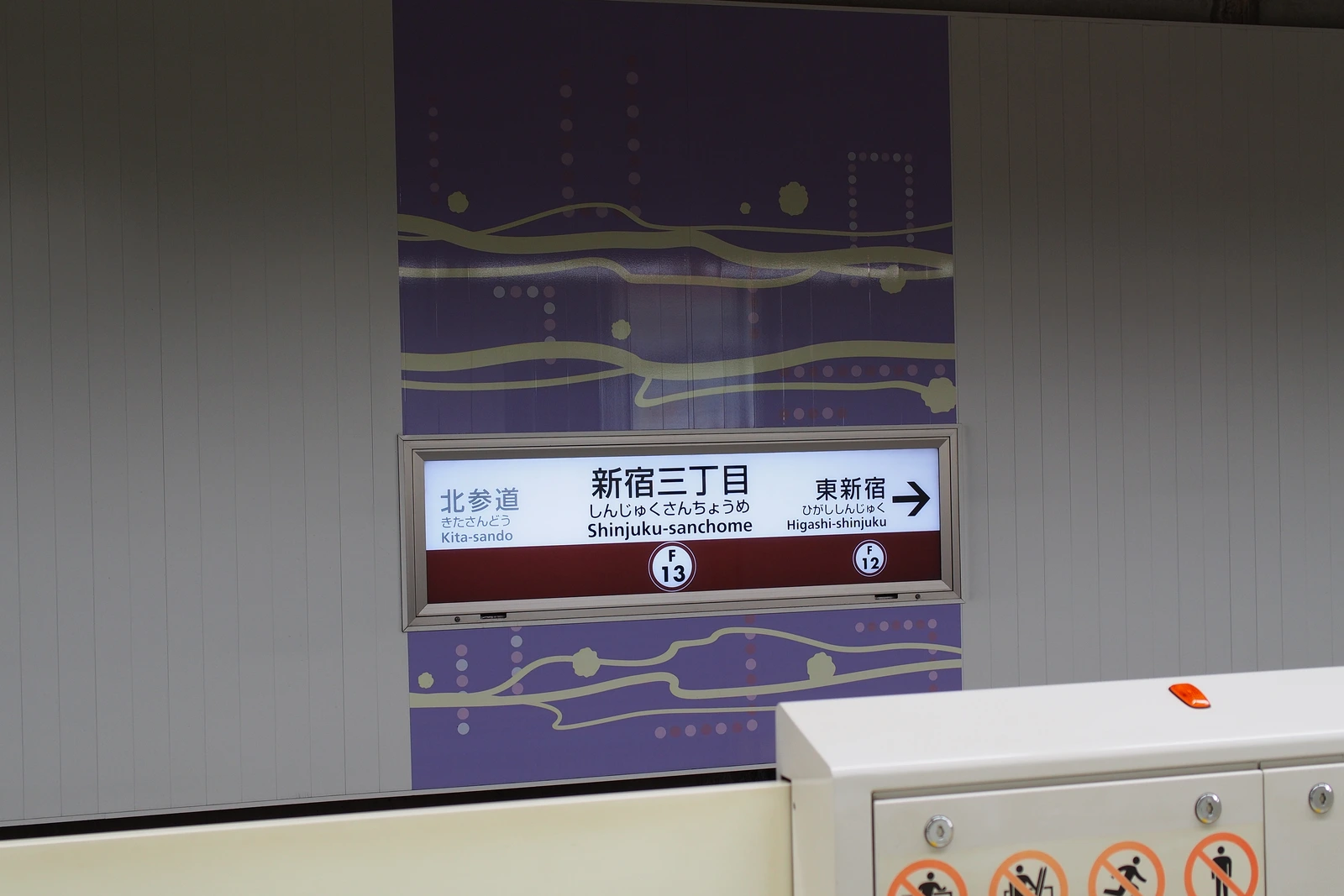
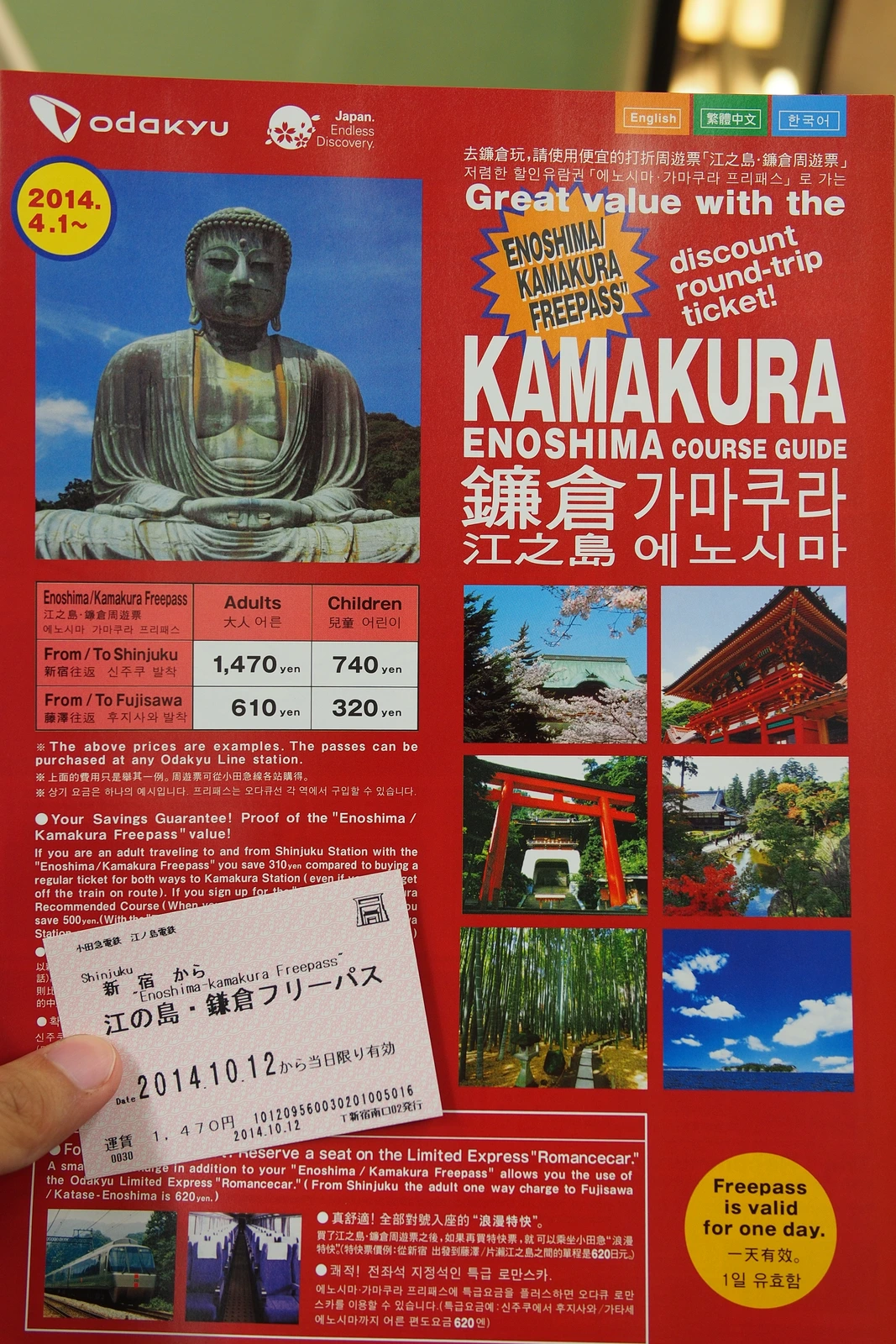
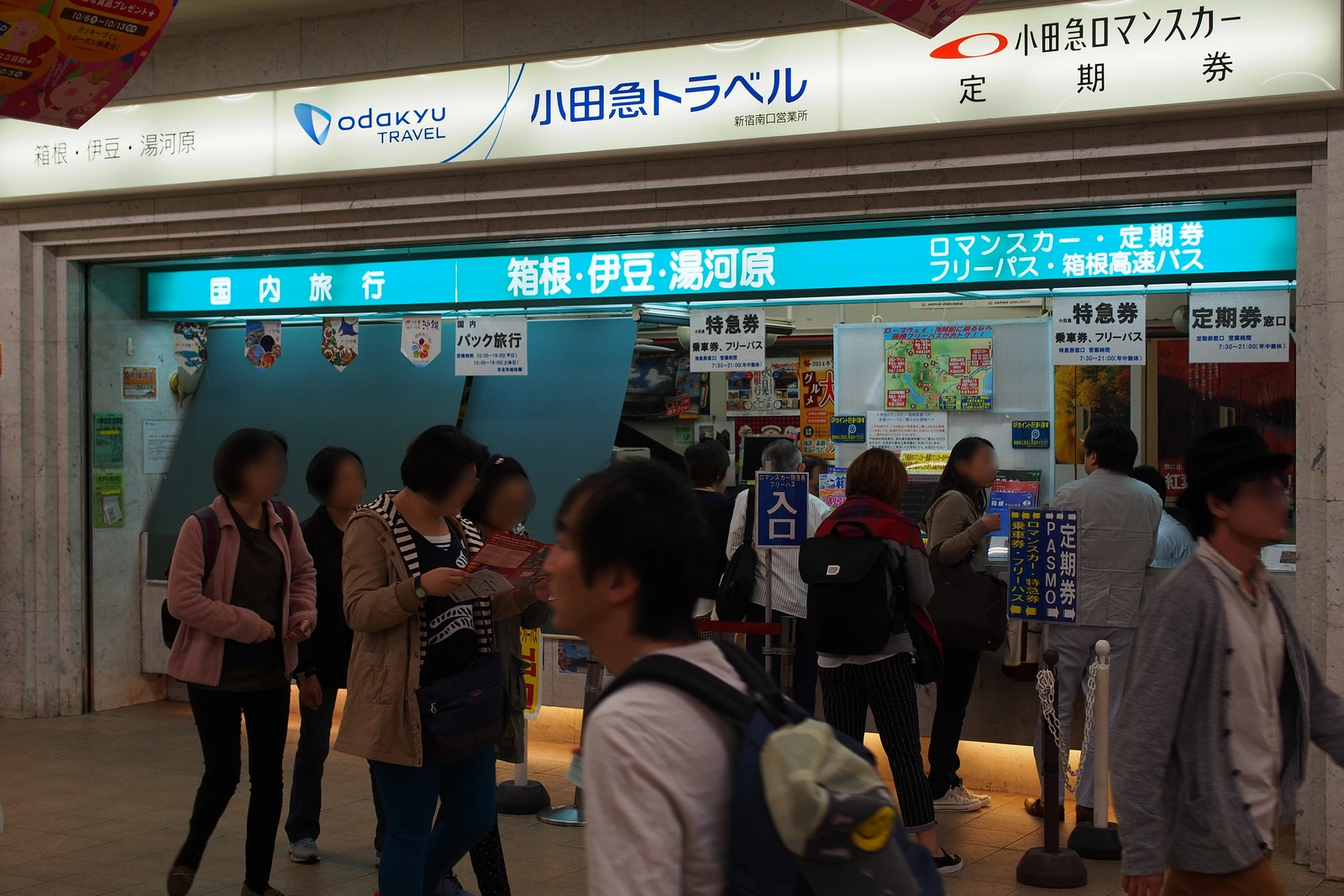
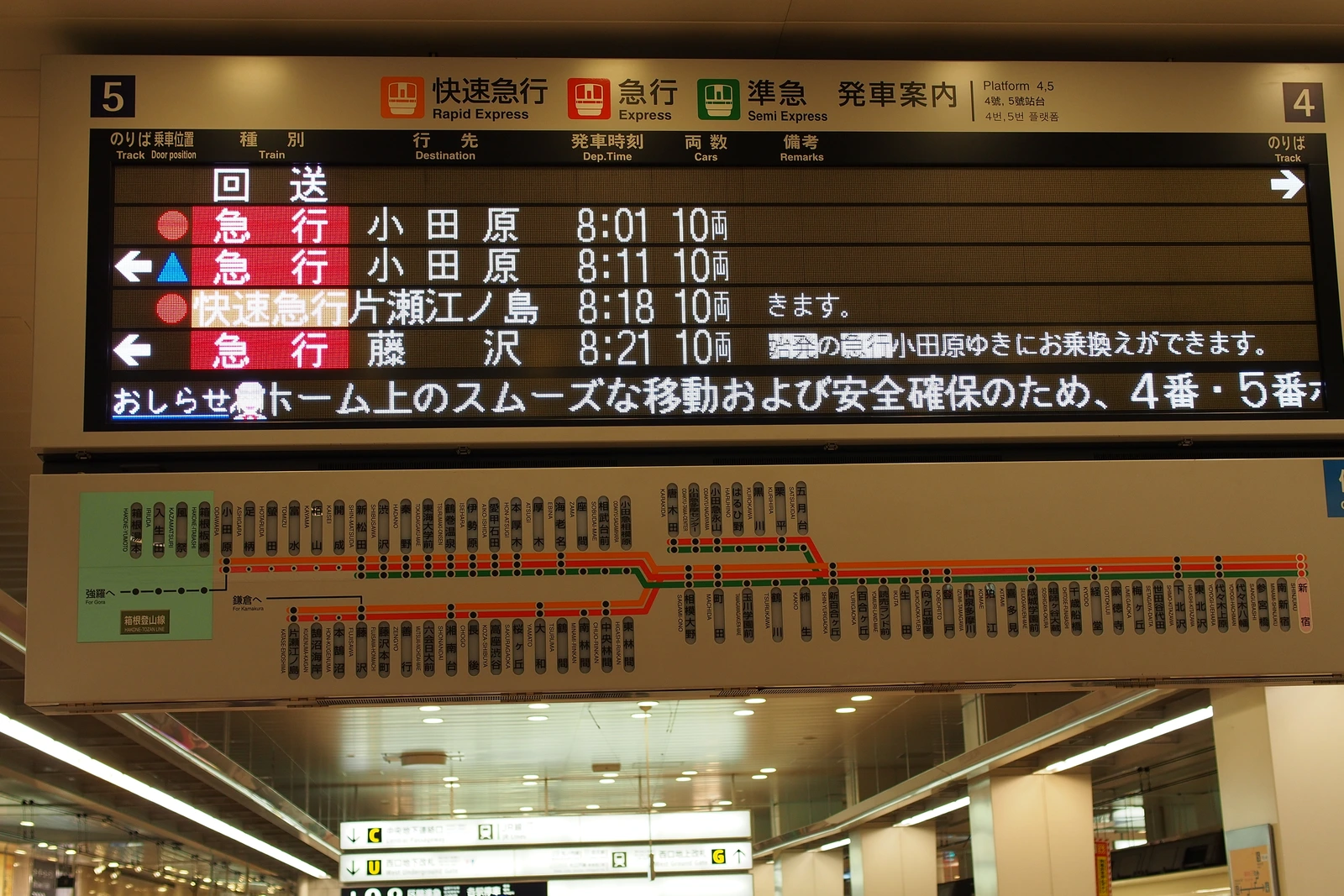
The plan for the day was a one-day trip to Enoshima and Kamakura. After doing some homework online, I decided to follow this guide to getting from Shinjuku to Kamakura and Enoshima in one day (the blog is now closed). I bought an Odakyu Enoshima-Kamakura Free Pass and took an express from Shinjuku toward Odawara, changing trains at Sagami-Ono. You can buy the ticket from a vending machine, but I was greedy for the printed guide that came with it, so I lined up at the counter. Only later did I realize you could just pick the guide up from the side.
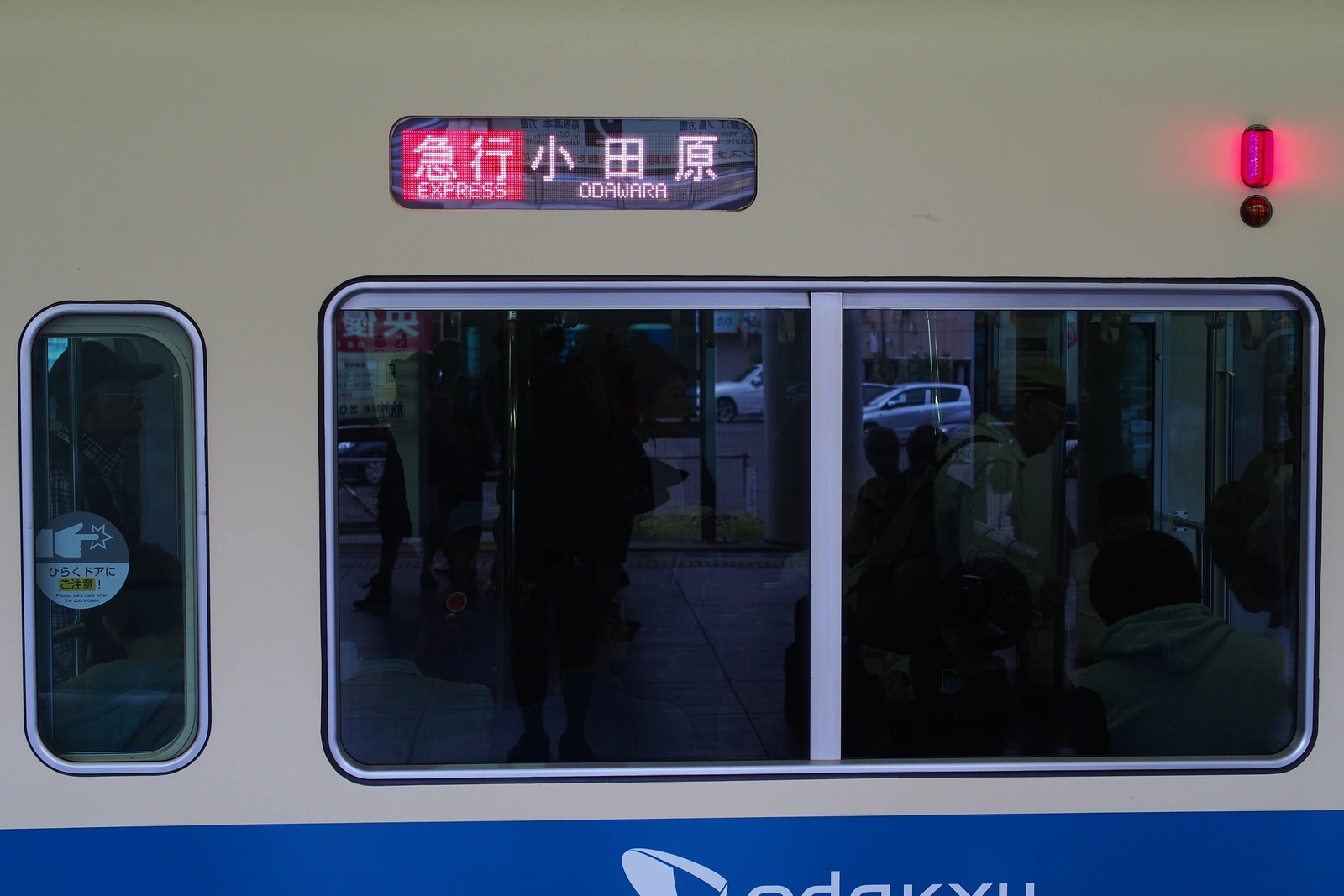
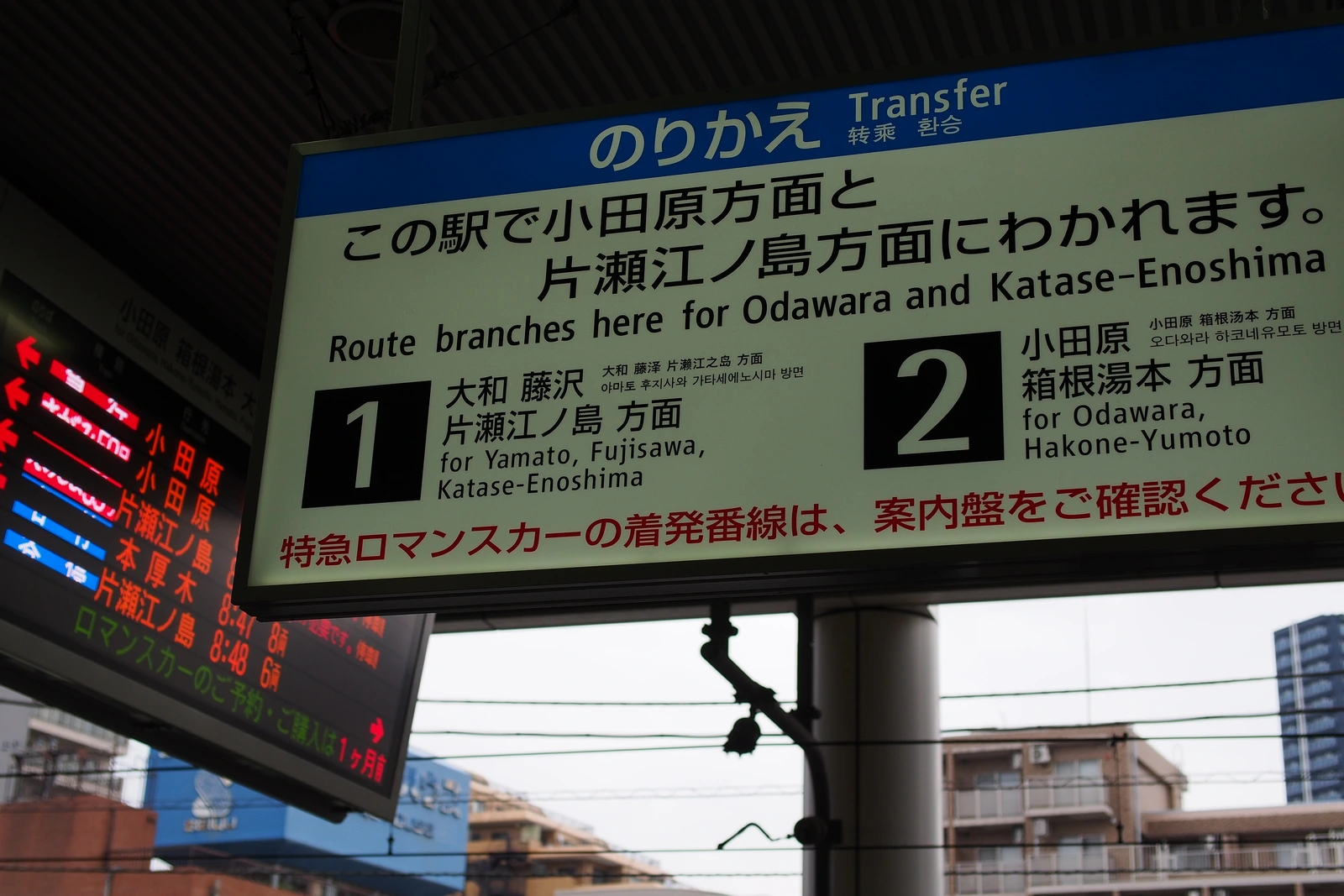
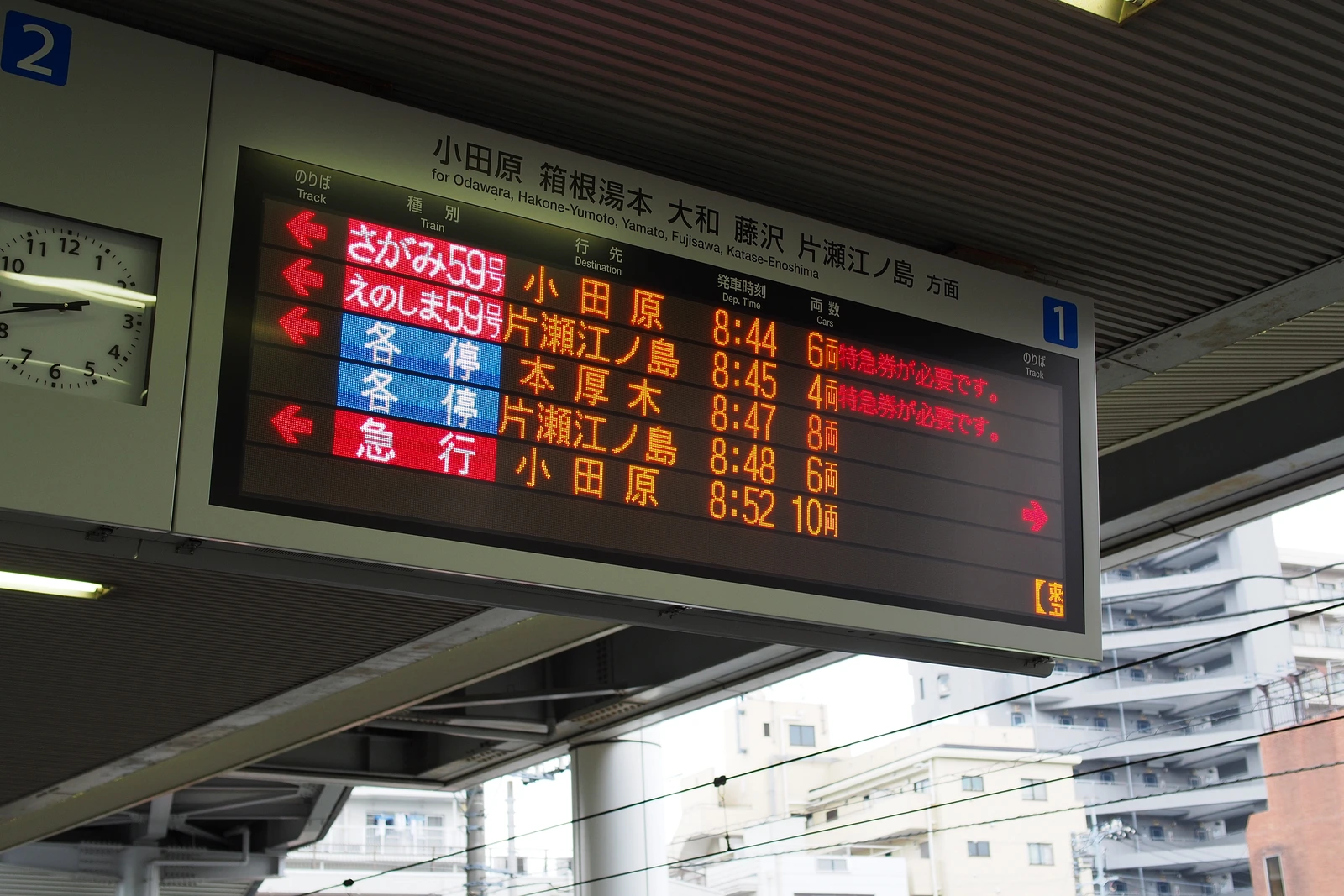
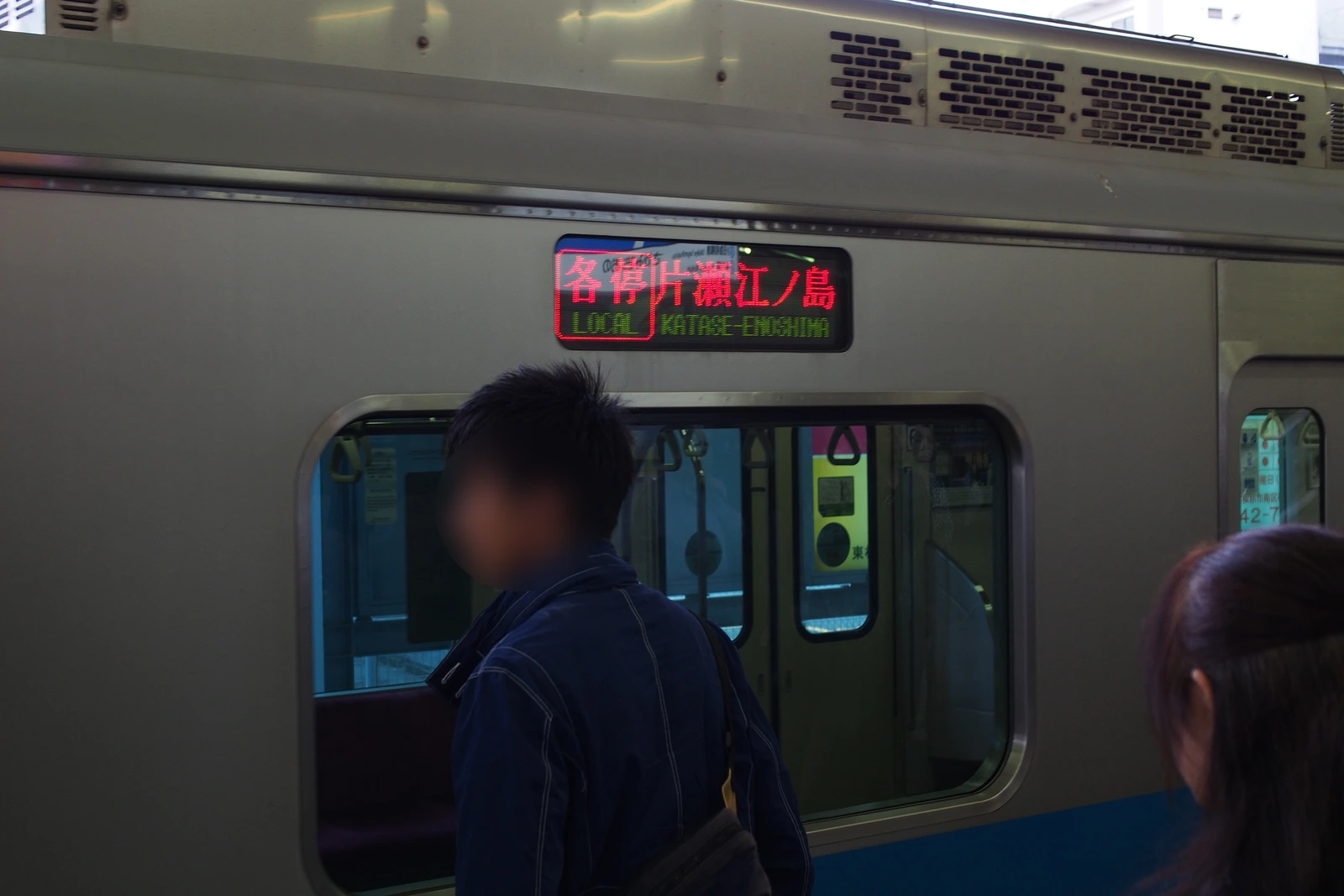
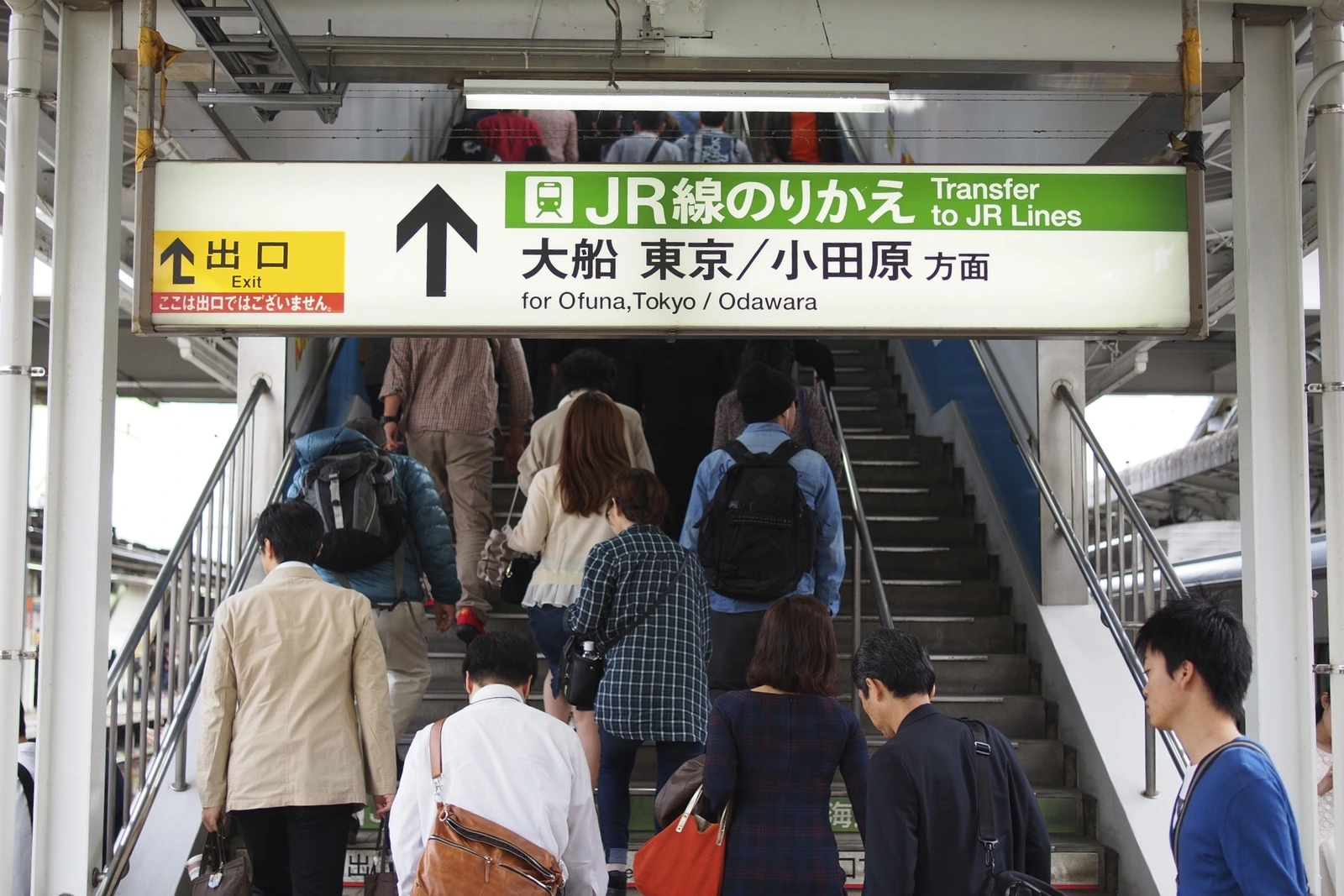
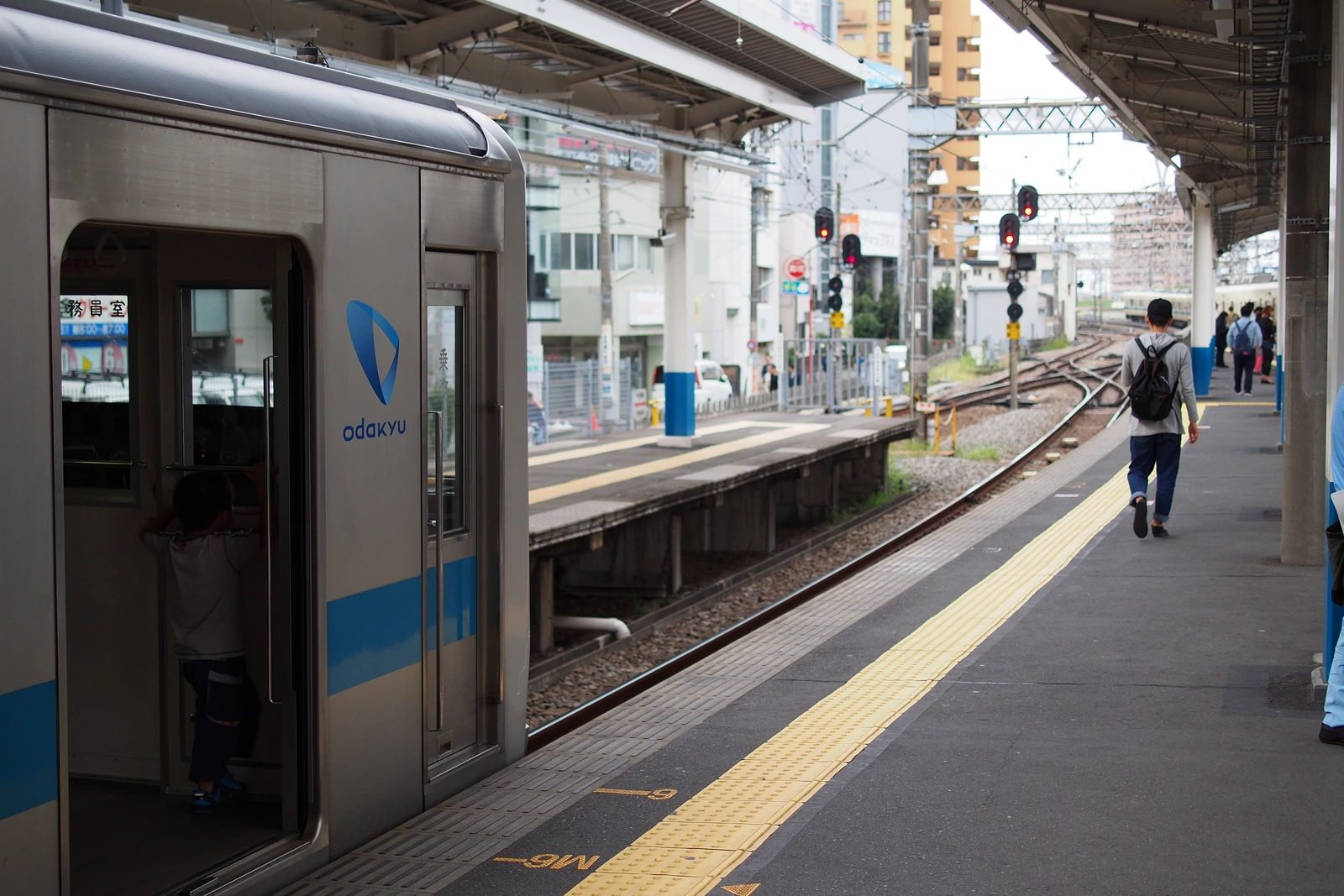
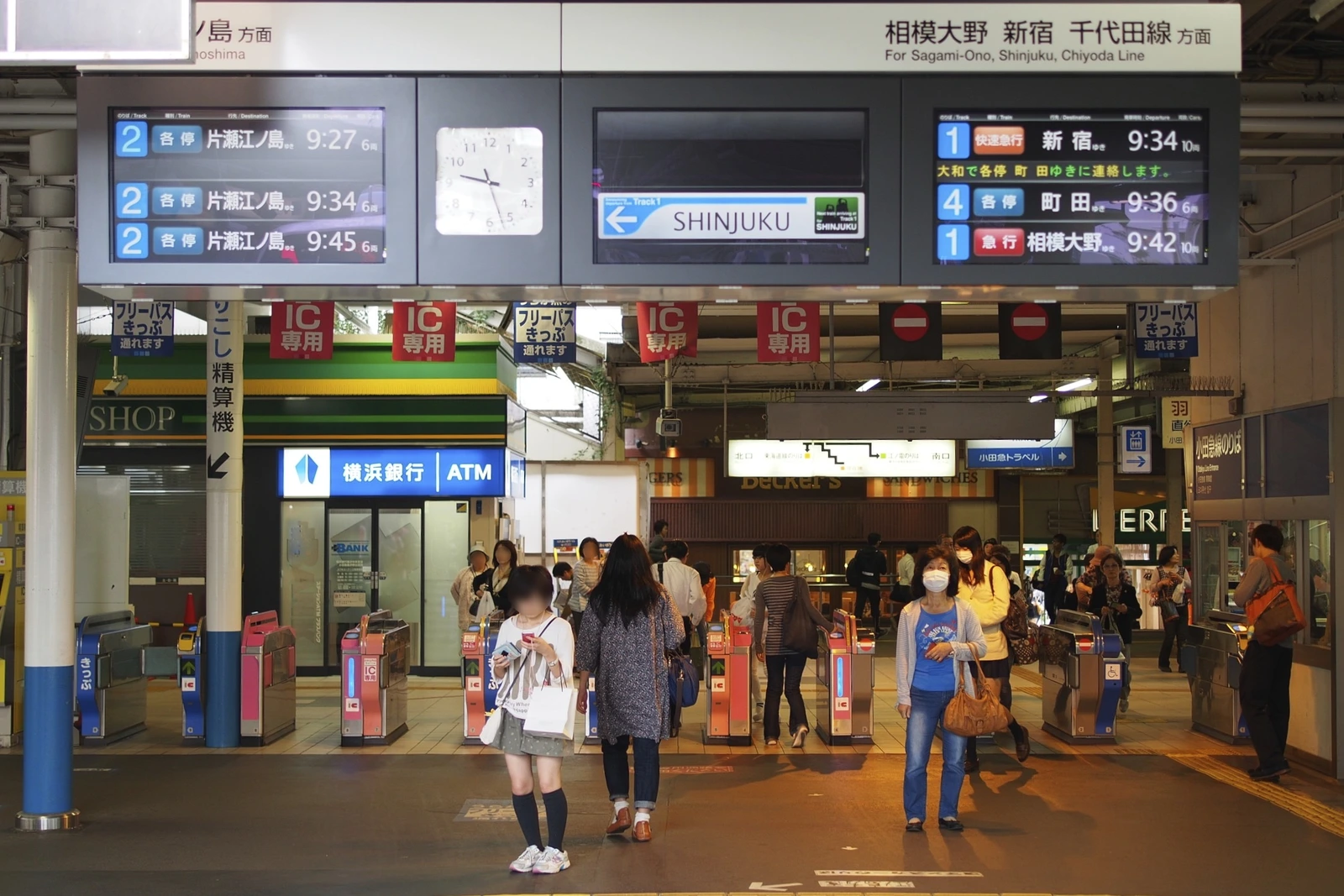
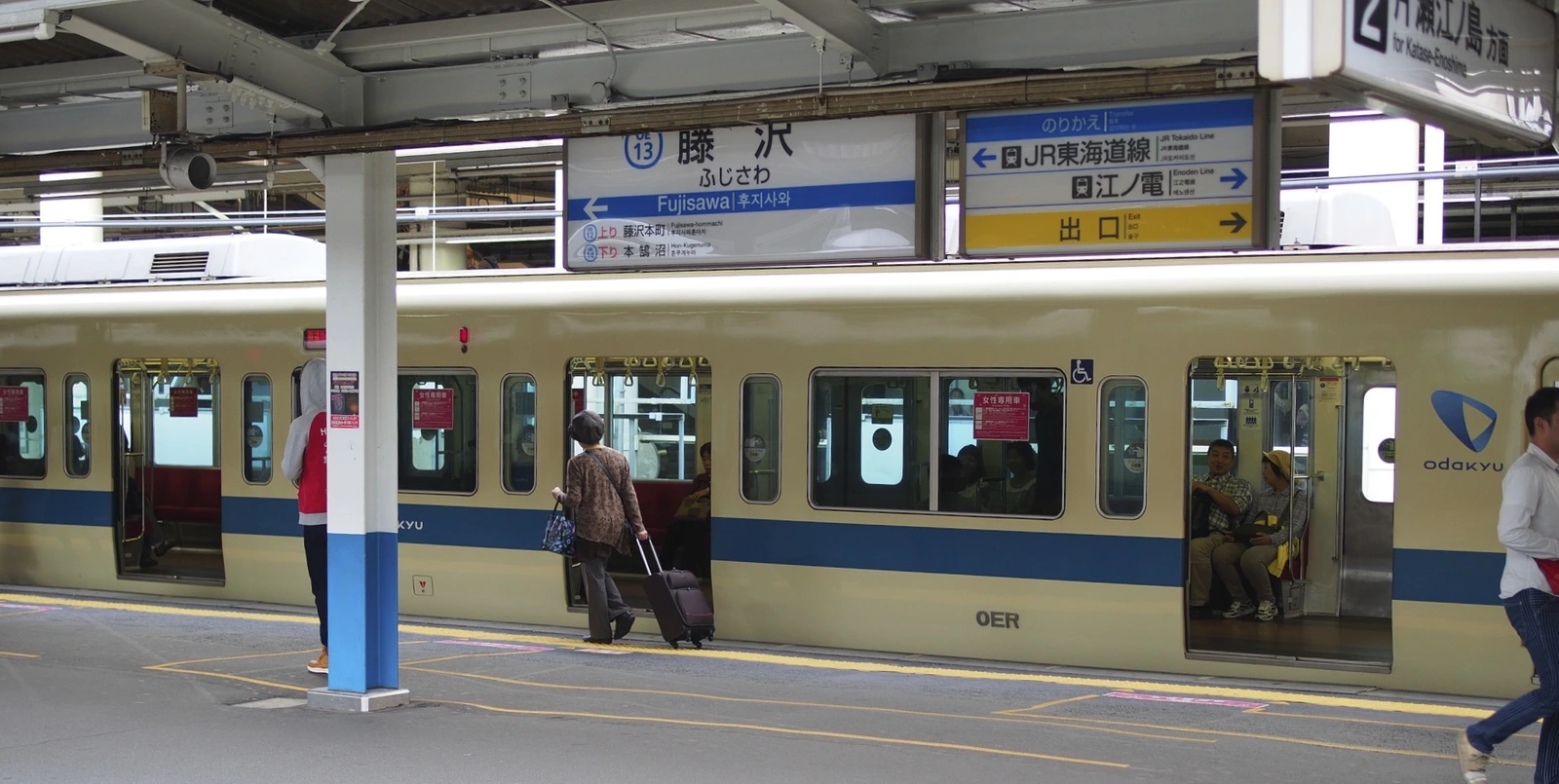
Once I got to Fujisawa, I was supposed to transfer to the Enoden, but I stupidly walked toward the JR side without checking where I was going. My ticket would not go through, and a station staff member hurried over to ask where I was trying to go. He even pulled out an elaborate little model to explain where I needed to transfer, which suggests I was far from the first foreigner to make this mistake. I was so nervous that I barely understood anything he said, but fortunately I still managed to find the exit in the end.
On the way to the Enoden, I saw a tourist information center and decided to pop in. There was a lot of sightseeing information and some handy pocket maps. The Japanese really put effort into promoting tourism. It is not like our government back home, which only talks about it.
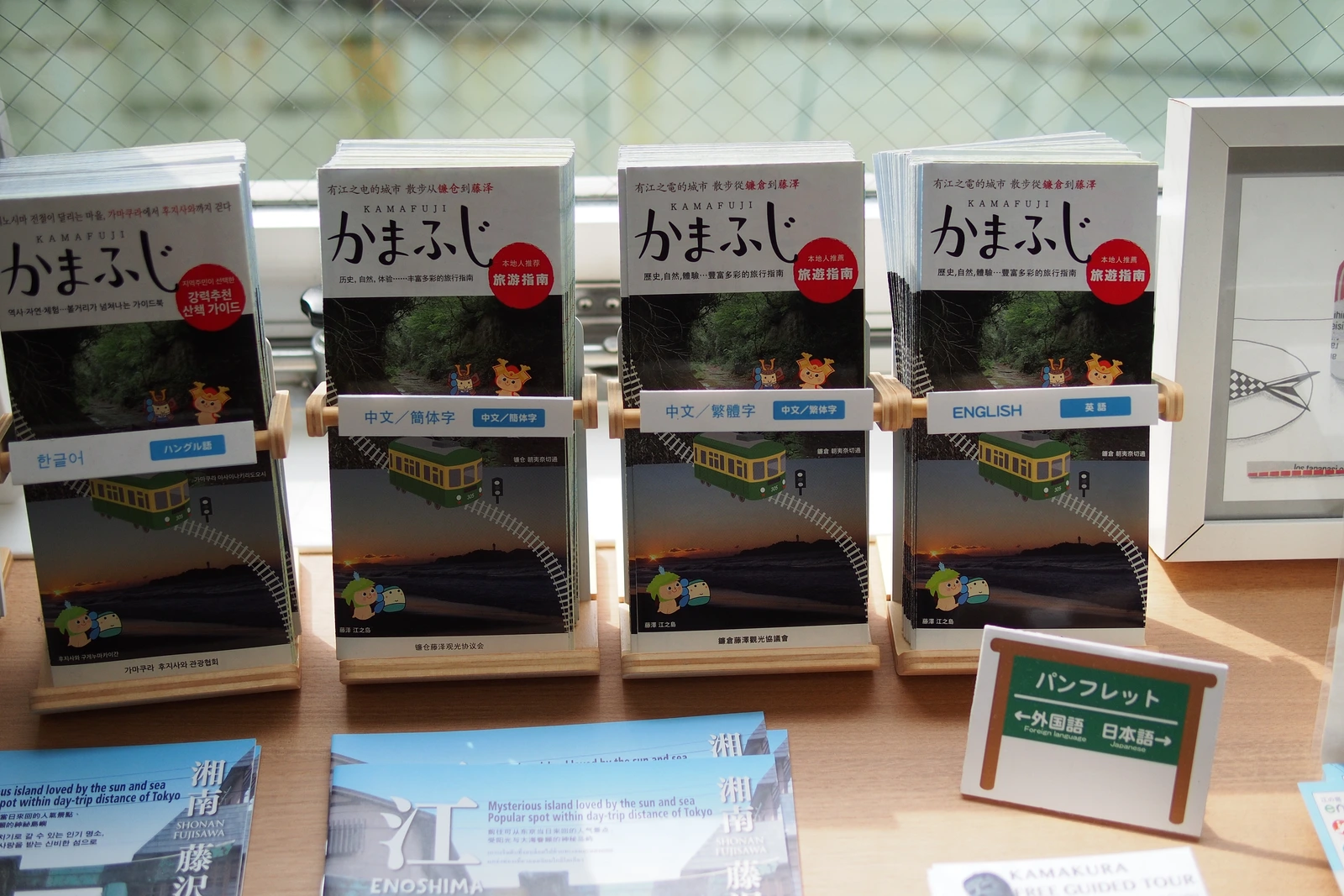
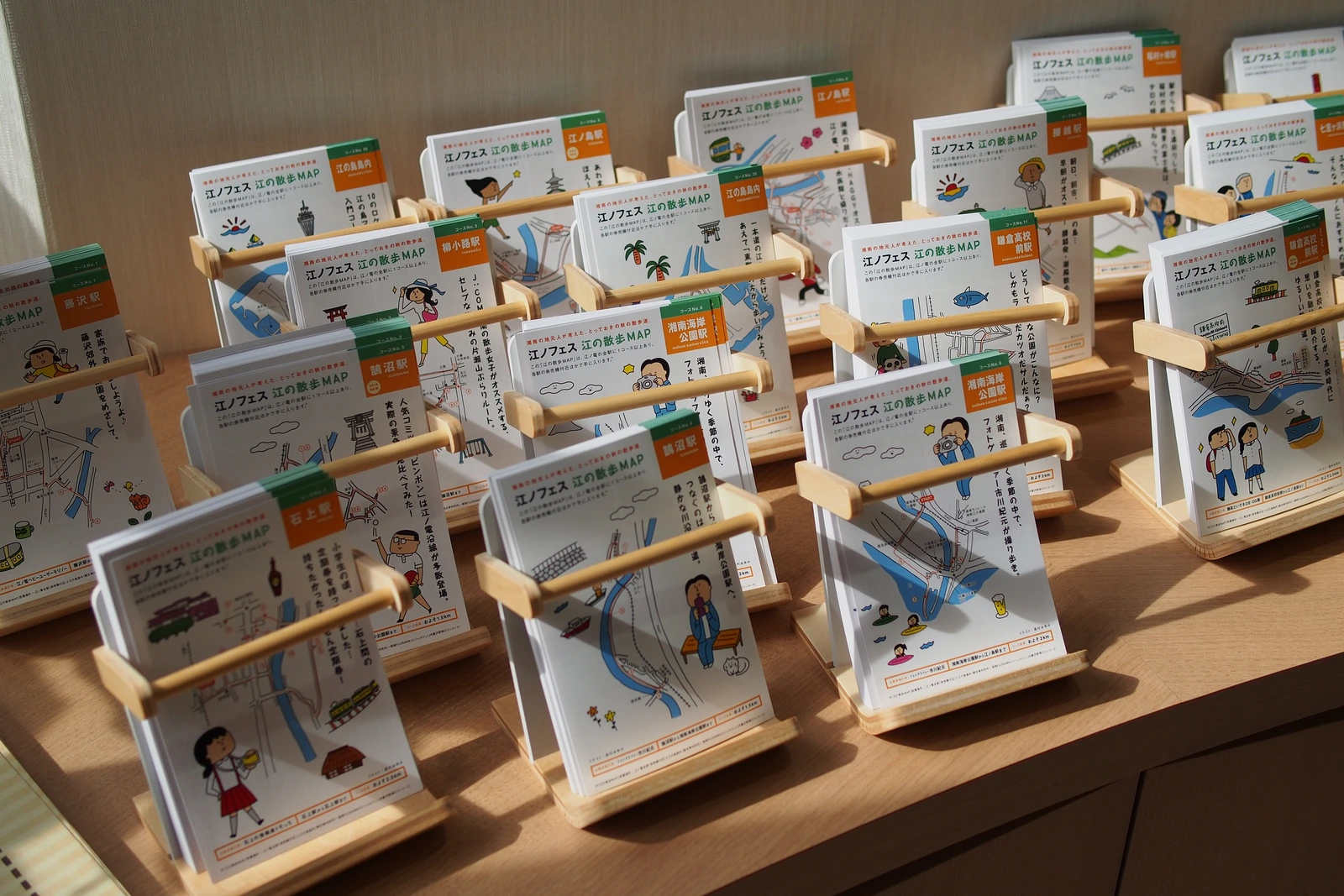
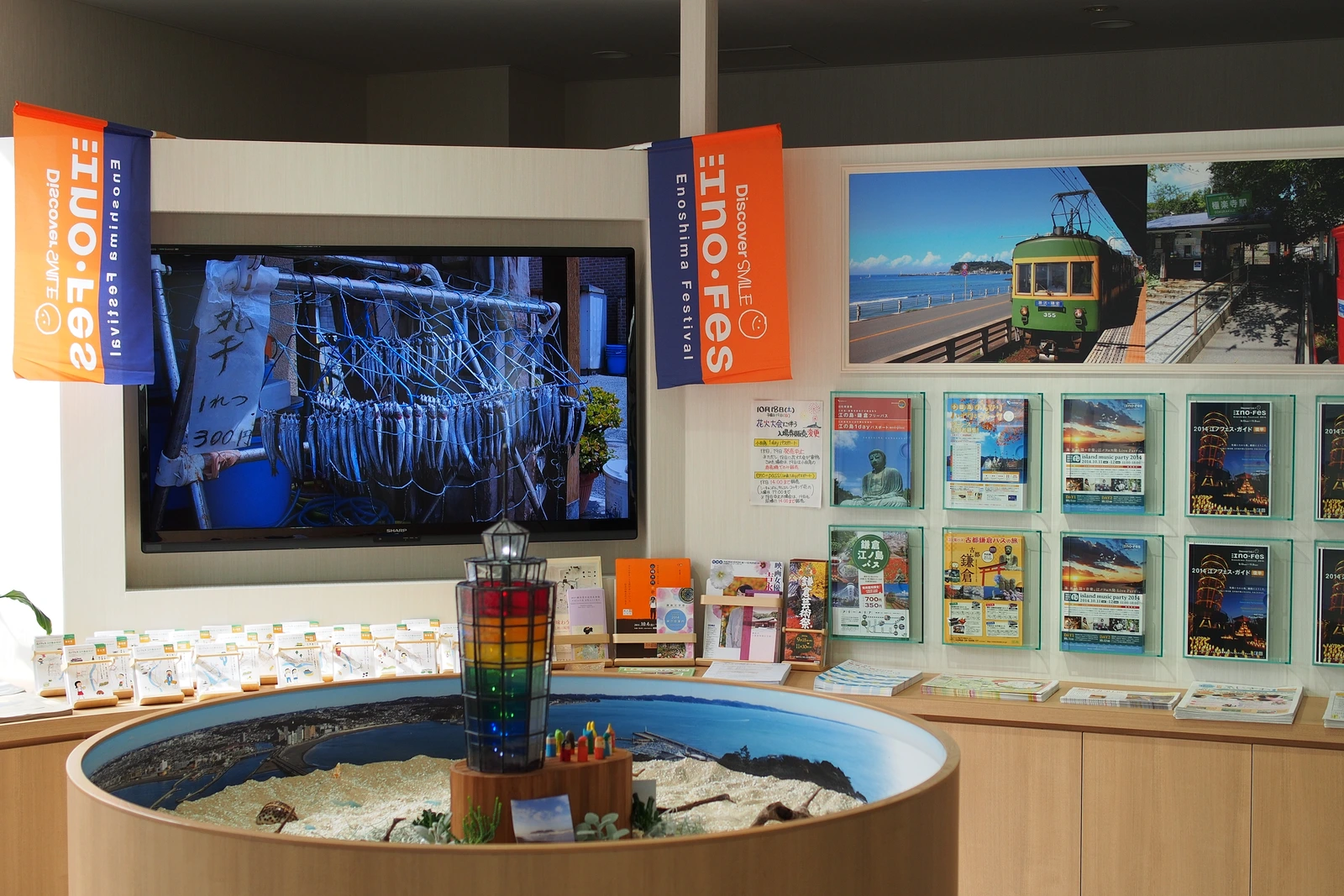
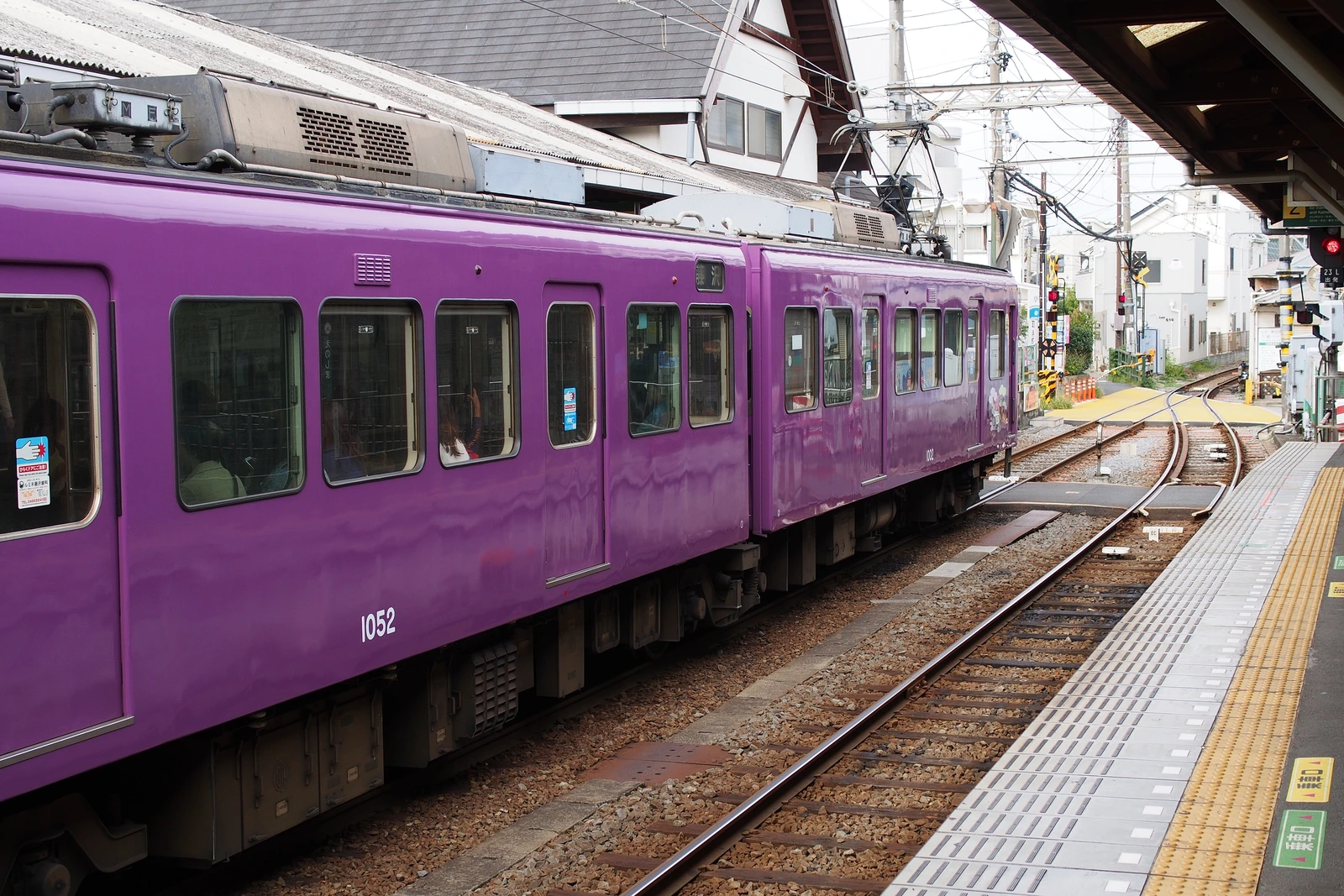
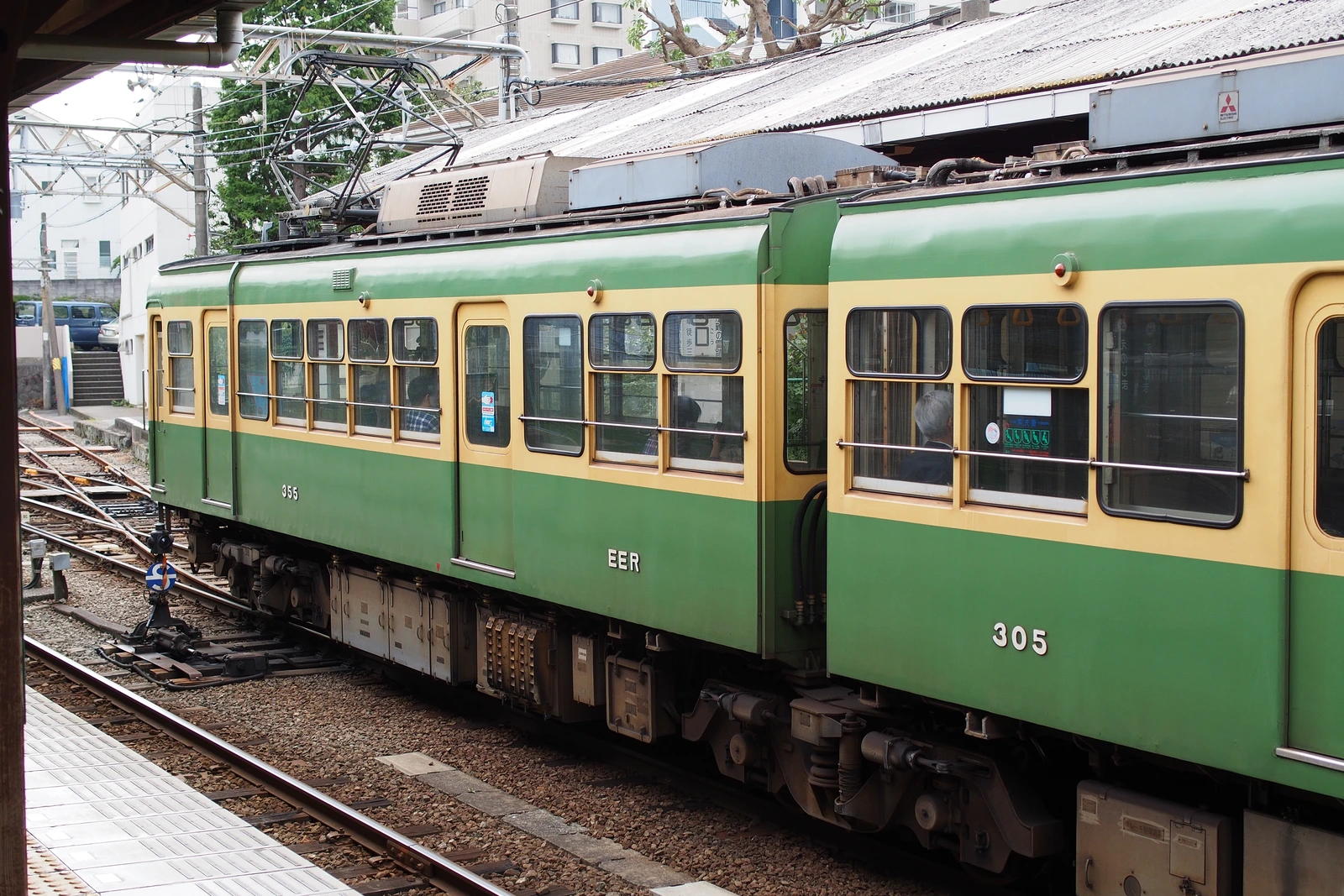
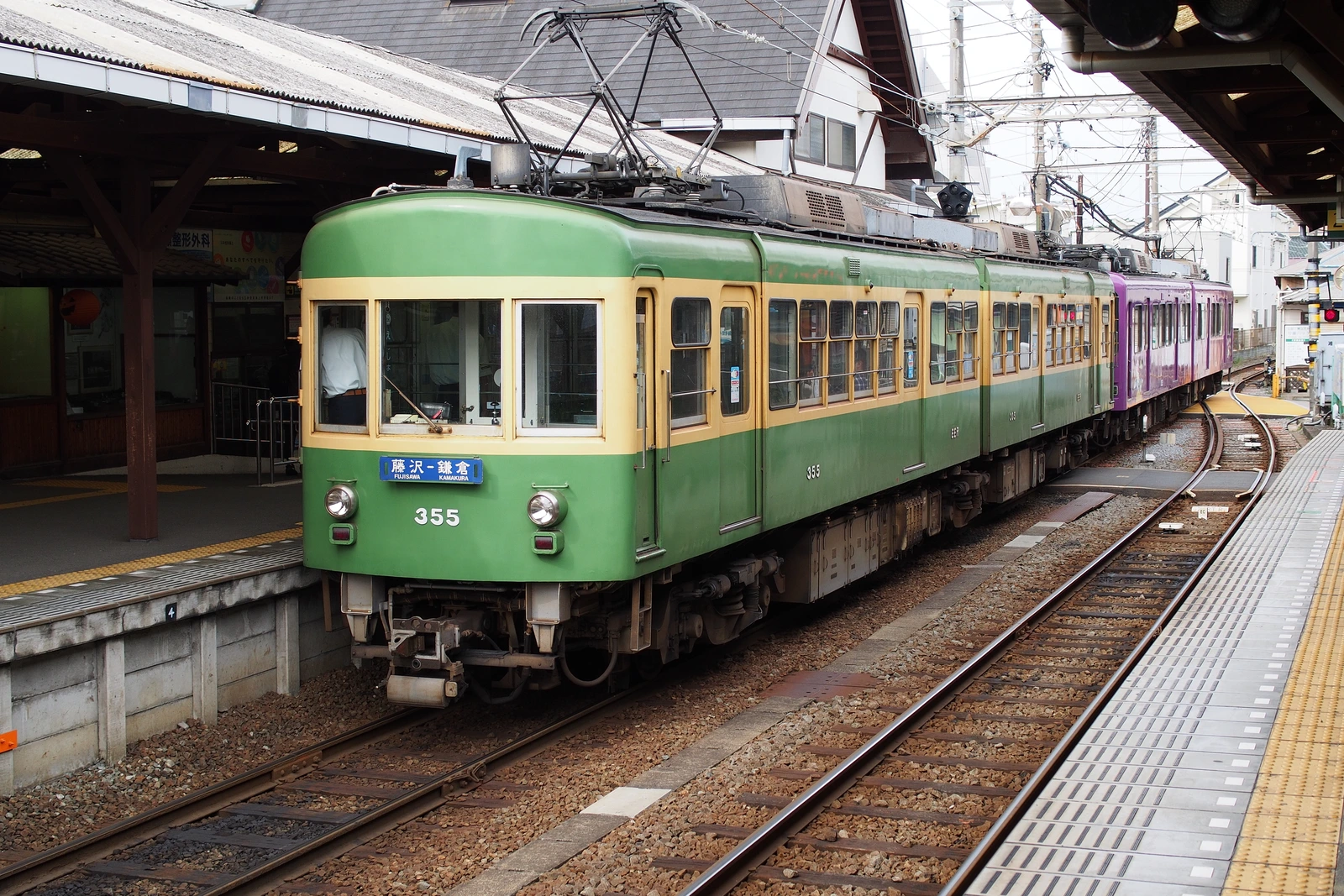
After leaving the tourist center, I quickly reached Fujisawa Station. I had just missed a train, so I had to wait another twelve minutes. I pulled out my camera to kill time. I had assumed I would run into lots of Taiwanese tourists on a trip like this, but I did not see any at all.
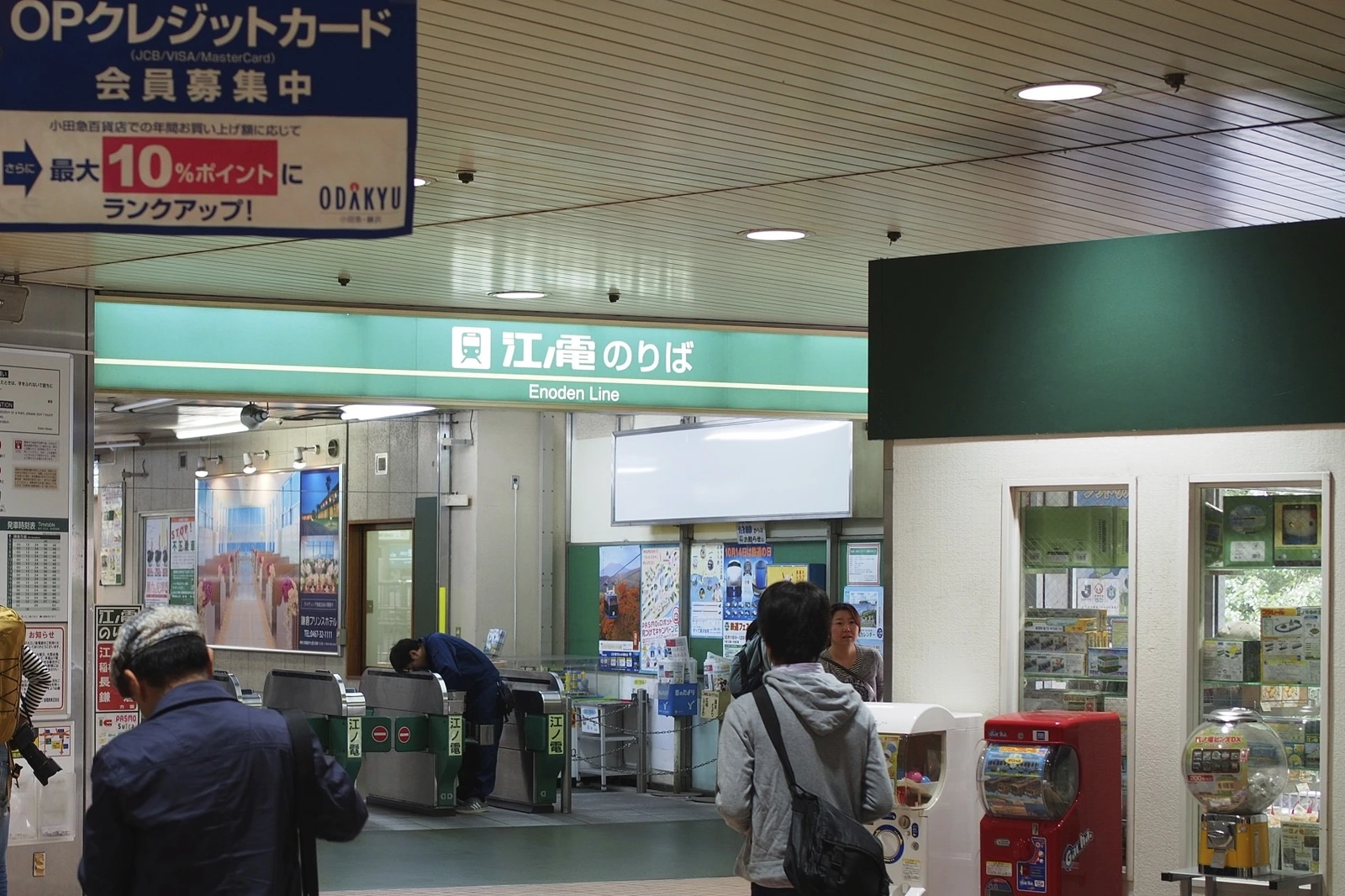
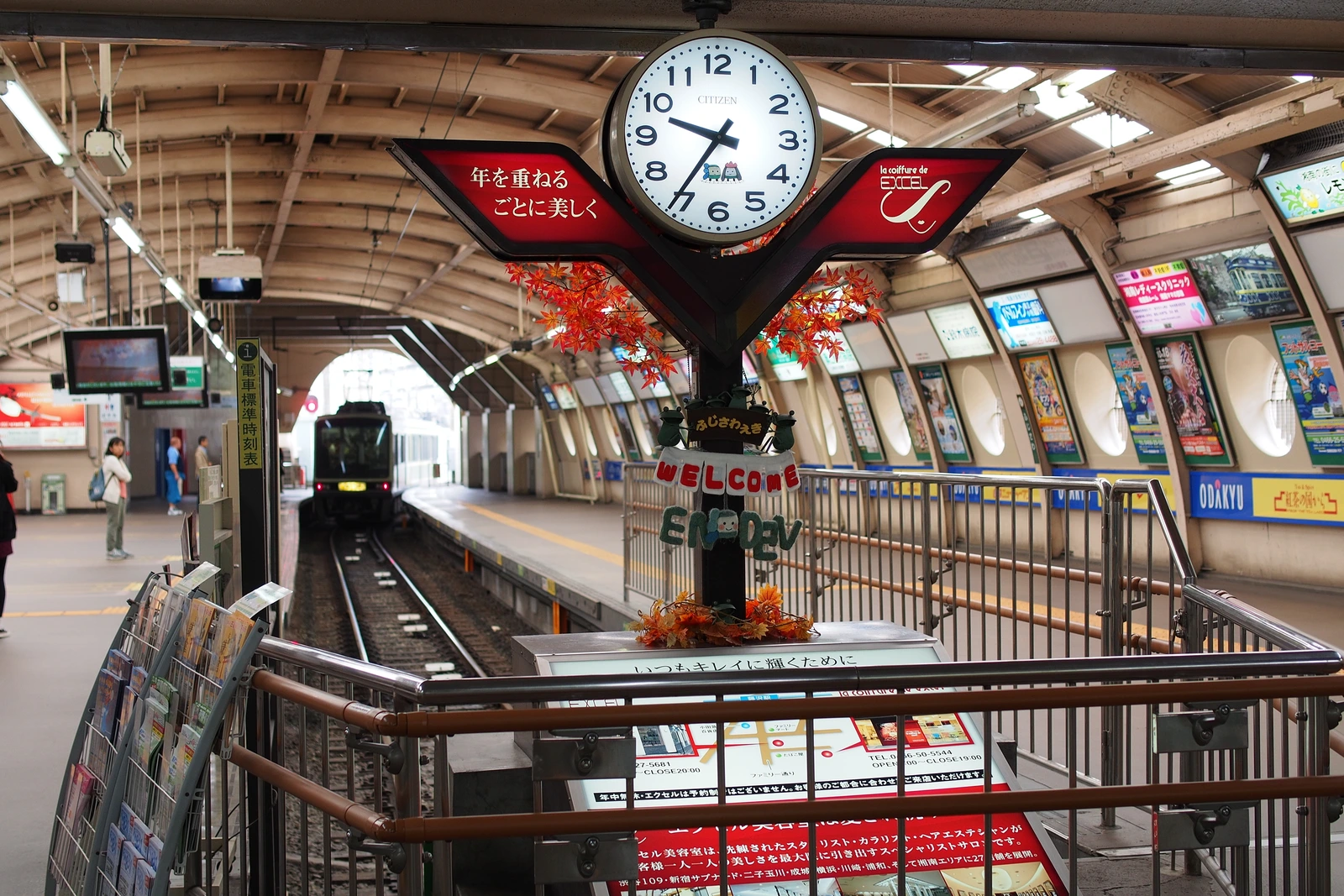
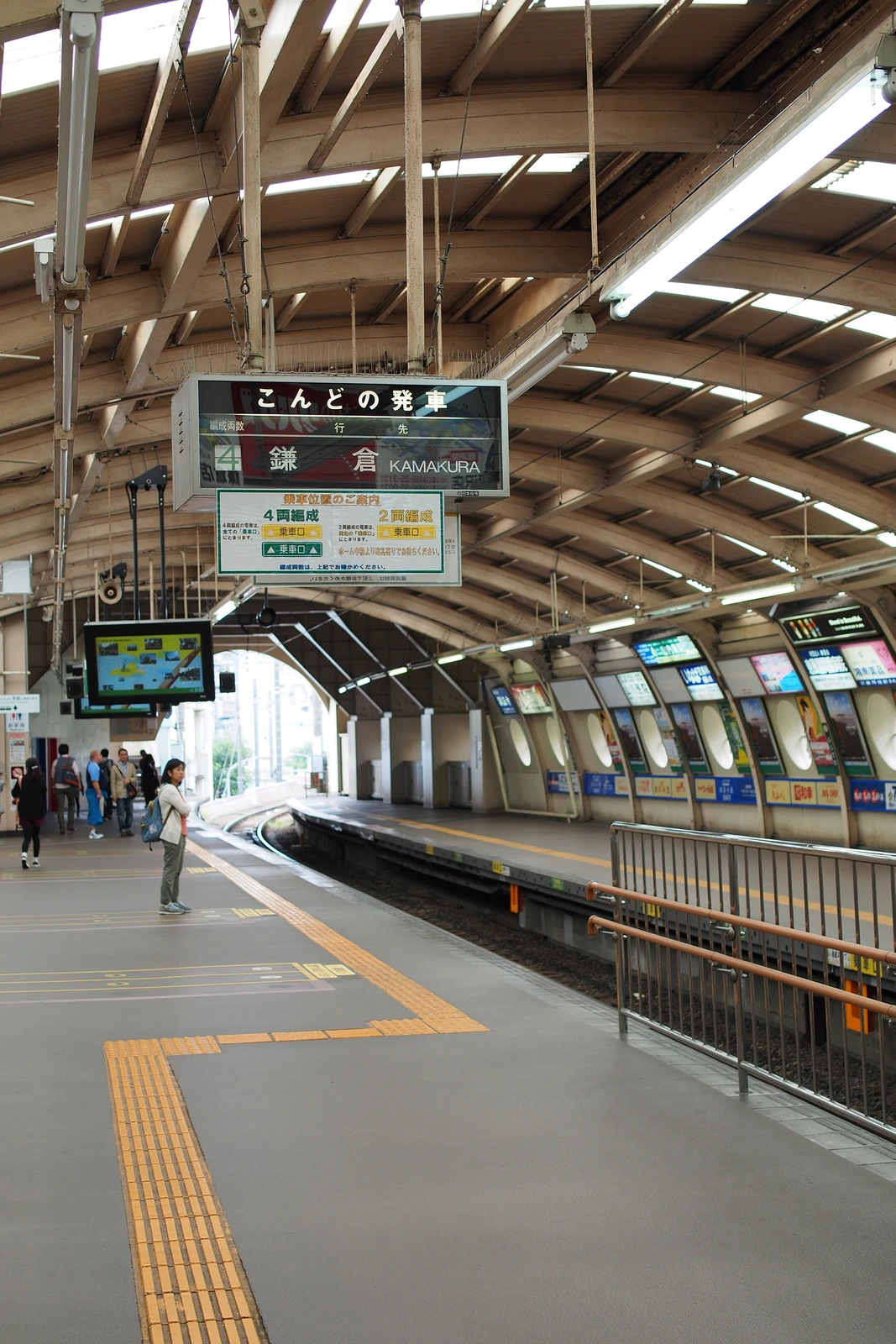
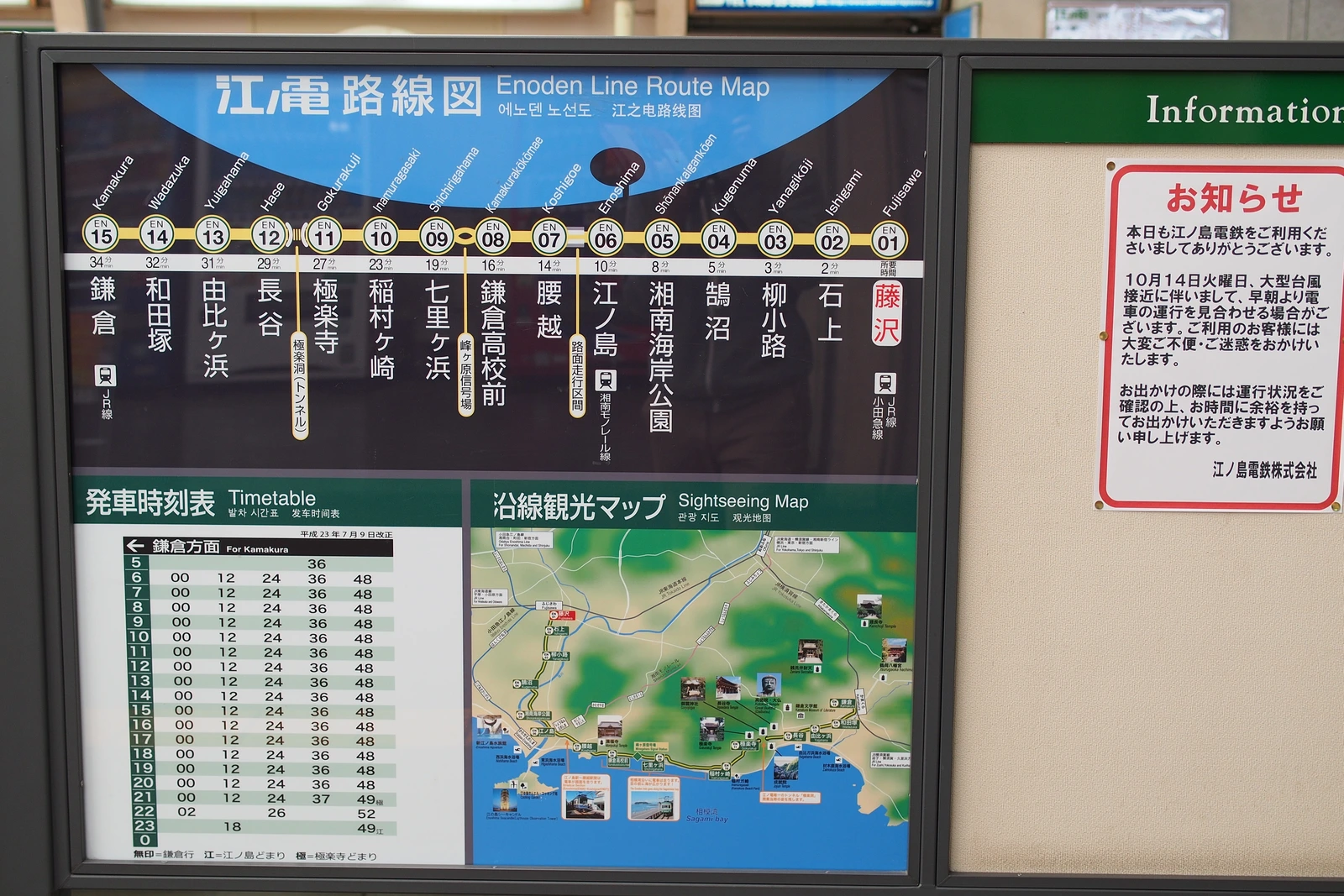
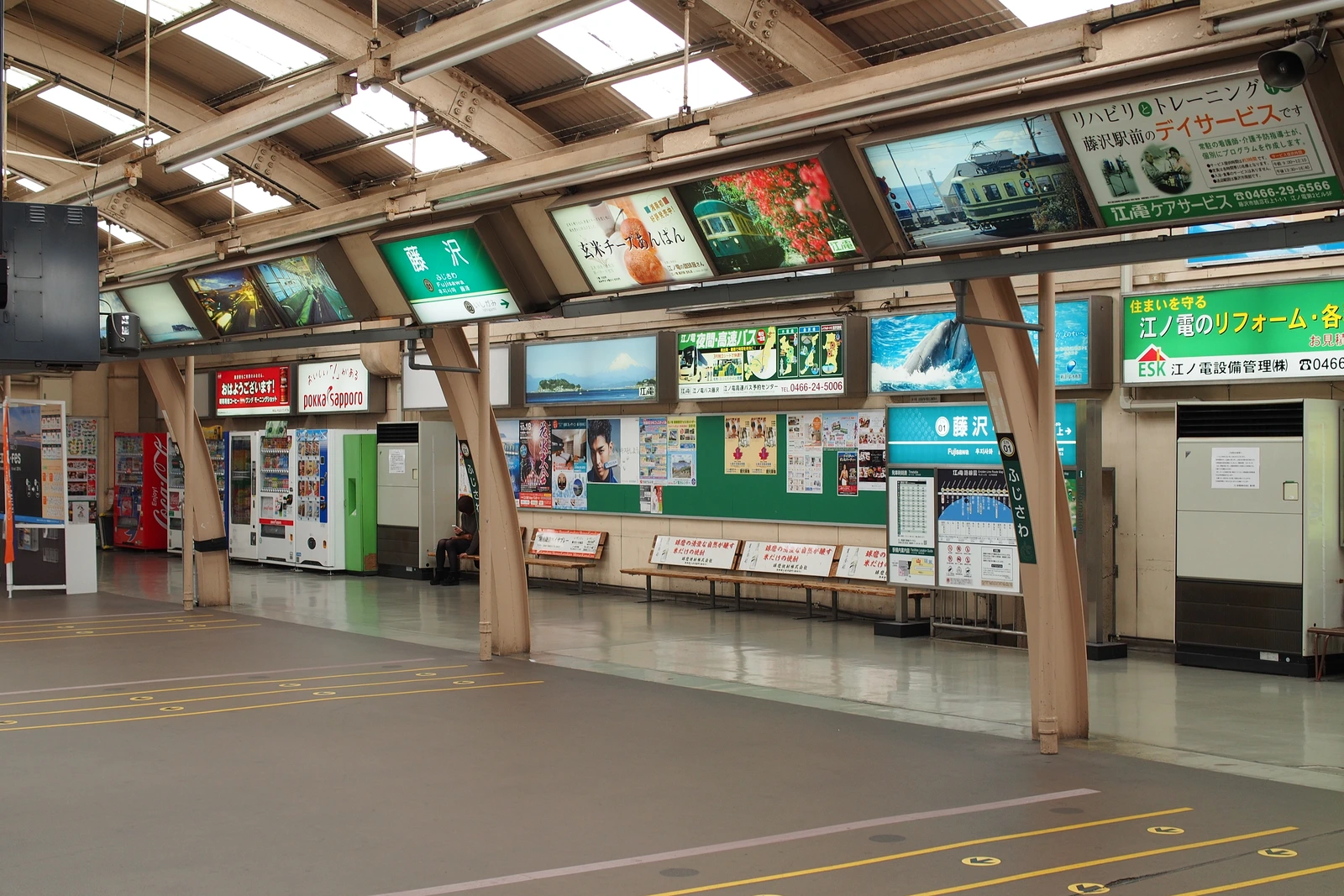
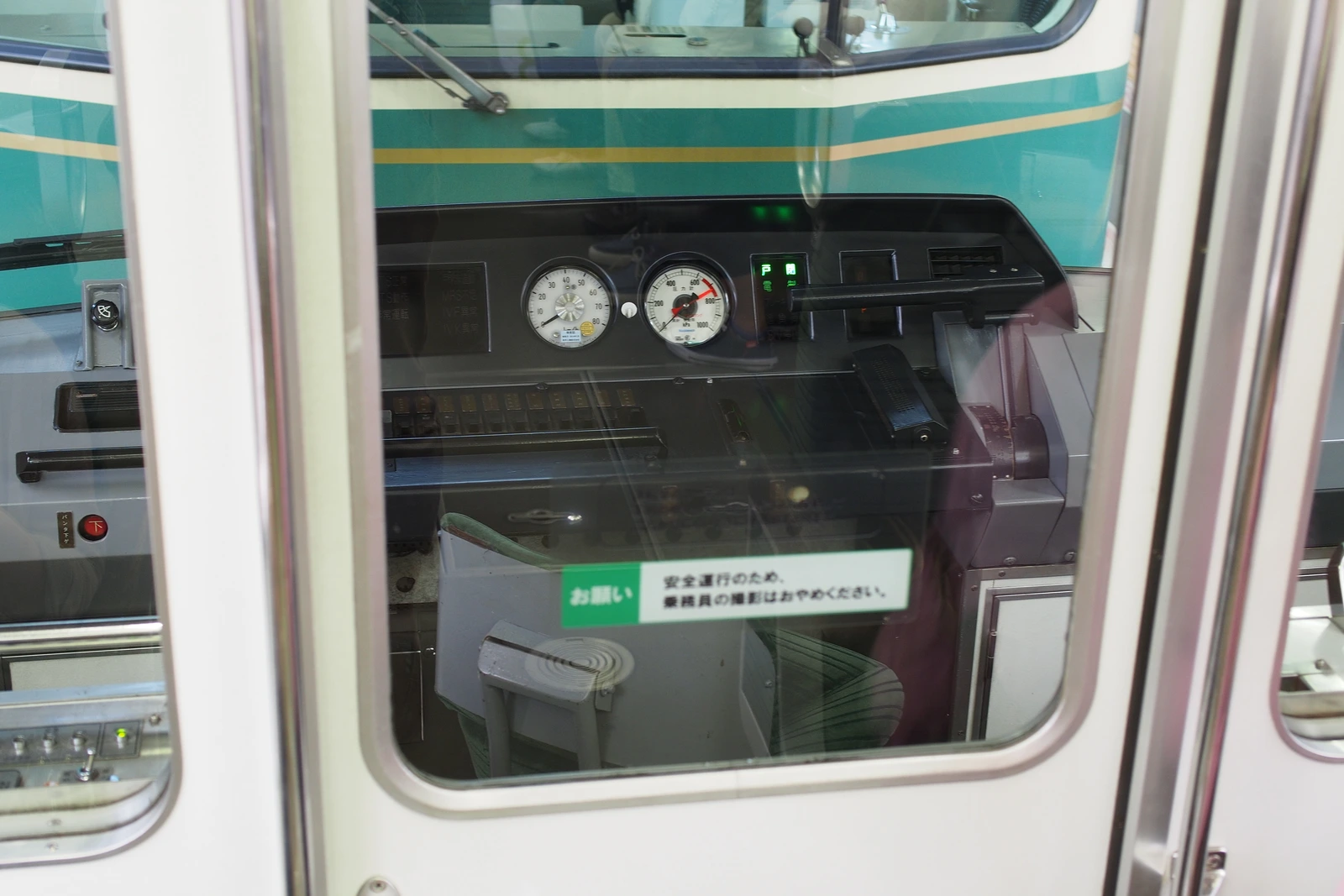
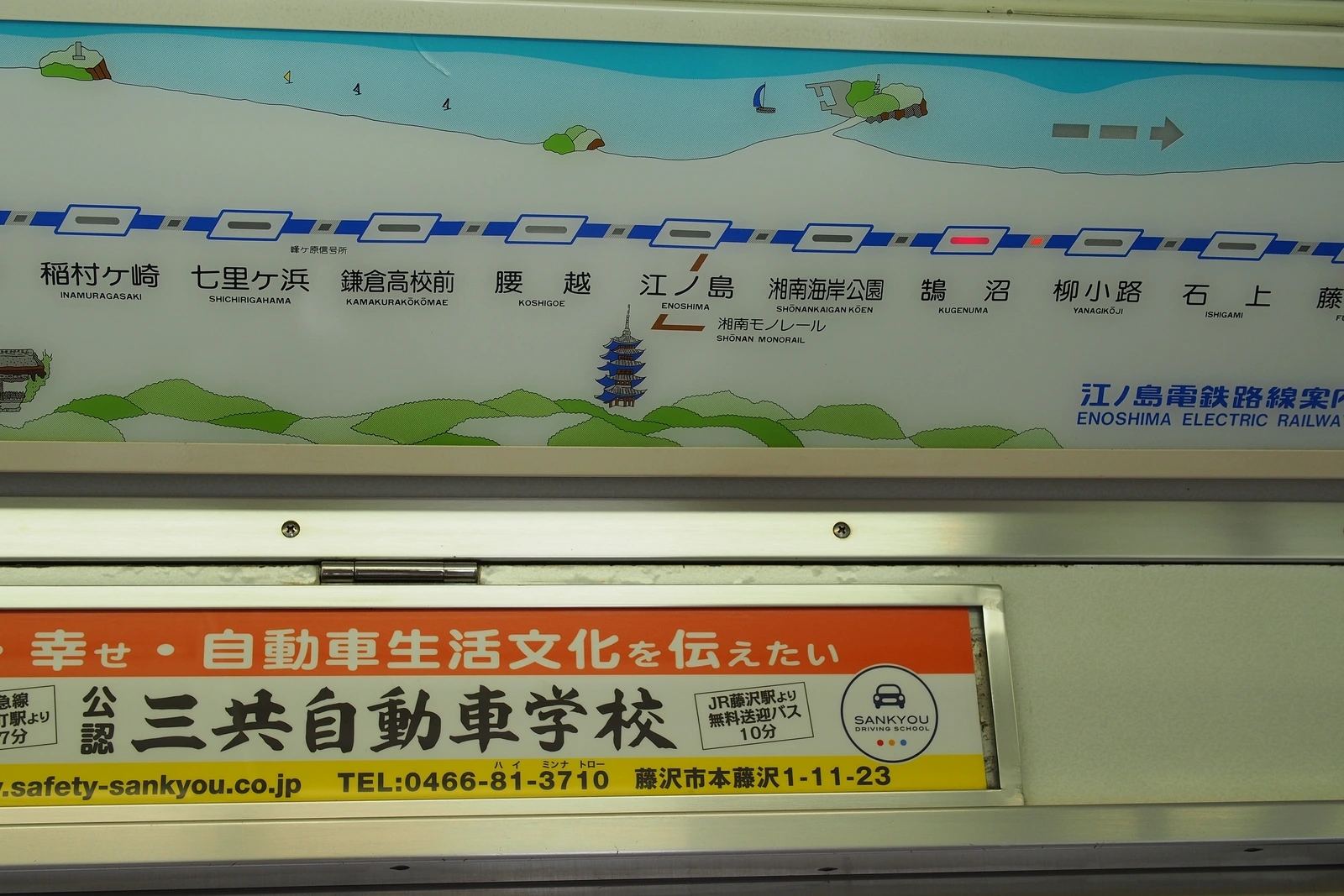
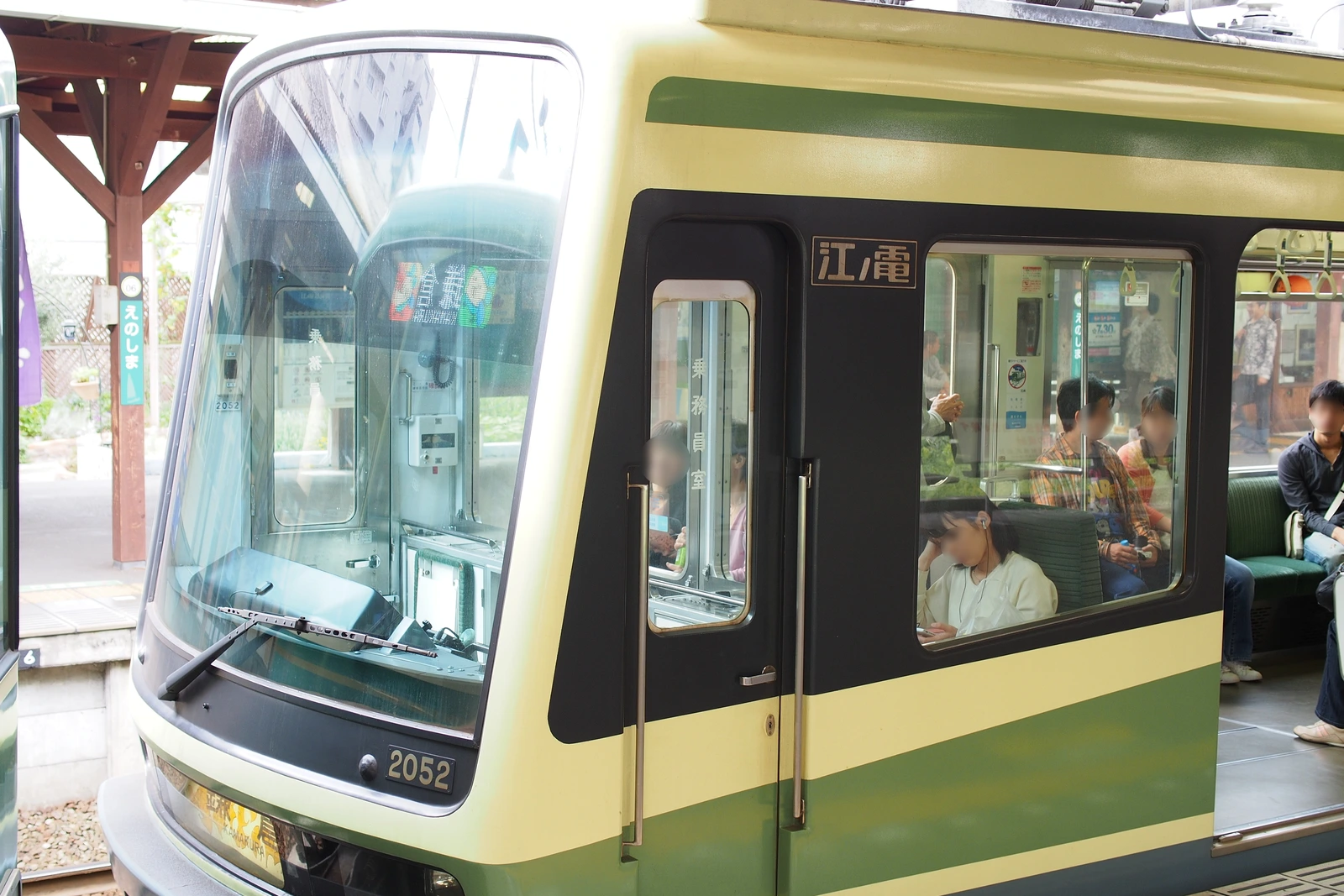
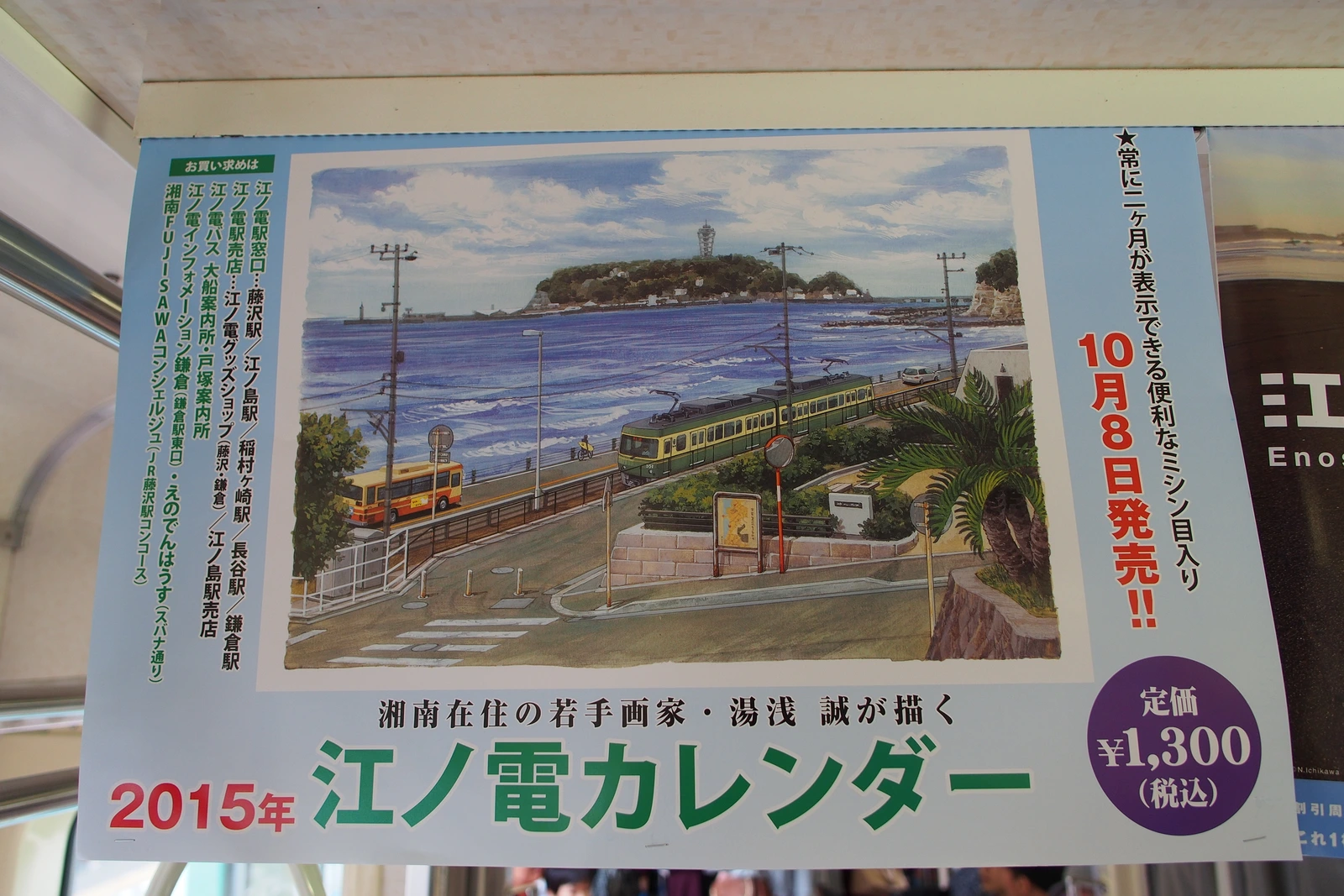
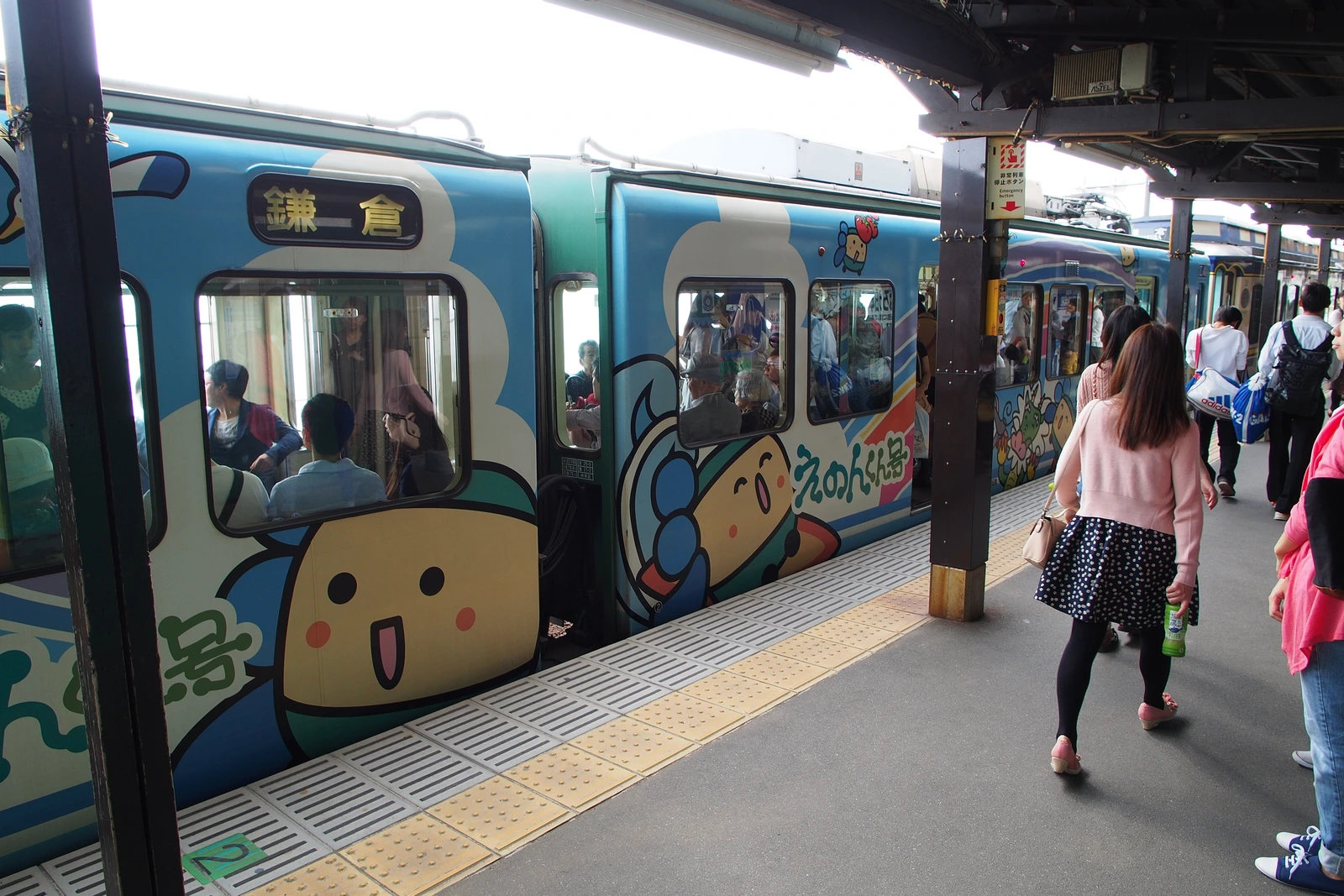
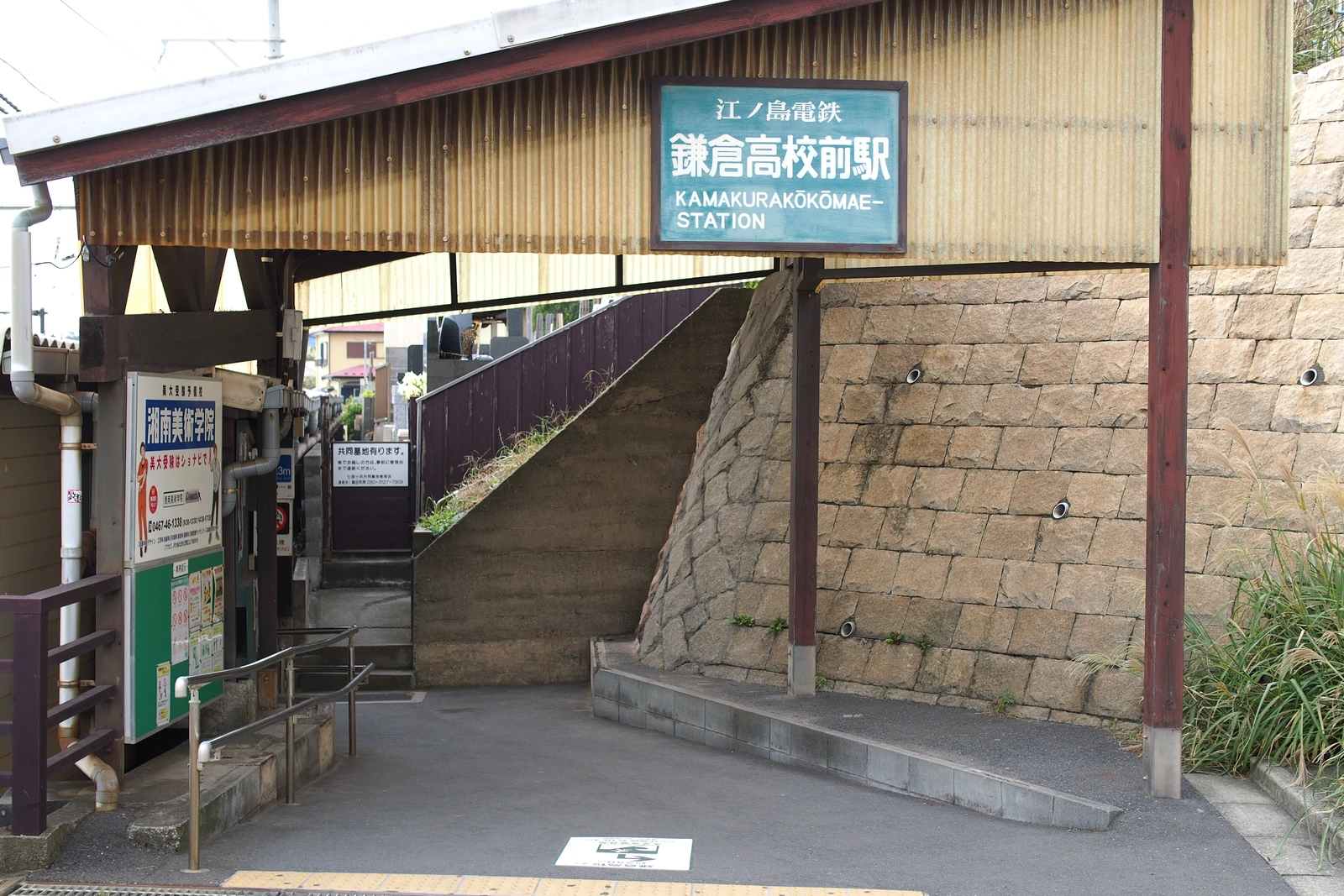
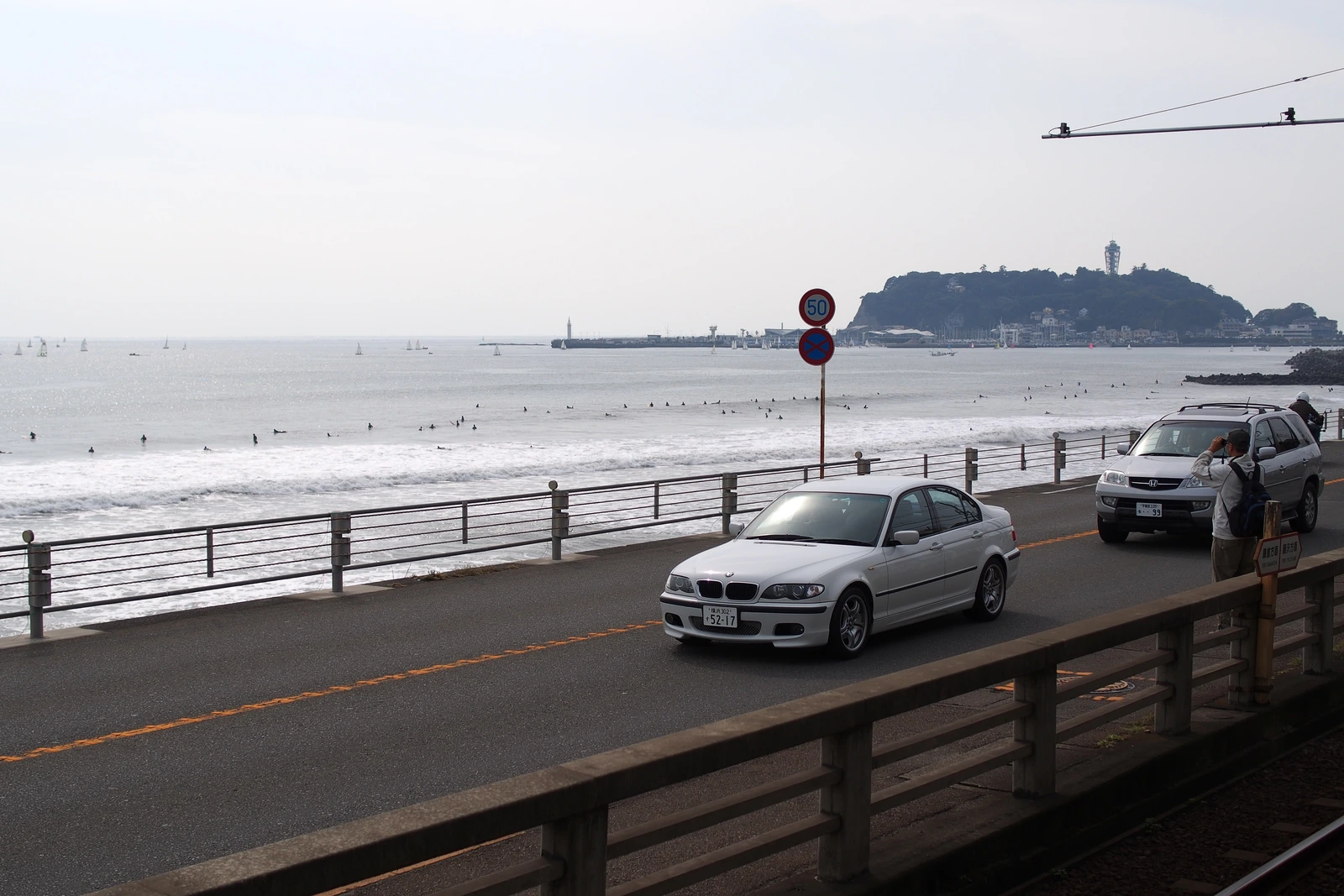
As for the Enoden itself, I found a very detailed blog post about it and the famous Slam Dunk crossing at Kamakurakokomae, so I did some last-minute cramming on sightseeing info. Since it was on the way, I decided my first stop would be Enoshima. I would walk around the island first, then head on to Kamakura.
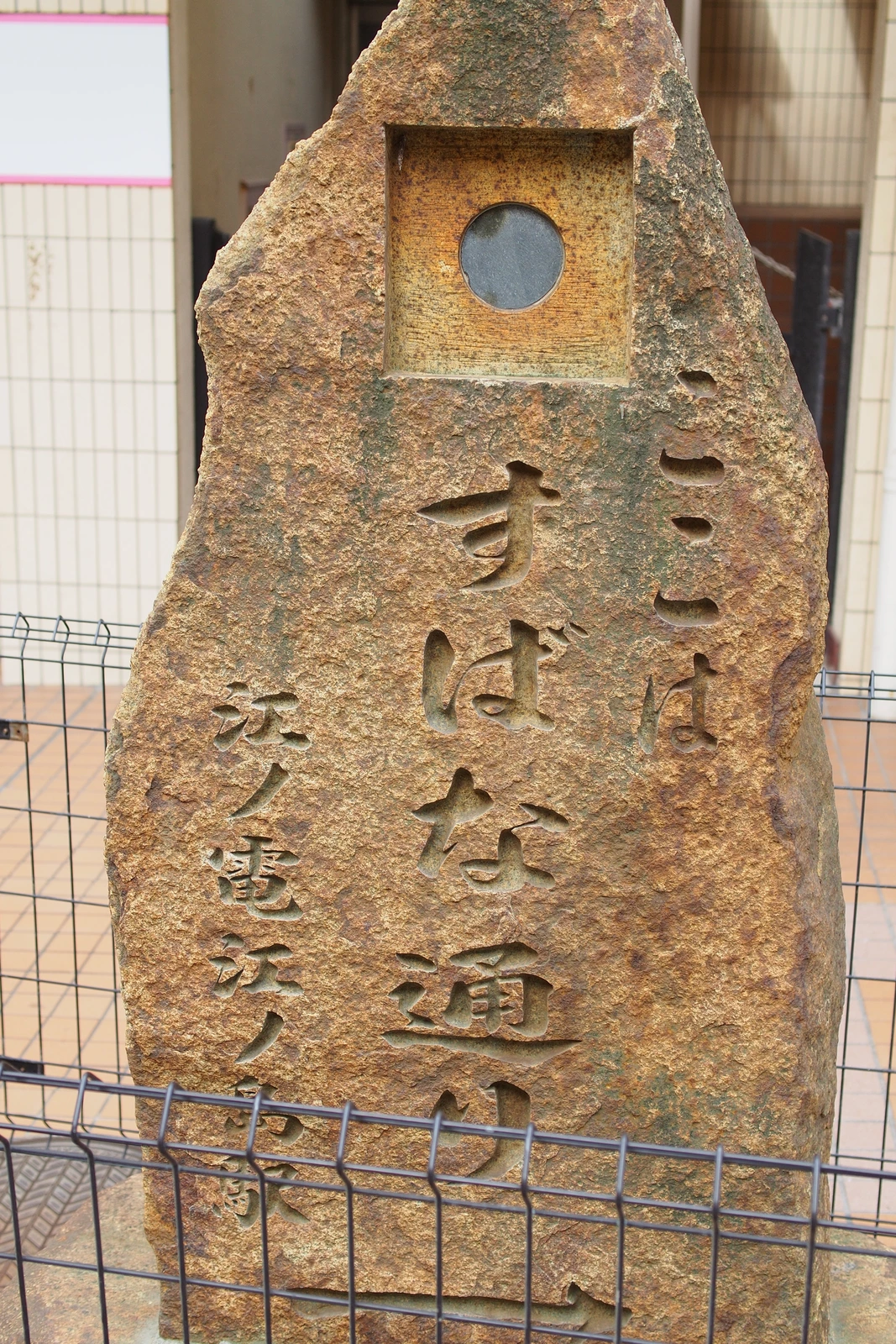
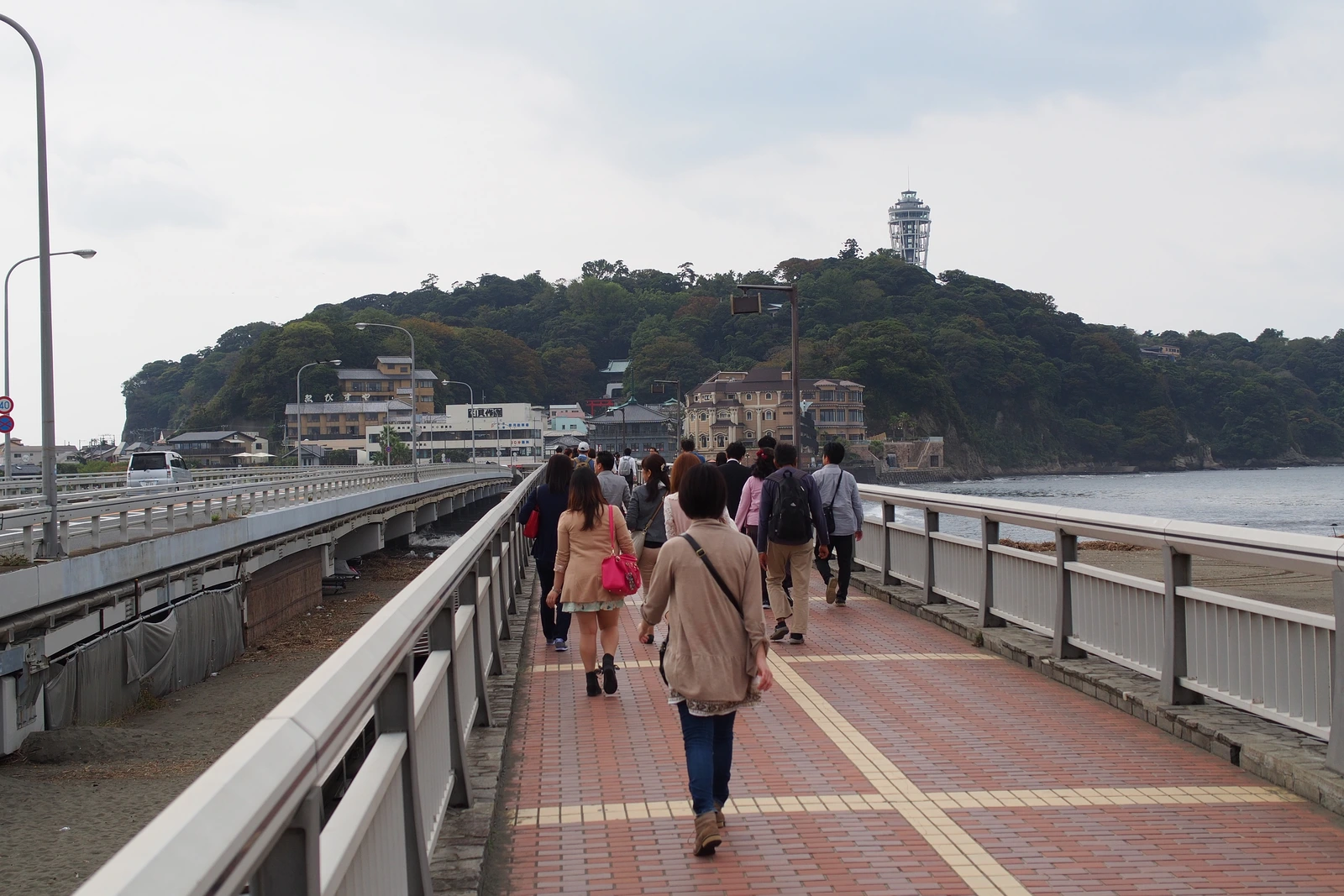
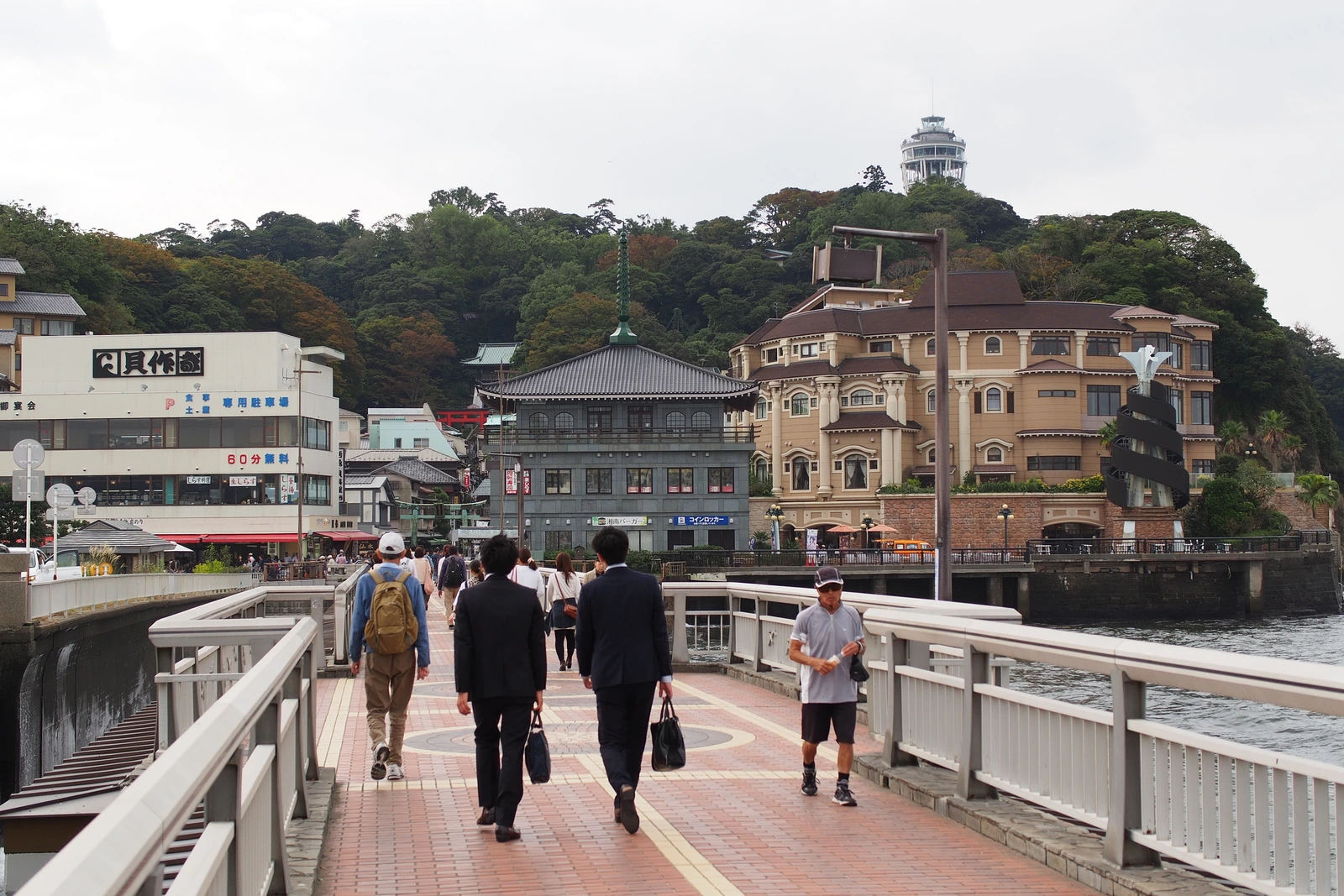
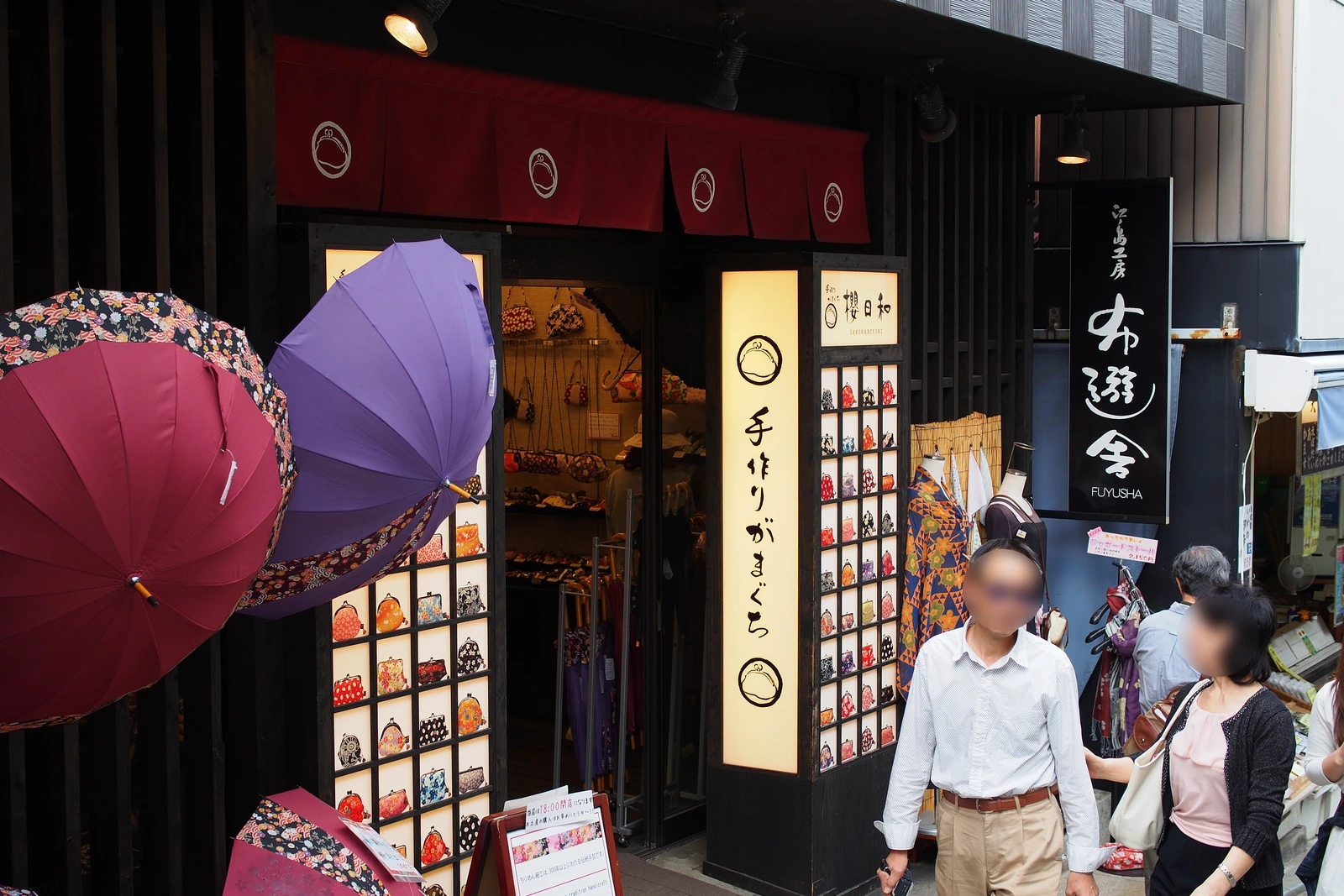
It was probably because of the holiday weekend, but the island was packed with tourists. The moment I stepped onto Enoshima, I was hit by waves of grilled seafood smells, which reminded me of Cijin. But the whole premise of this trip was to spend as little money as possible. I had already stocked up on water and food at the supermarket, and I was determined not to buy anything on the street, so all I could do was wave Goodbye to the grilled octopus and squid and keep walking. There were so many tourists around that any casual photo I took ended up with someone else posing in it.
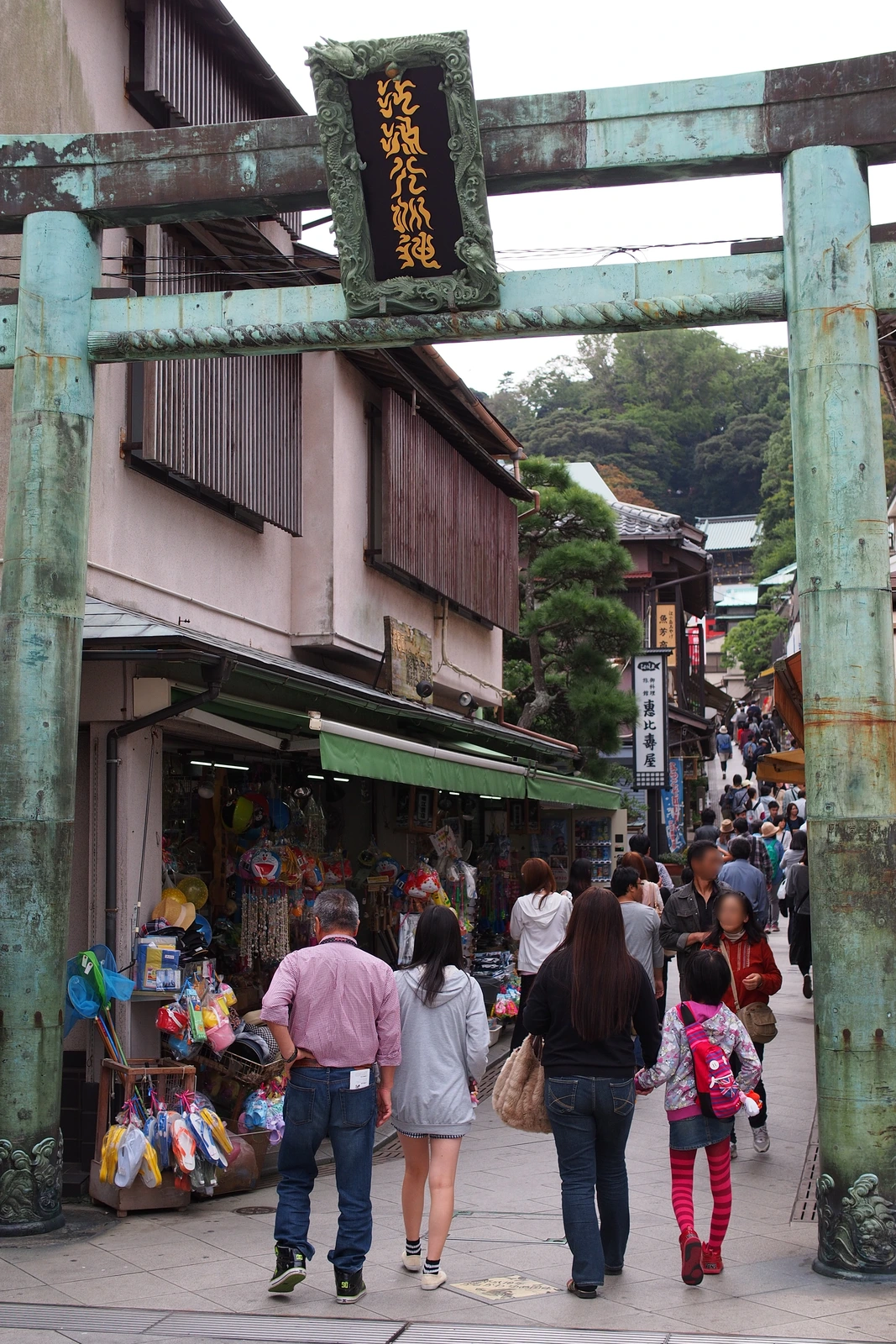
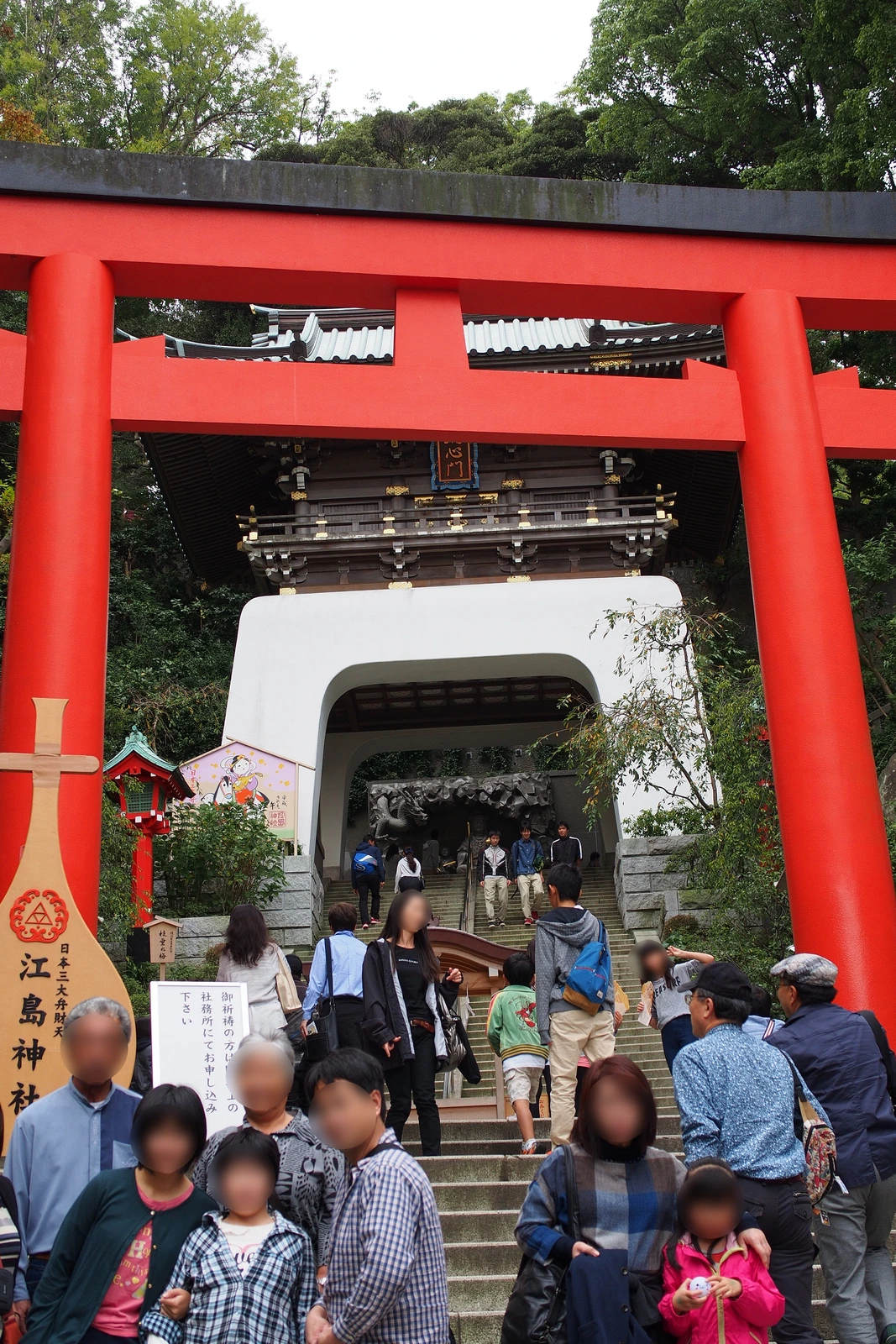
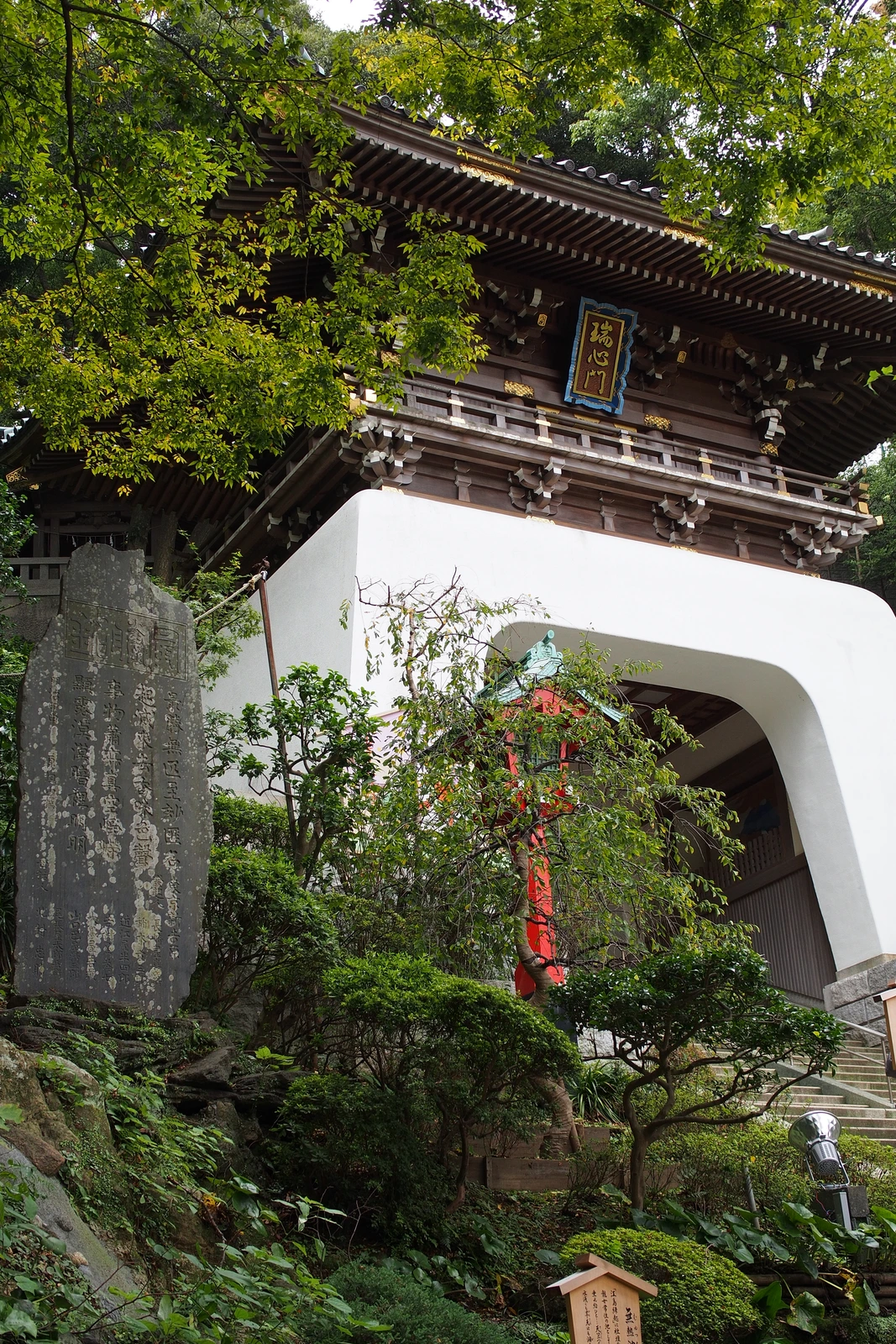
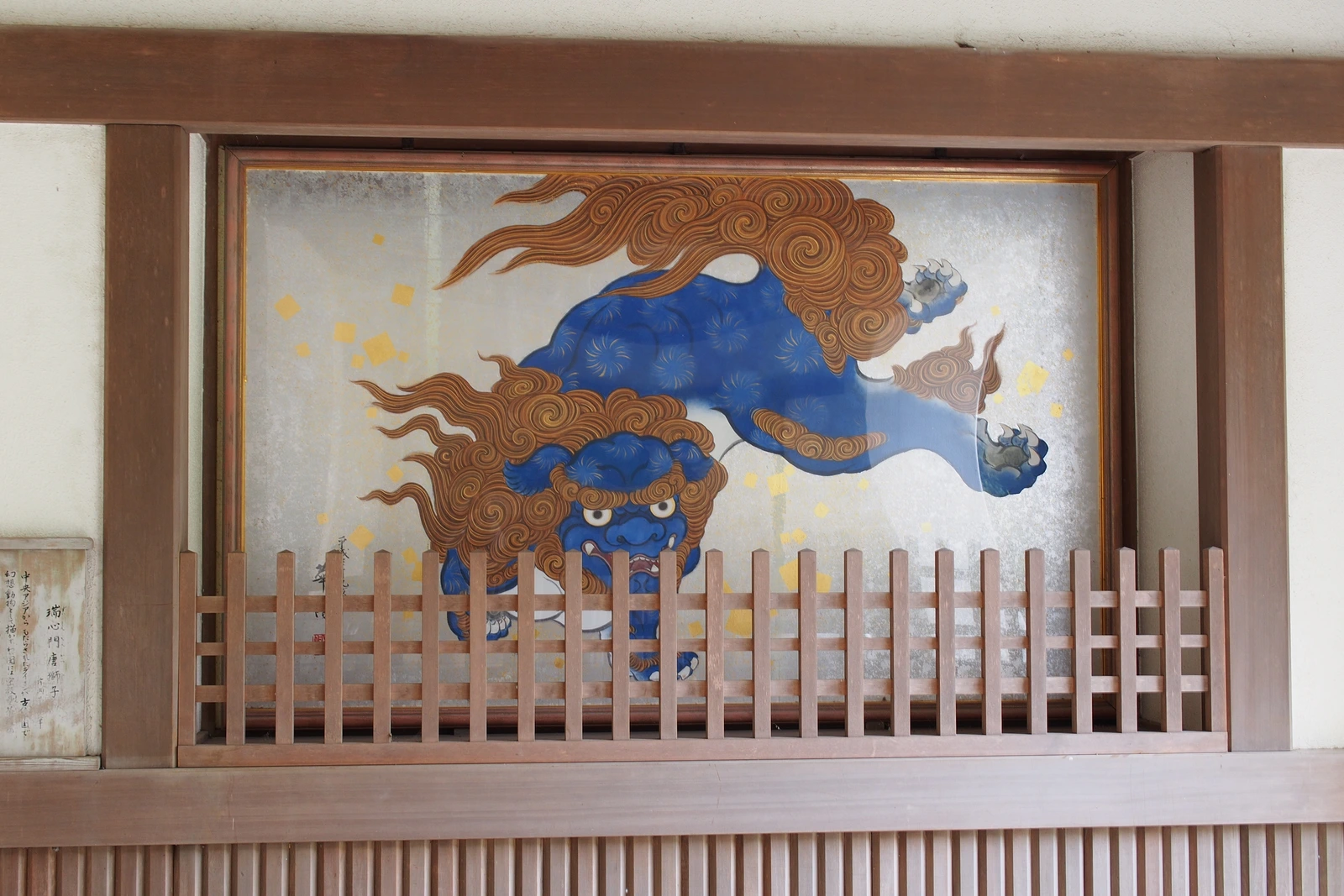
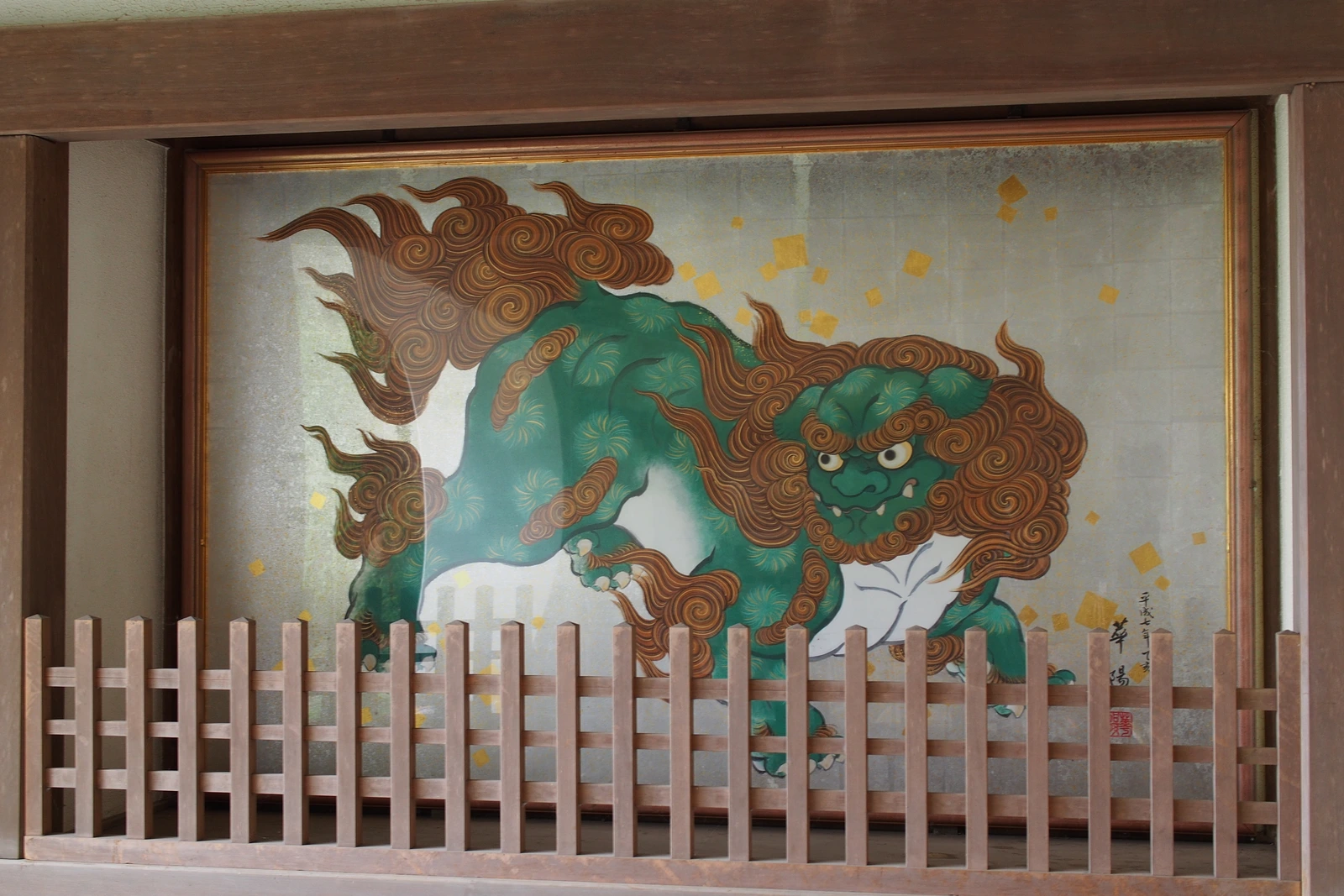
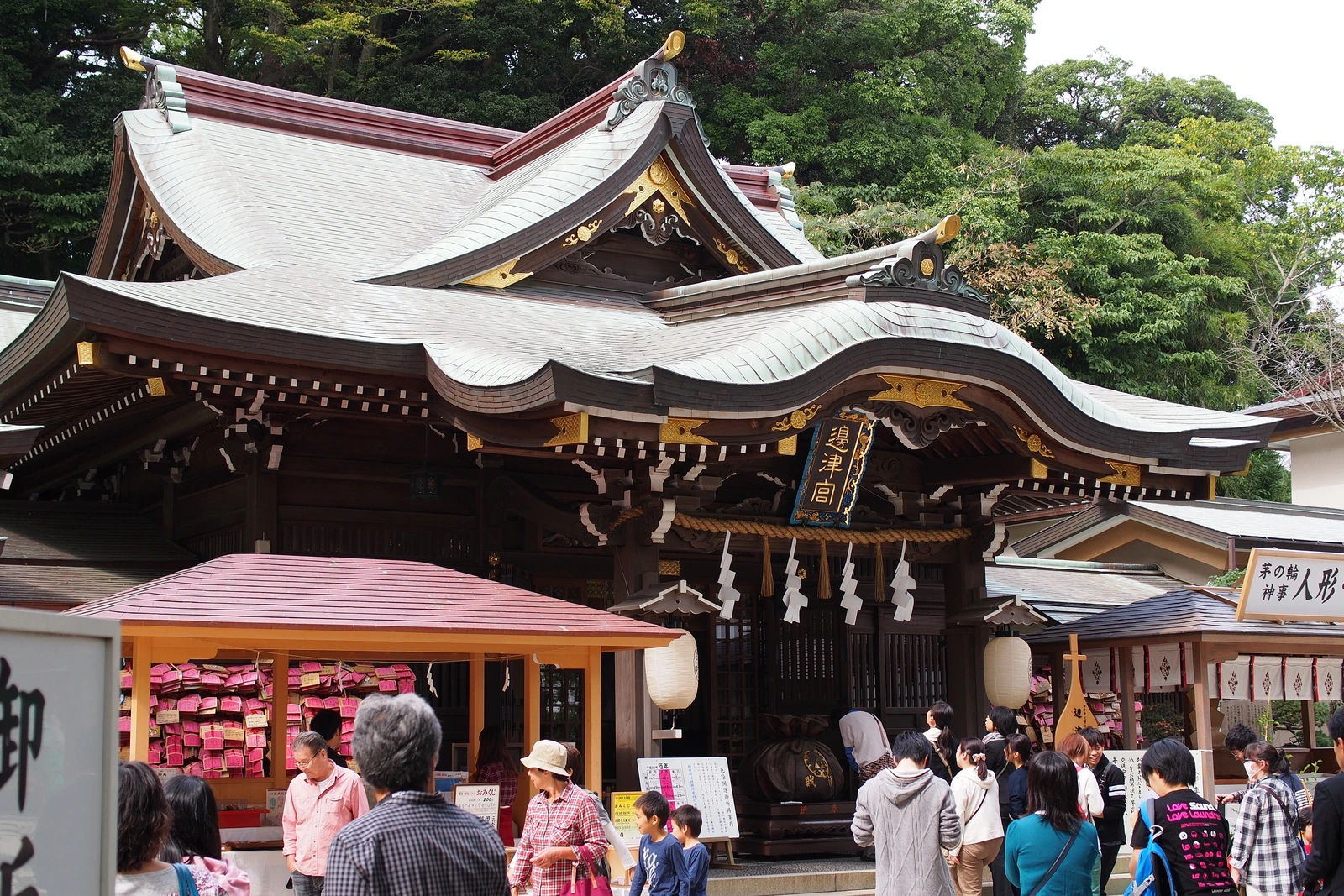
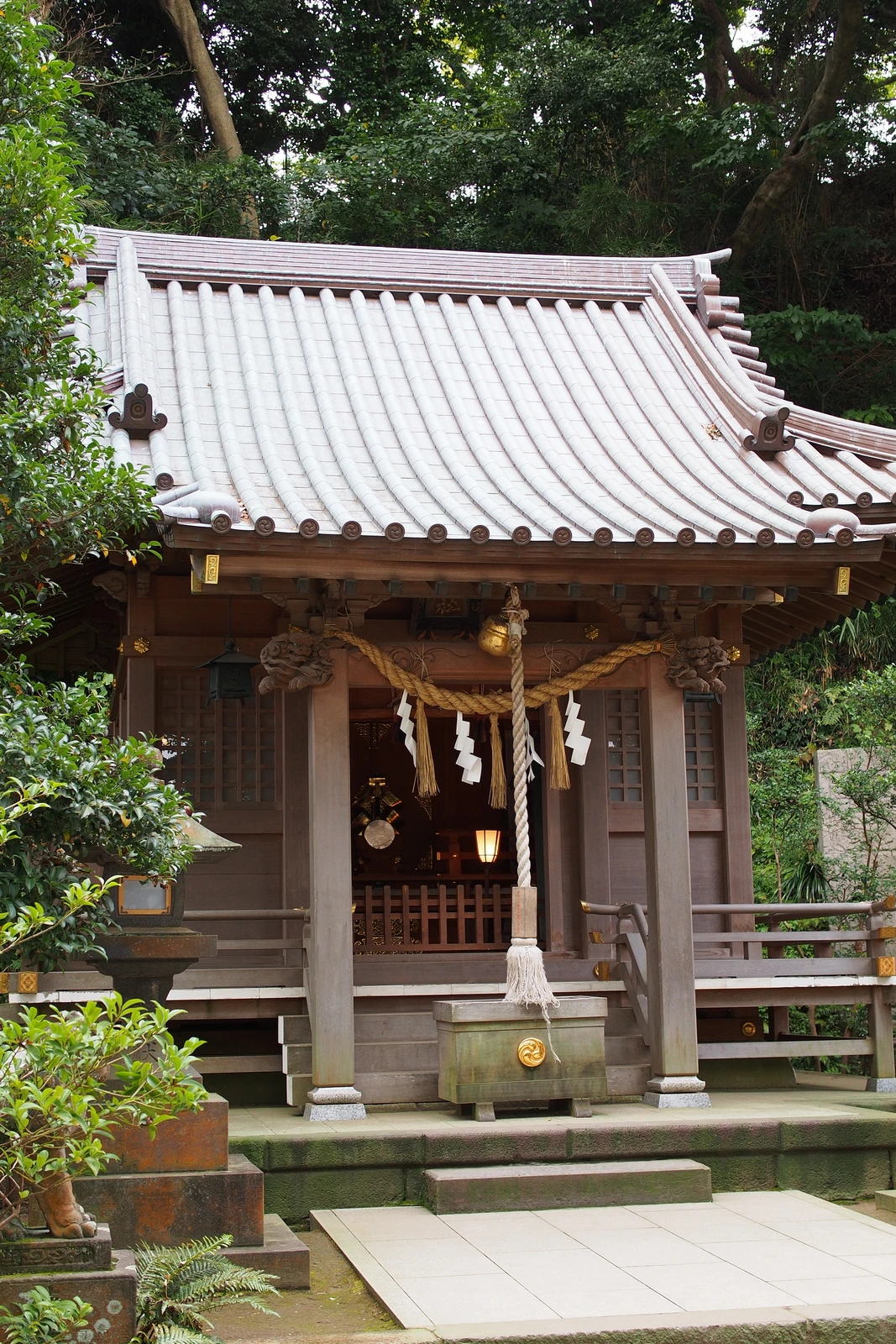
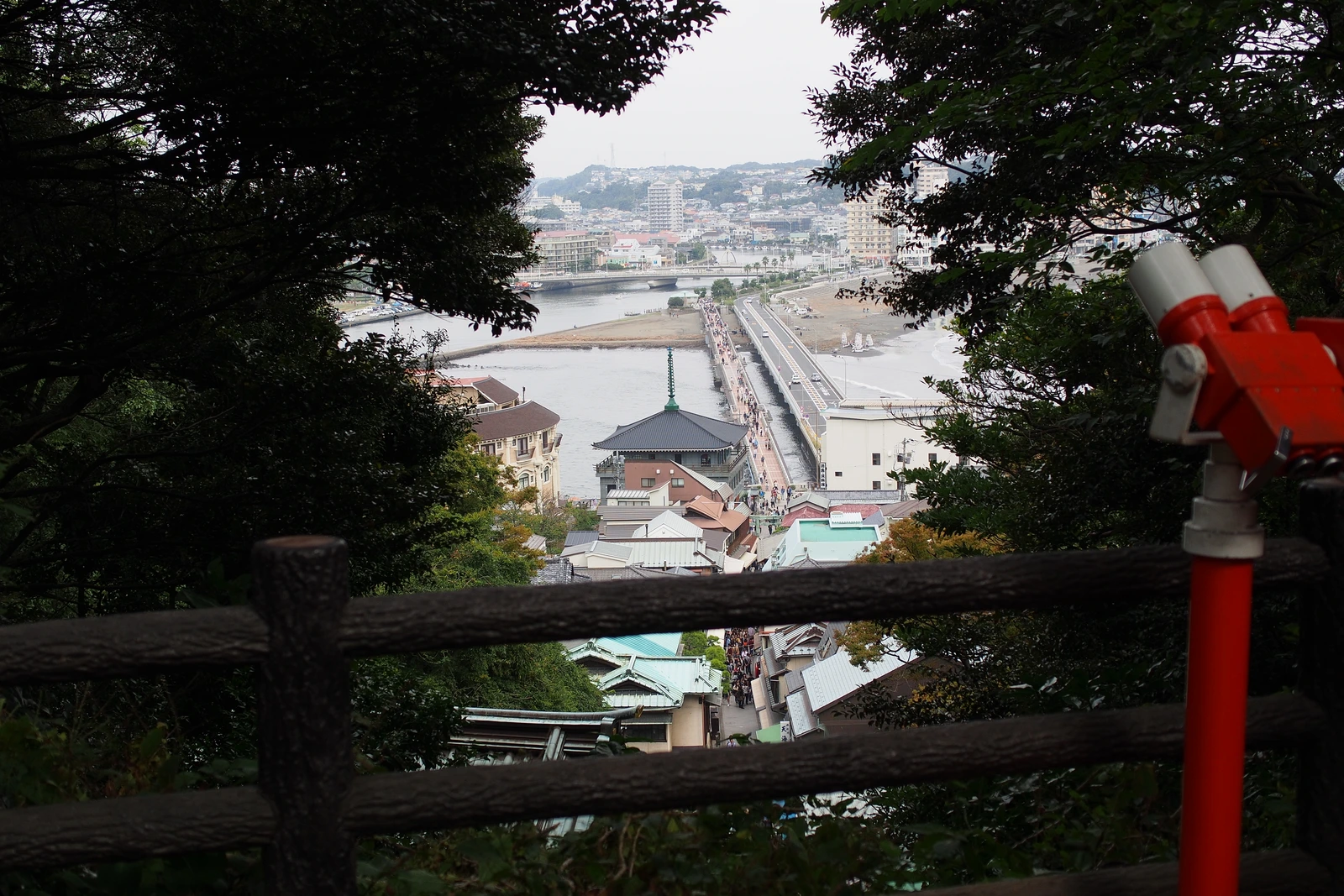
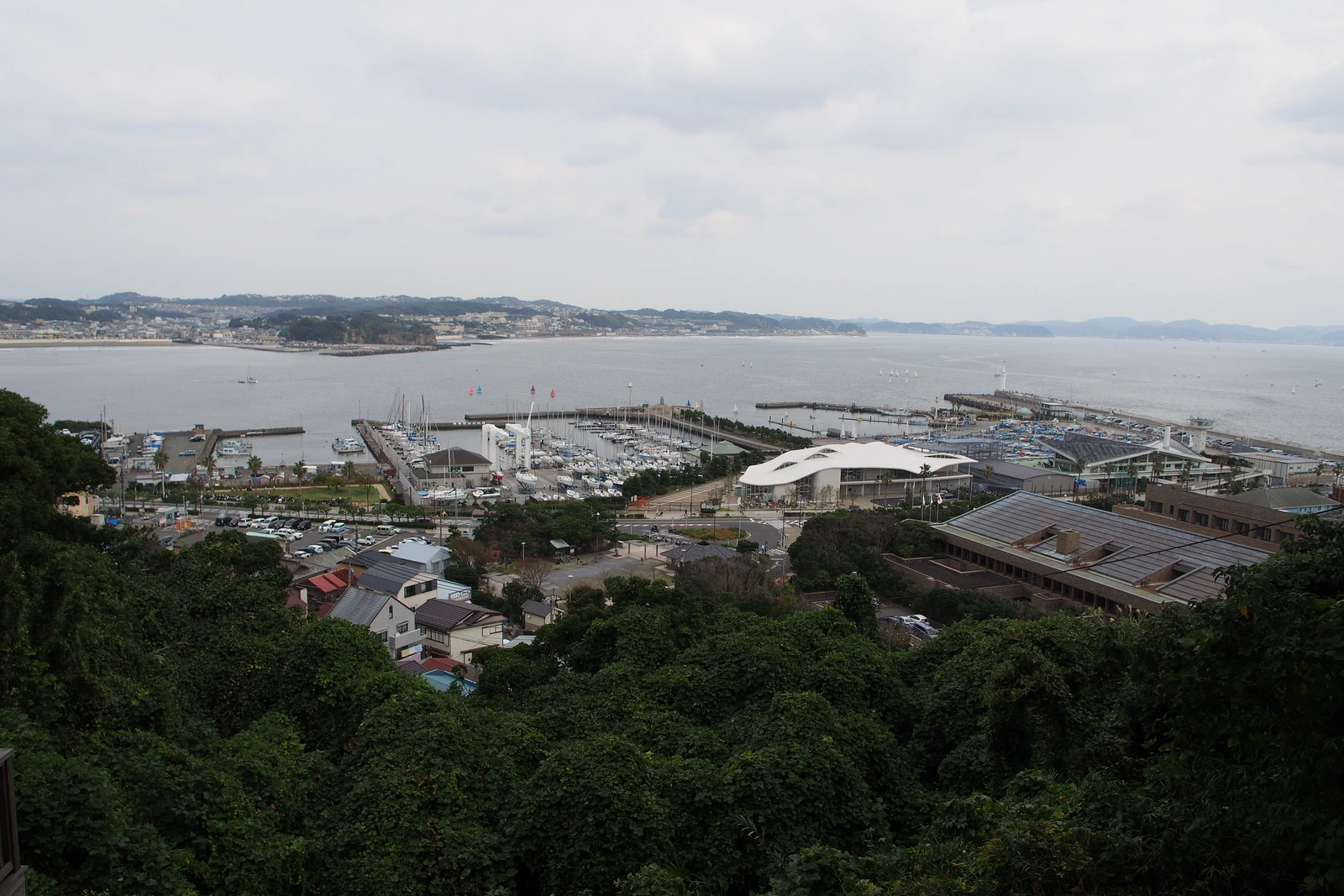
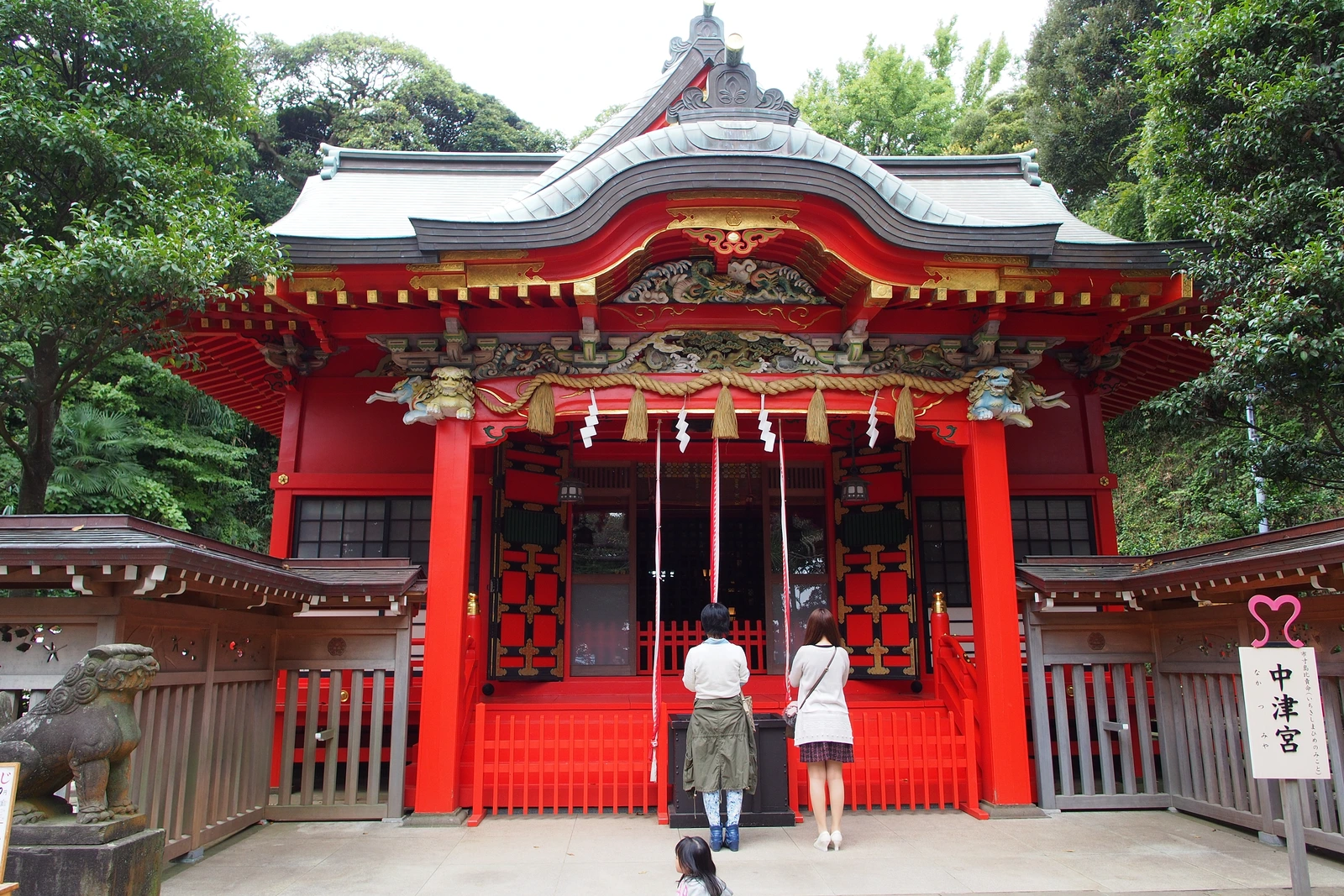
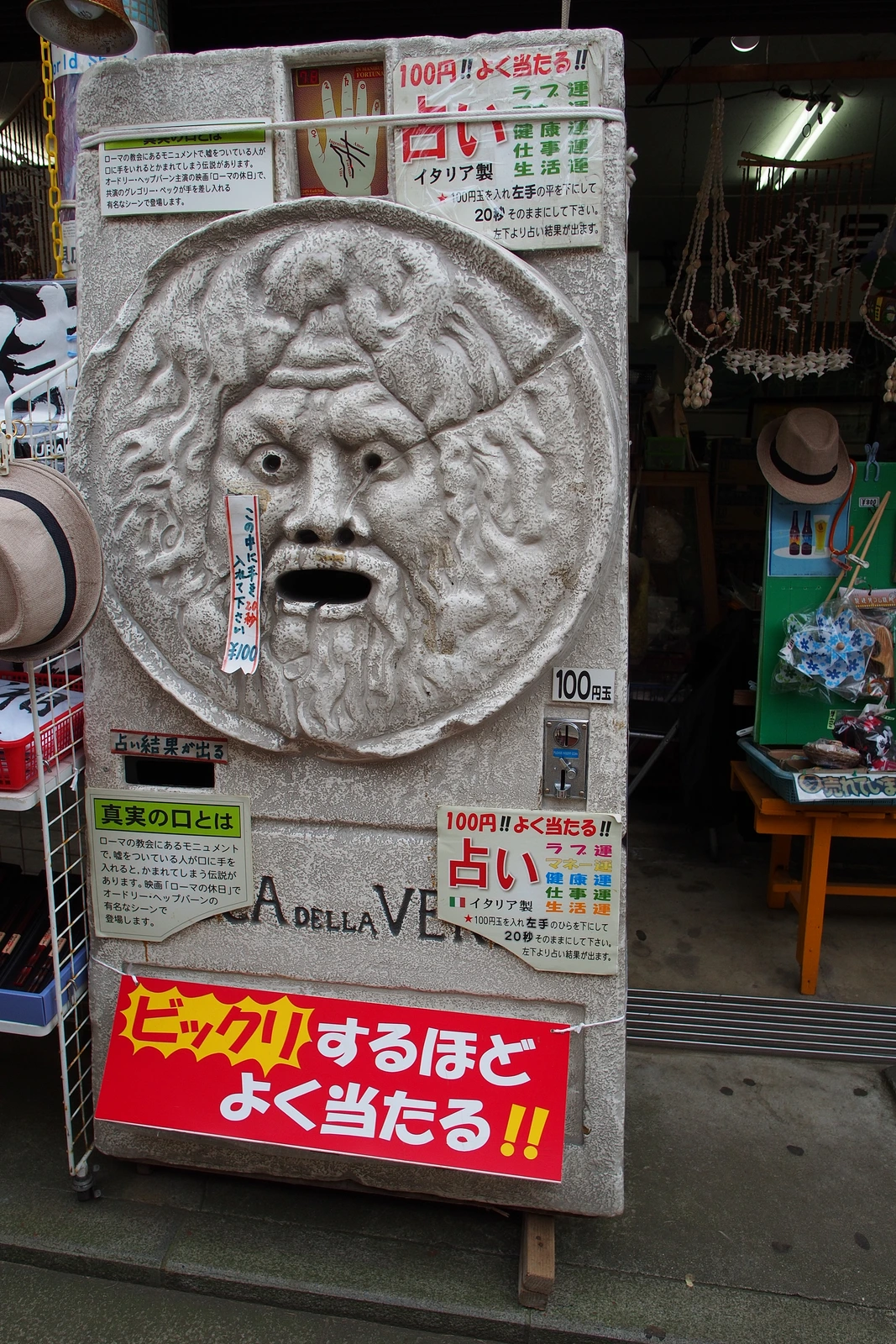
At the top of the steps there was a paid observation deck, but since I did not want to spend the money, I skipped it.
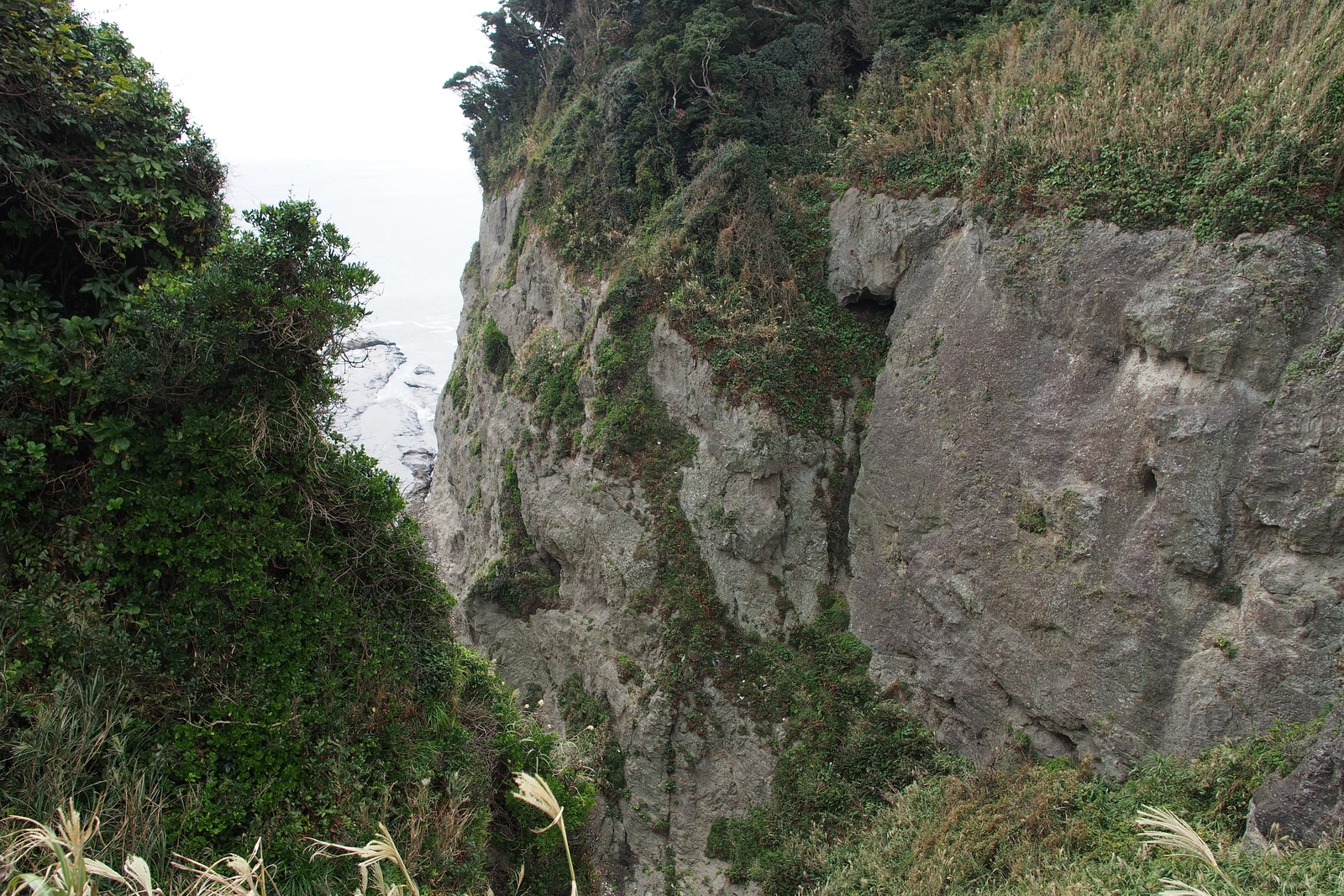
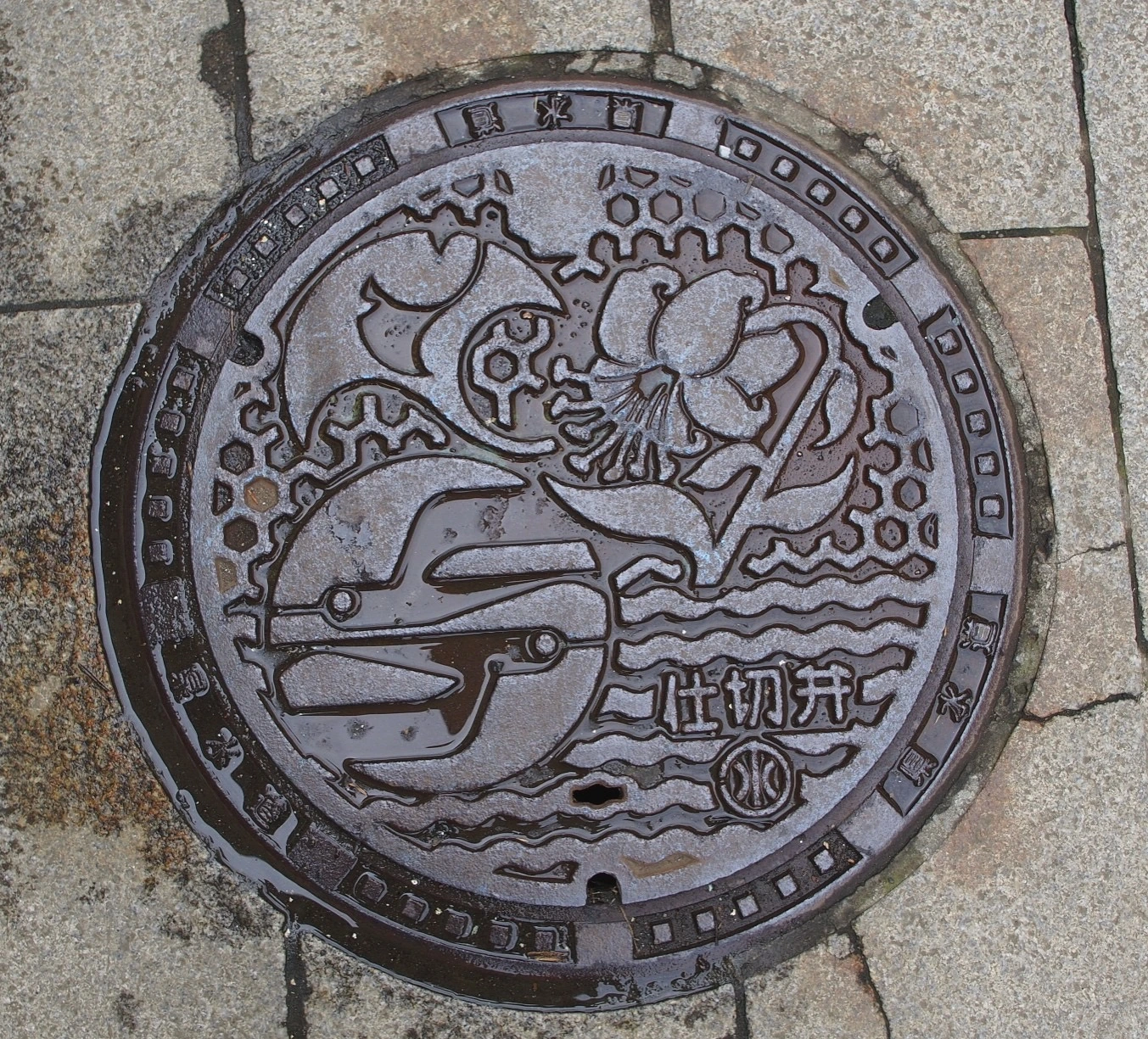
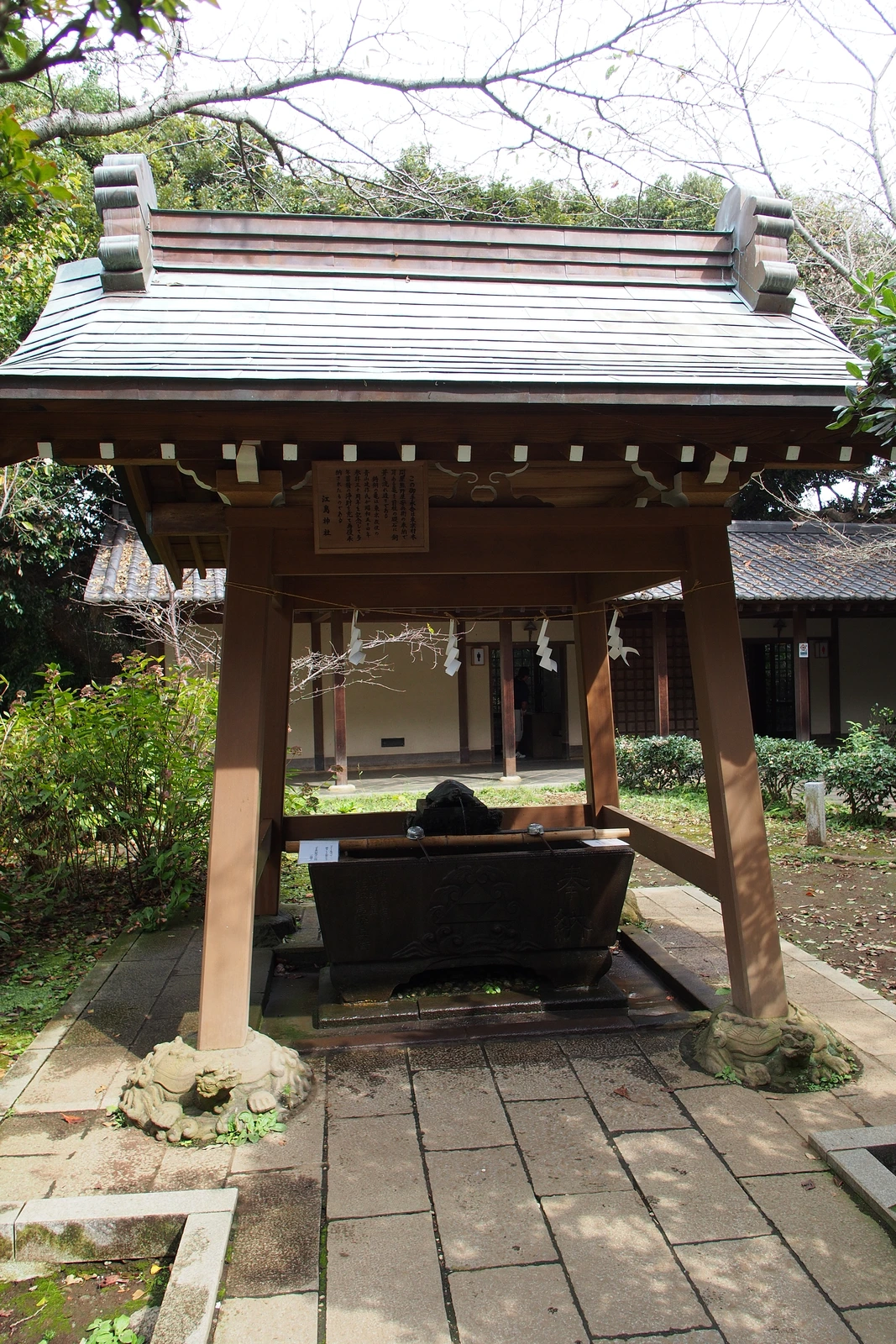
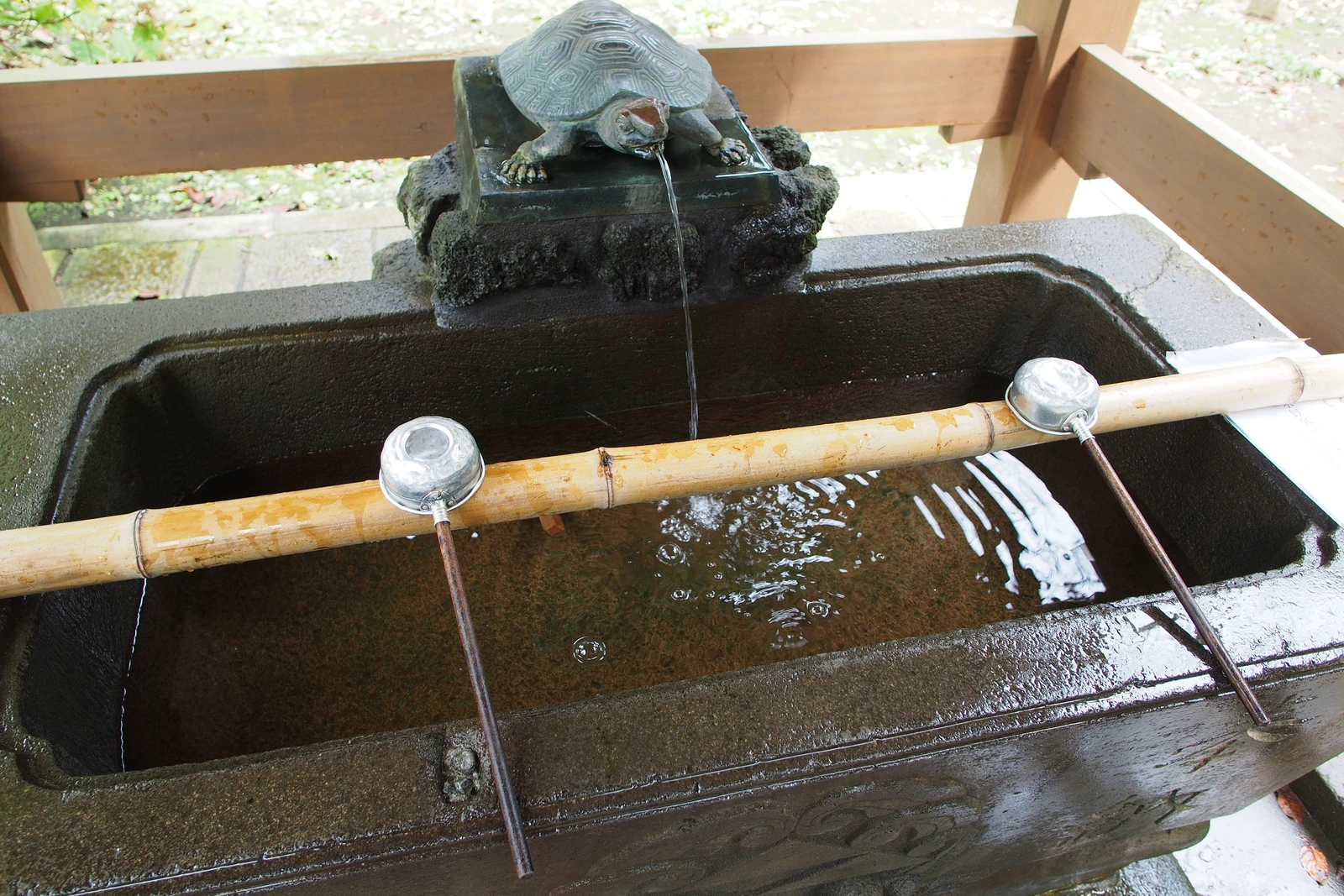
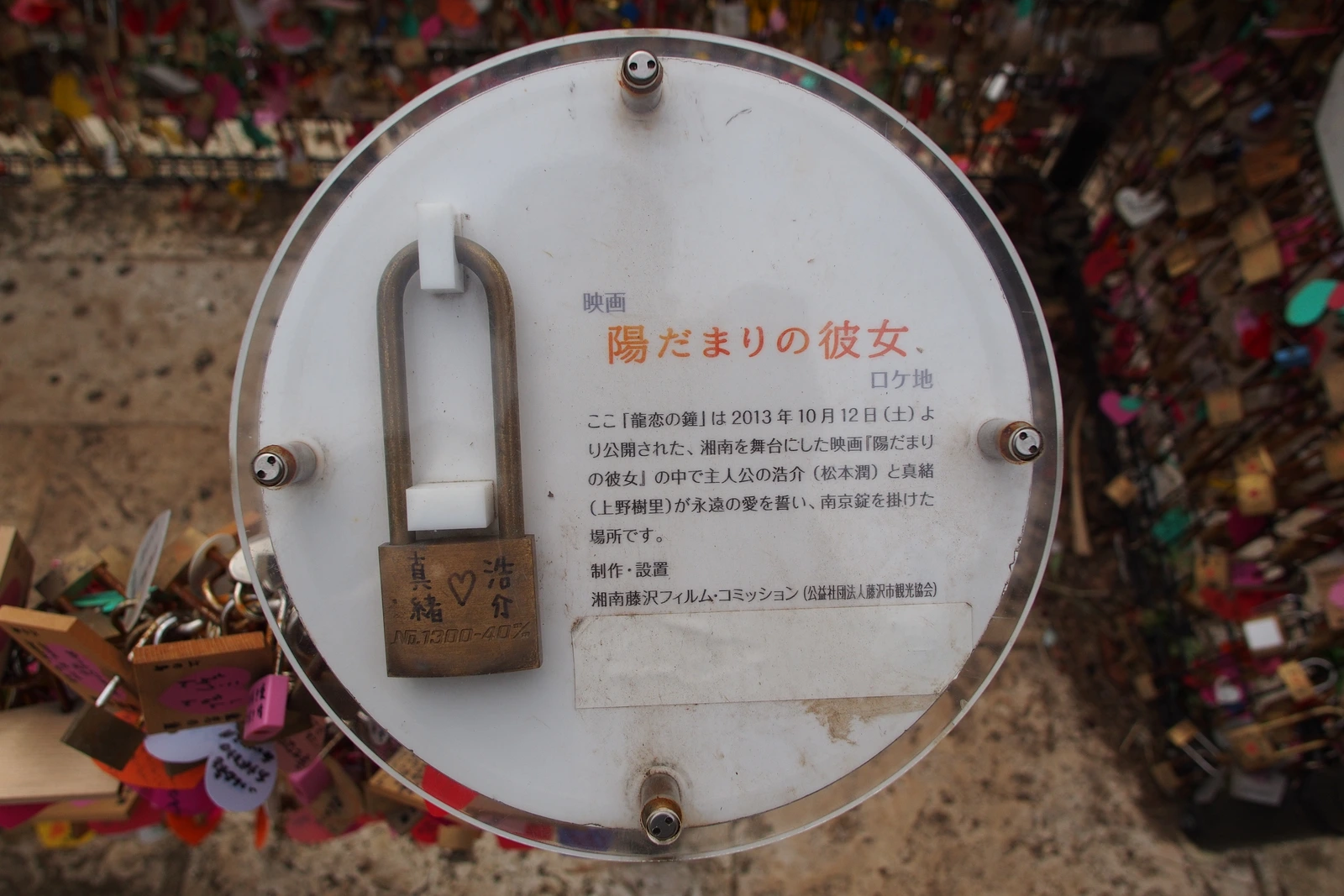
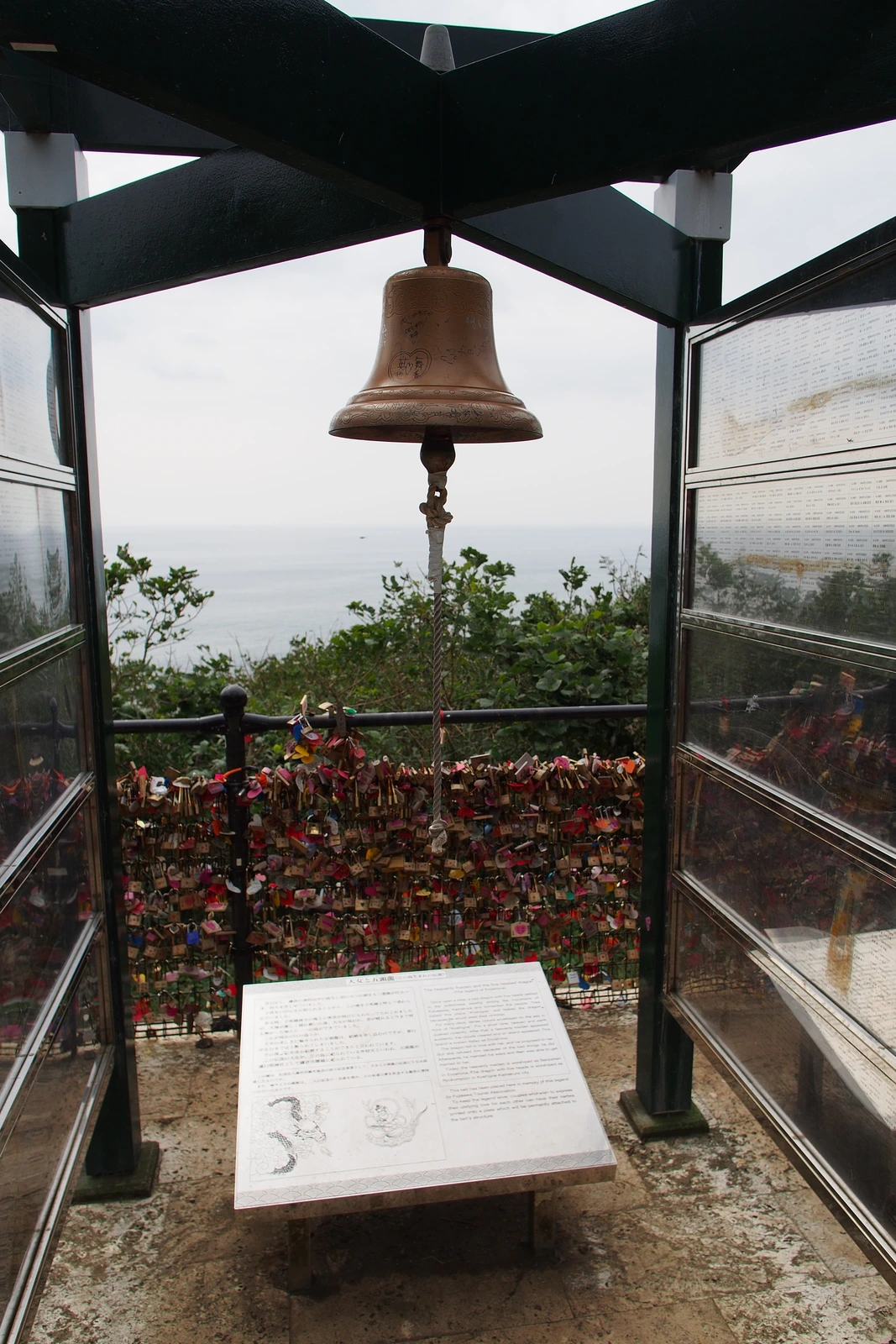
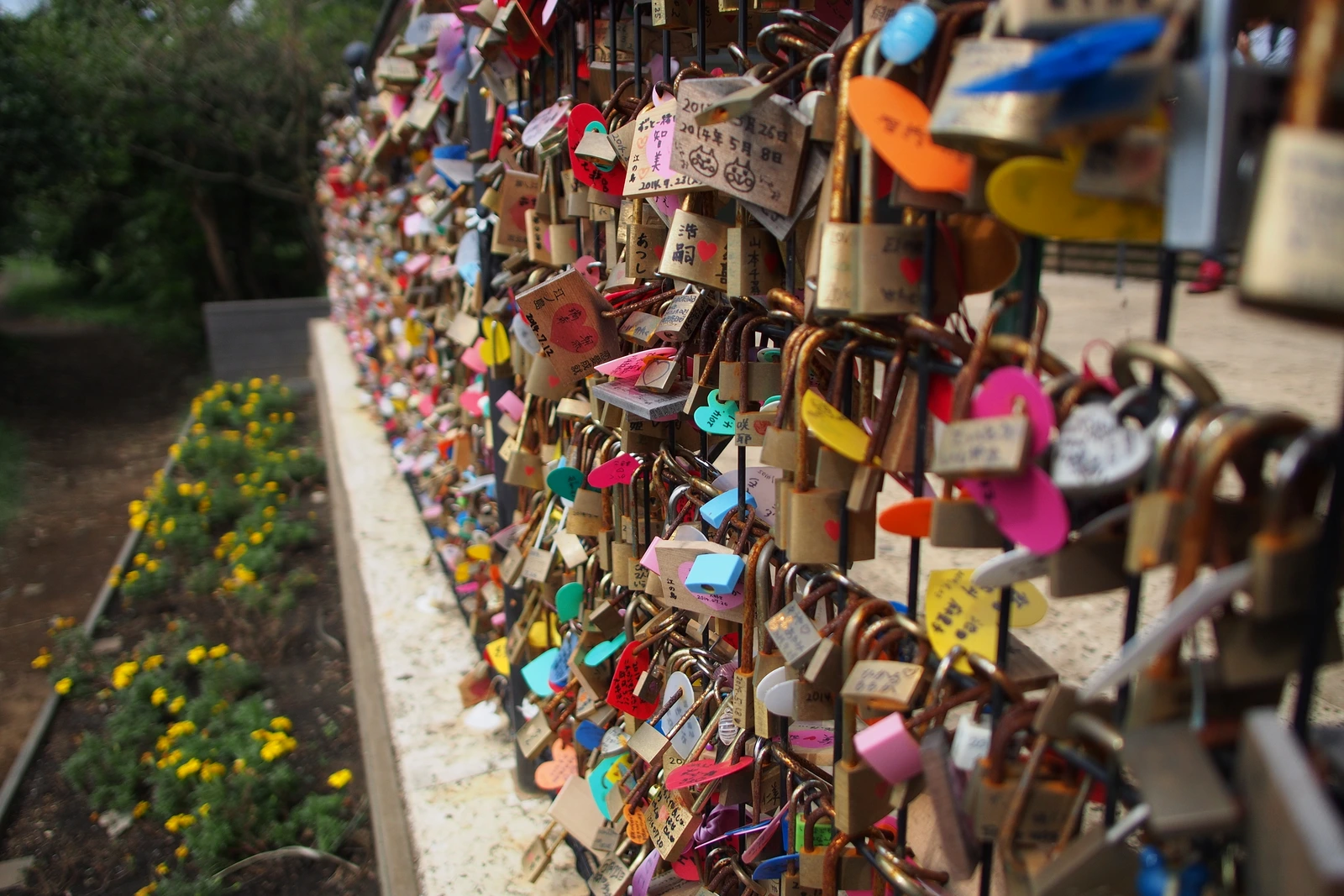
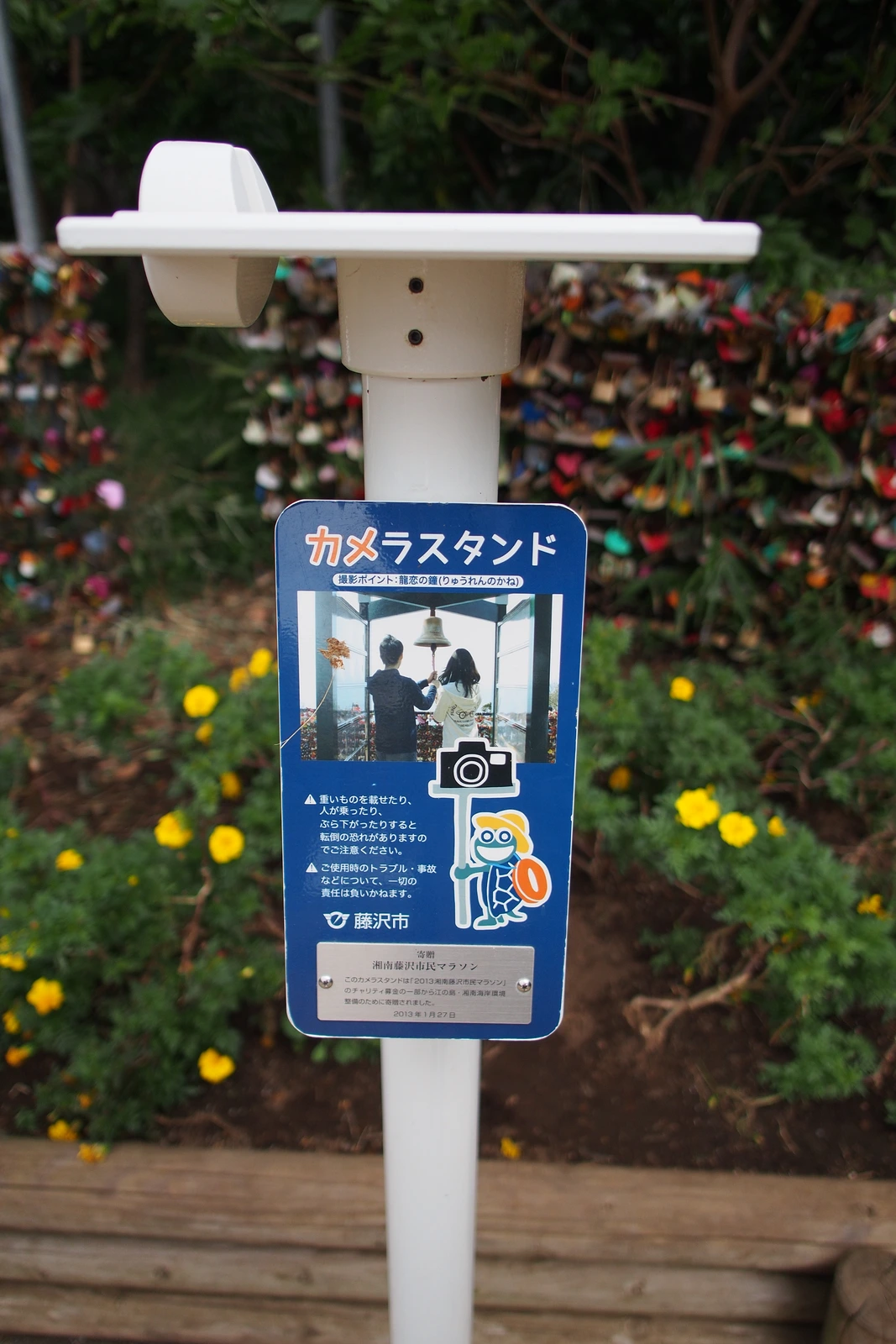
Further along there was a bell placed as a filming location from the movie Girl in the Sunny Place (Hidamari no Kanojo). Couples could ring it together, which somehow felt a bit odd. The railings beside it were covered in padlocks, and just as I was leaving I saw one couple who had clearly come fully prepared with a lock of their own. Also, the bell rings loudly enough to make whoever strikes it jump.
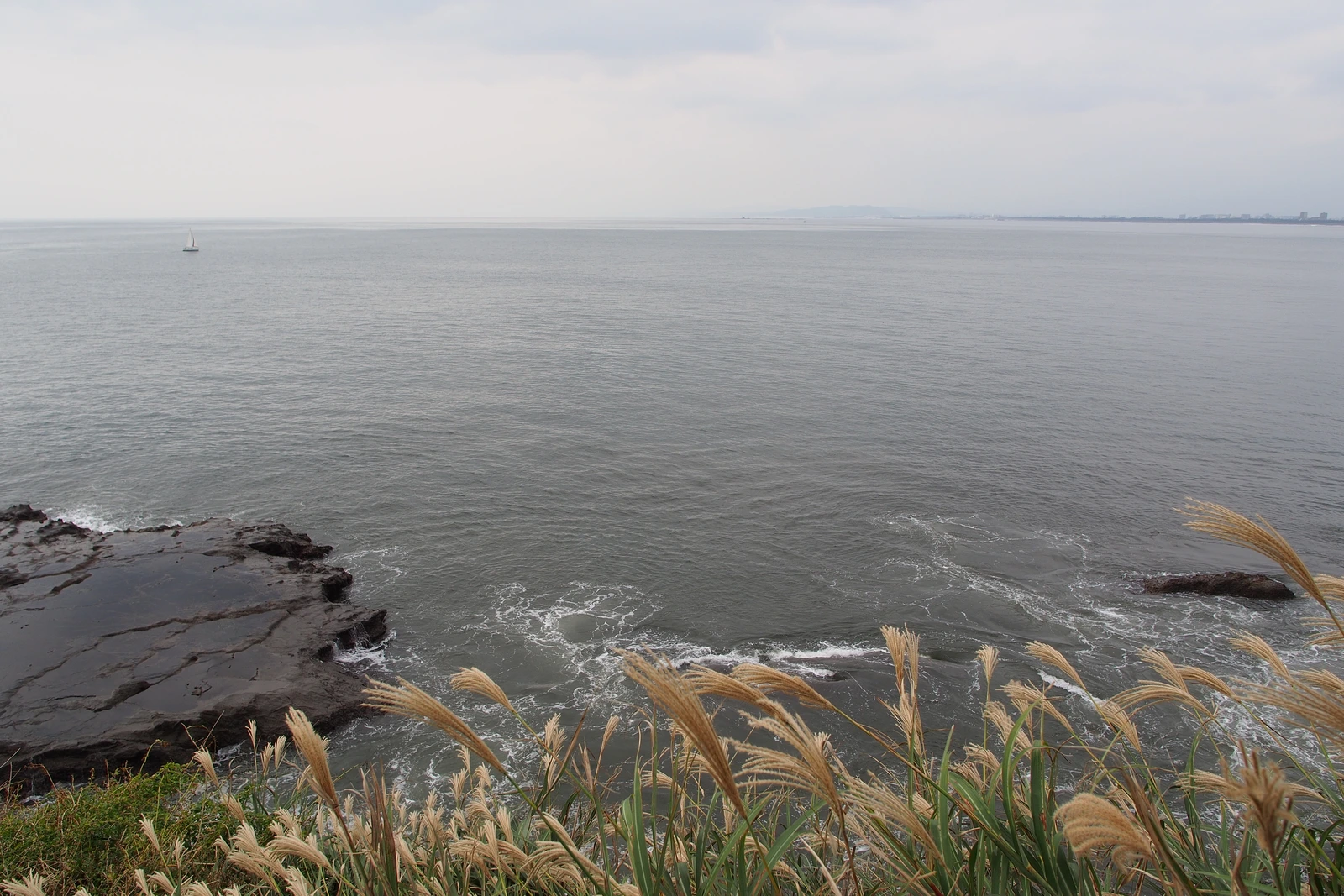
If you keep going to the other side of the island, you can see Mt. Fuji on a clear day.
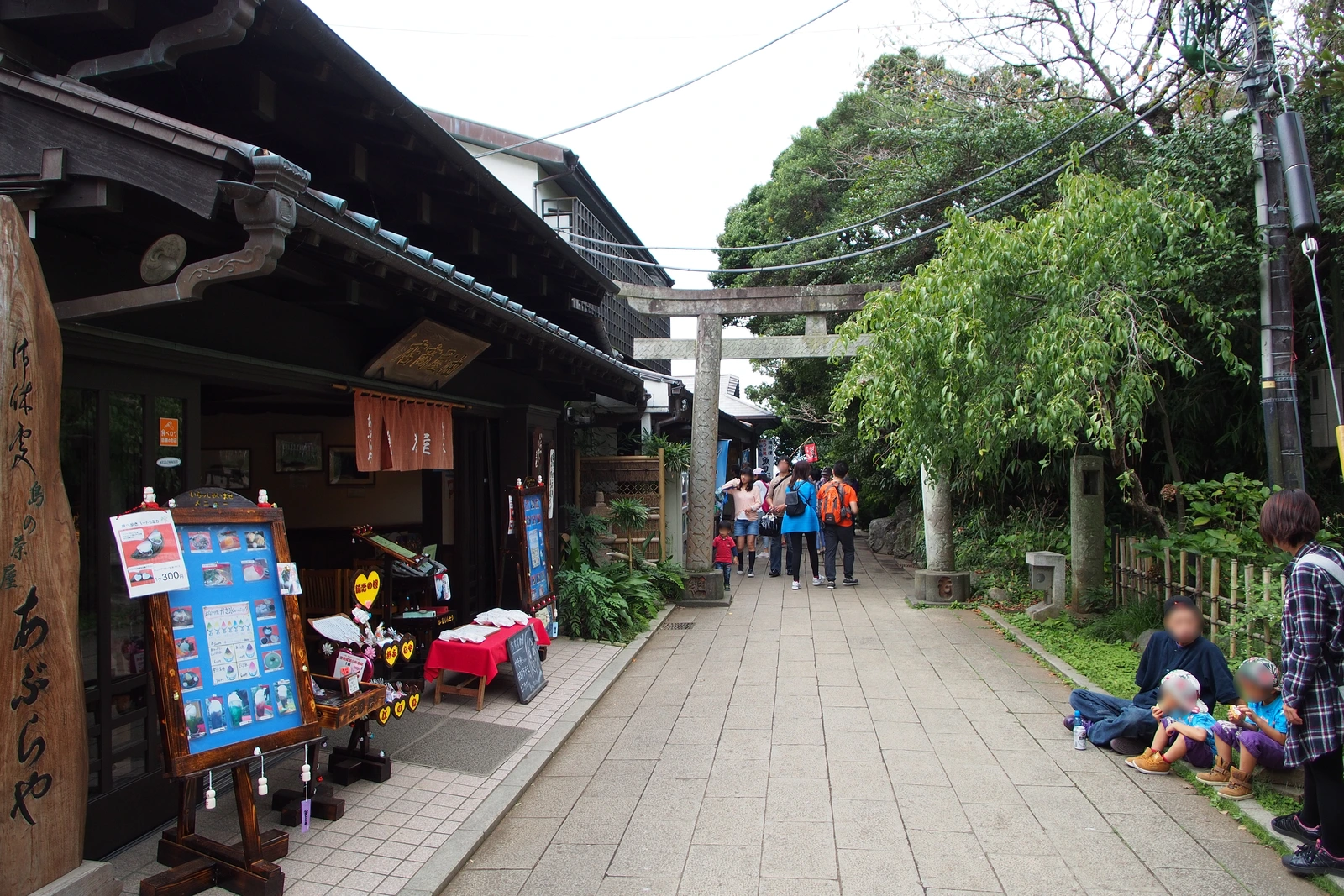
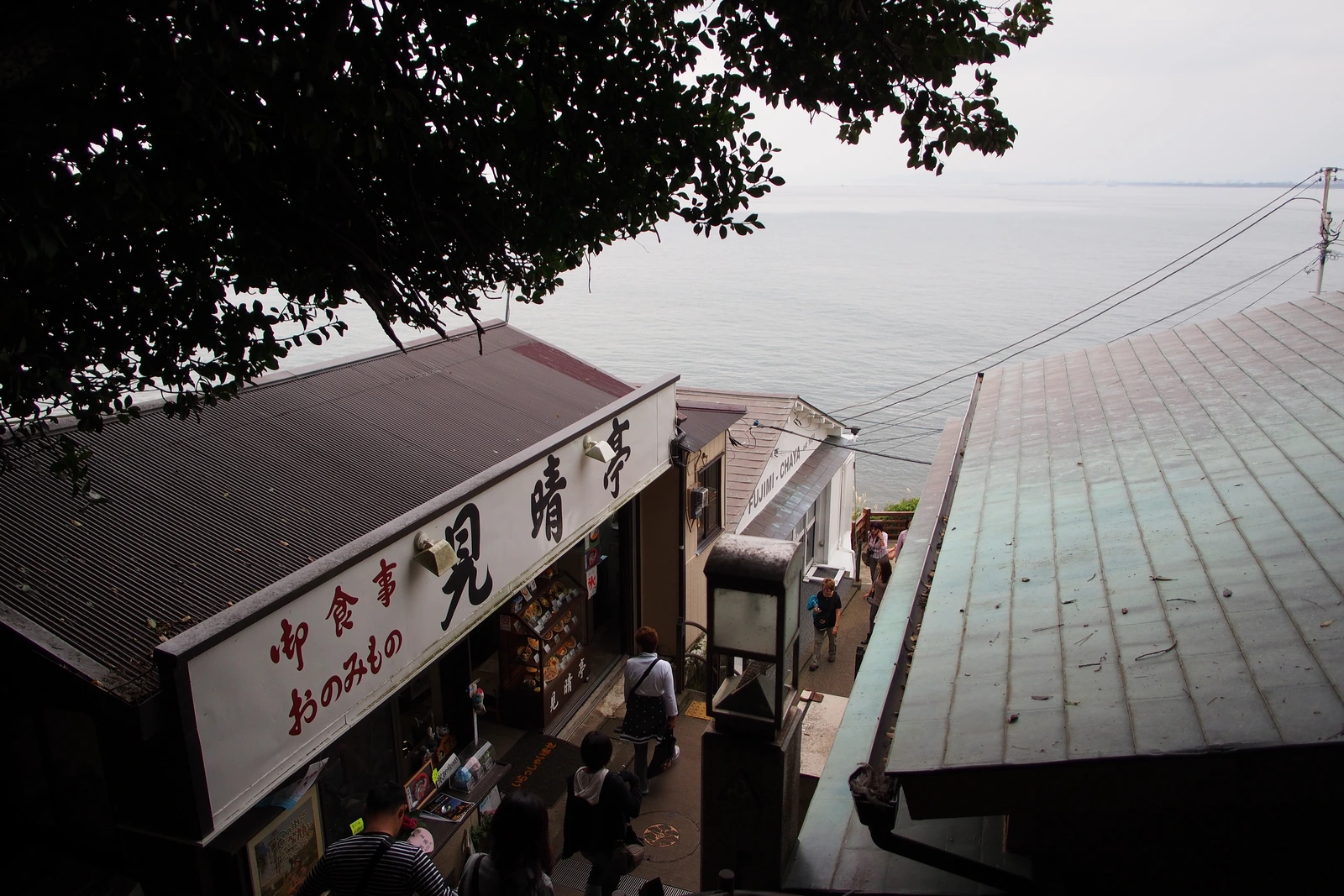
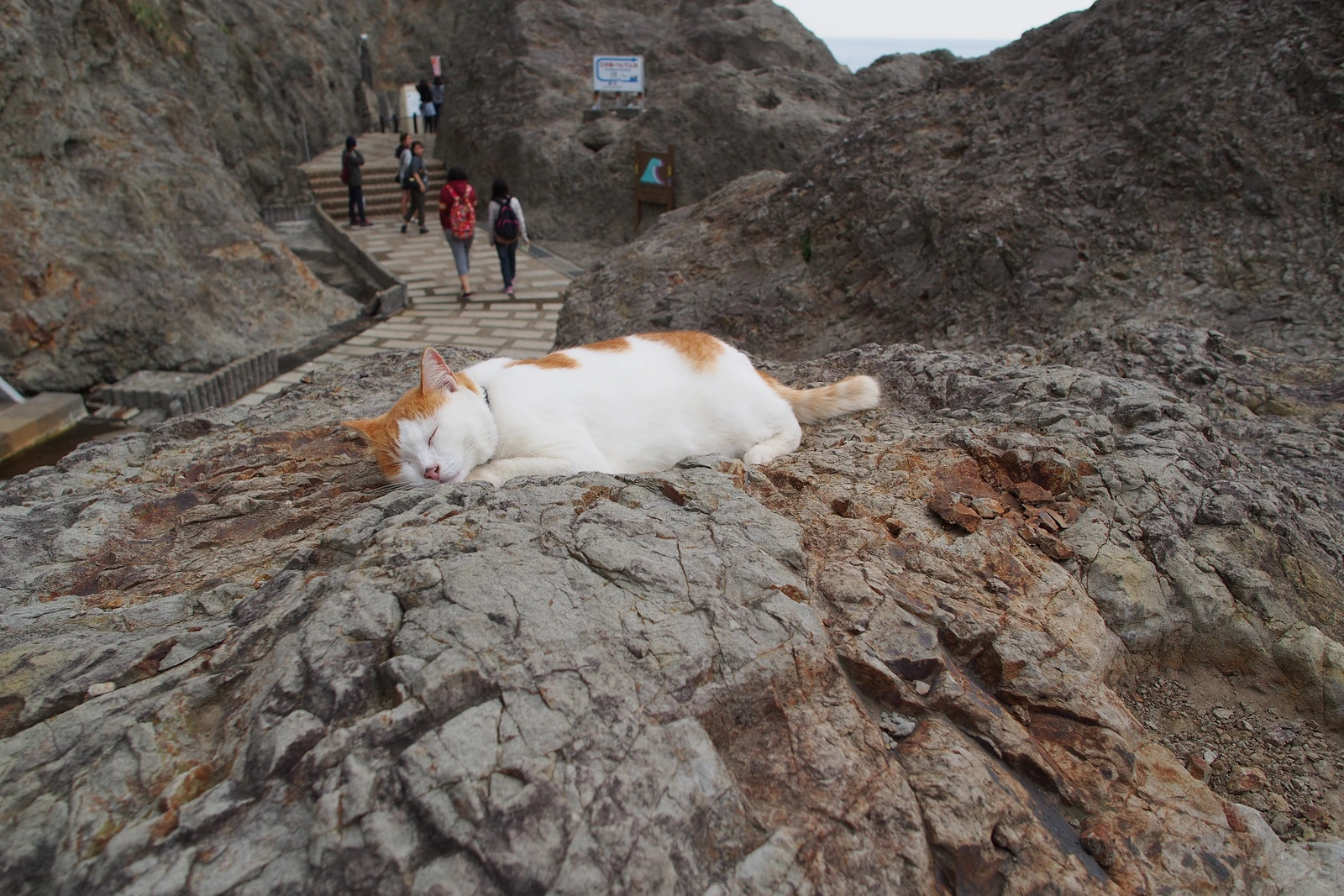
Maybe my Mount Fuji luck just was not very good that day. All I saw were cats.
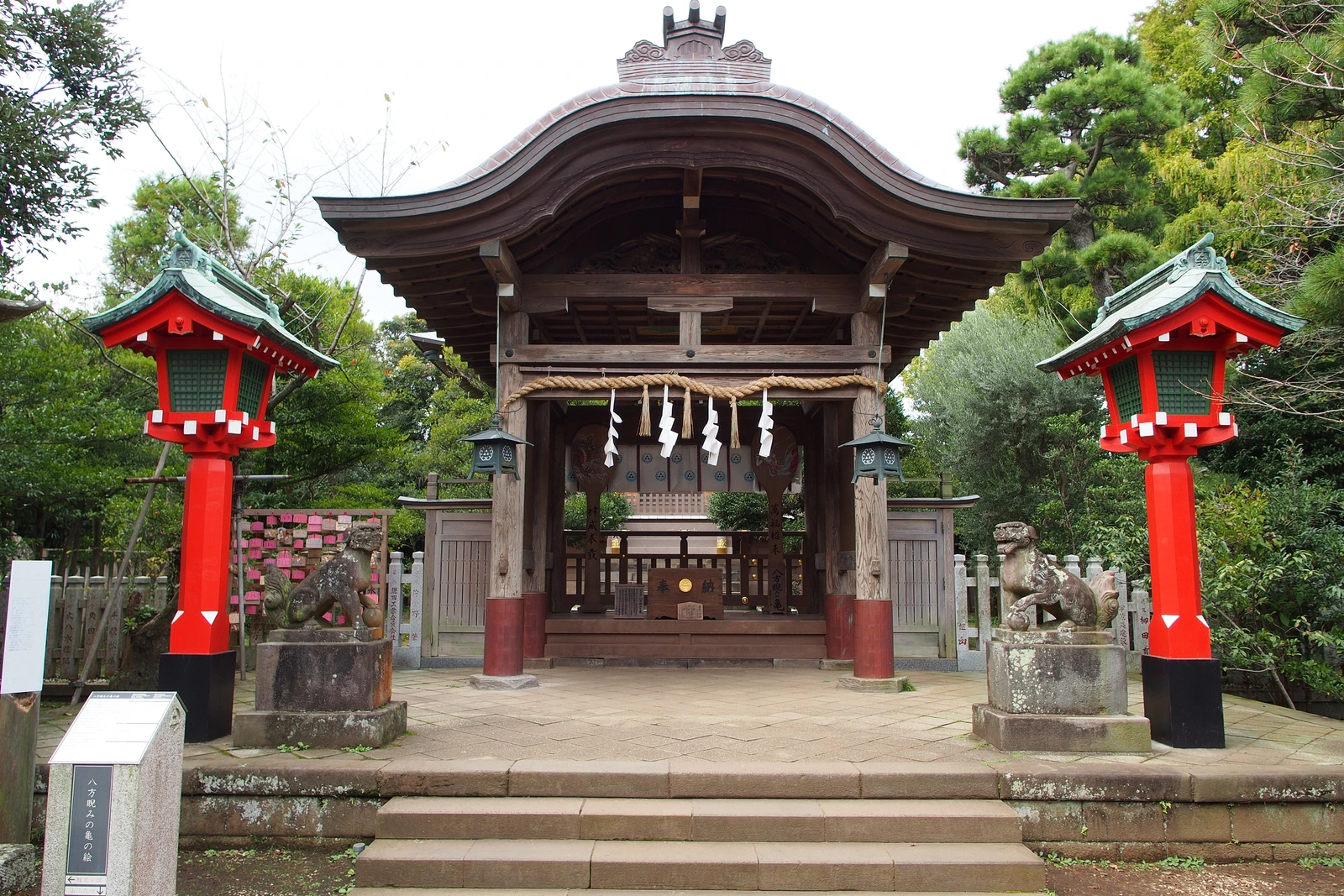
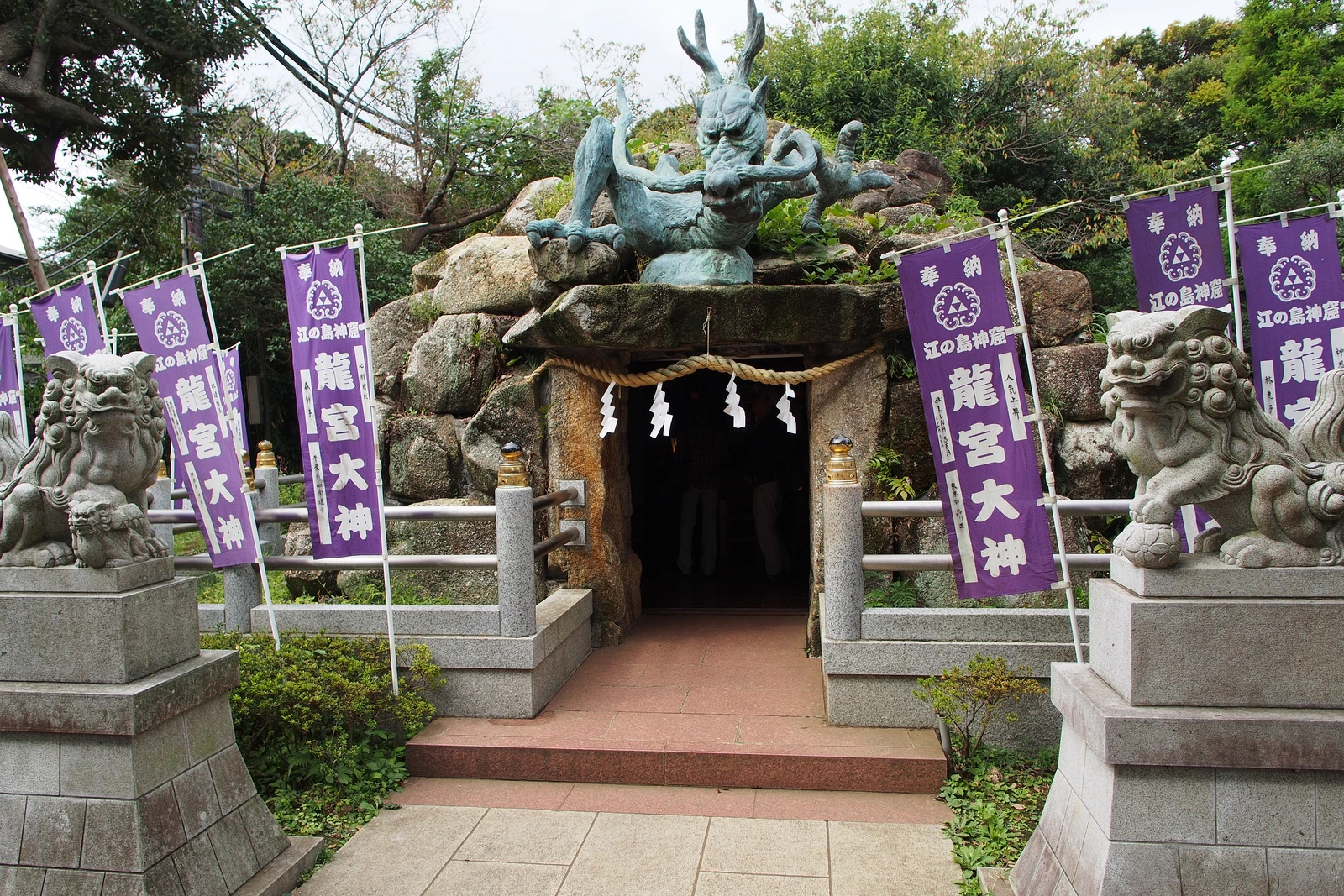
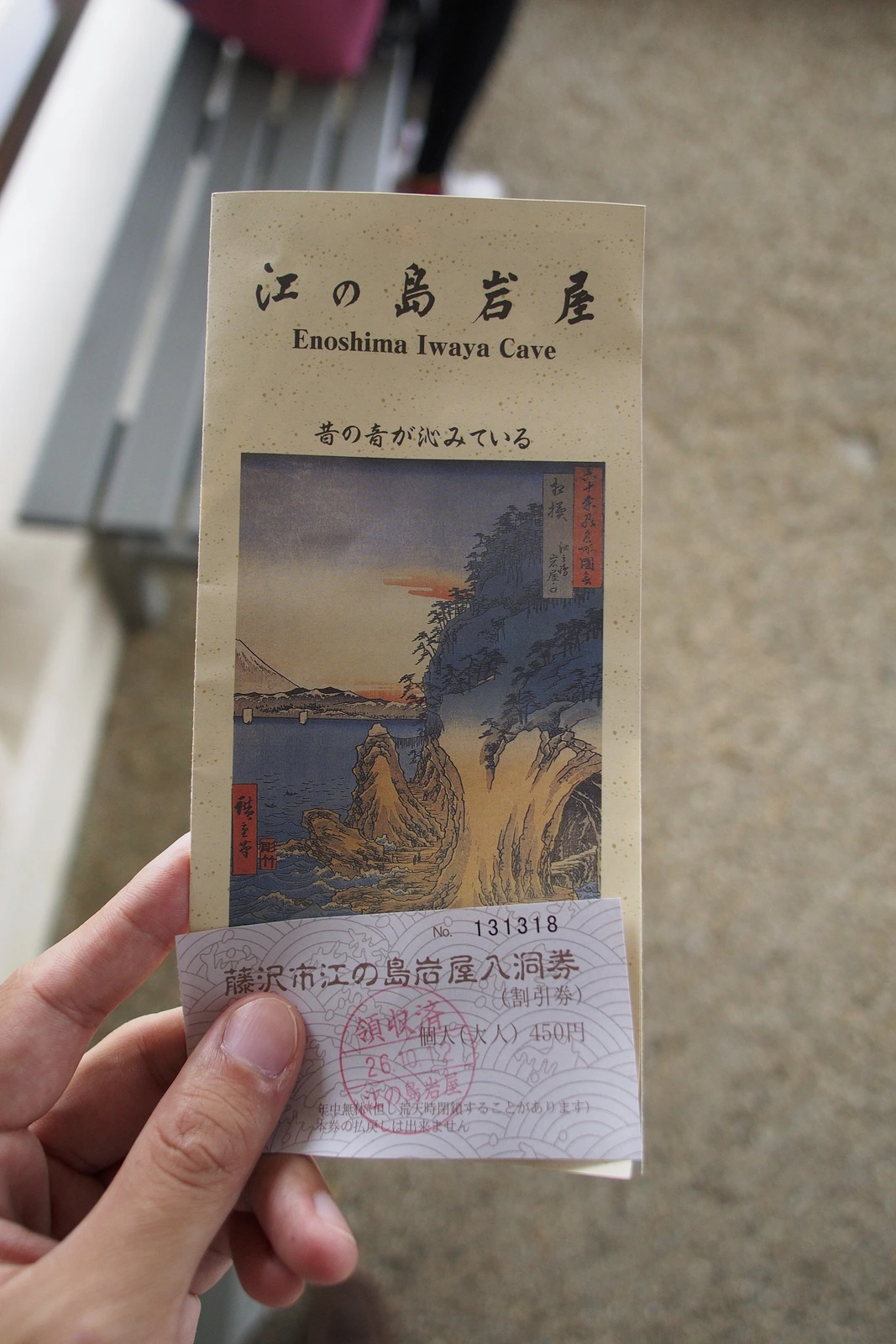
At the very end is the Enoshima Iwaya Cave, and the Enoshima-Kamakura Free Pass gets you a 50-yen discount. It is a natural sea cave said to have been favored by Minamoto no Yoritomo. The cave itself was a bit dull, but inside there was a dragon statue with a taiko drum beside it. If you strike the drum once, a light flashes behind the dragon. The sign said that if you hit it twice and both times it flashed, your wish would come true. I got two flashes, but I had forgotten to make a wish.
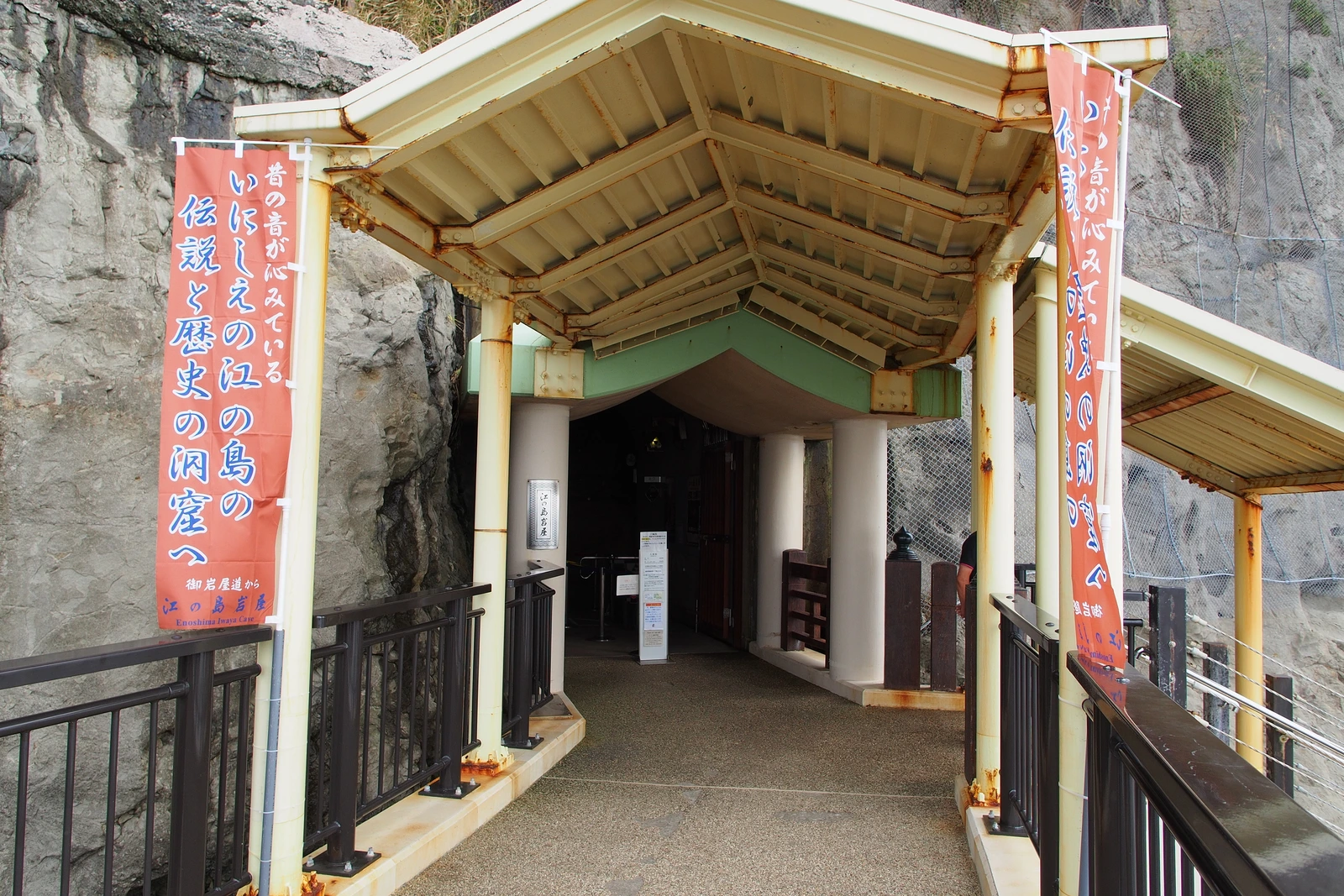
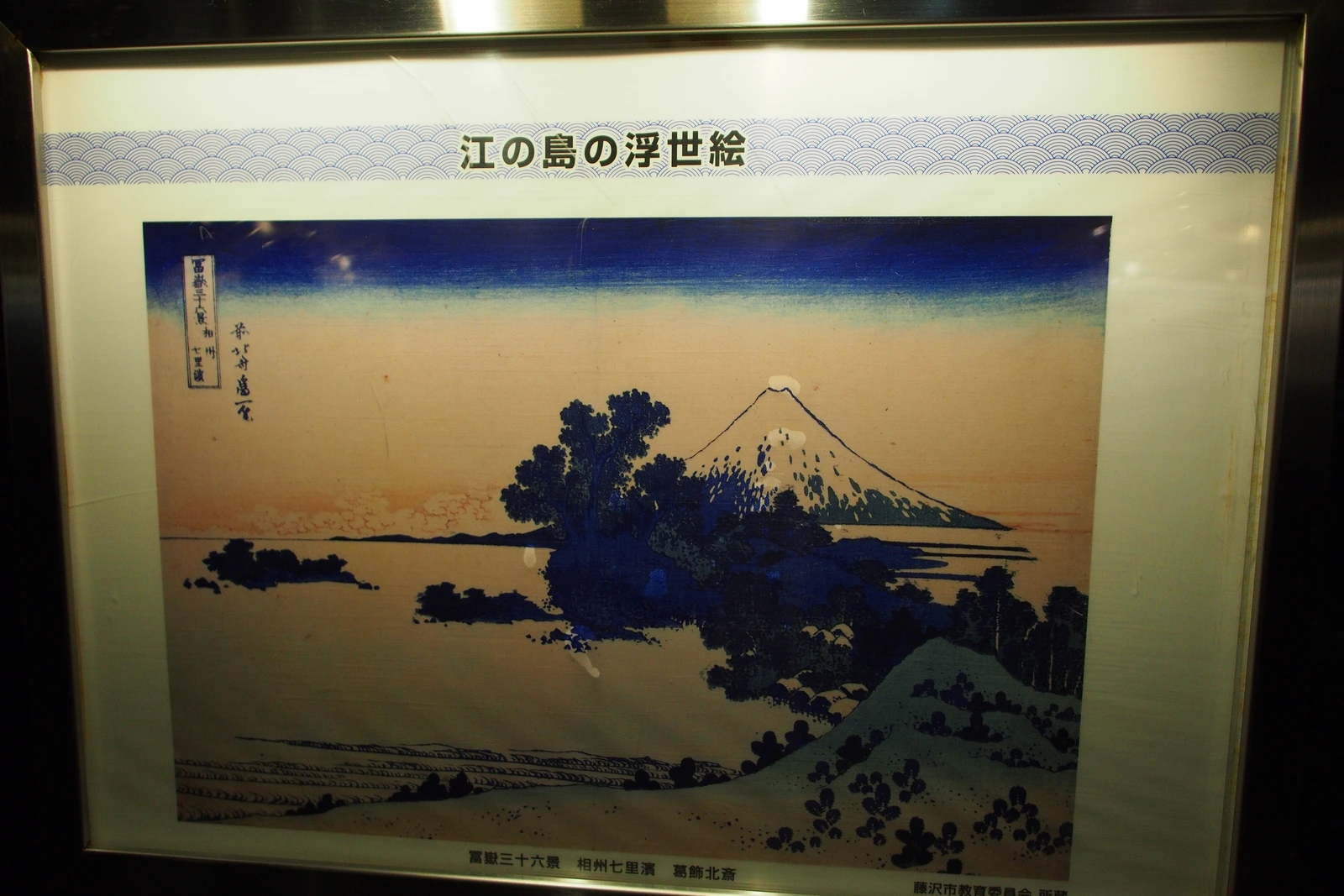
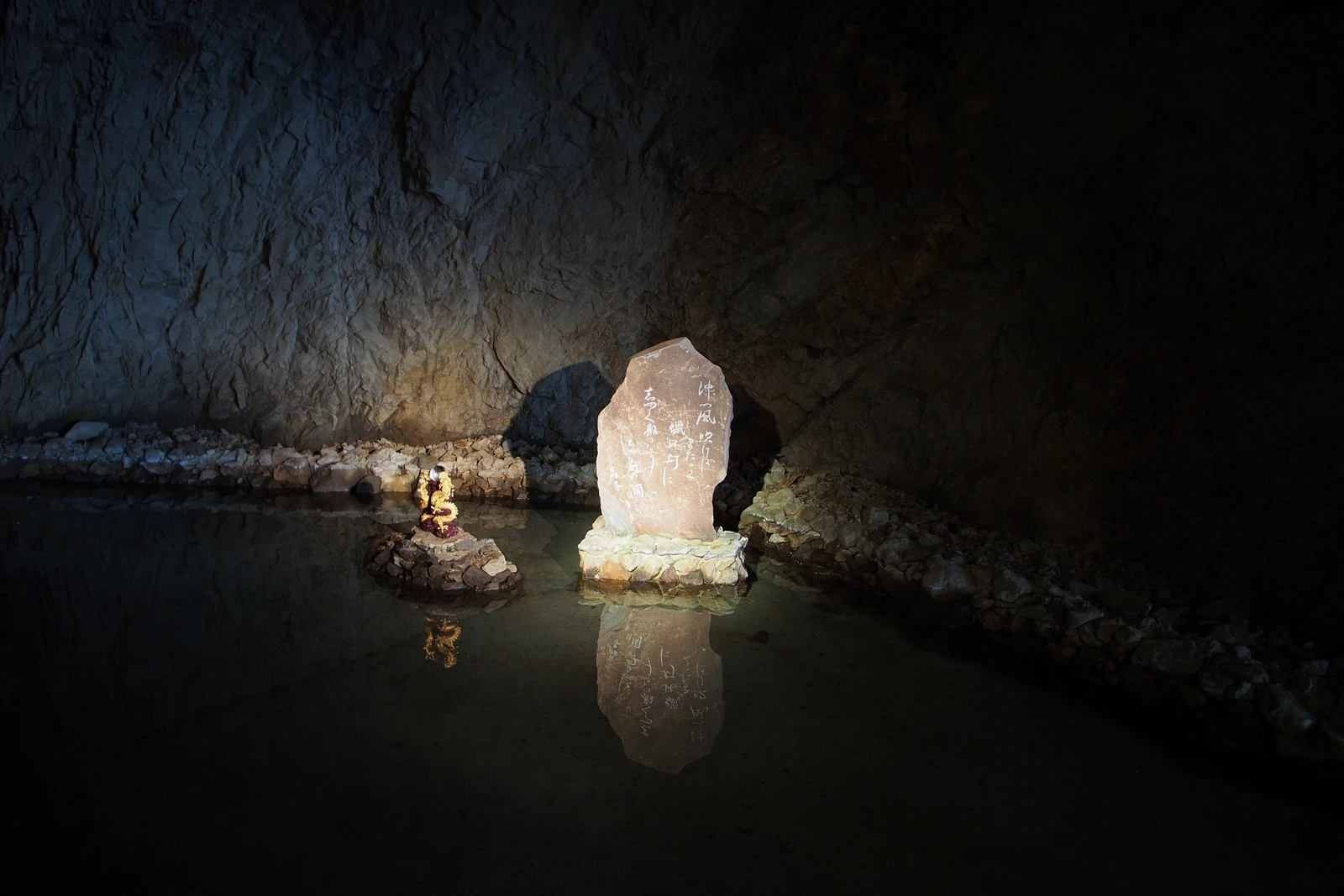
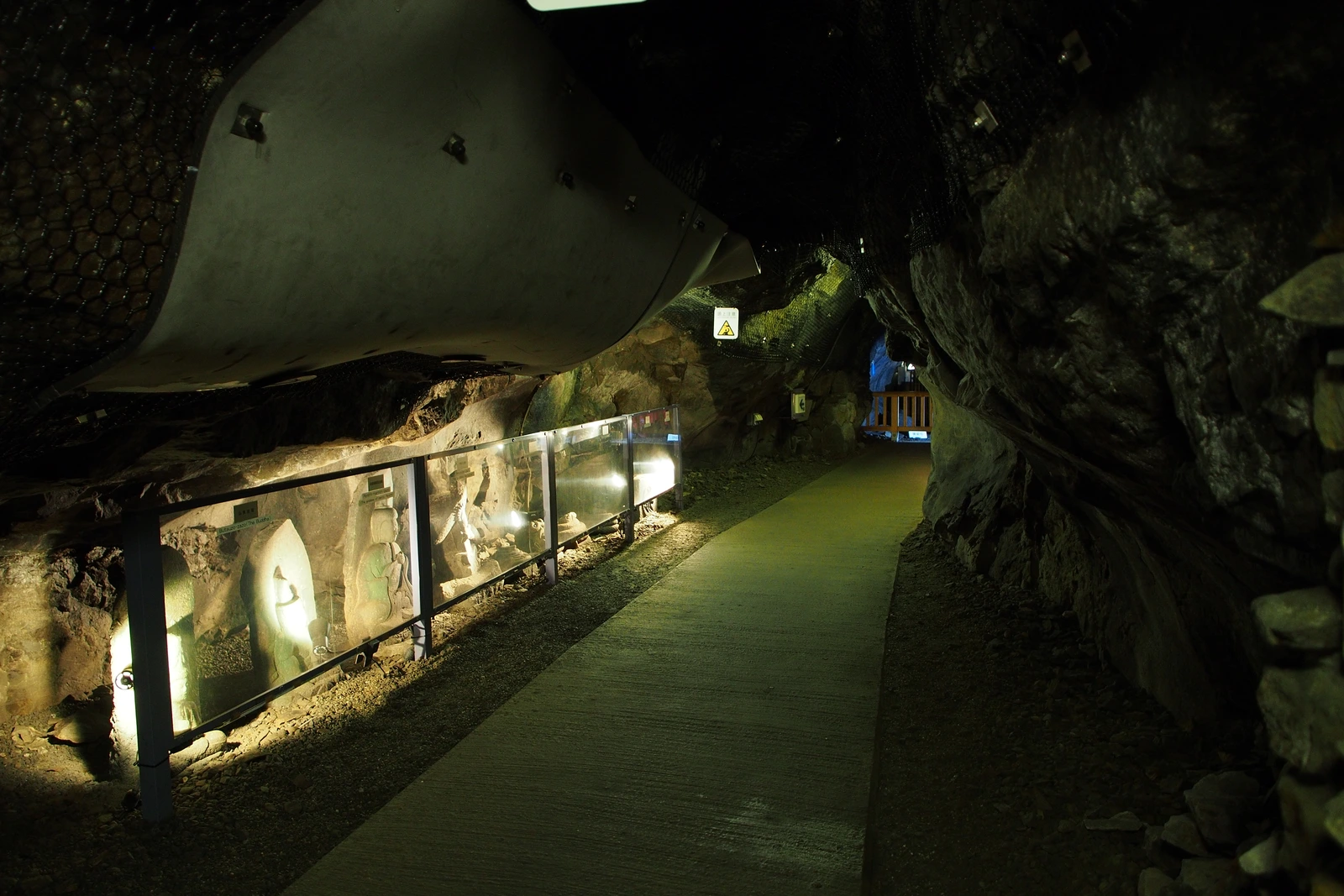
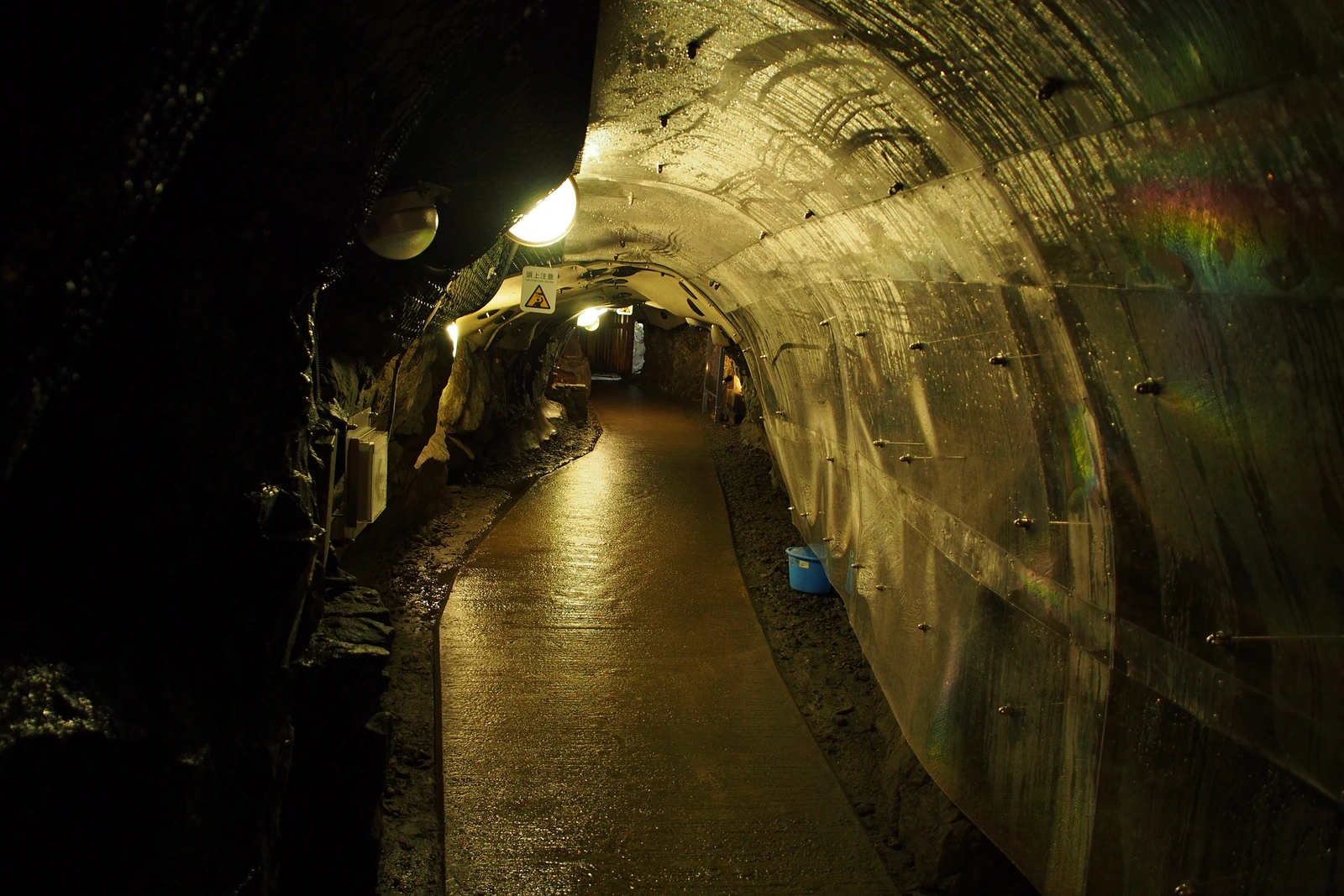
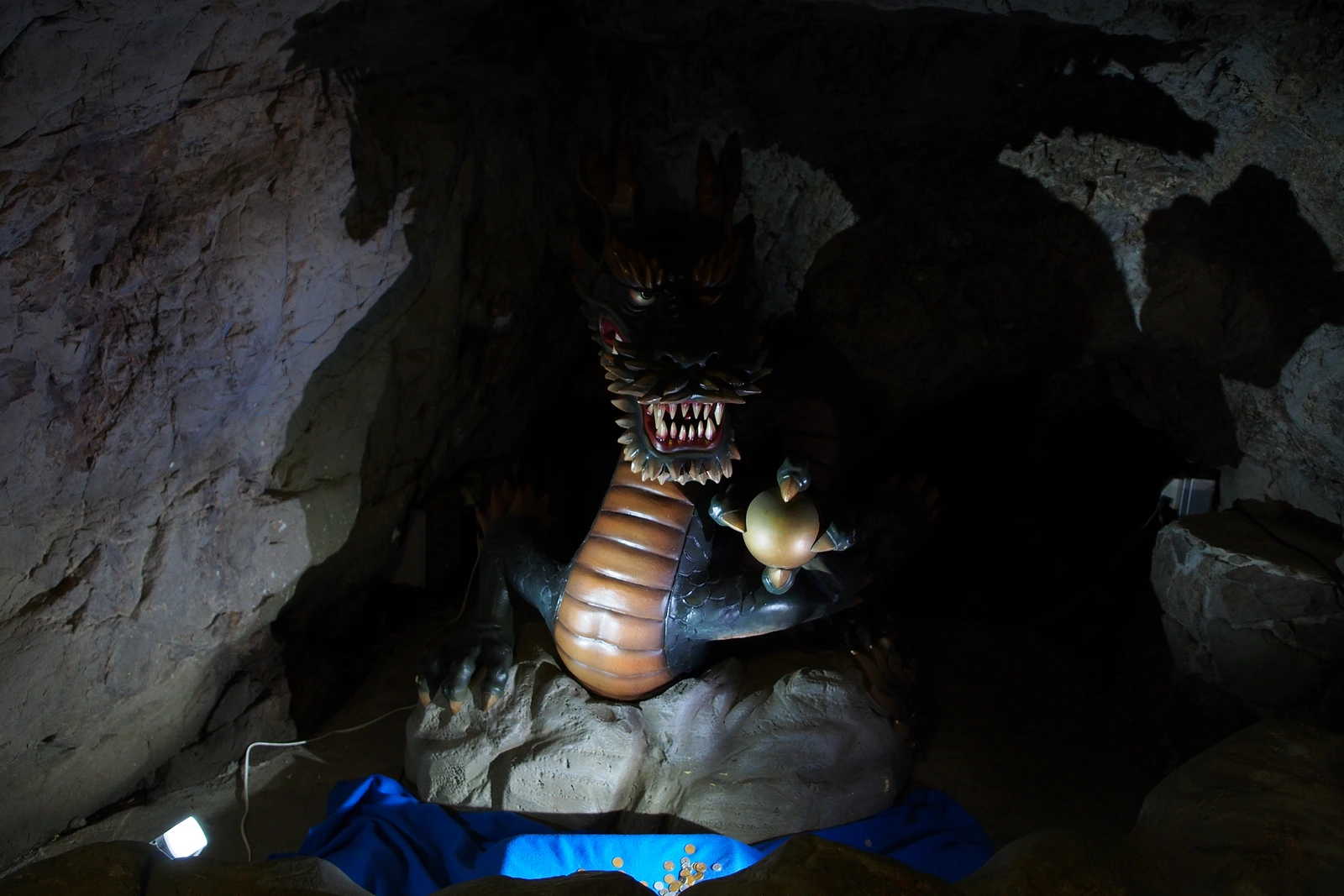
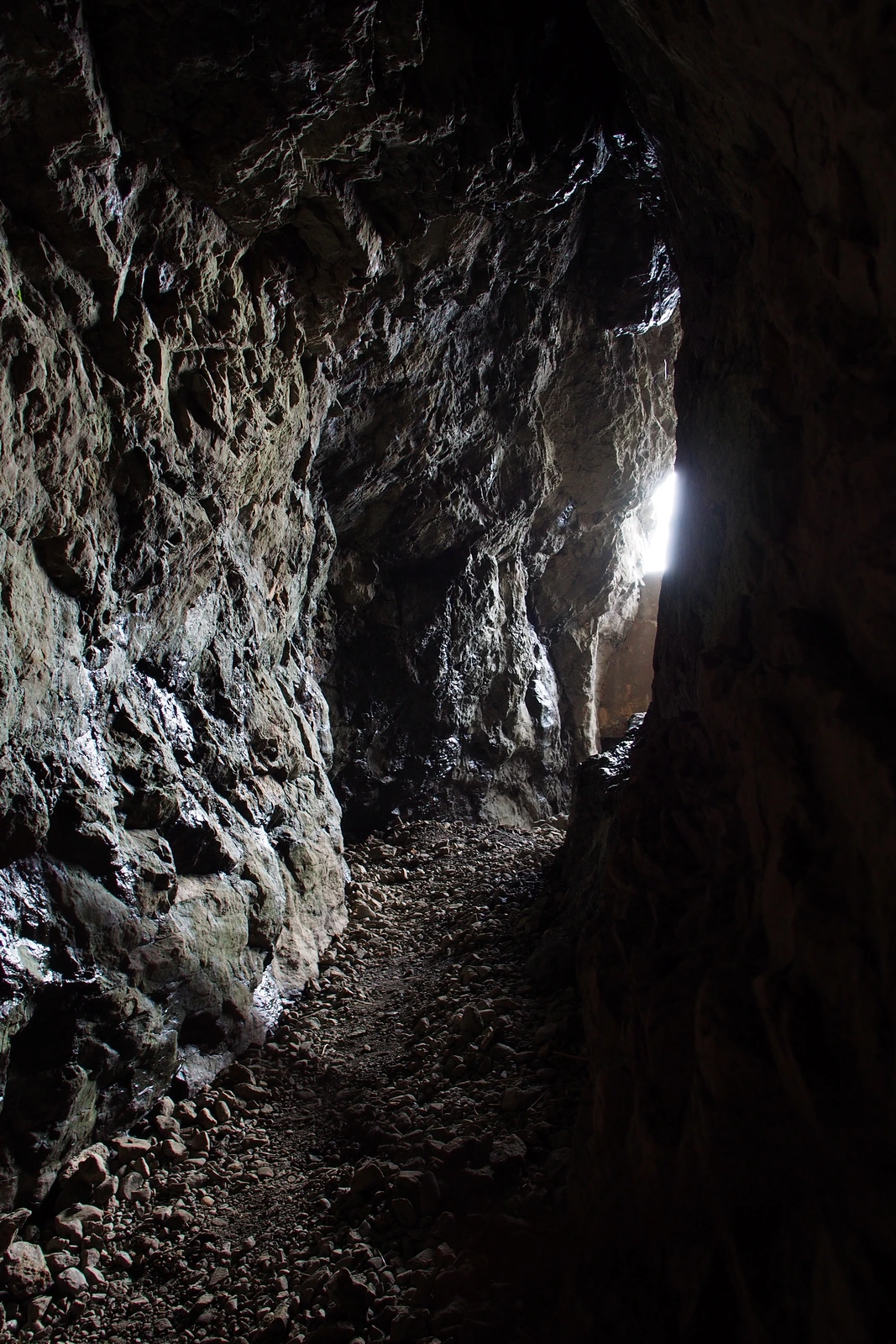
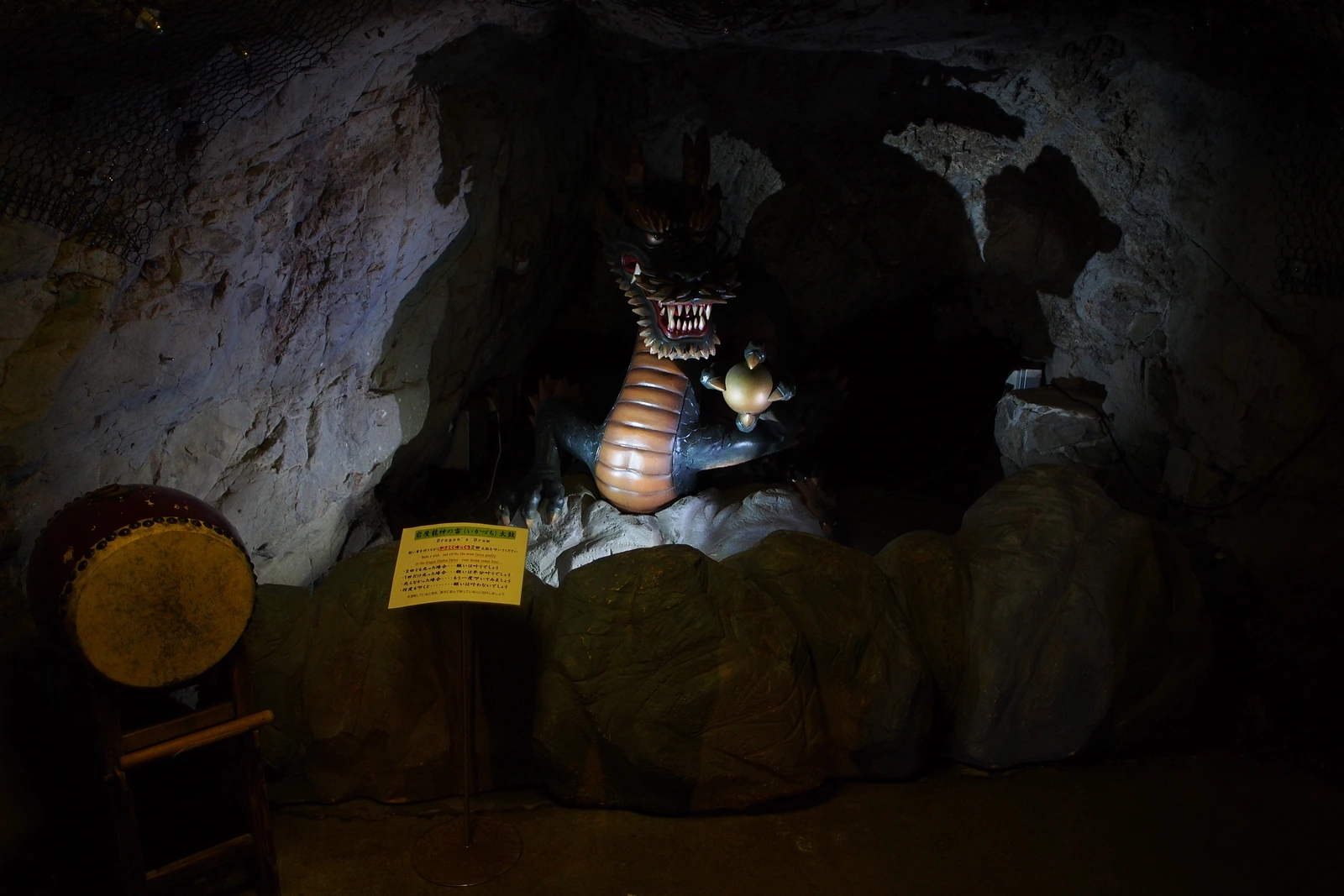
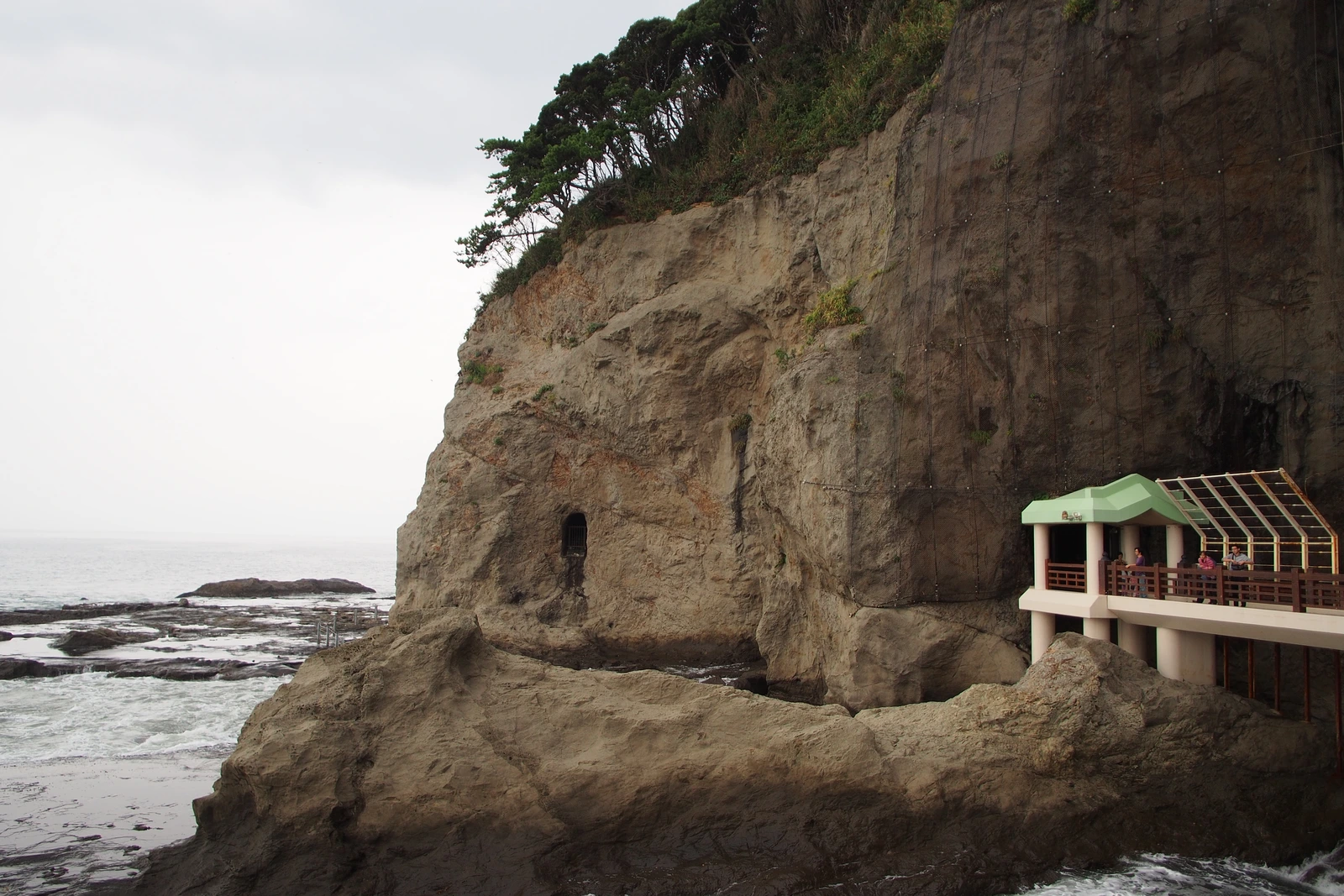
The island was full of atmosphere. It is small, but you can spend a long time wandering around it.
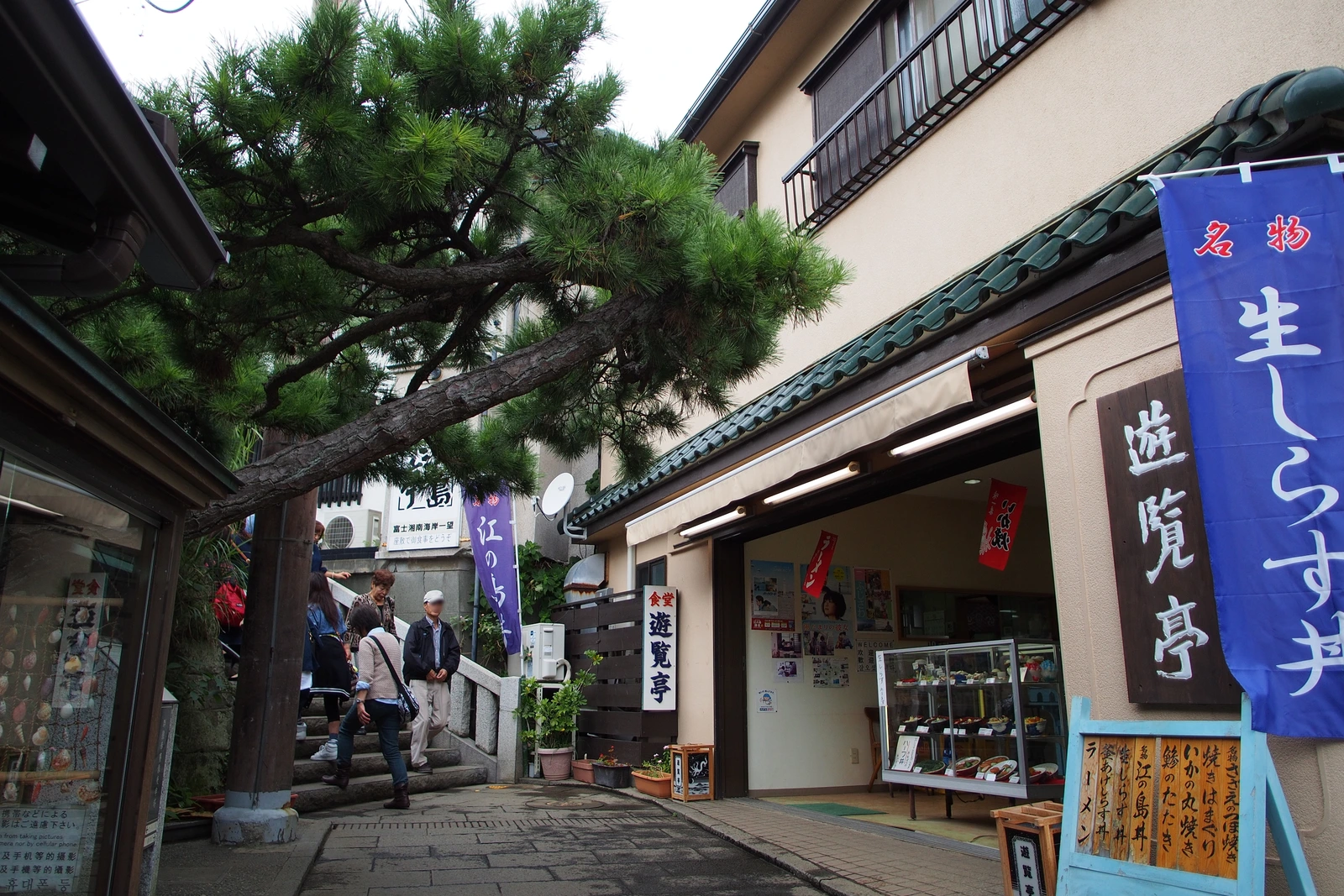
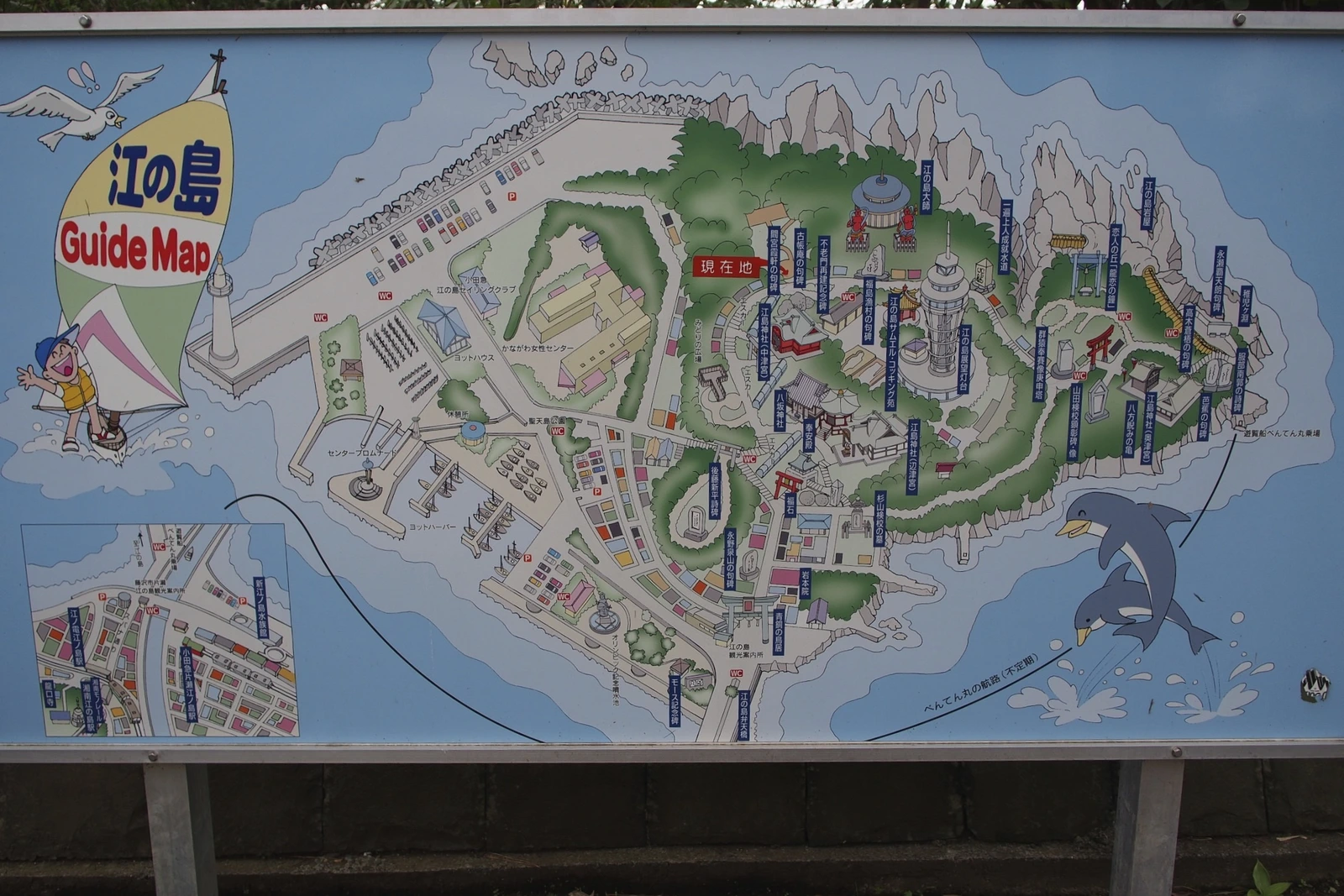
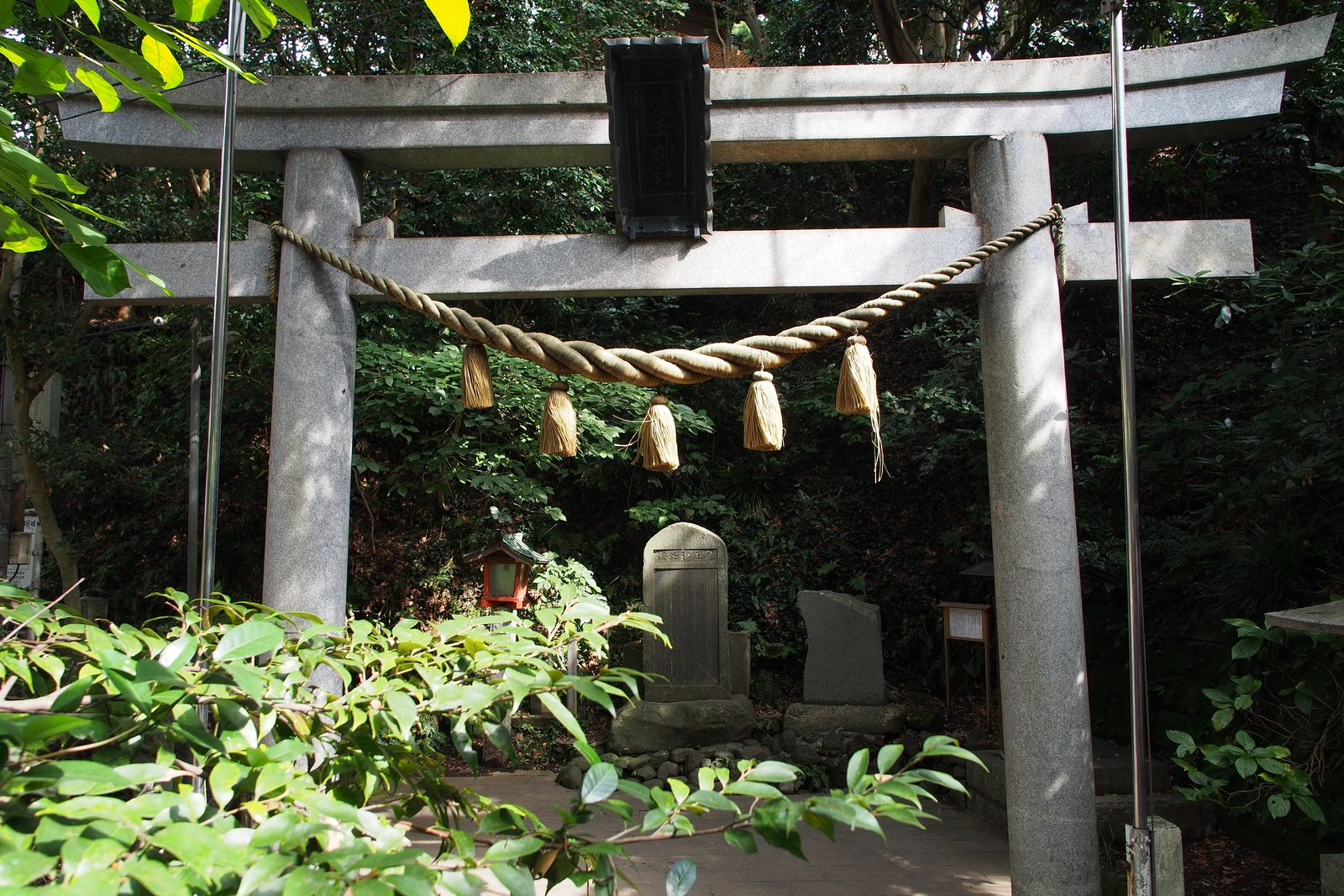
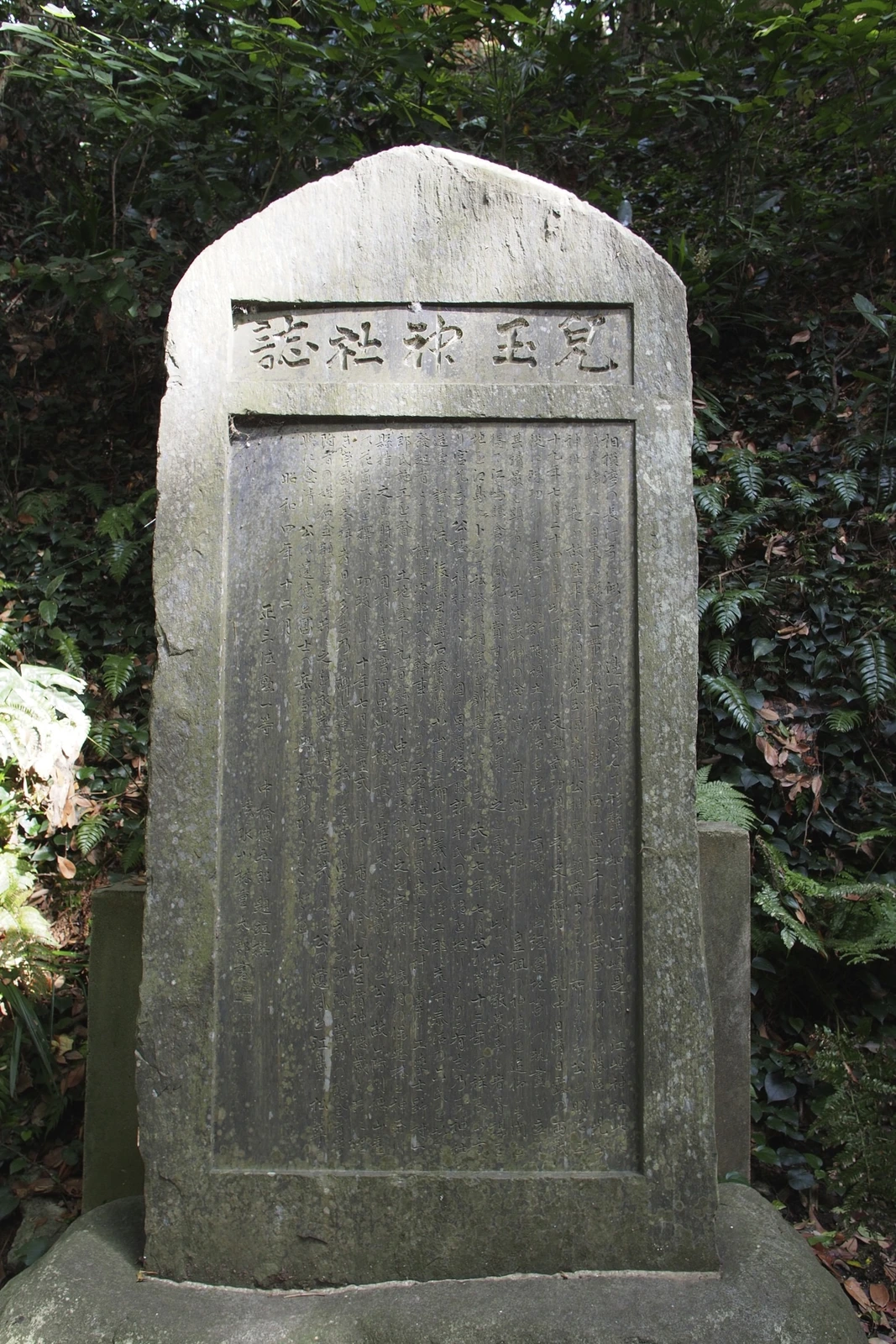
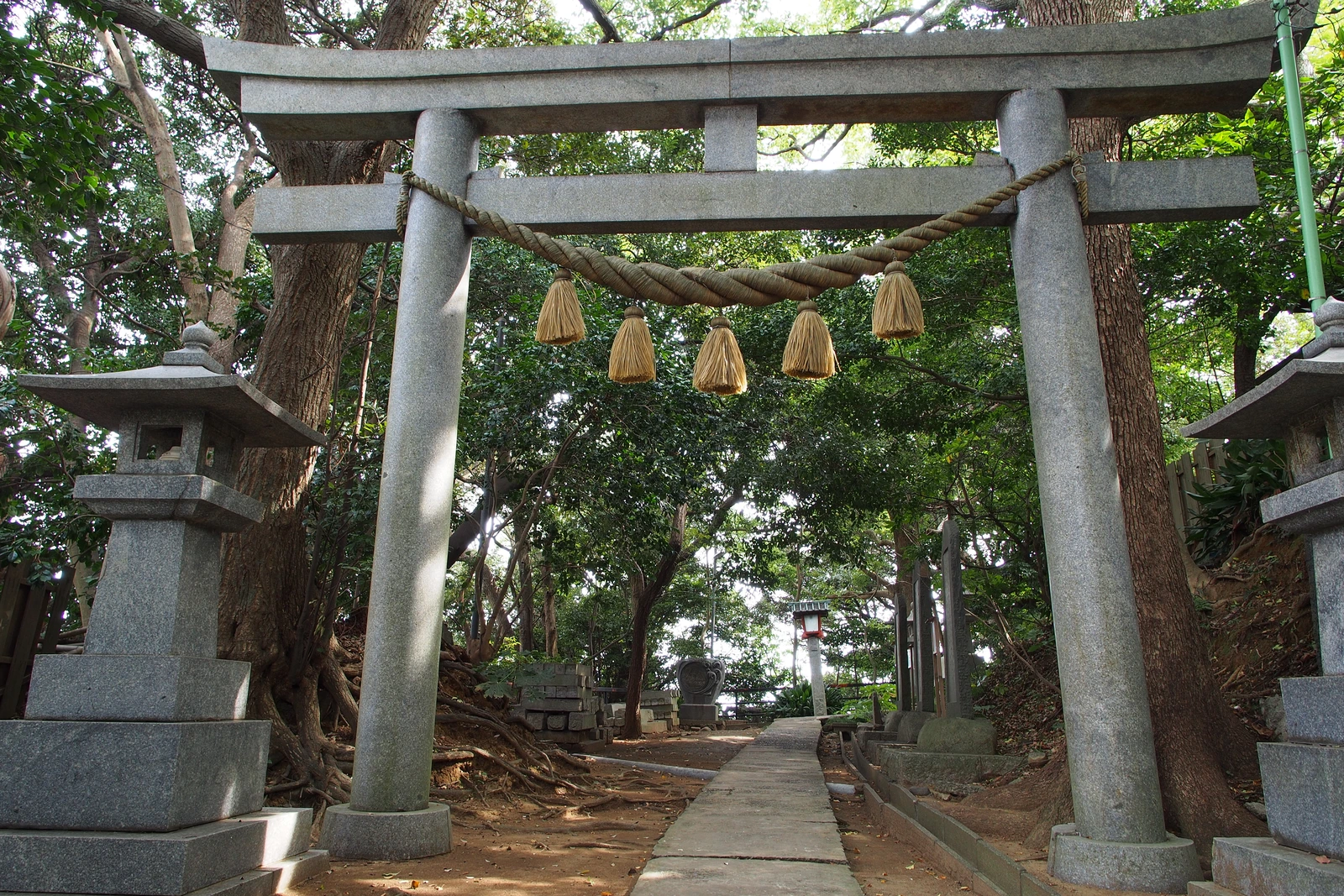
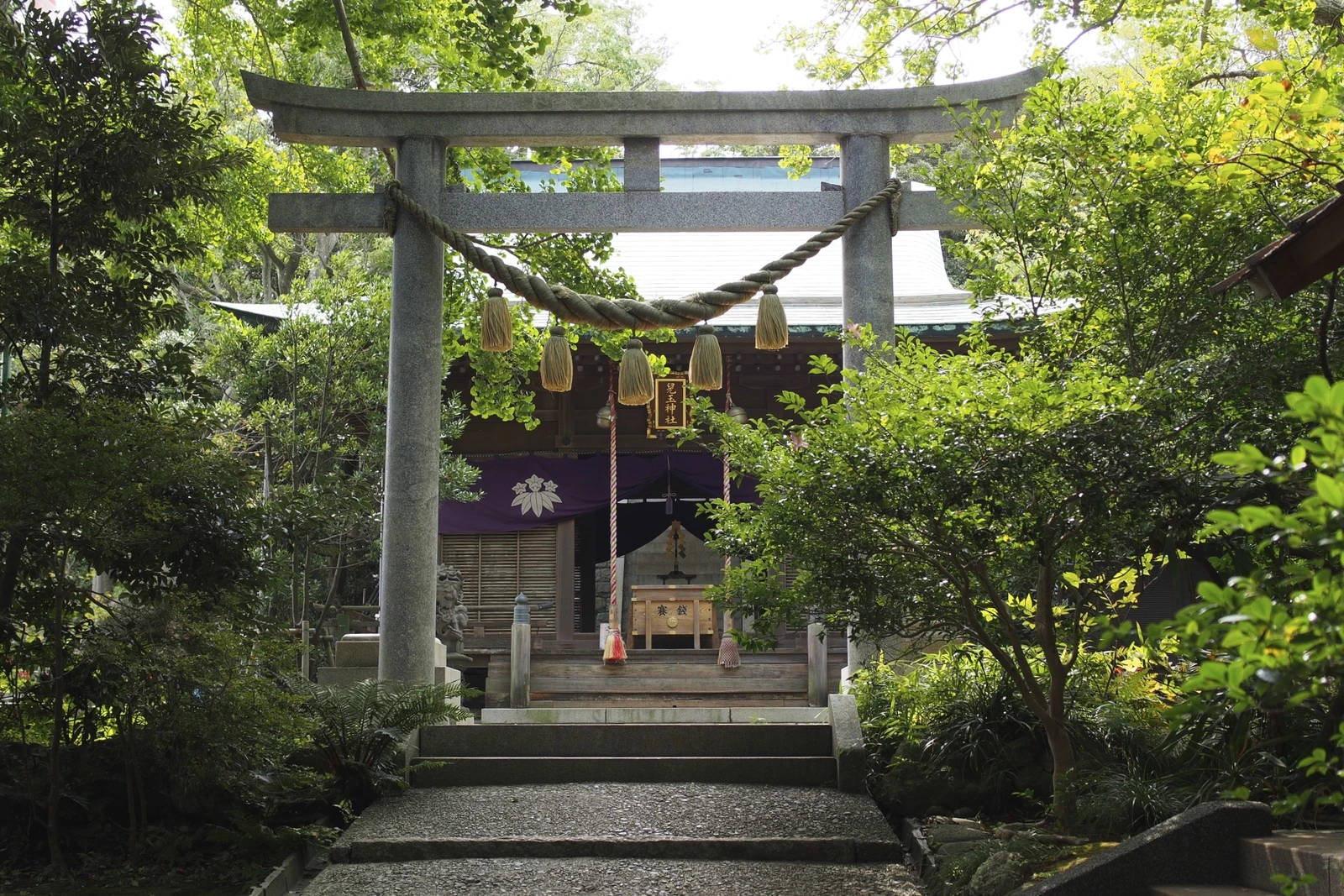
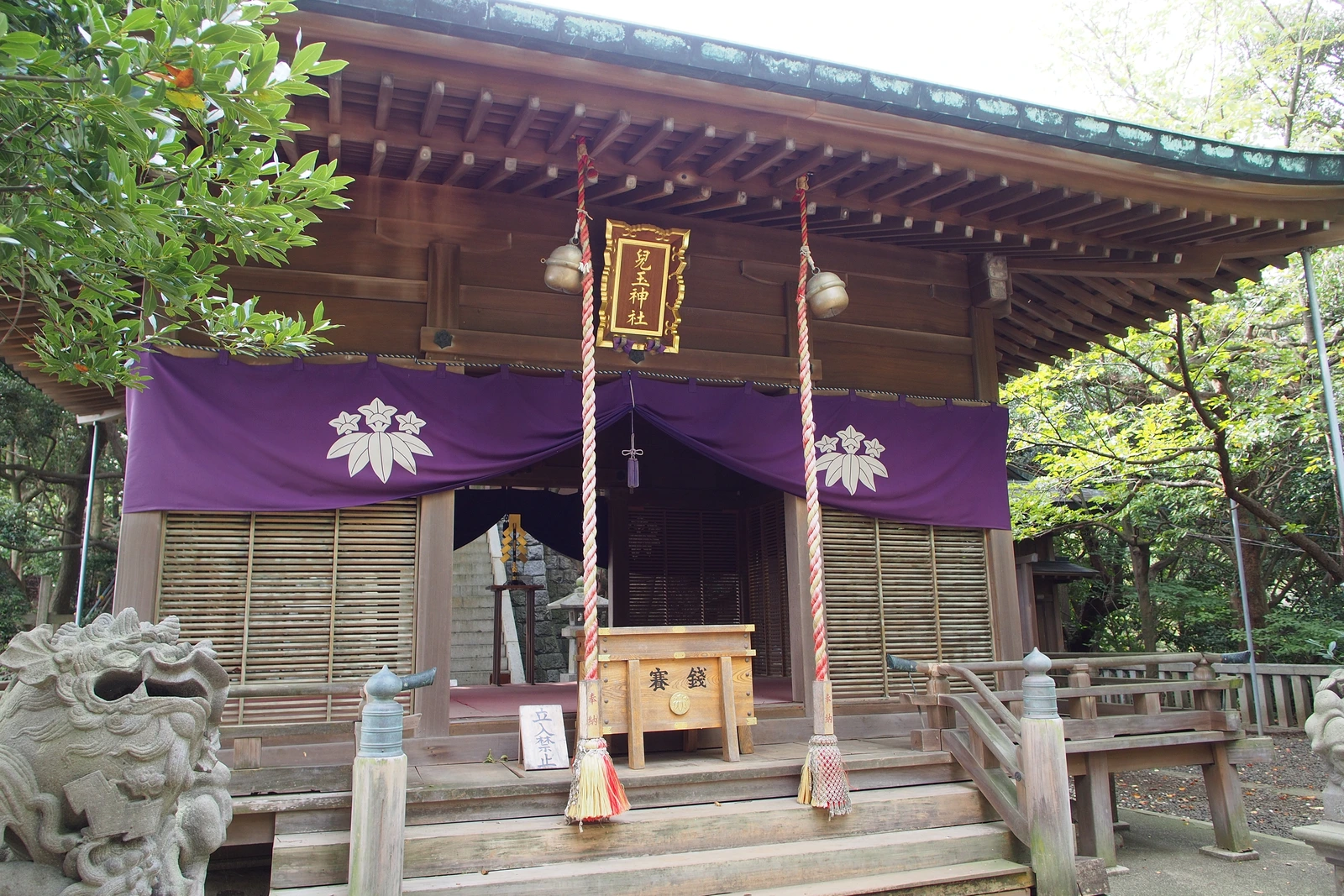
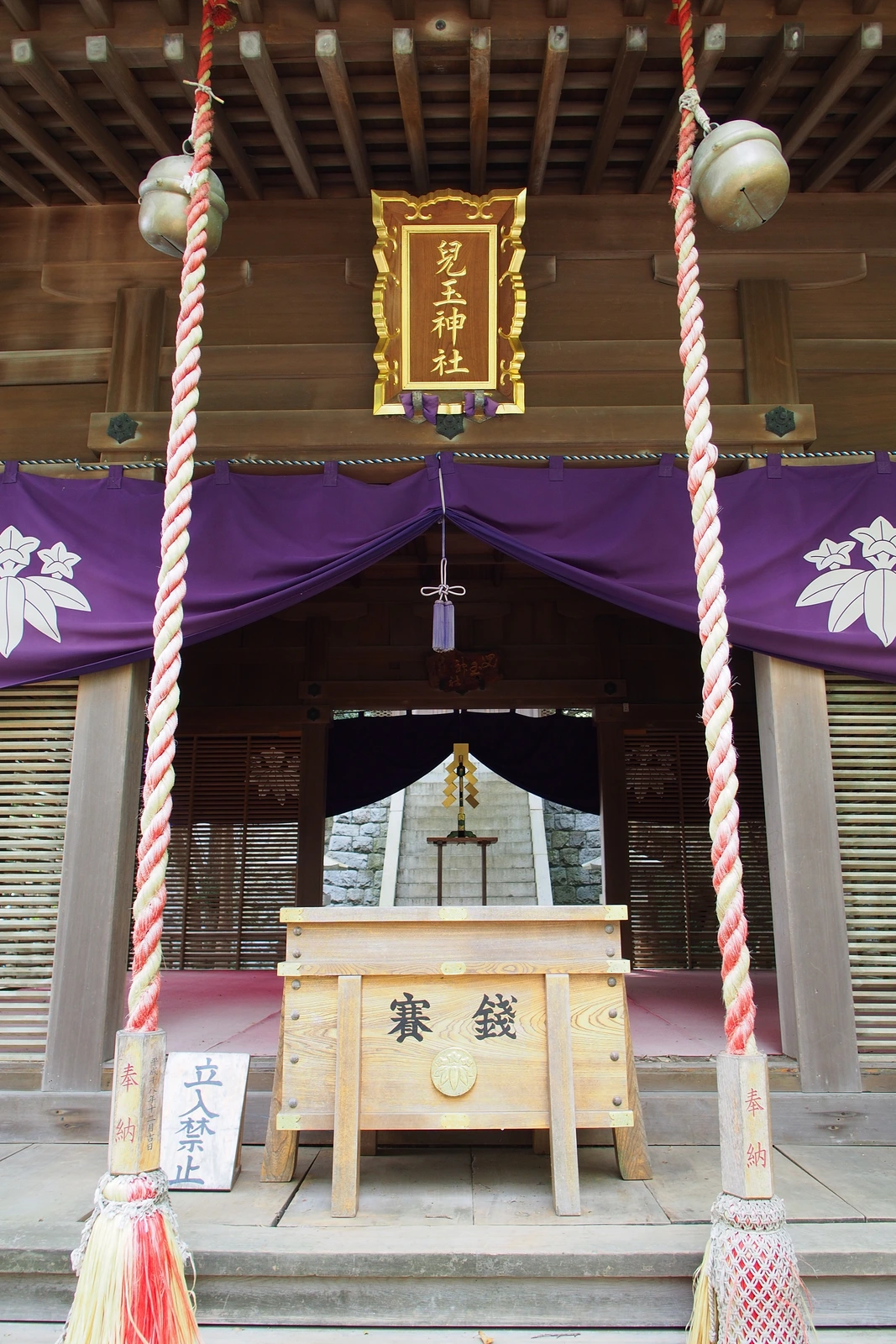
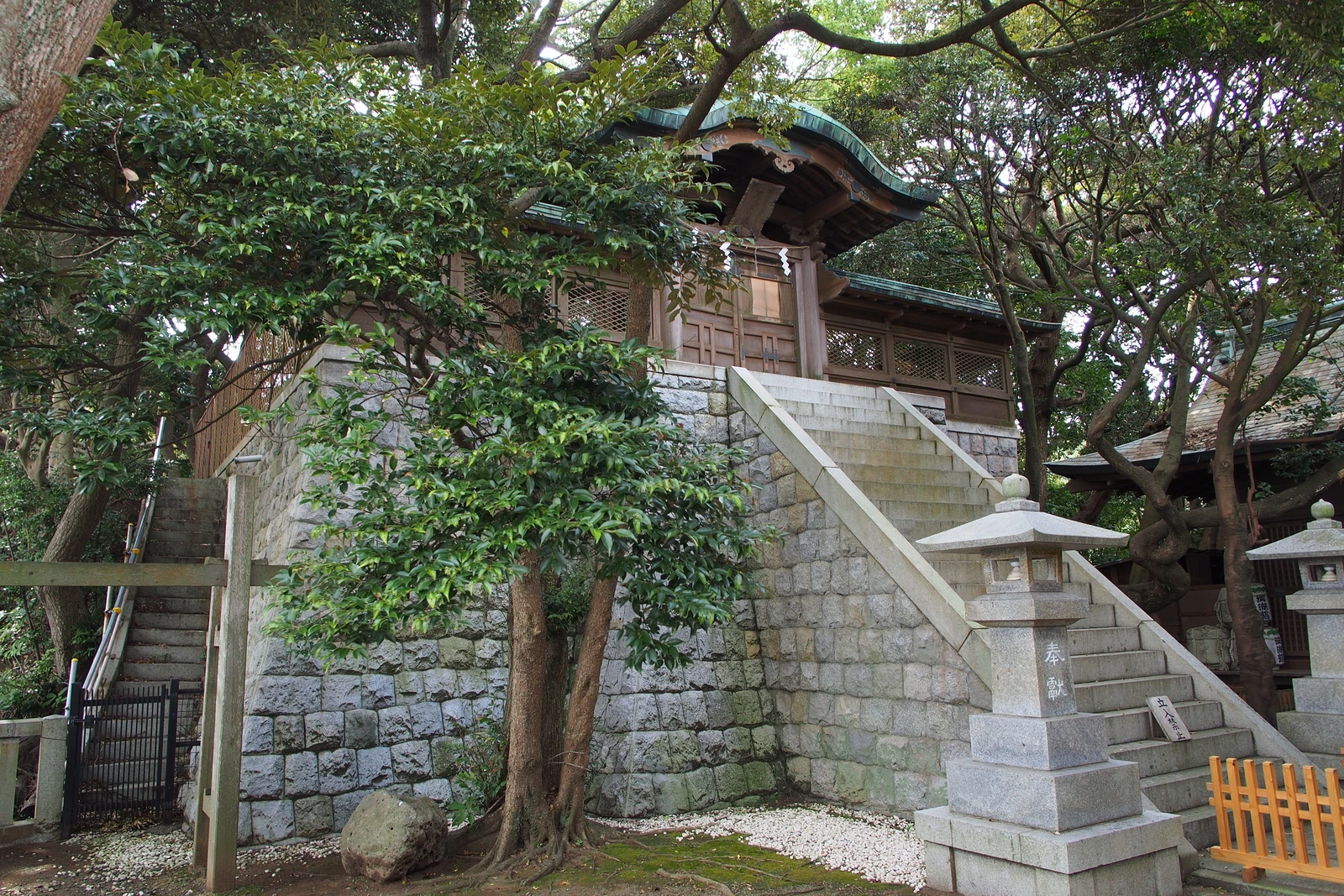
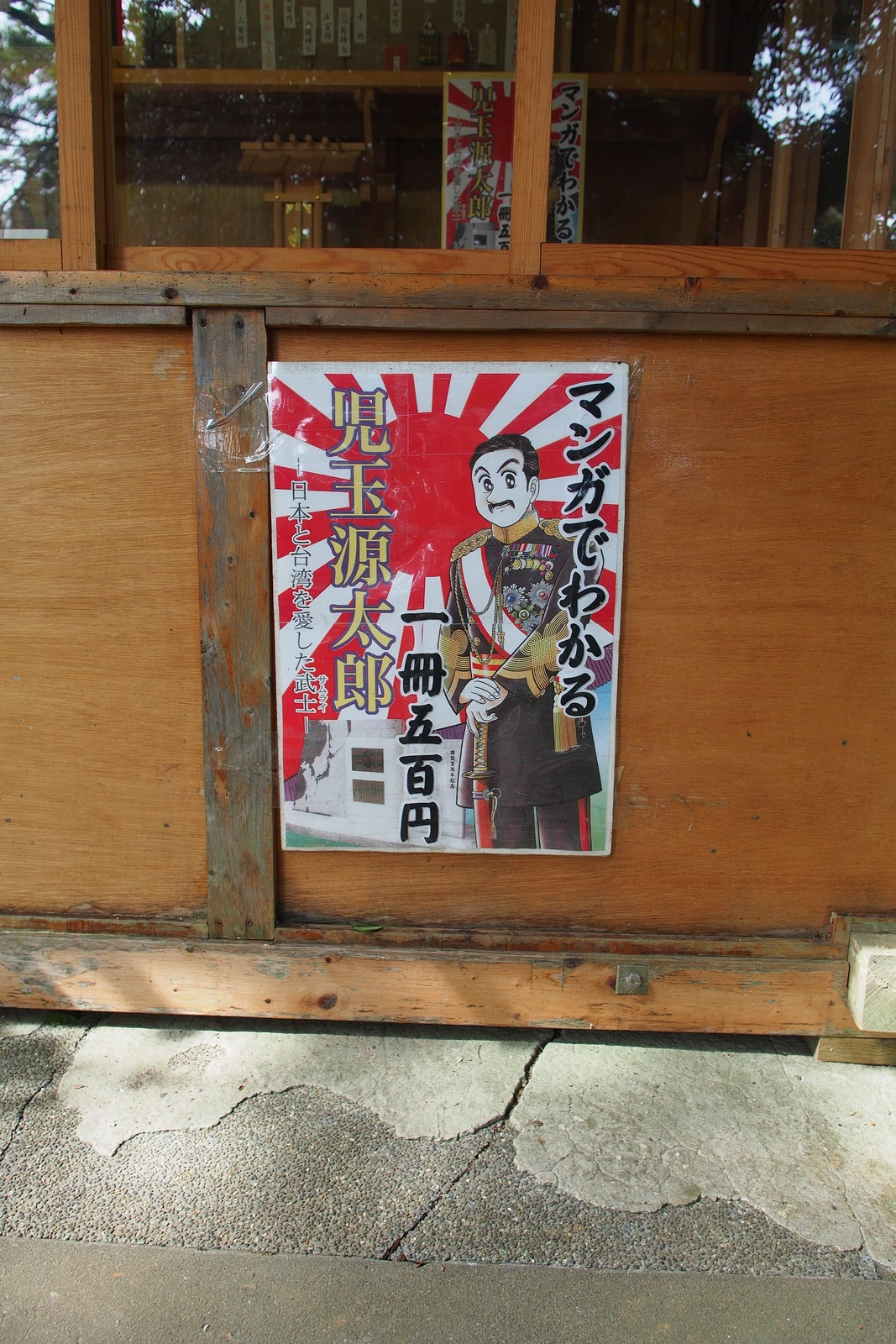
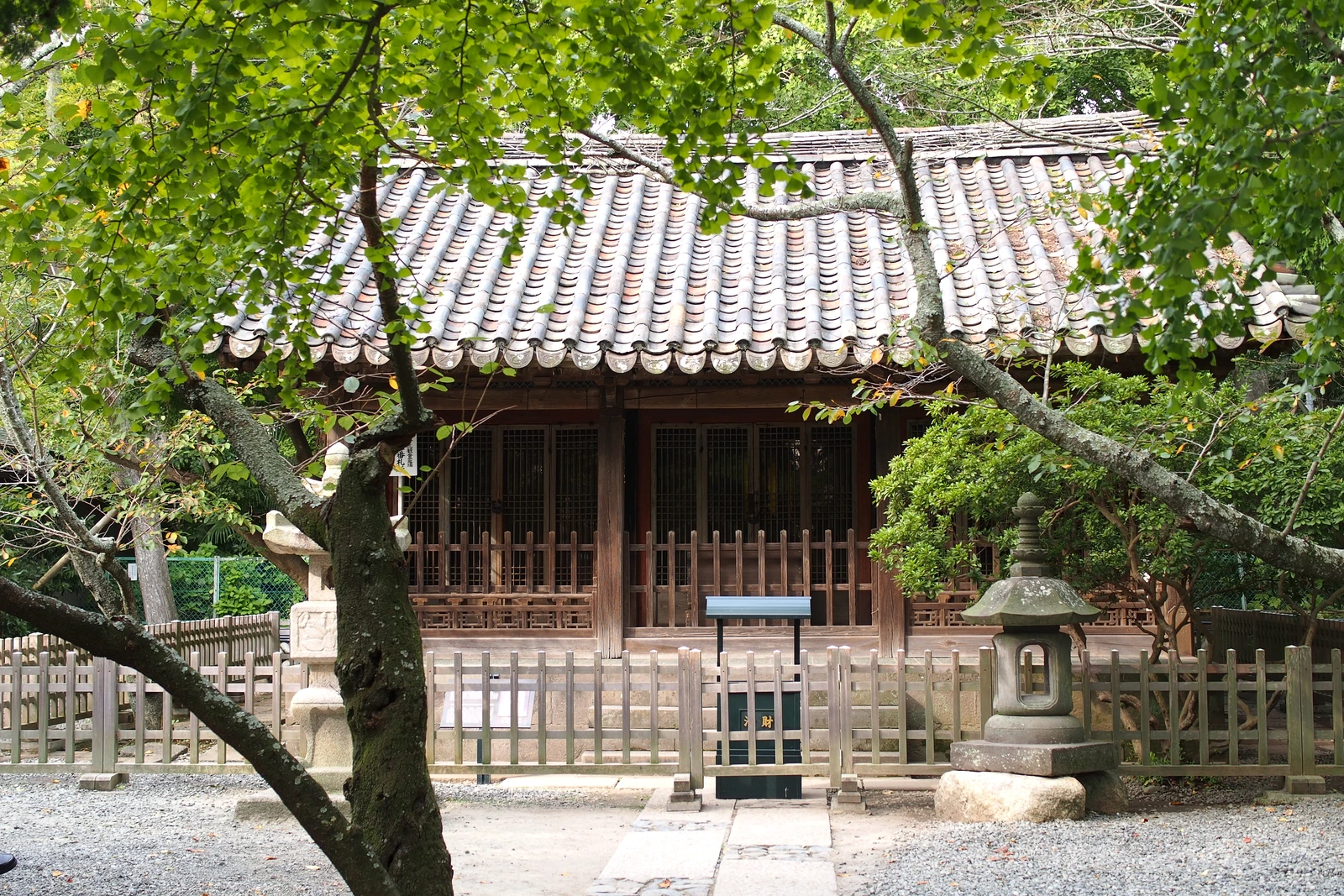
Just as I was about to leave the island, I caught sight of a sign for Kodama Shrine. It turned out to be a shrine dedicated to Kodama Gentarō. As a volunteer at the National Taiwan Museum, I went in for a look to expand my collection of guide material.
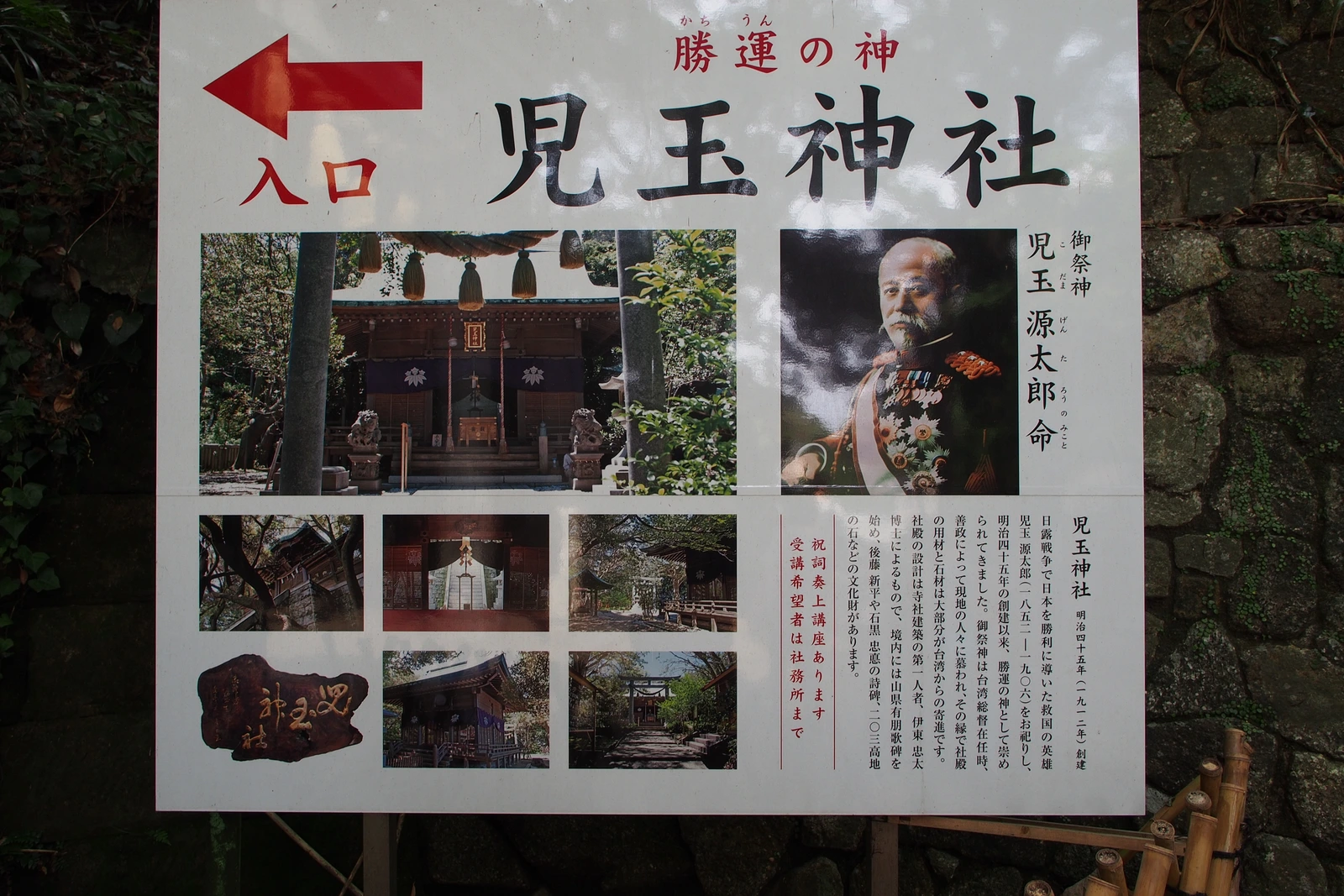
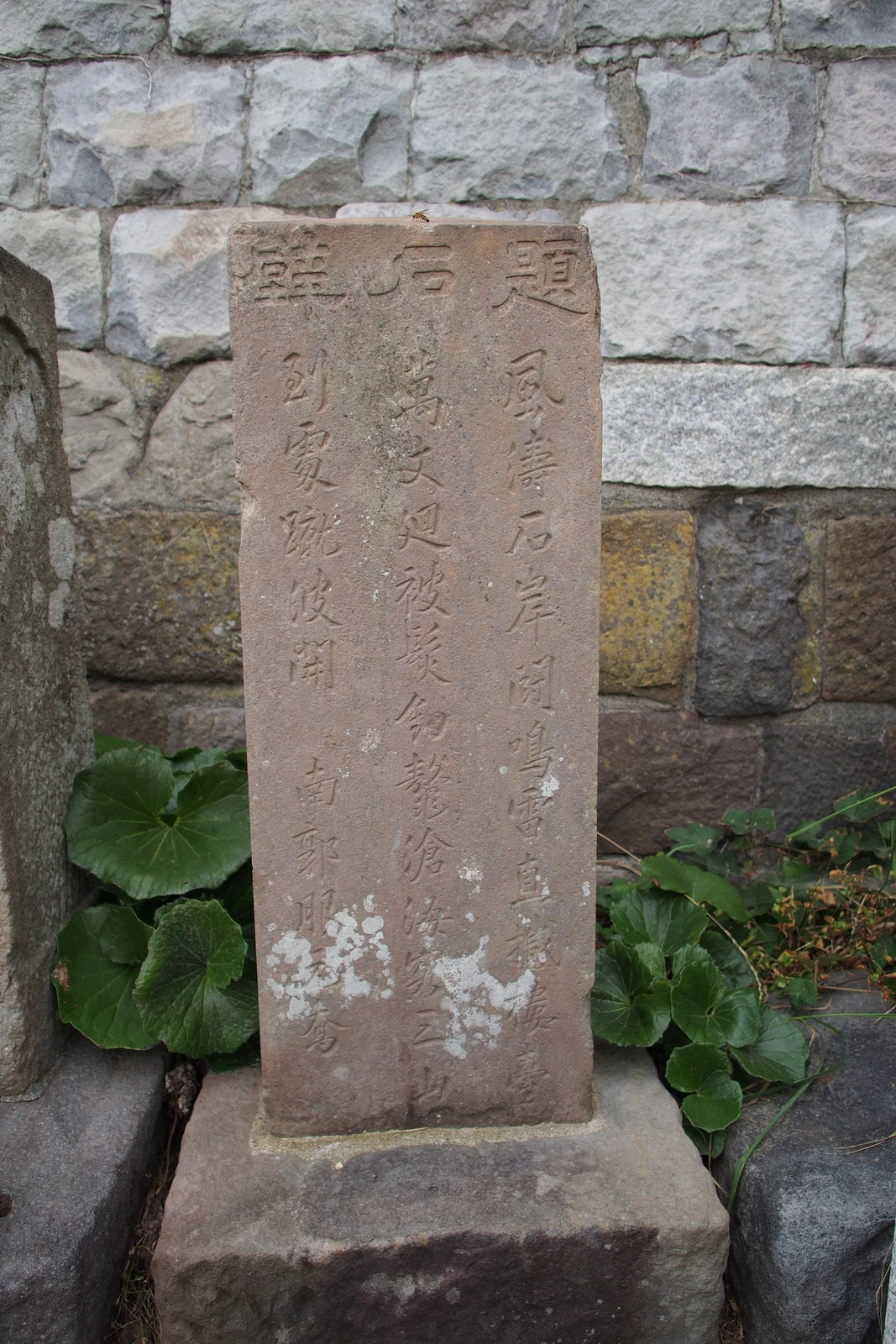
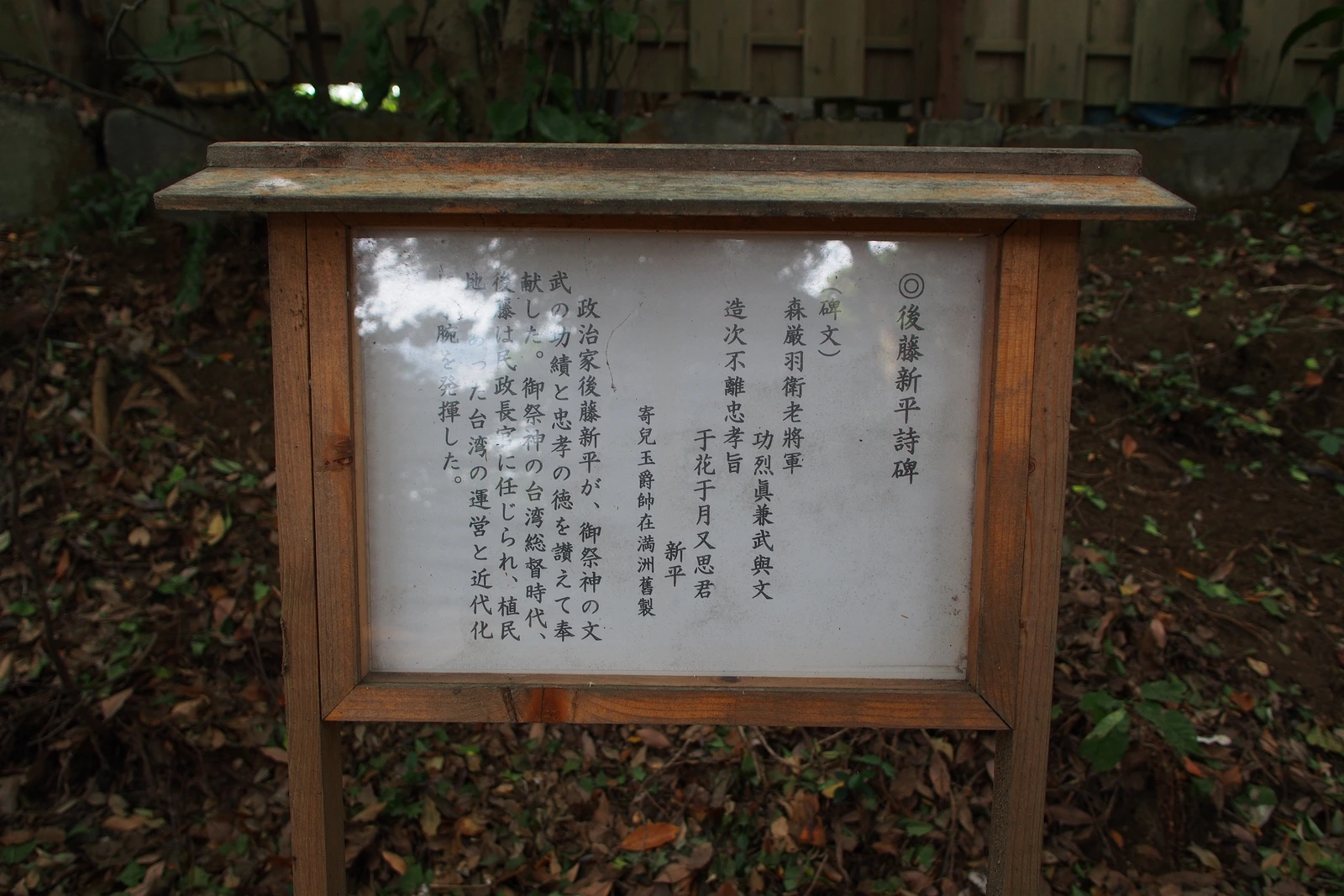
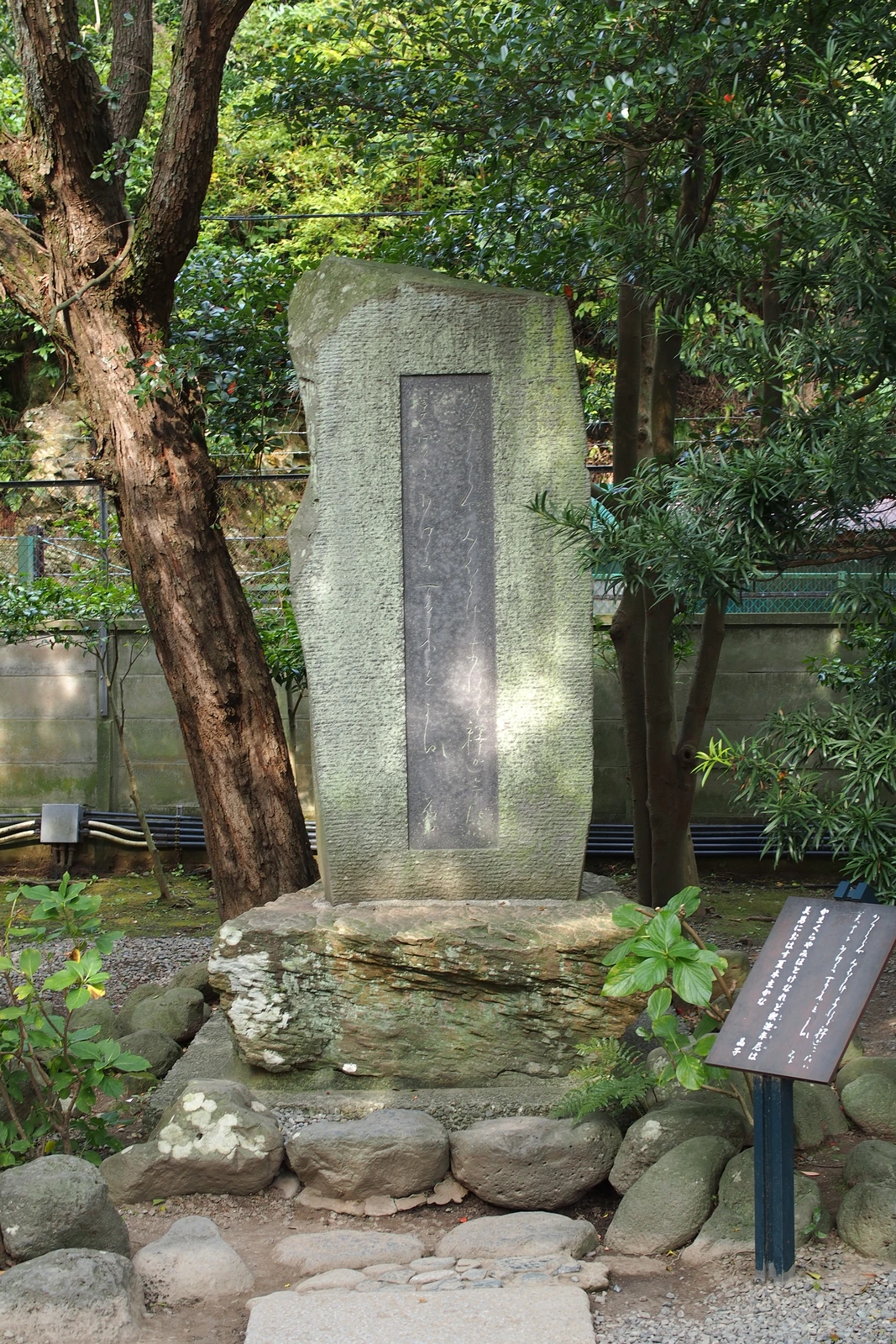
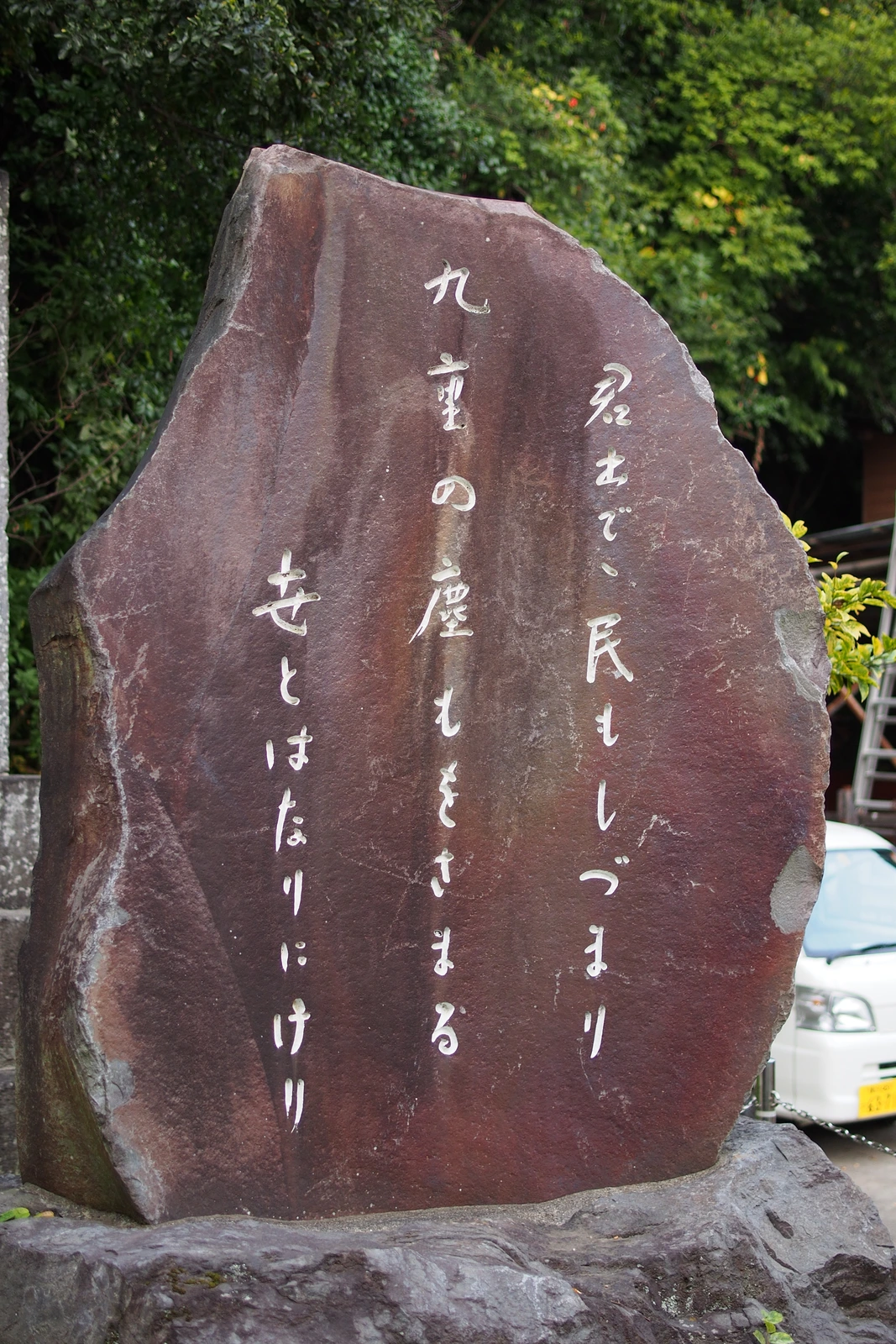
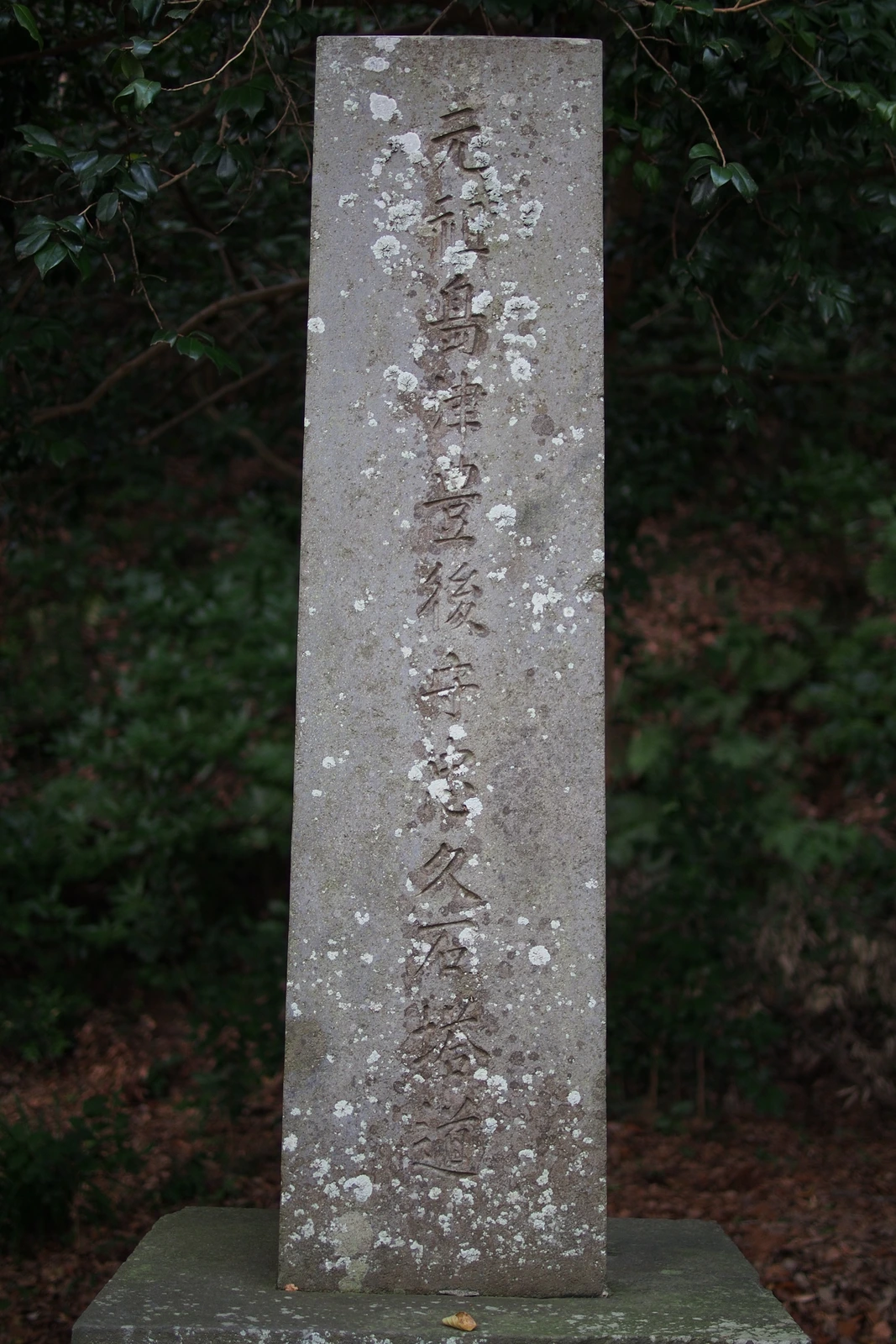
To my surprise, I found a poem monument by Goto Shinpei, and next to it there was also a stone monument erected in 1932, the first year of the Datong era, by Xie Jieshi, foreign minister of Manchukuo. And here is the kicker: he was Taiwanese. It is honestly depressing that I am Taiwanese and did not even know this bit of history existed.
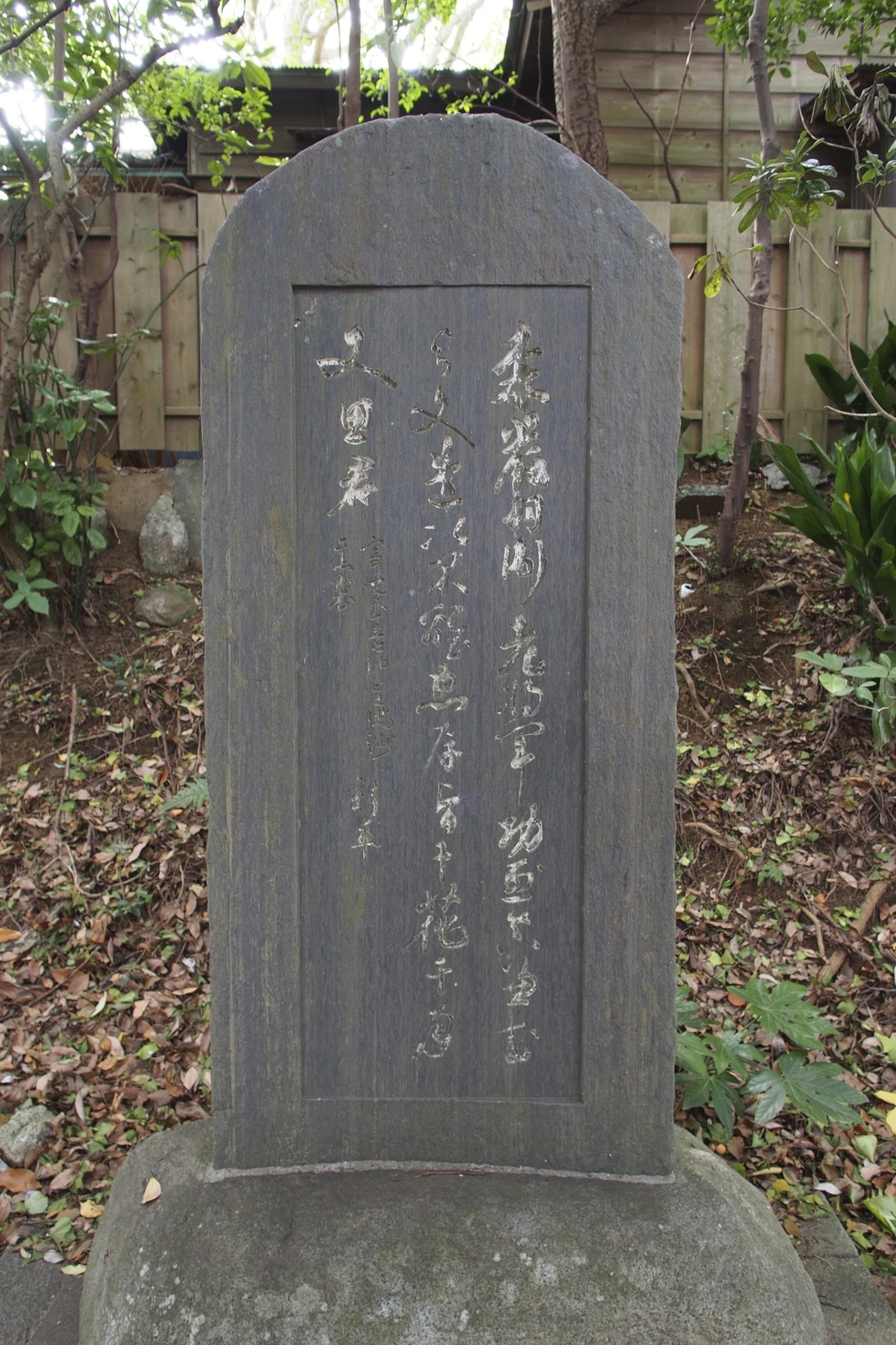
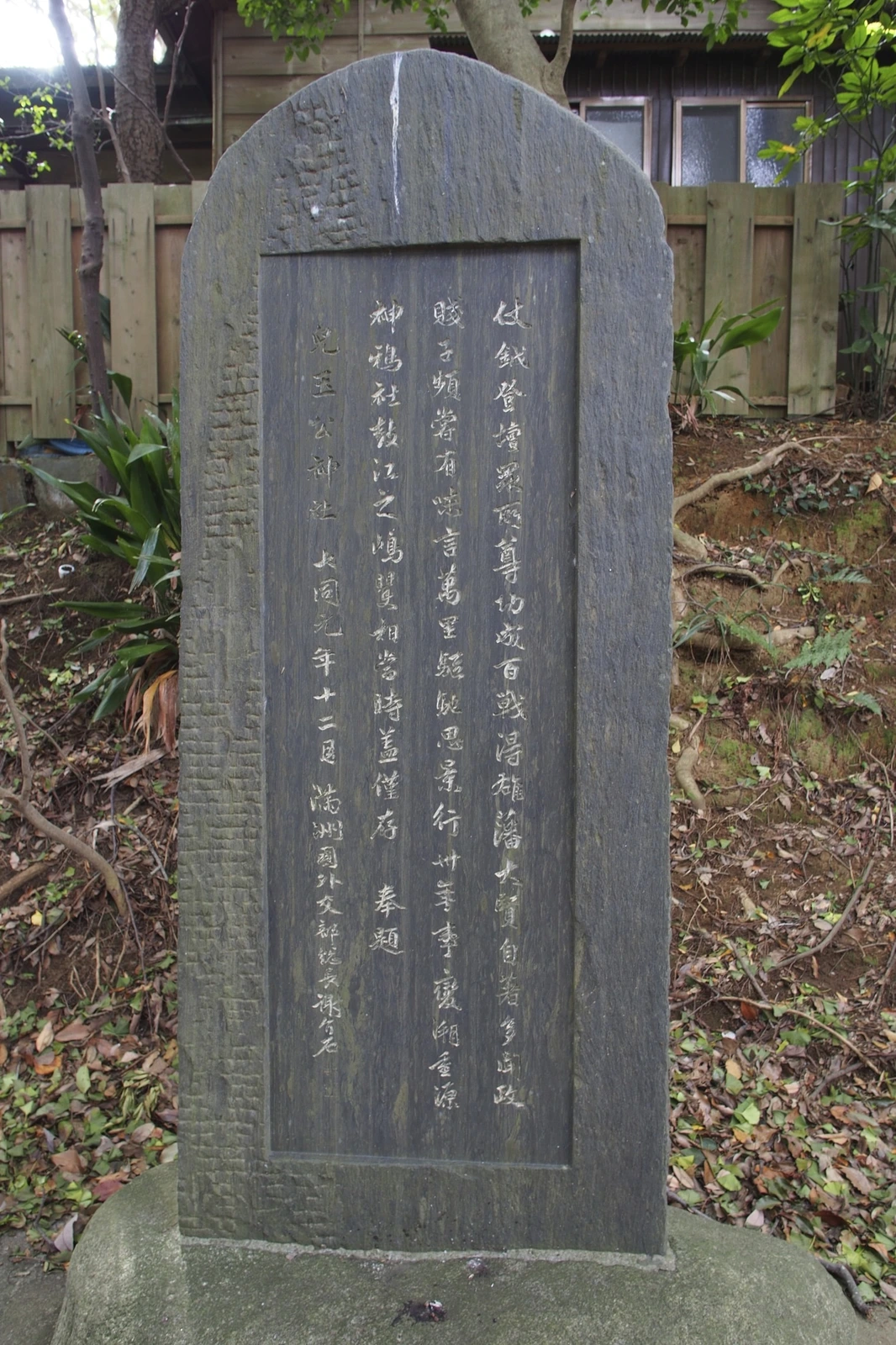
Kodama Shrine was a quiet little place. It was not on the main sightseeing route, so it would have been very easy to miss.
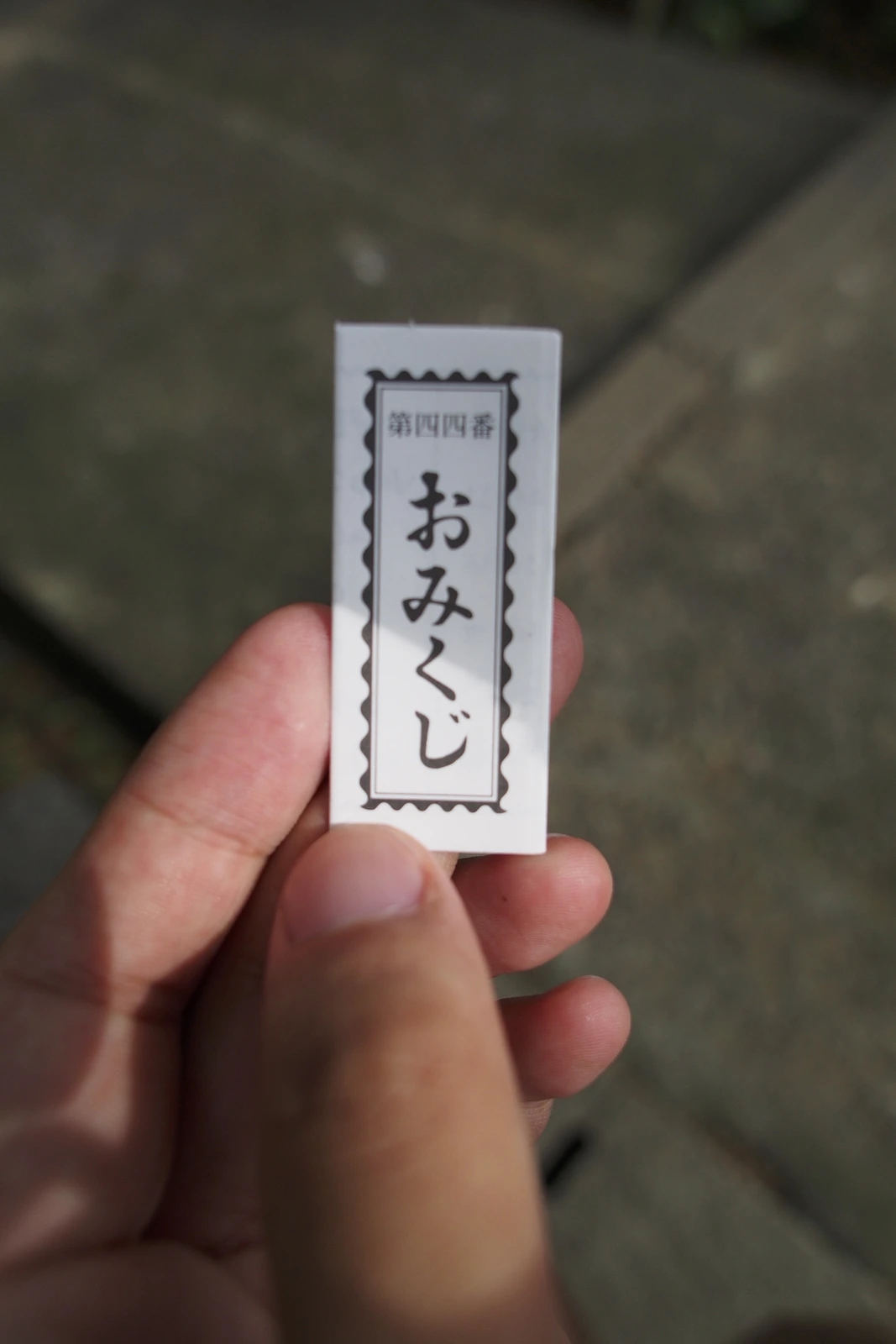
I also drew a fortune. It was suekichi, a mild kind of good luck.
By the time I left the shrine, it was already one in the afternoon. I hurried back to the Enoden for my next stop: Kamakurakokomae Station, the Slam Dunk spot. I am not even that familiar with it, but anyway, I took some photos and moved on.
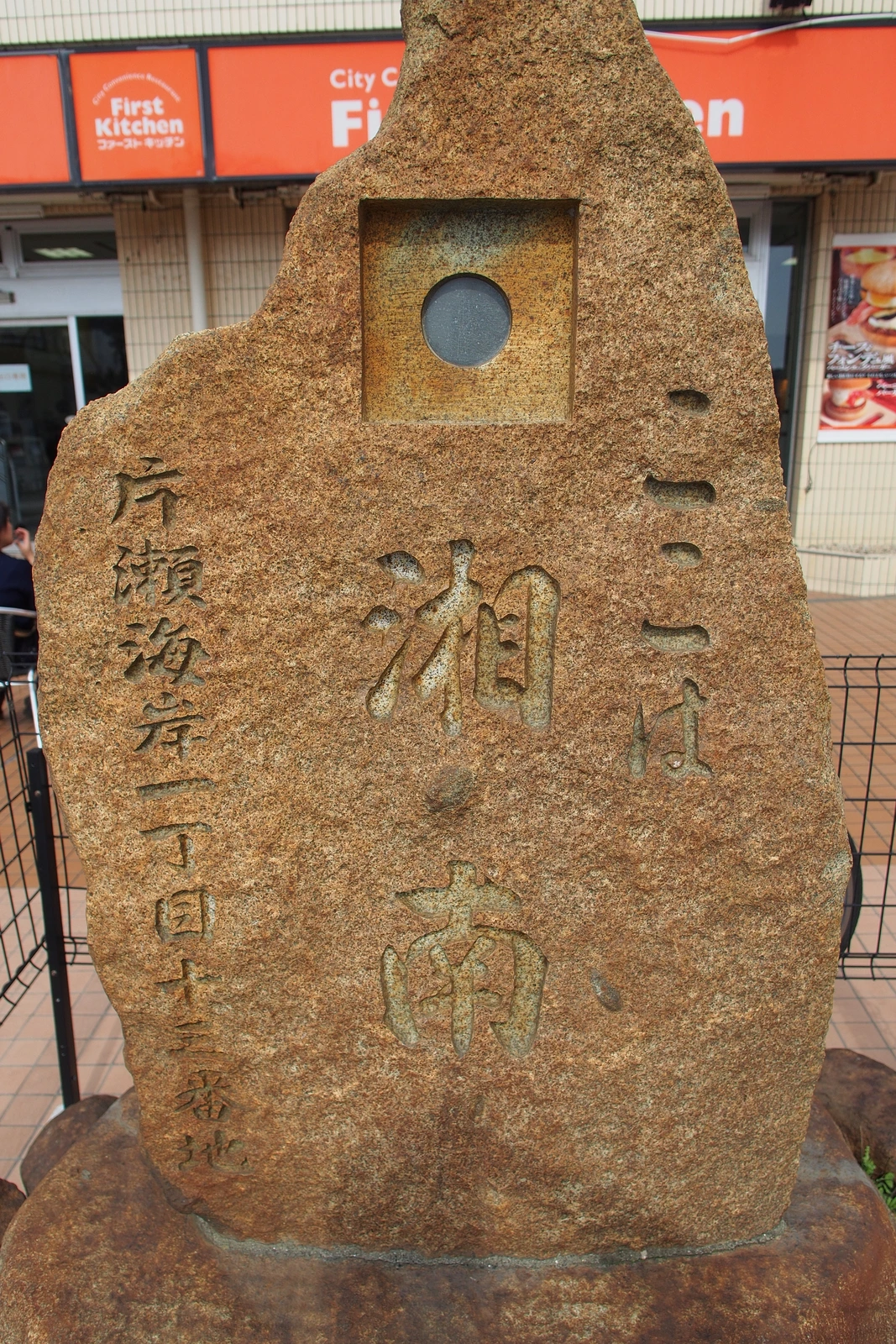
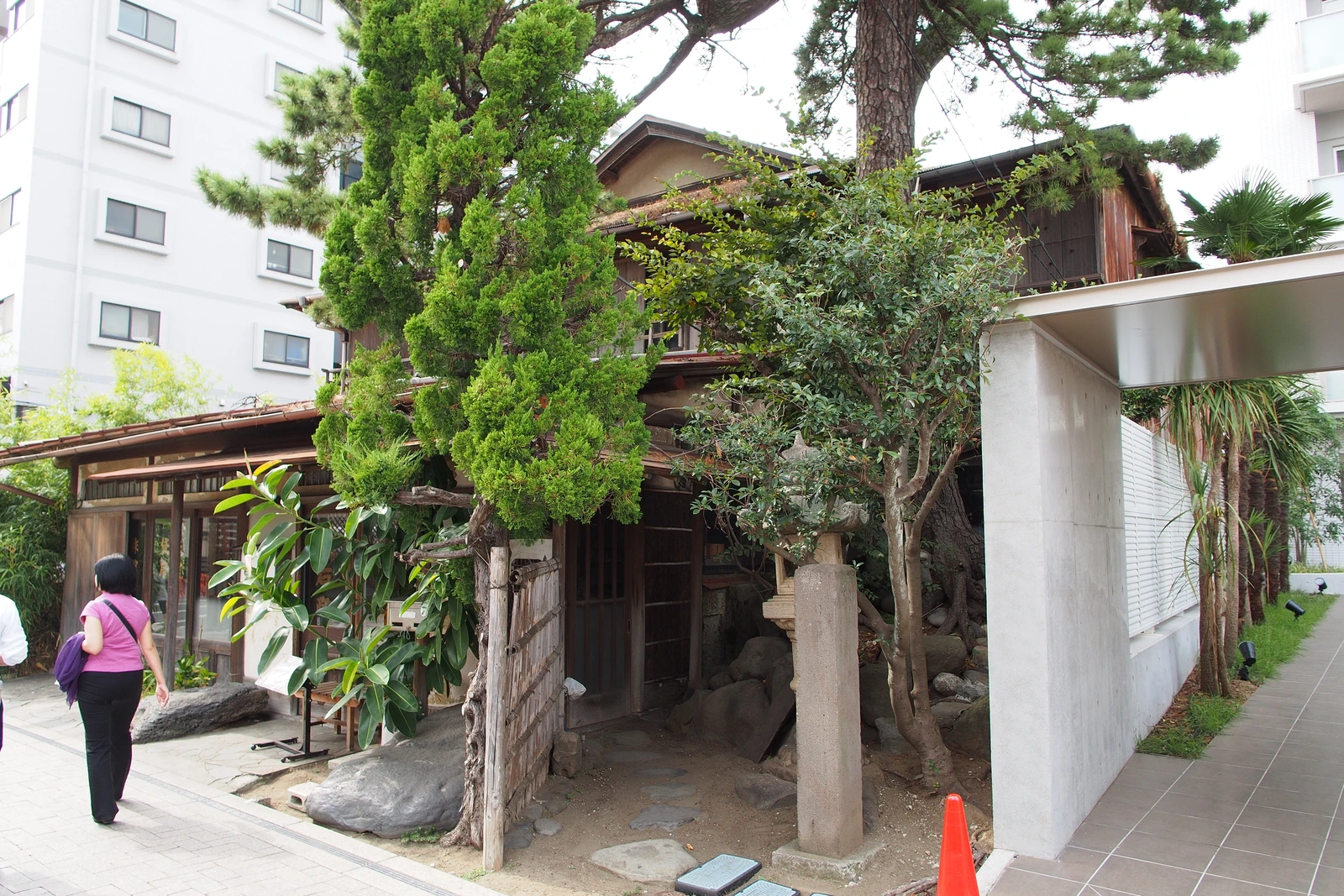
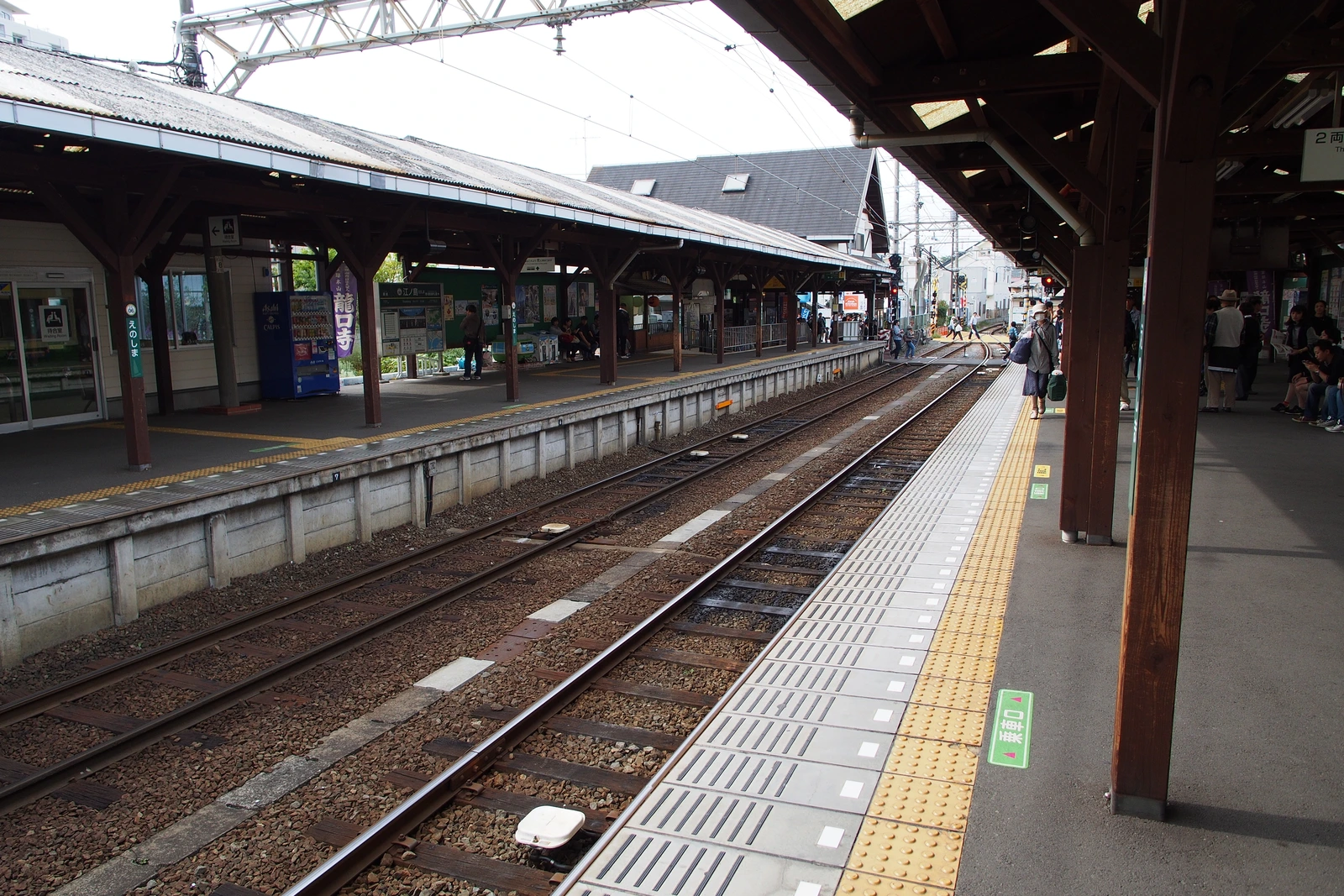
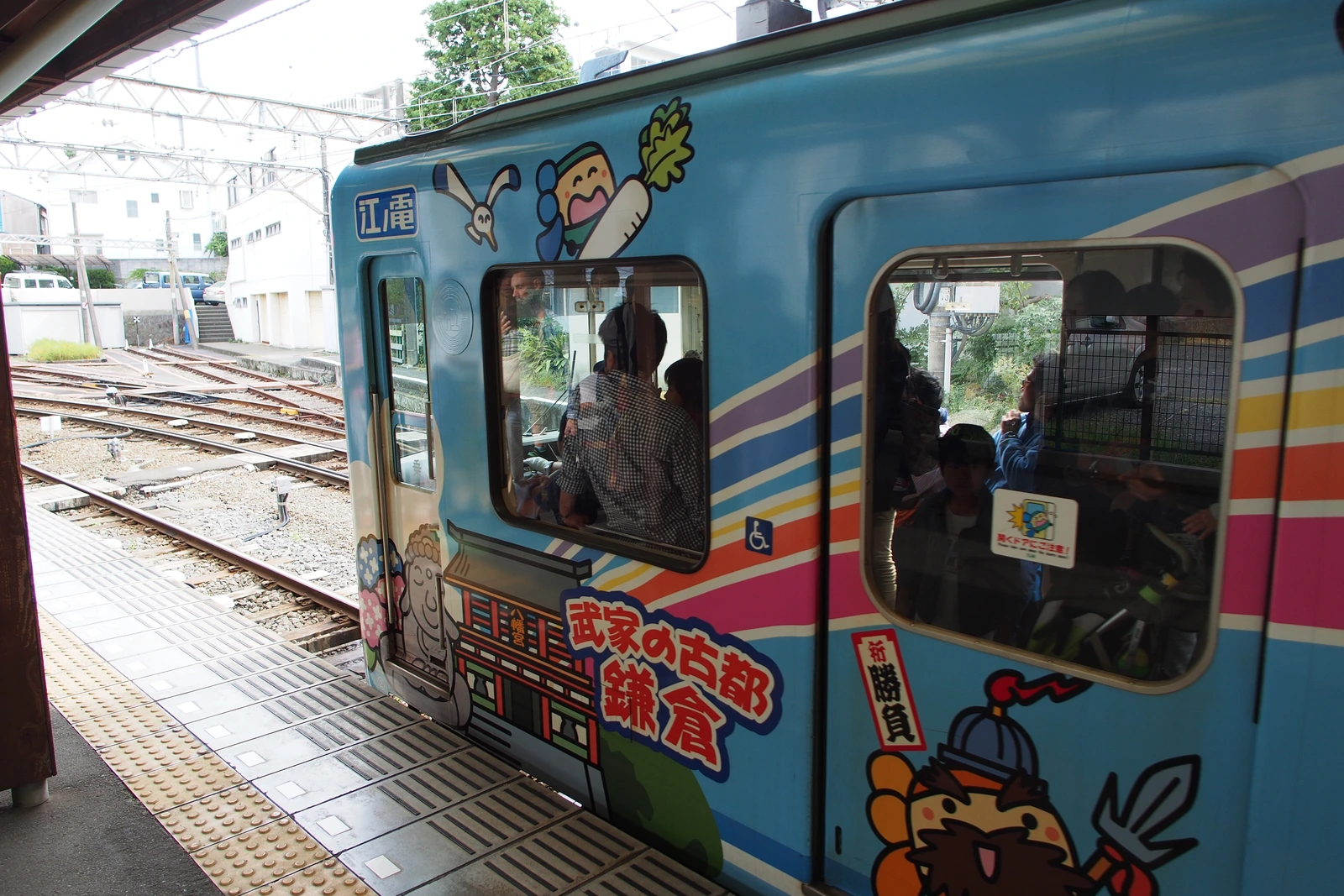
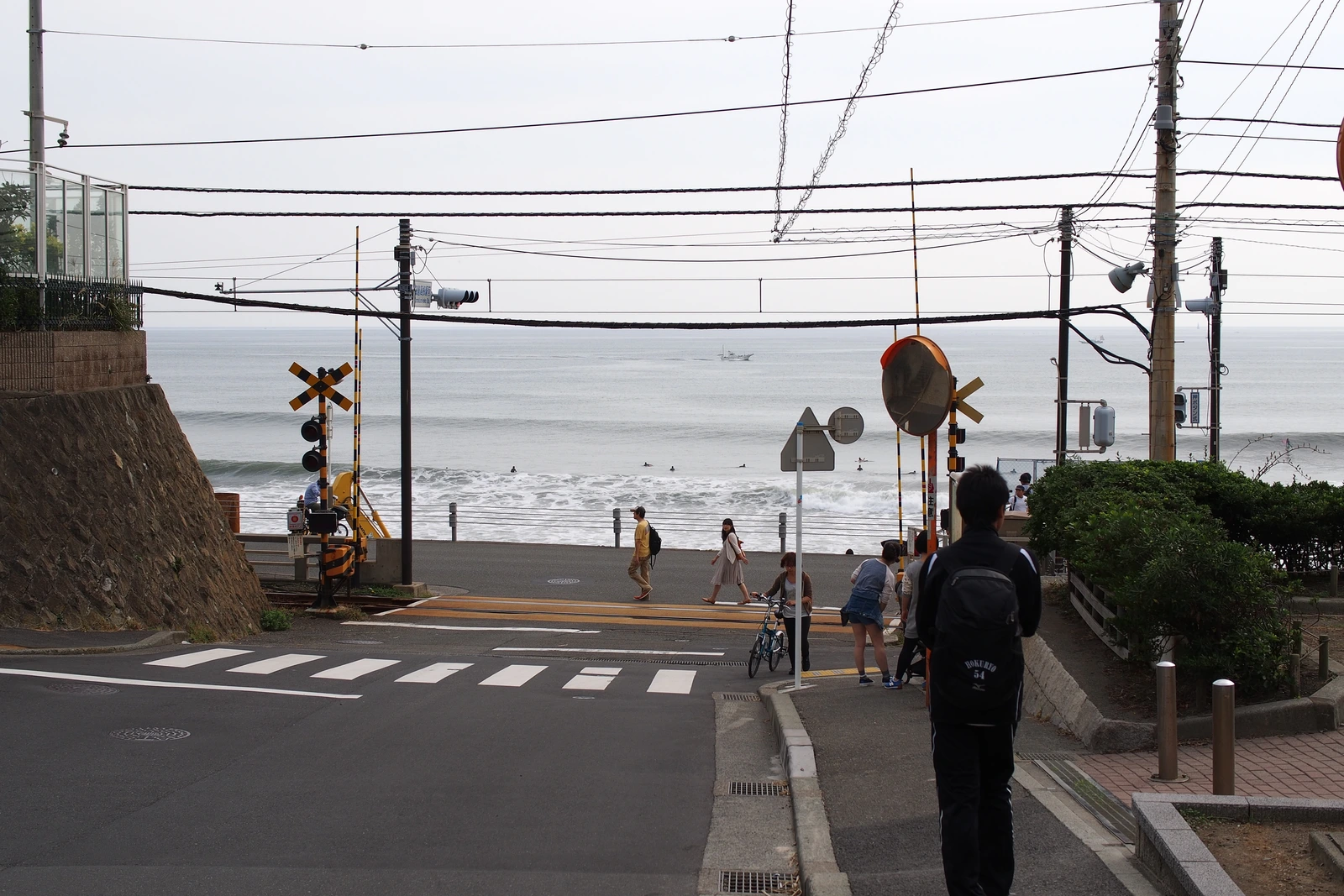
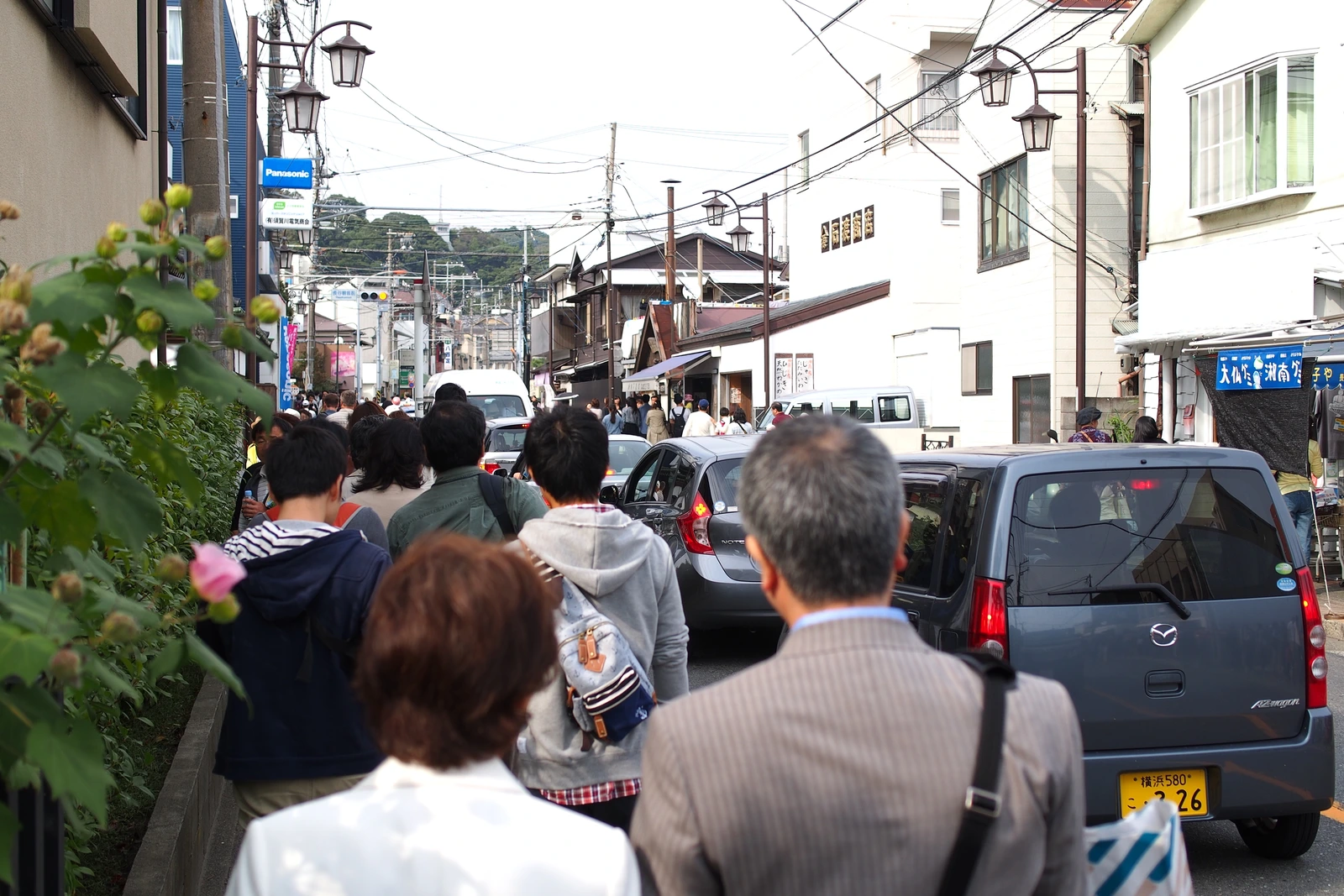
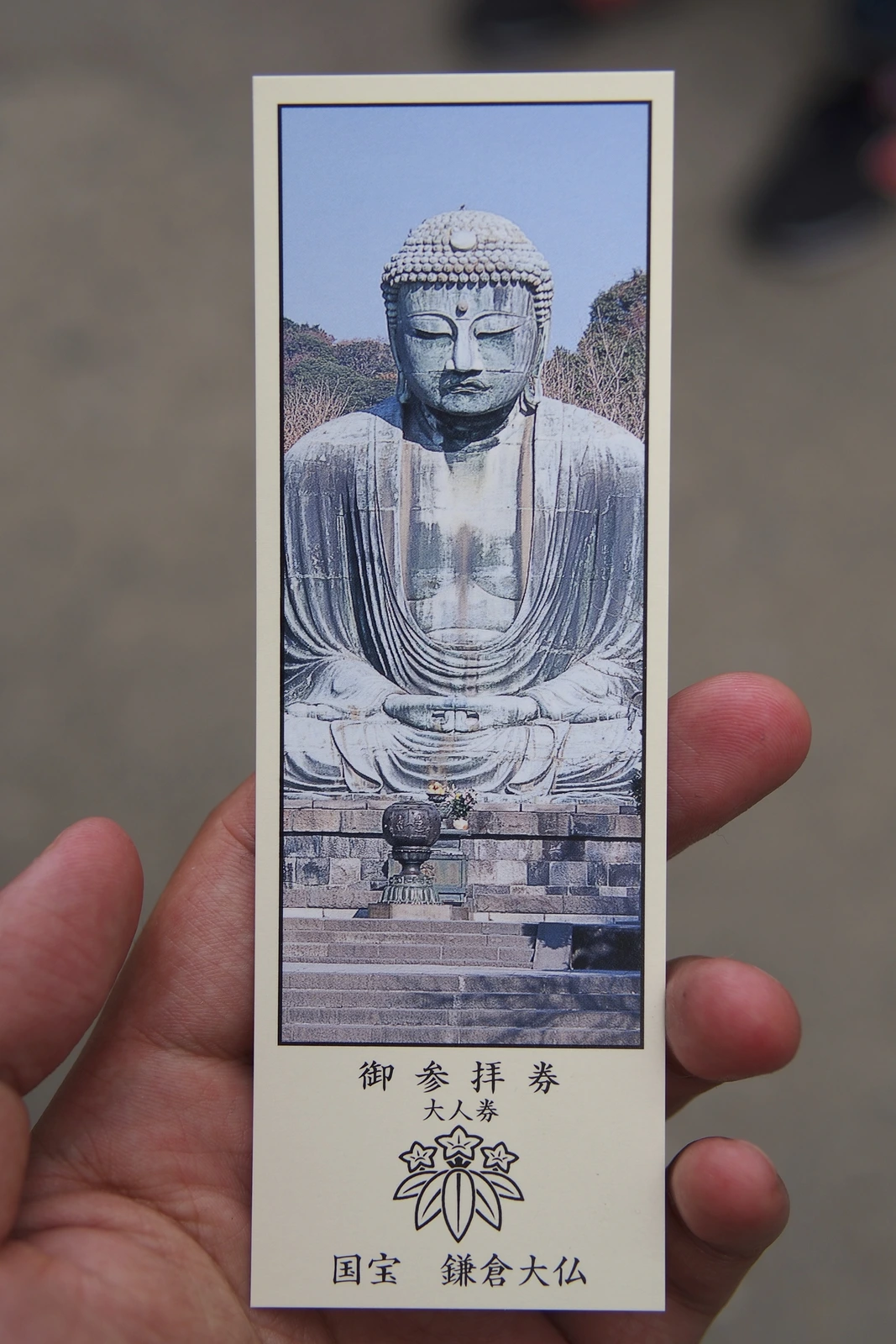
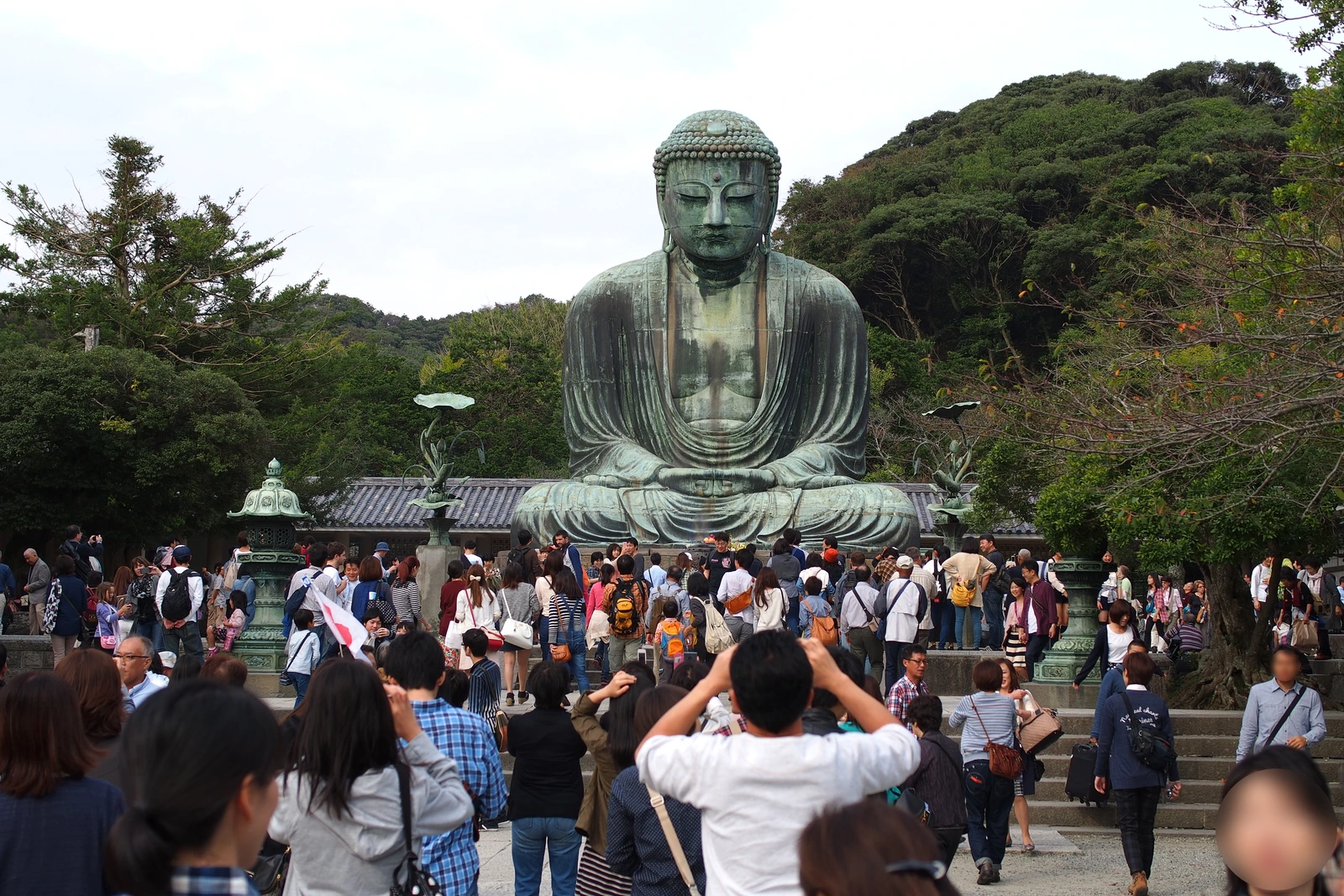
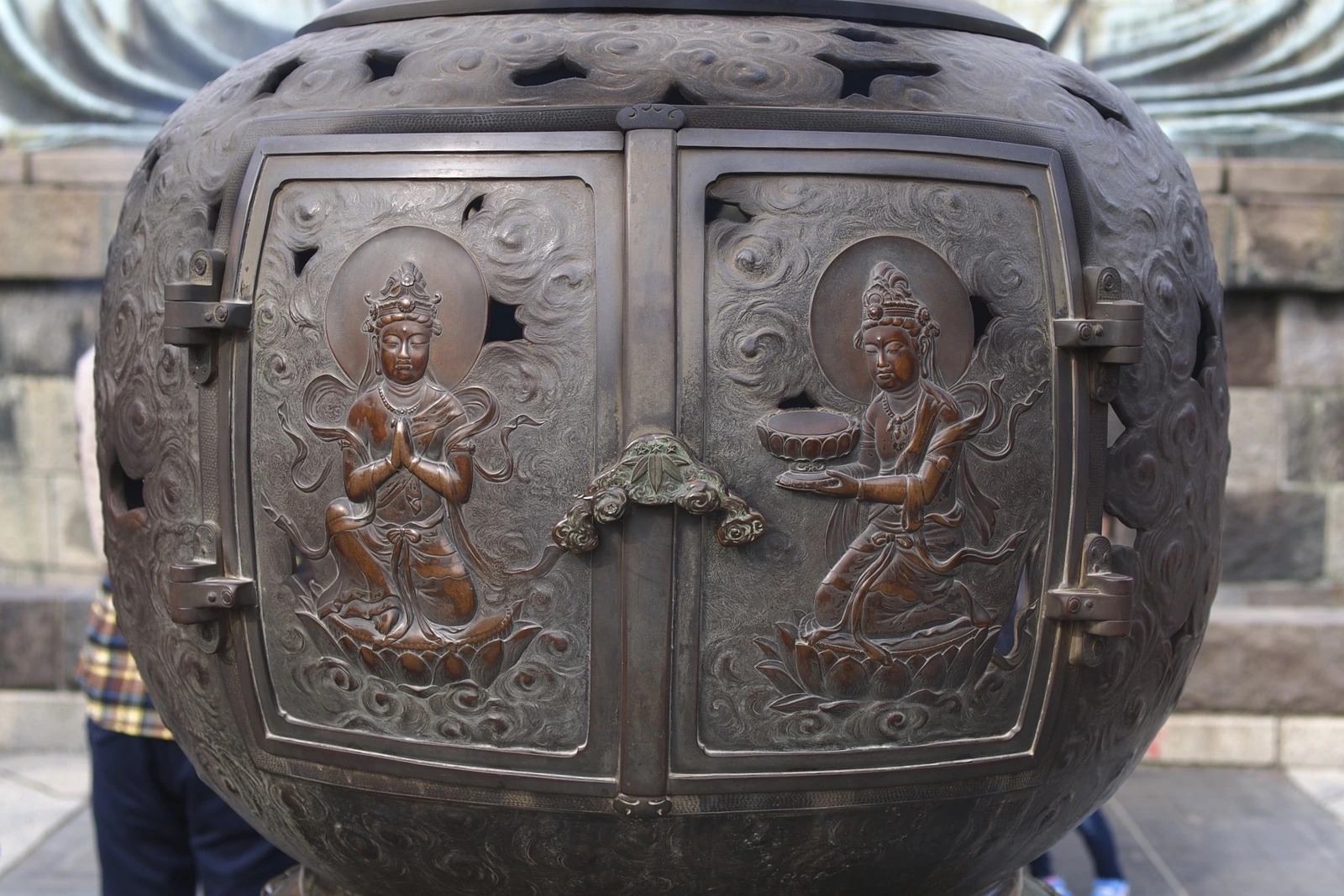
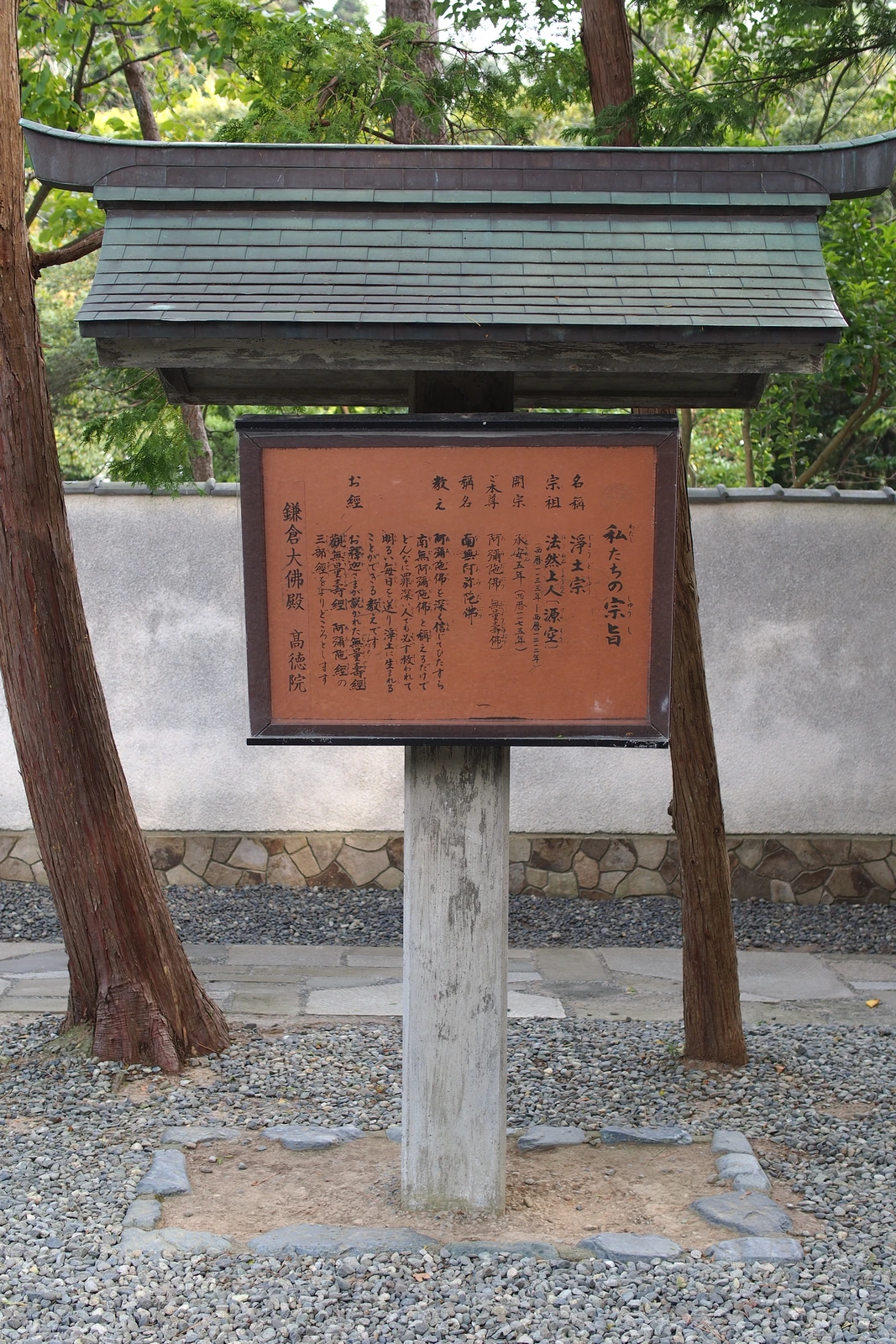
By this point I was already exhausted, but my Kamakura trip had barely even started! So I dragged myself onward to Hase Station to see the Great Buddha. By then the crowds were even more intense. Everywhere was packed solid with people.
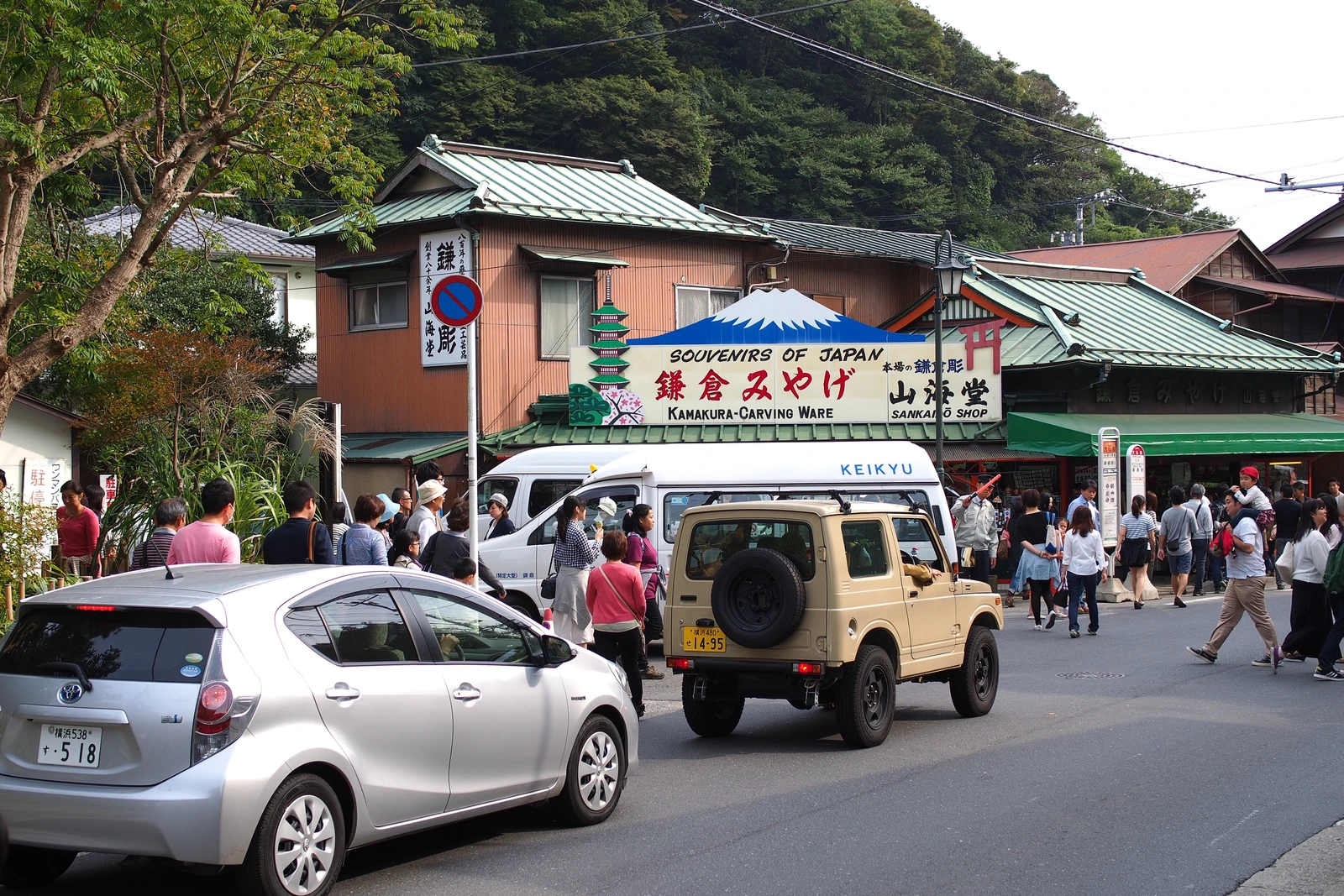
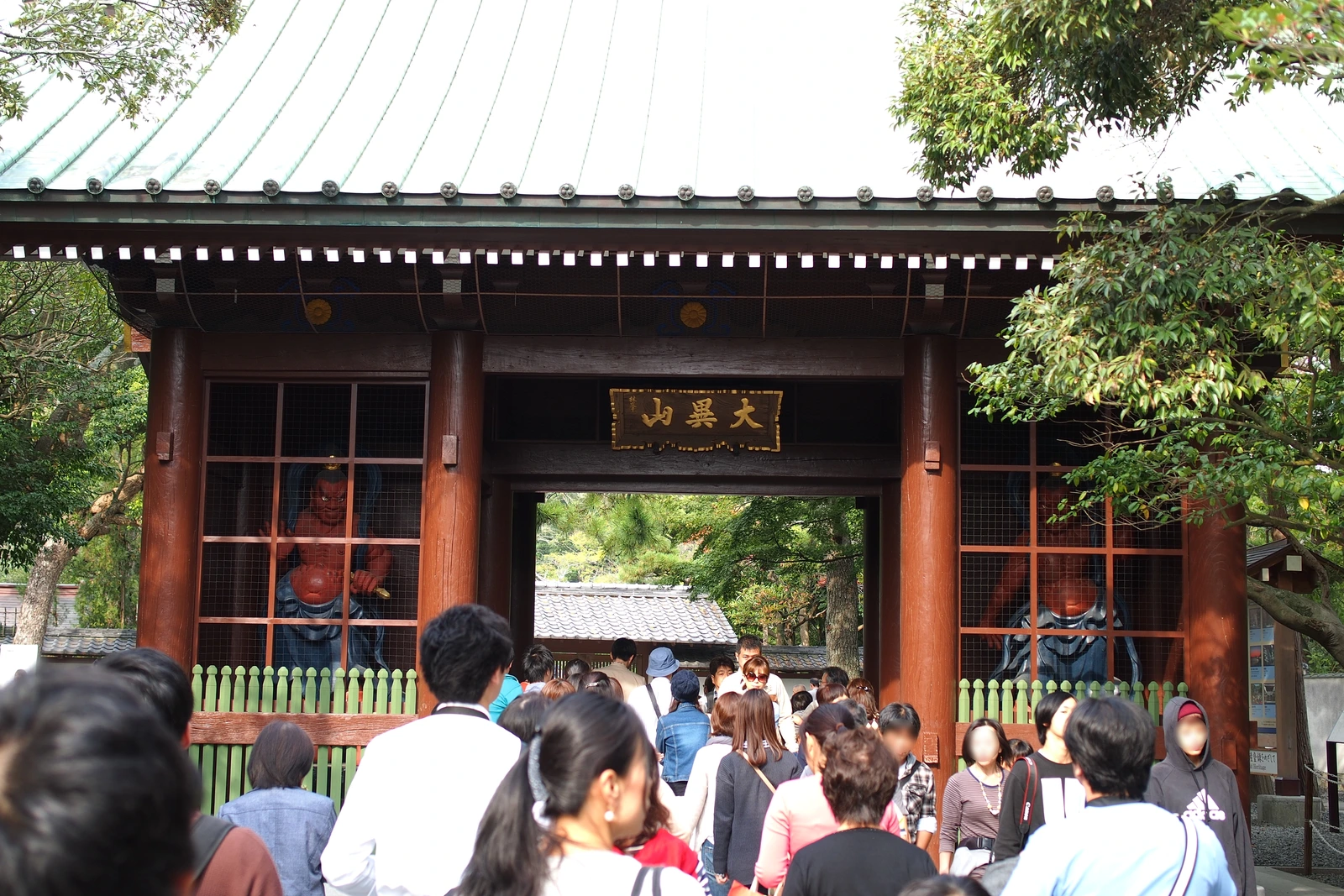
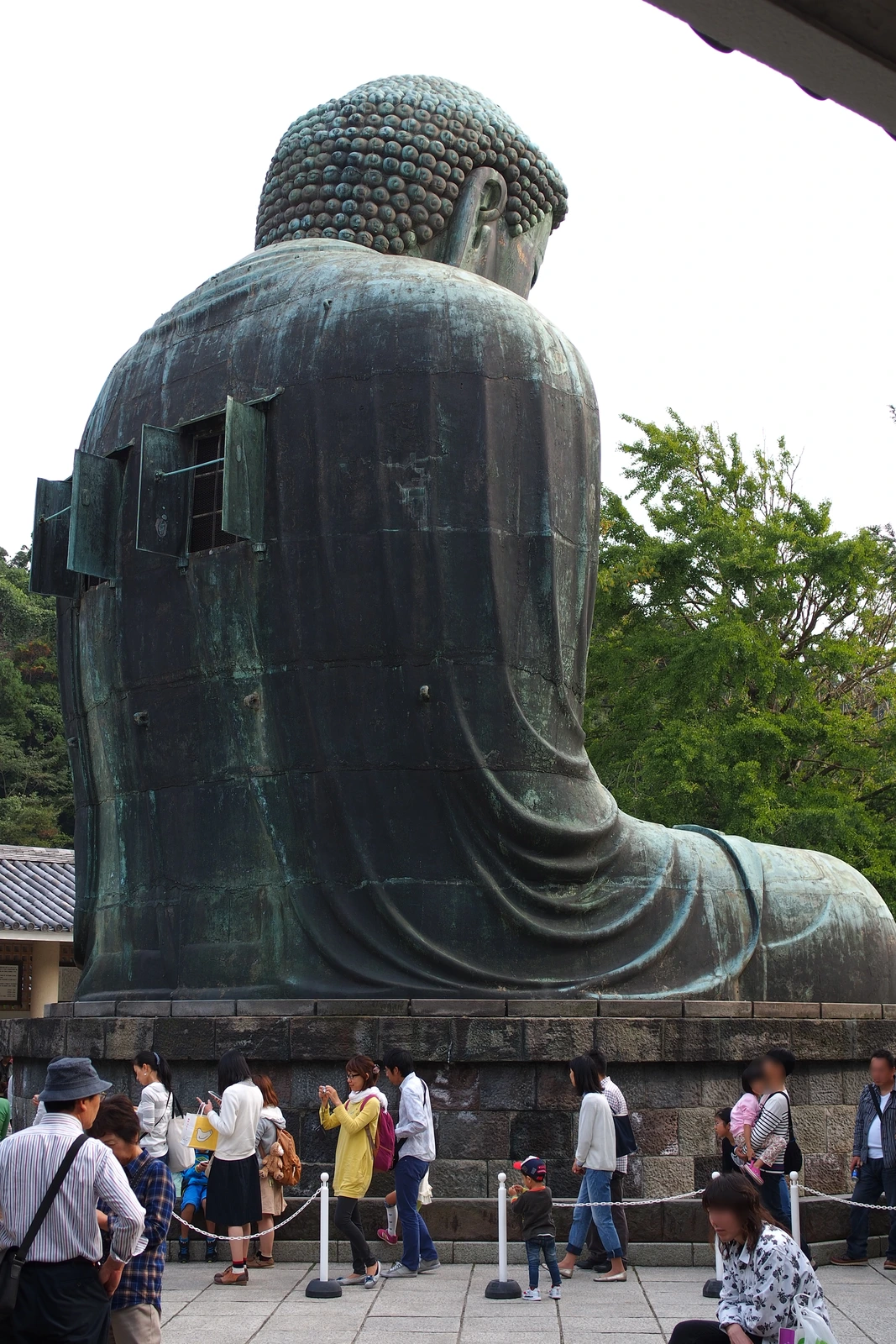
There are even two openings in the back of the Buddha, which made me wonder whether it was actually a disguised Gundam that could secretly fly.
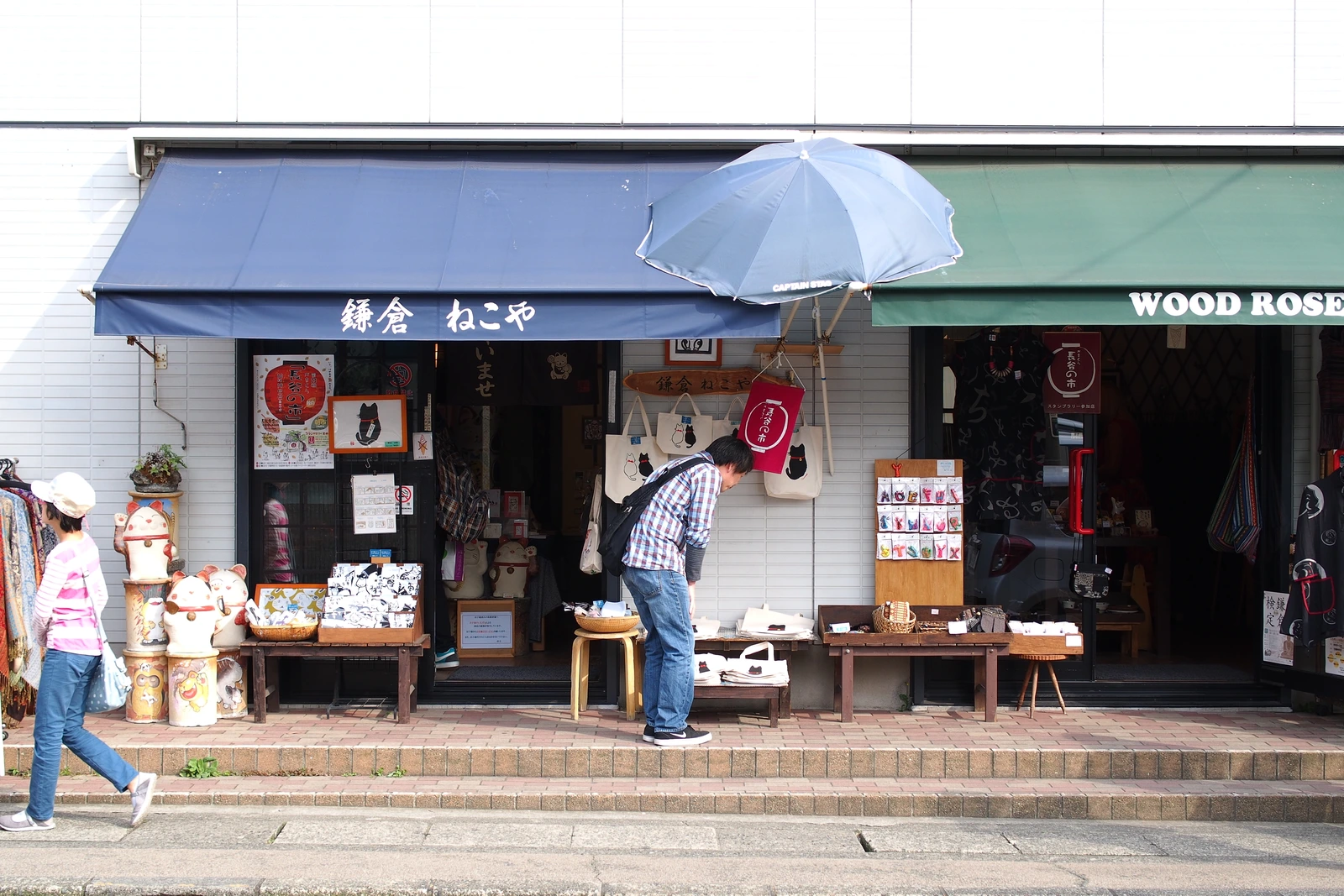
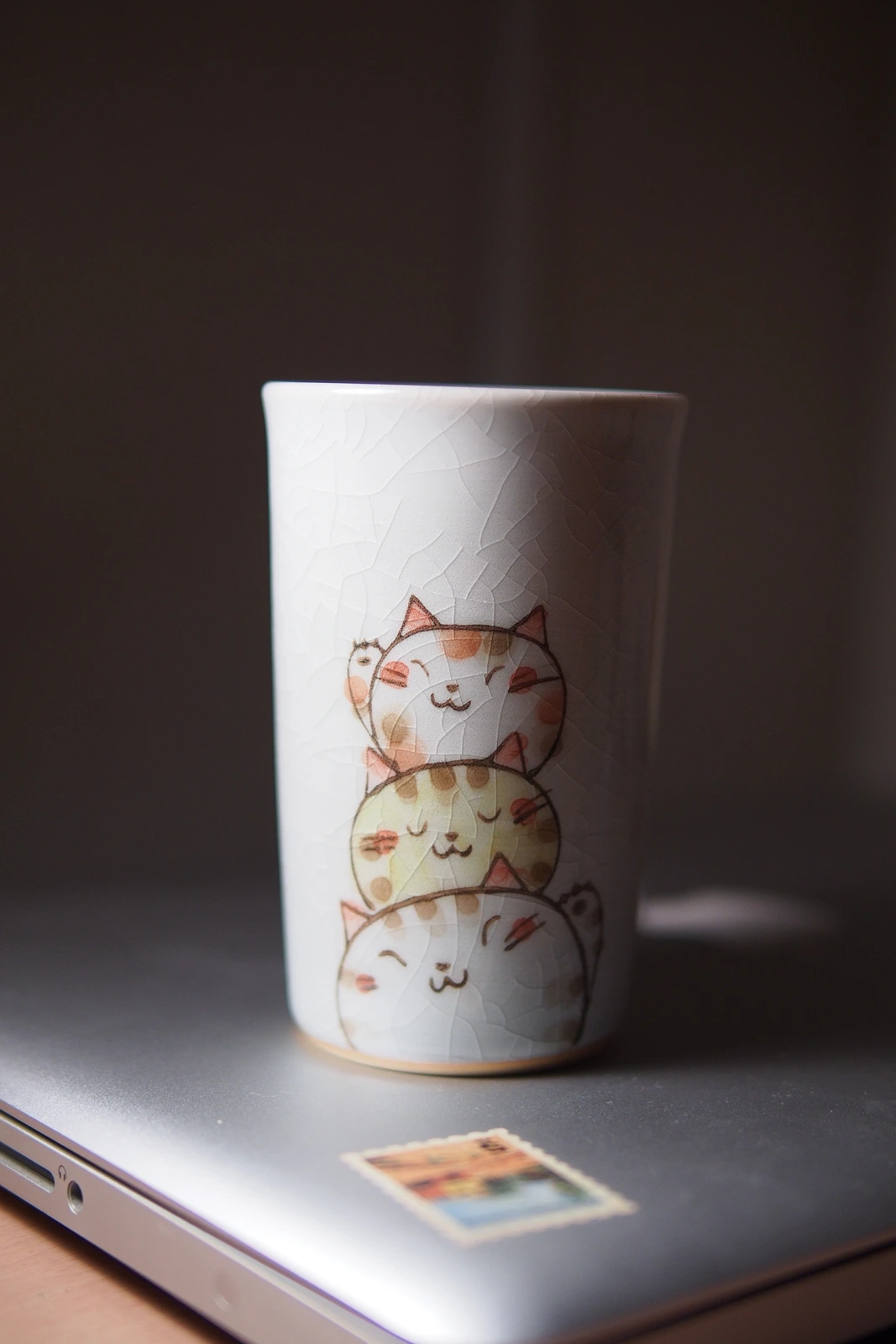
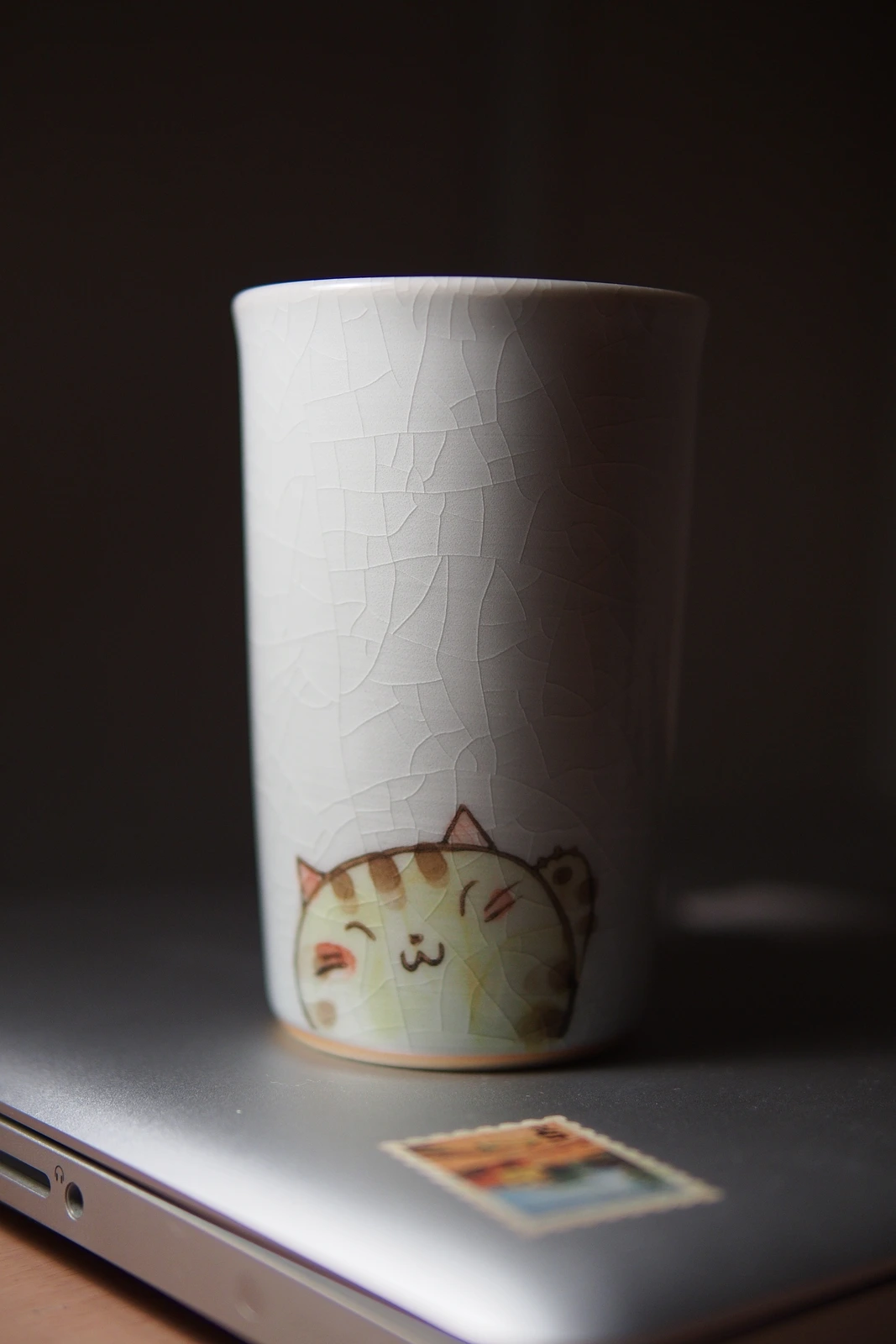
On the way, I saw a shop called Kamakura Nekoya. I stopped in on my way back. I had been determined not to buy anything on this trip, but this was where I finally broke my vow. I bought four postcards, and then I spotted an extremely cute cup. I had already walked out of the shop before turning back to buy it.
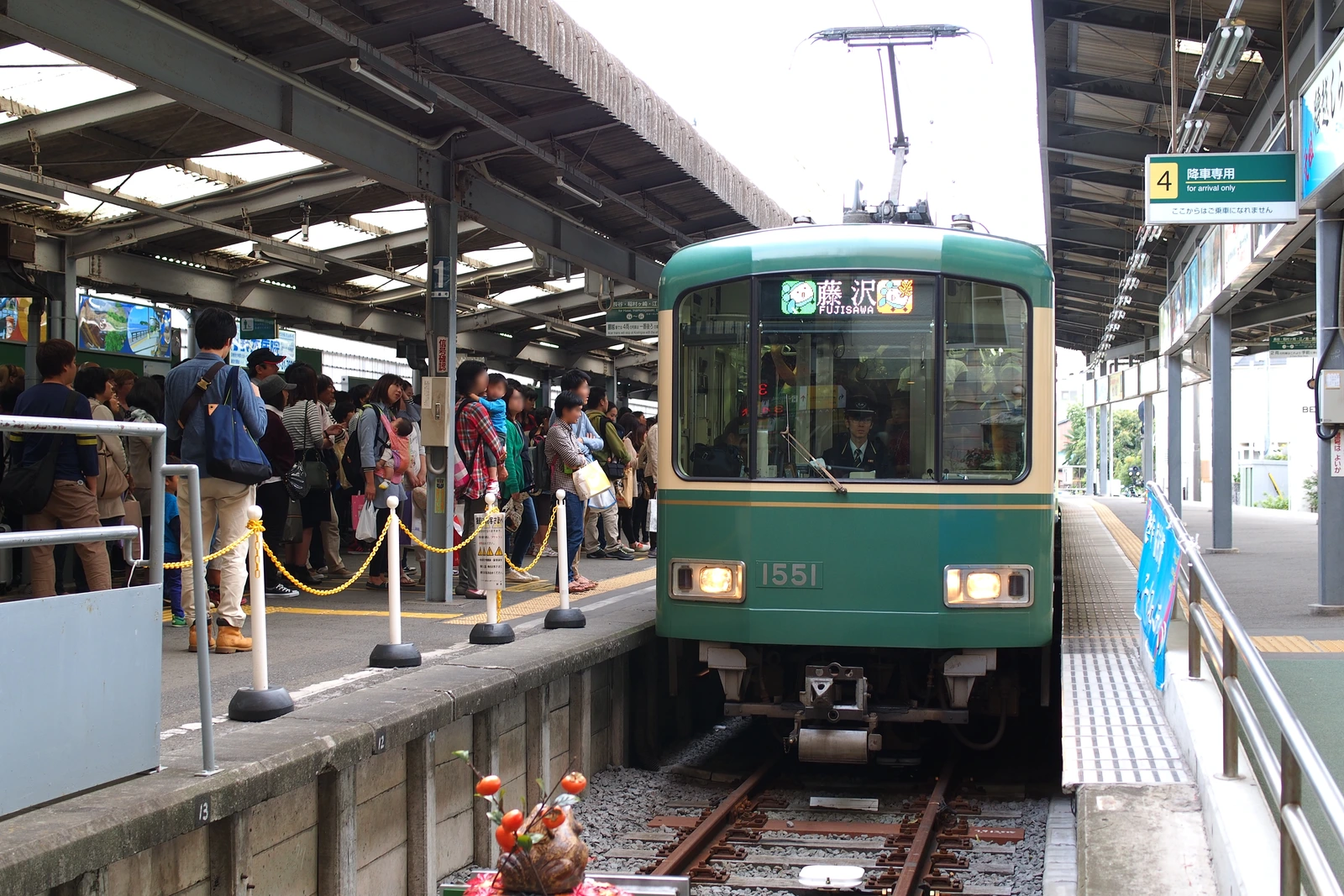
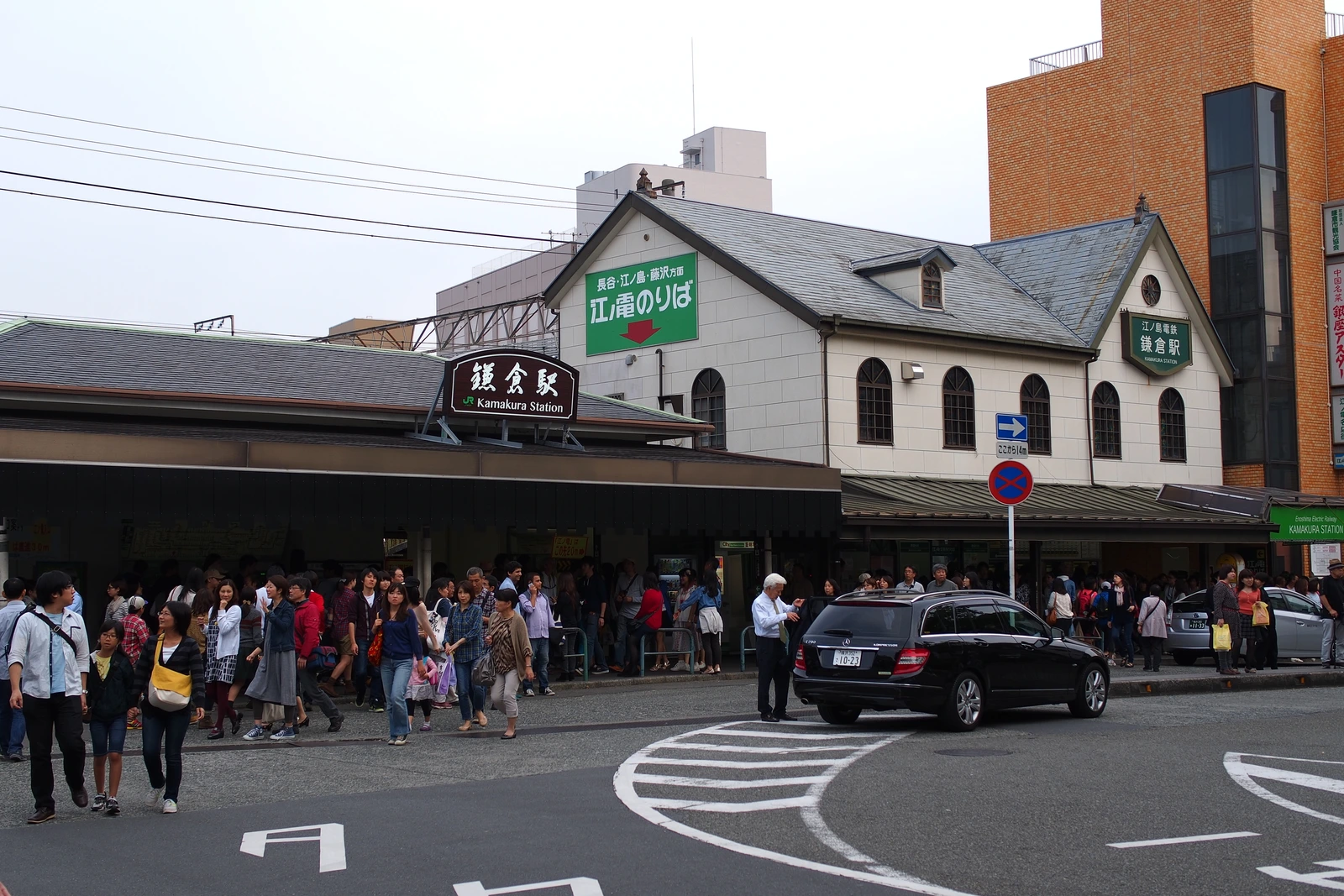
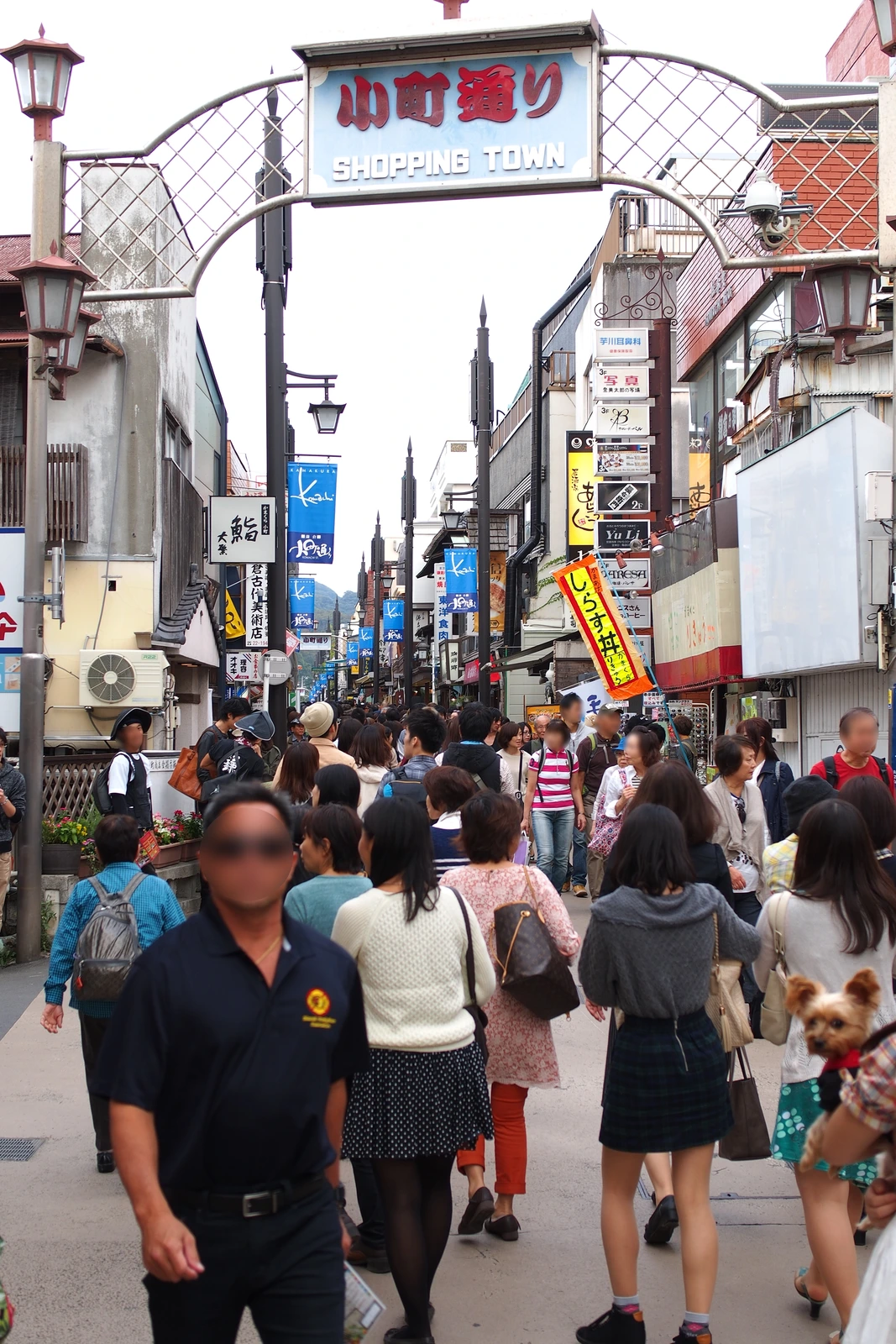
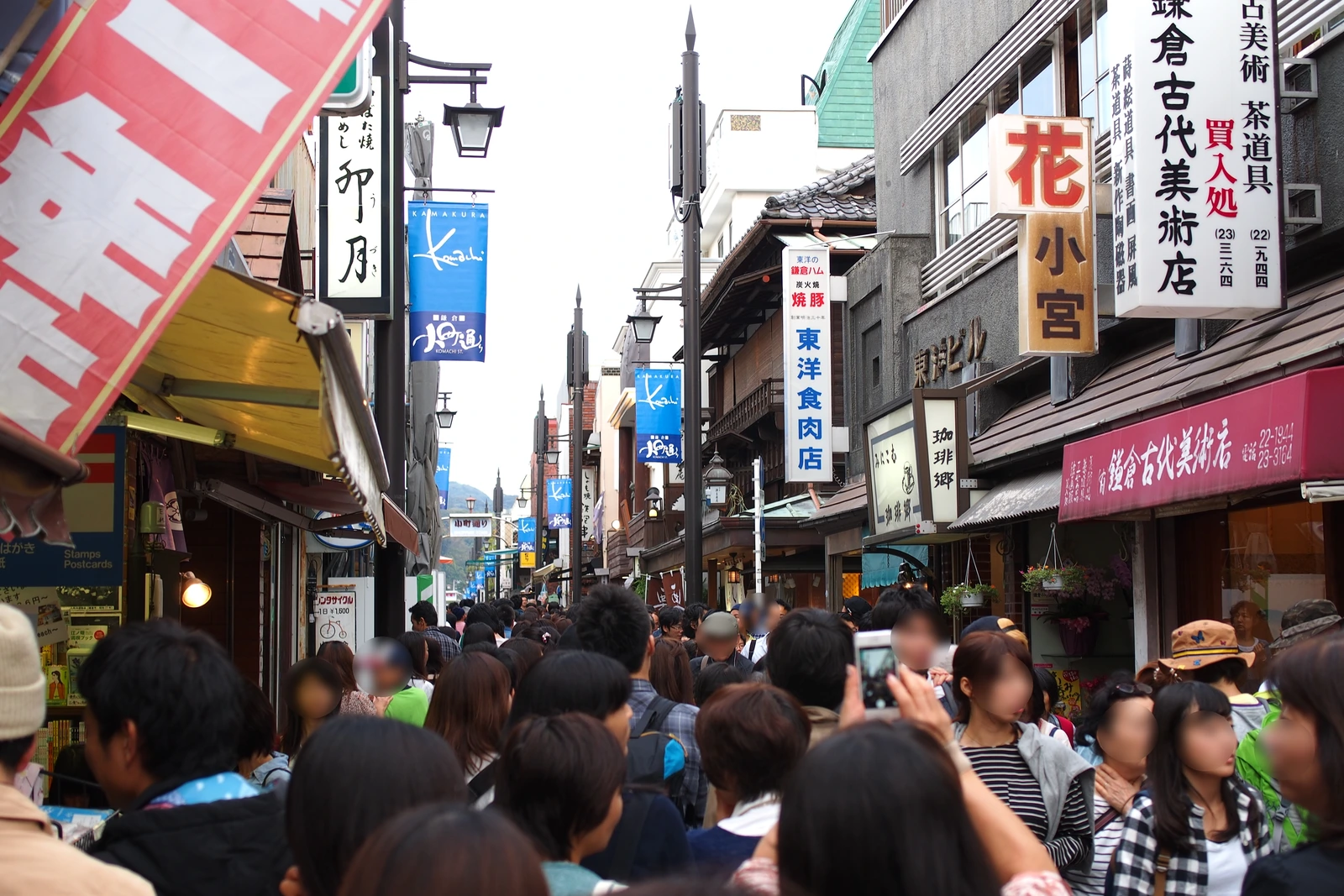
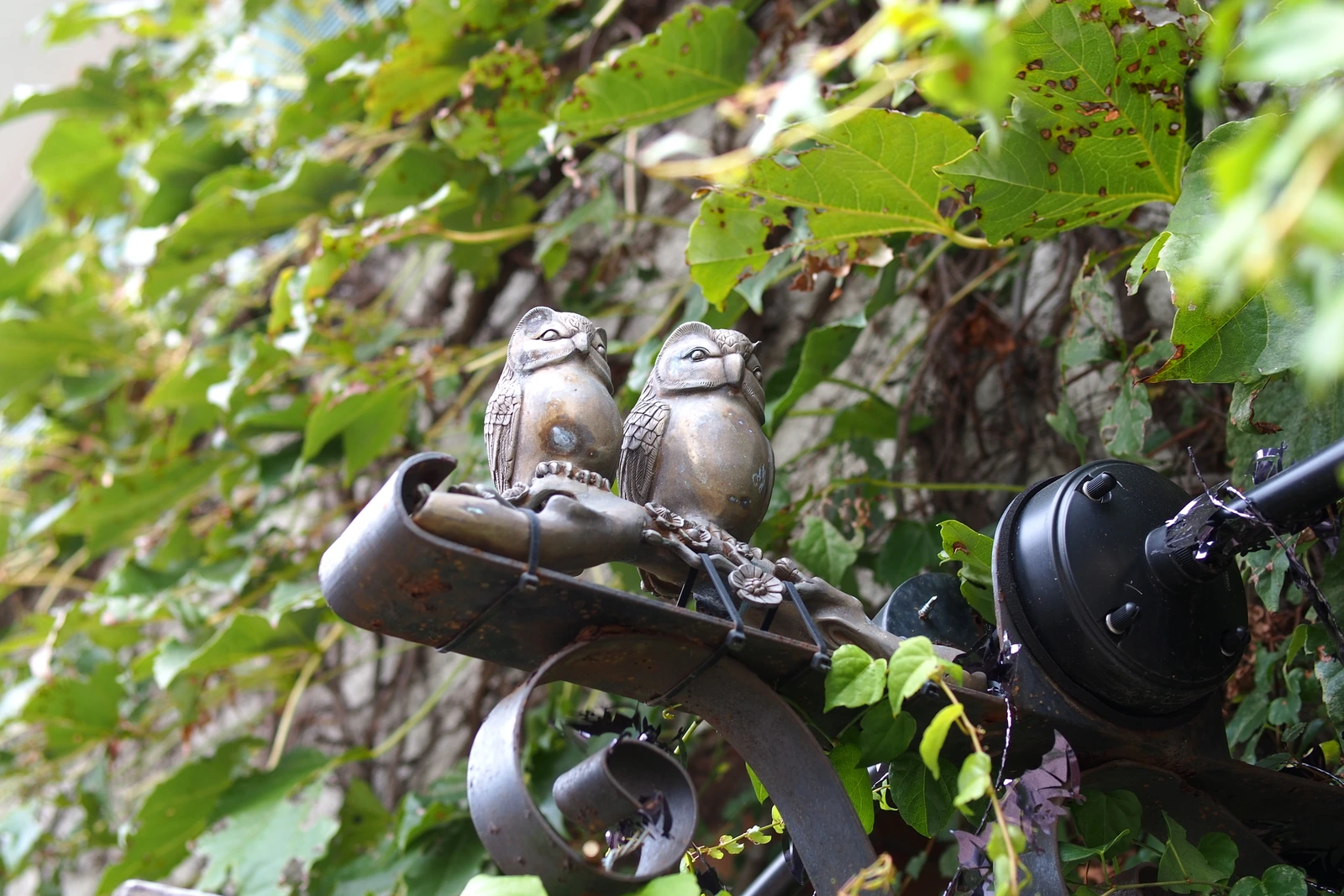
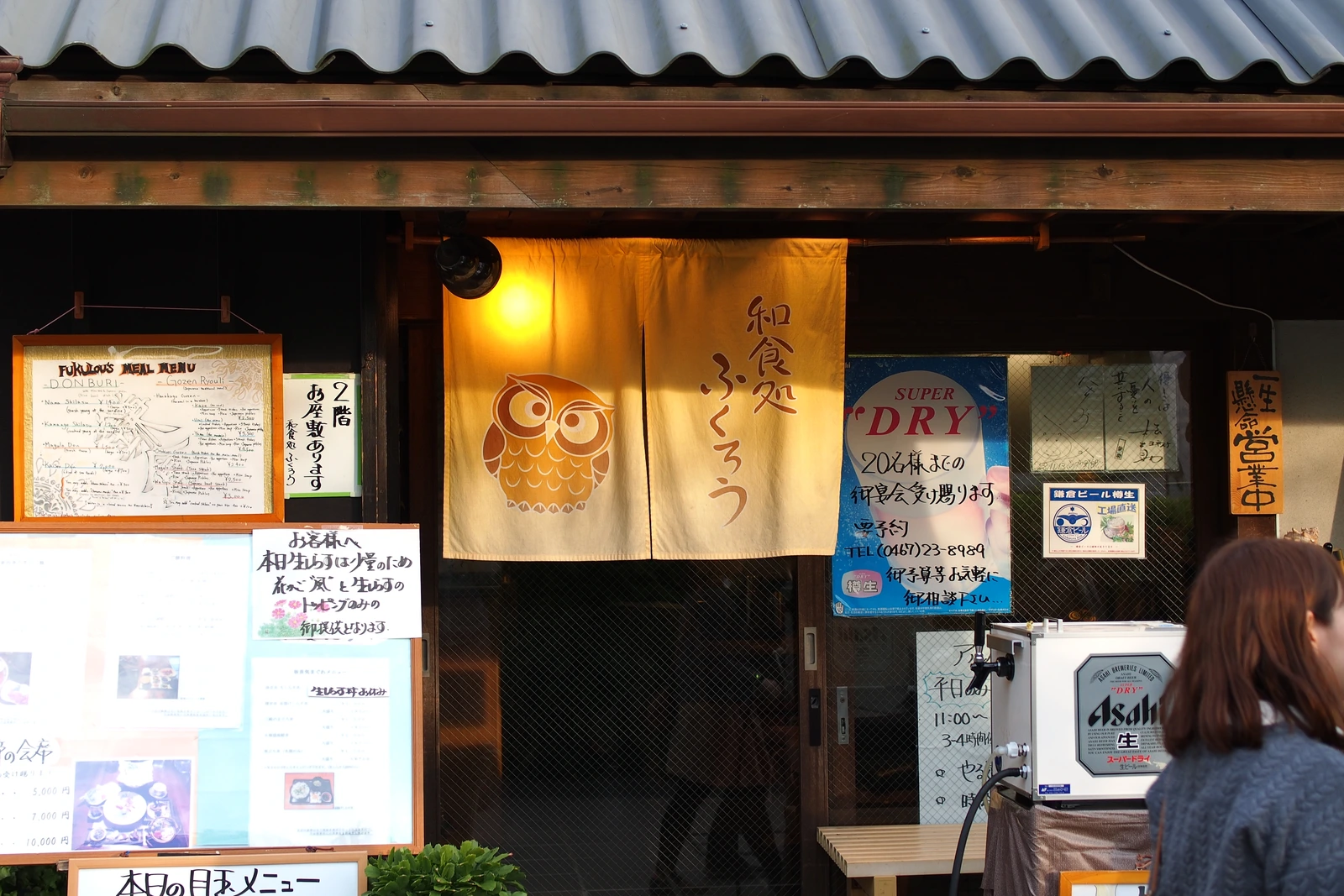
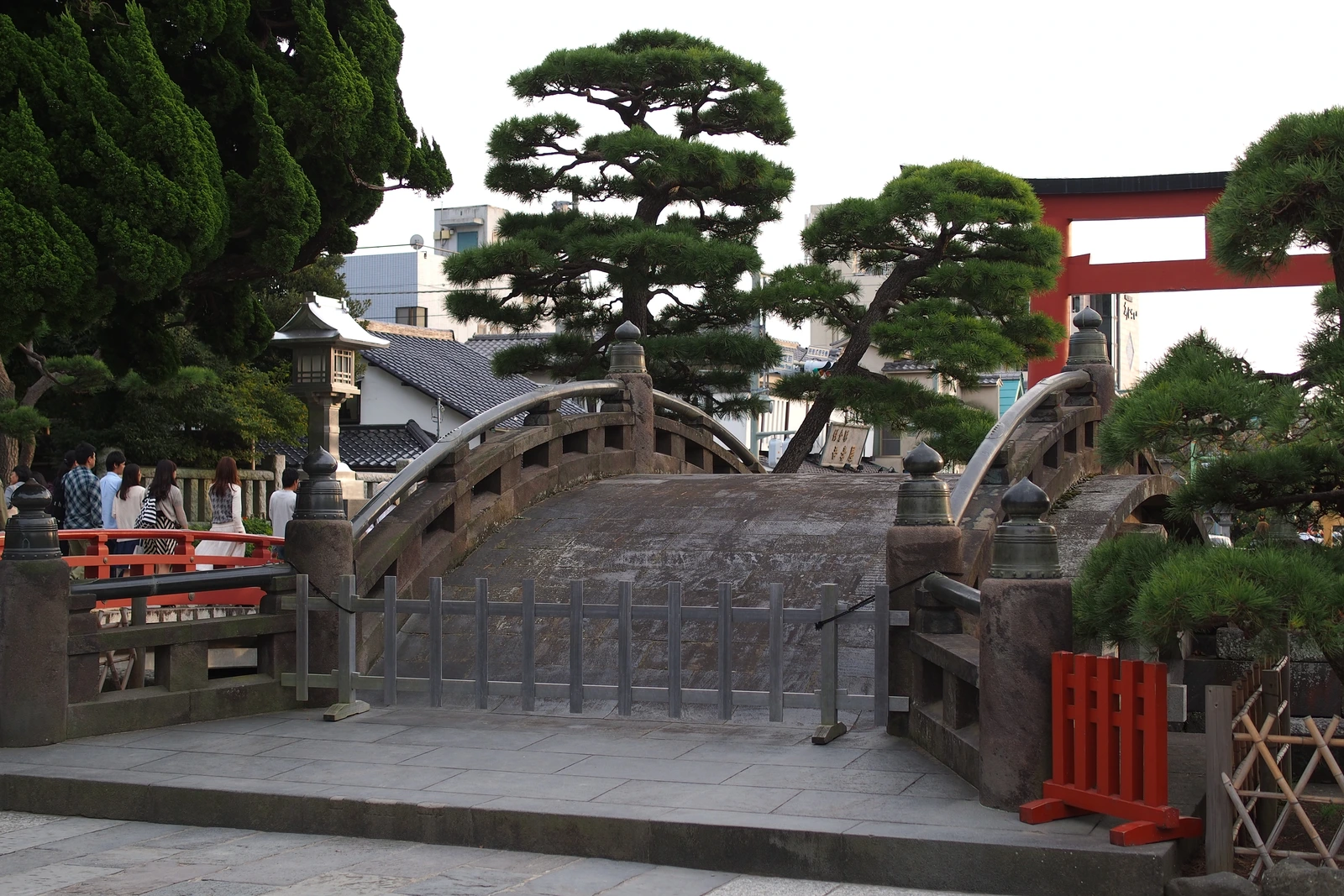
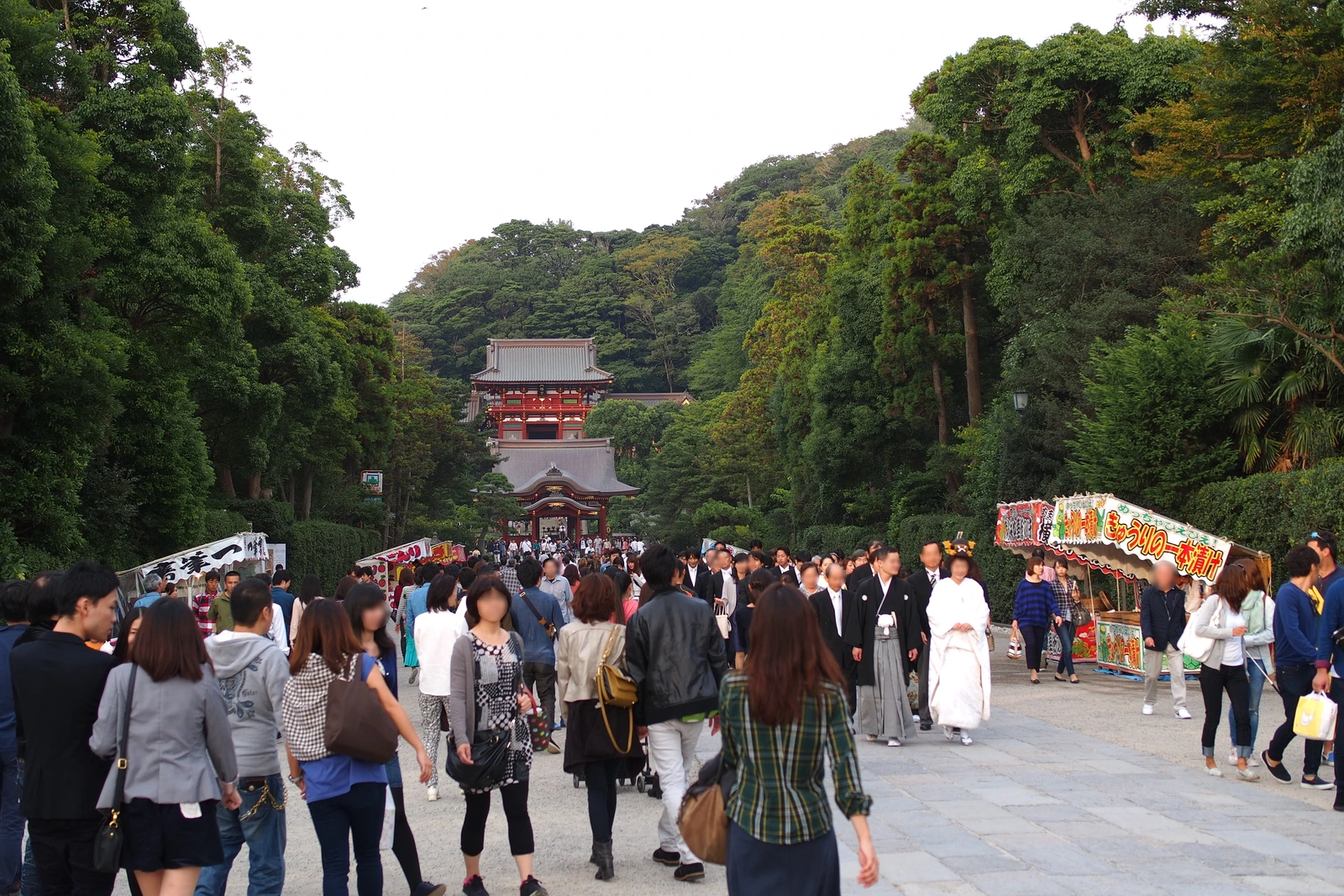
The final stop was Hachimangu Shrine. Please allow me to rush through this part with photos. I think it would be much better during cherry blossom season. At this time of year, the approach was lined only with cherry trees losing their leaves, which was much less beautiful.
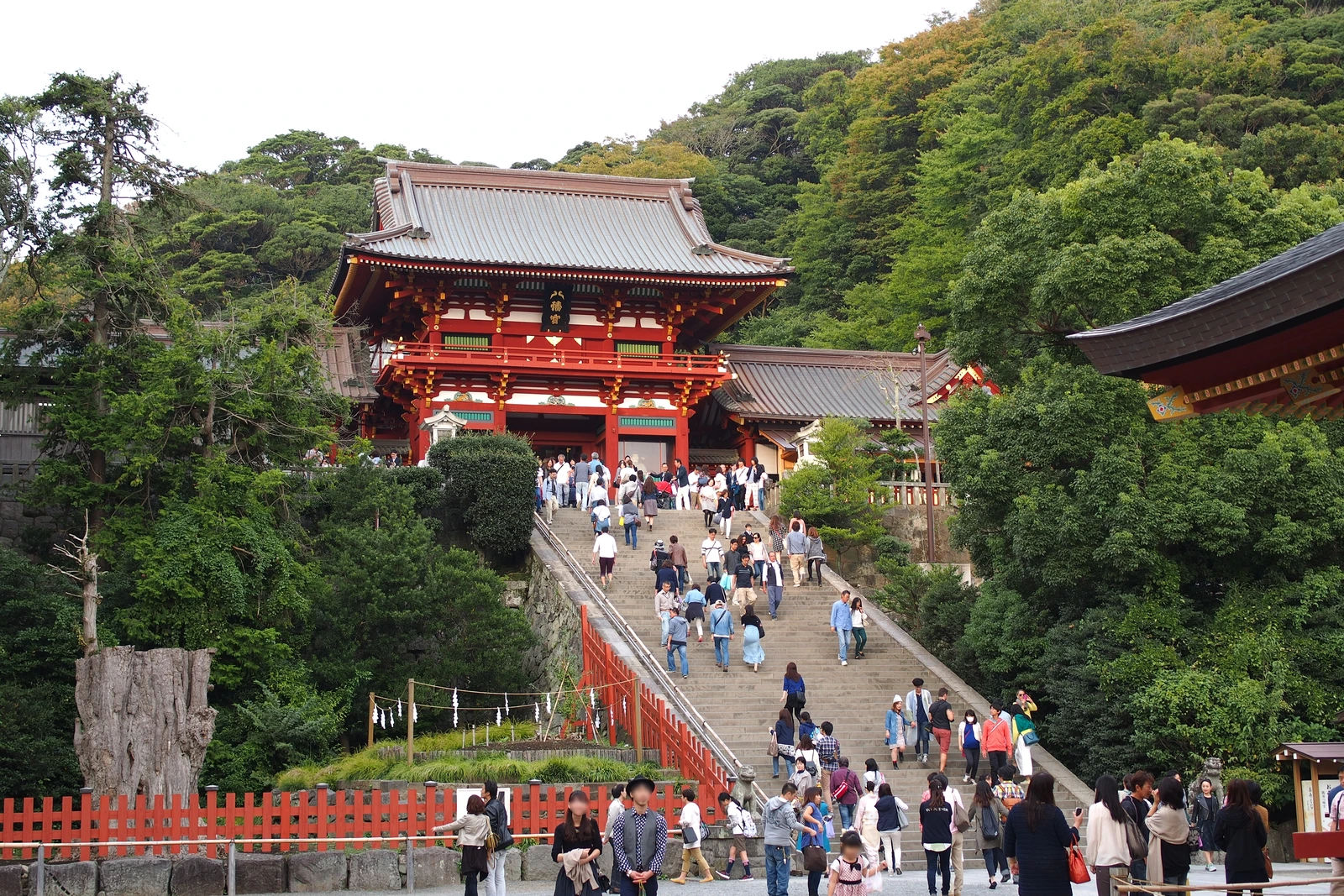
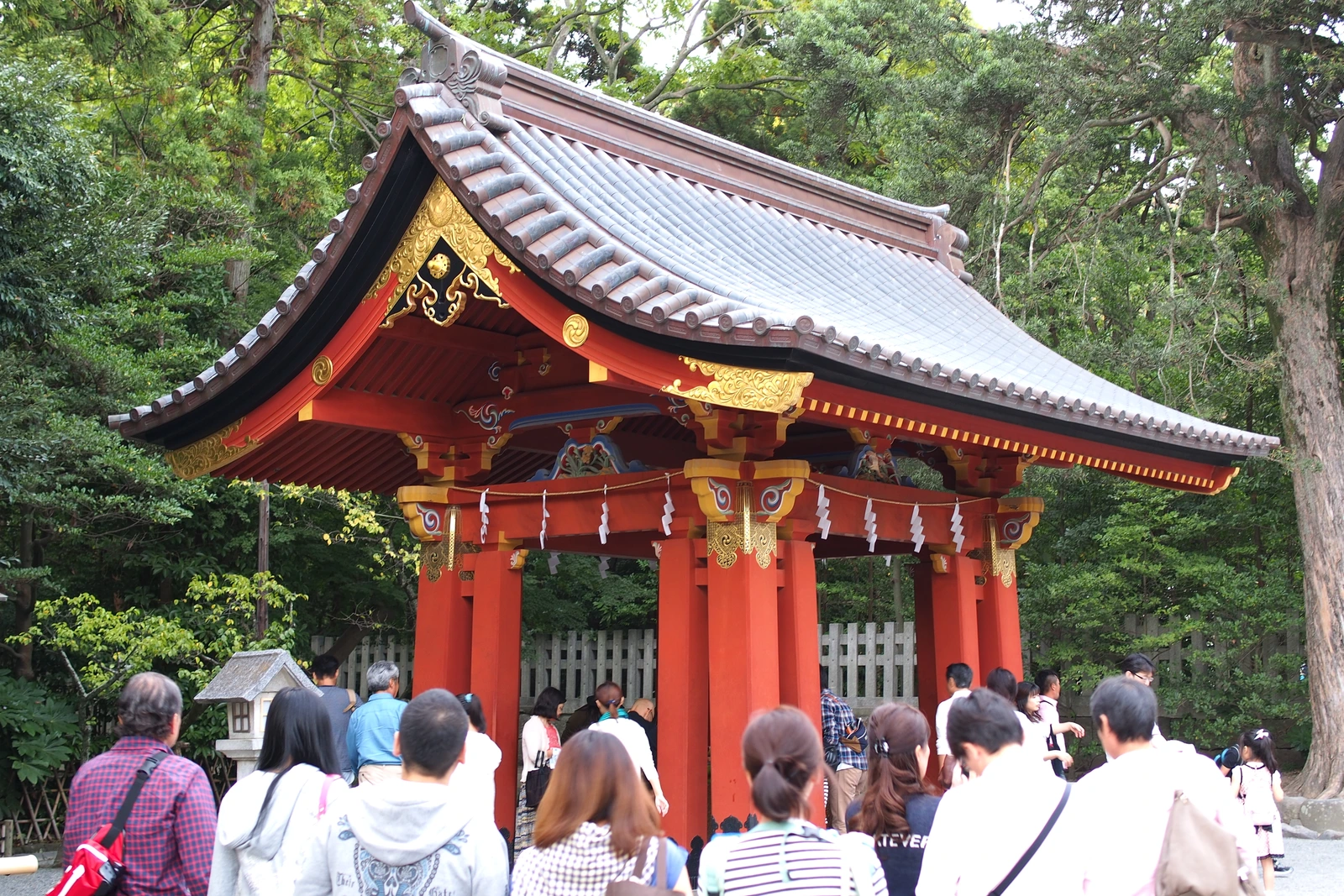
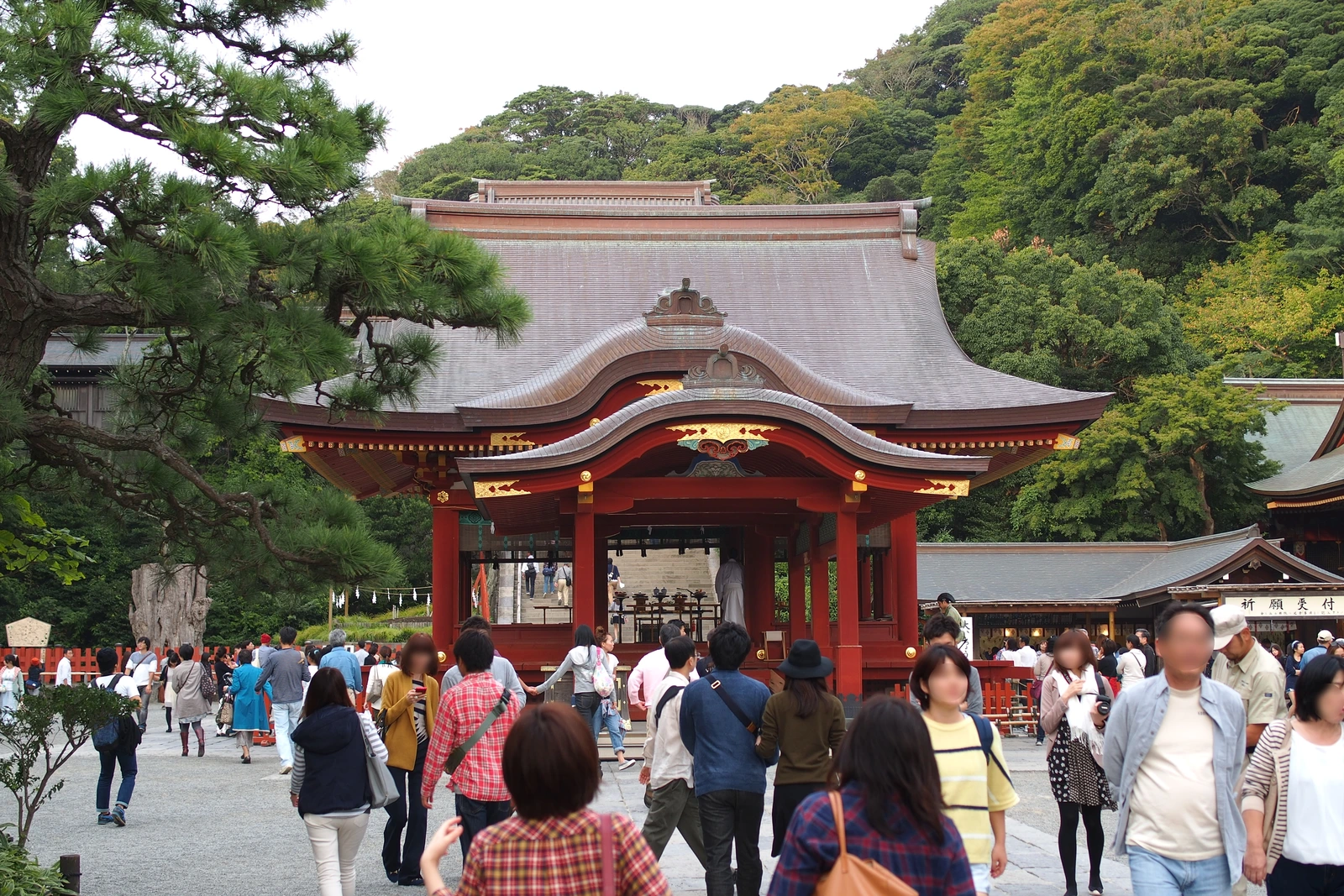
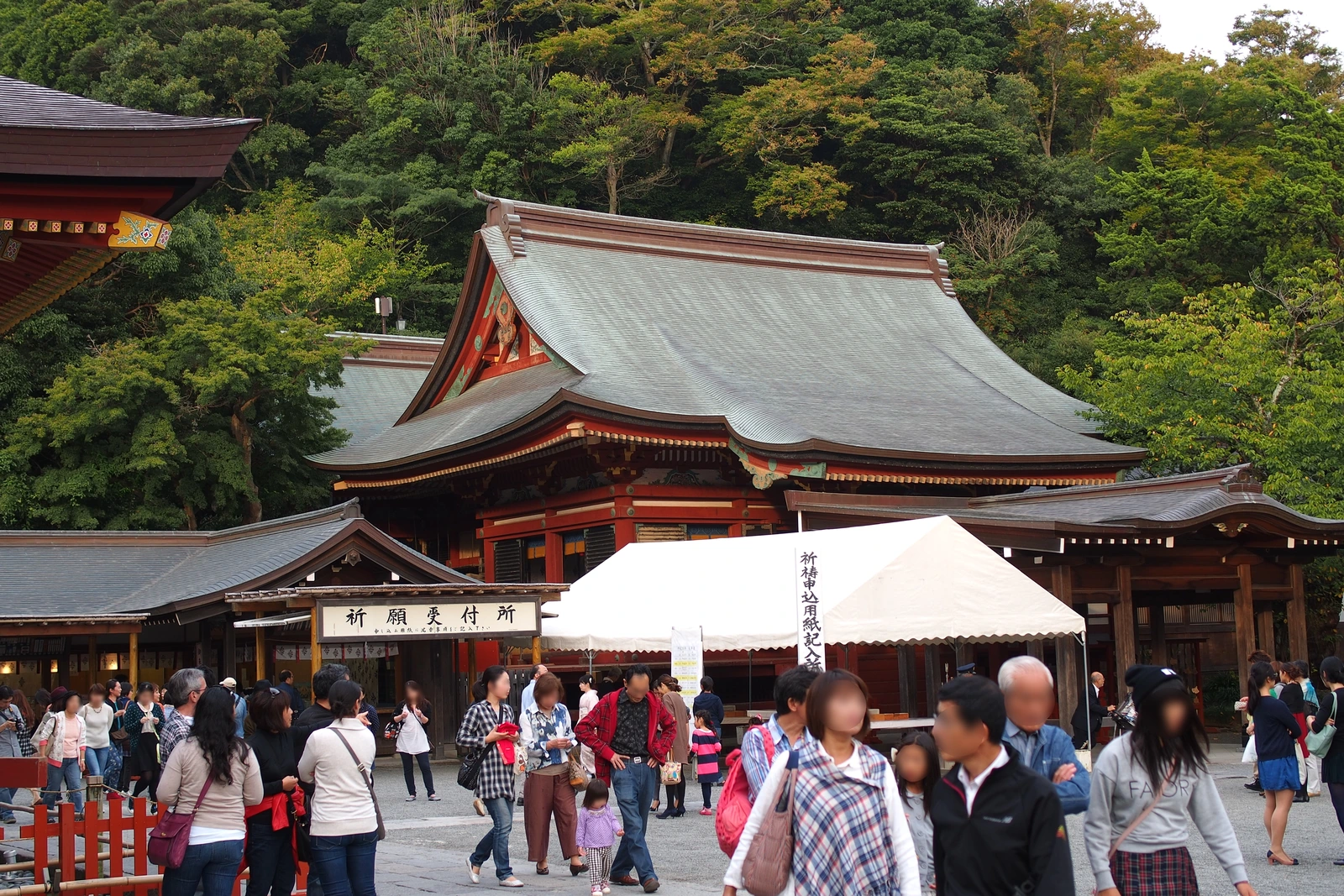
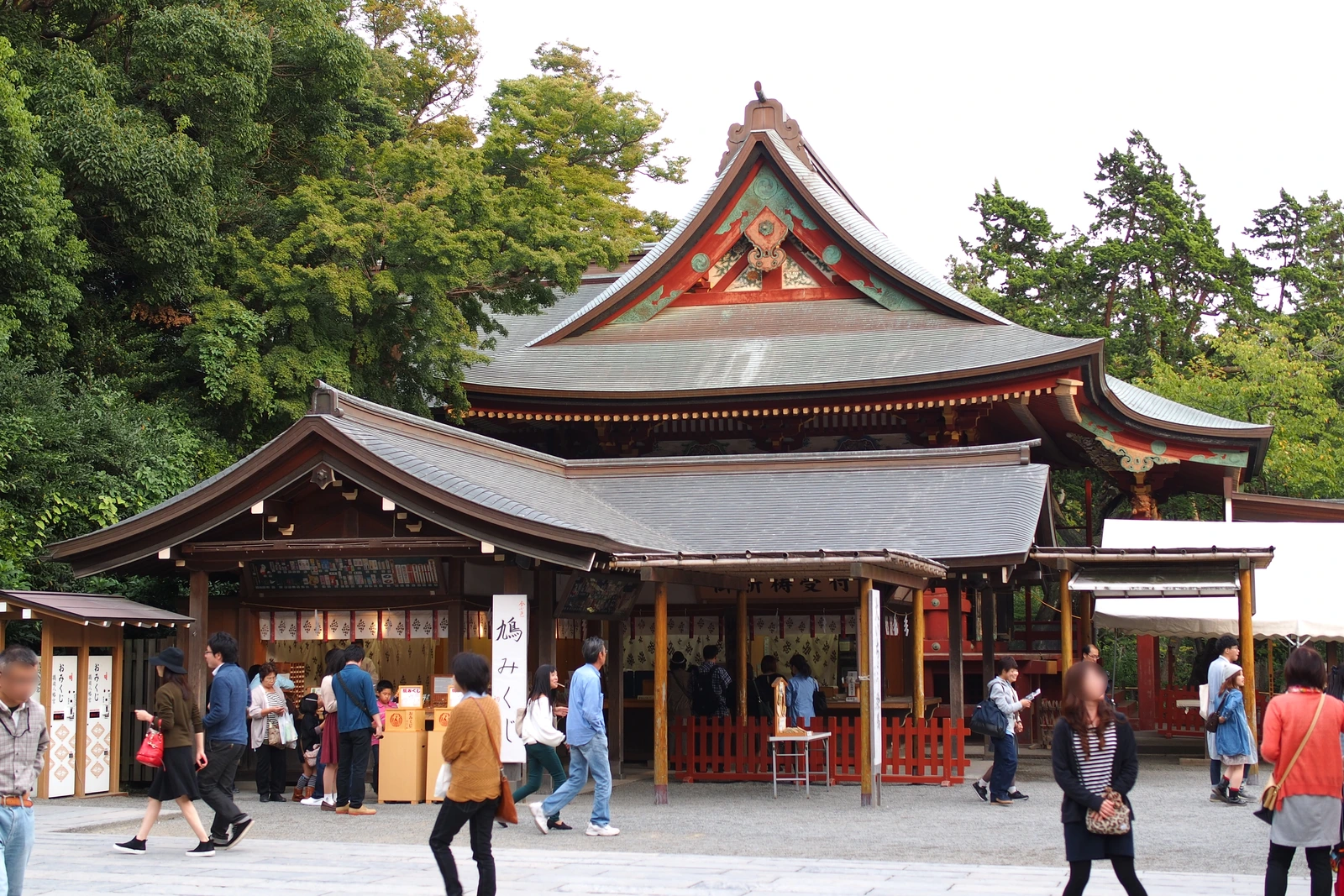
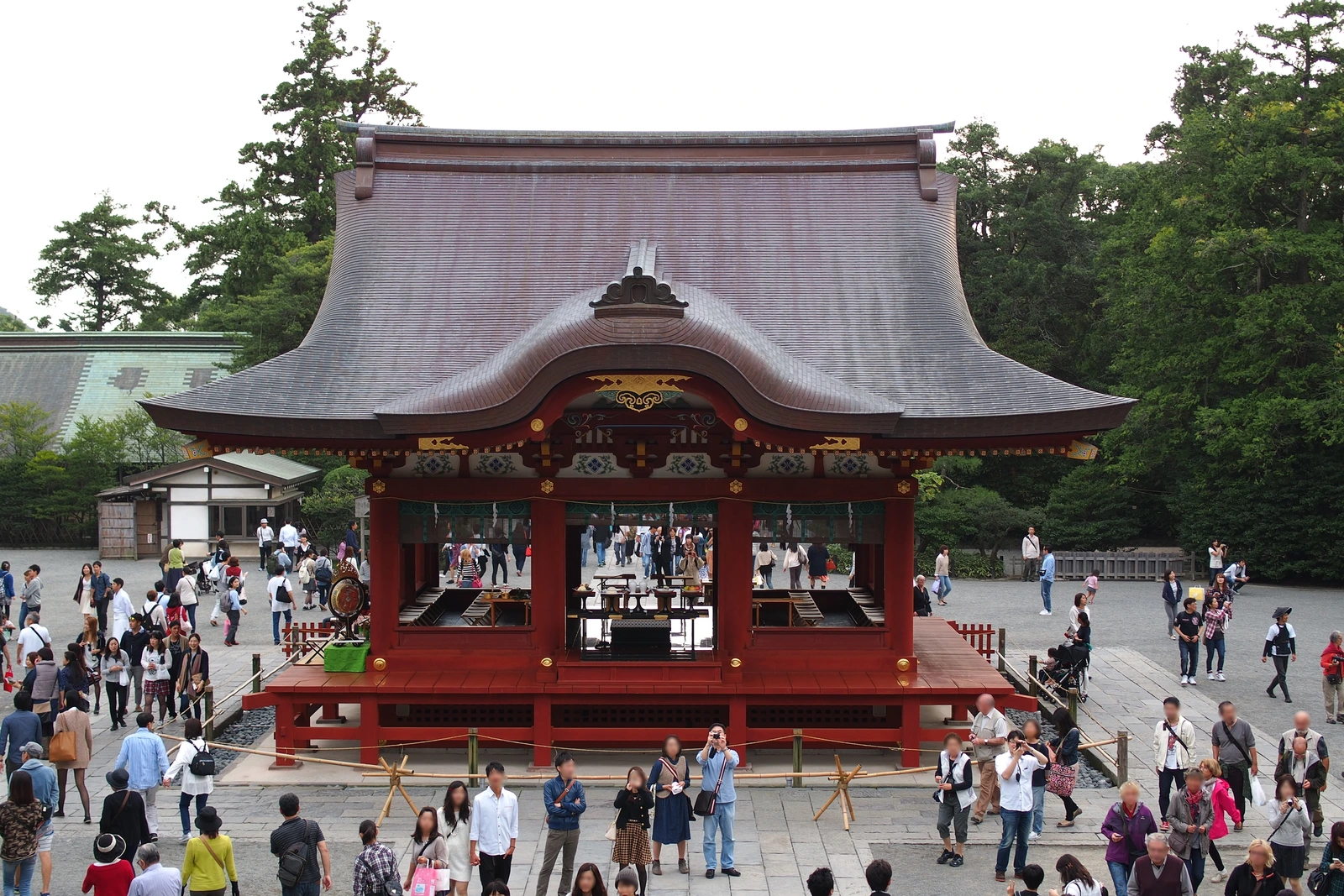
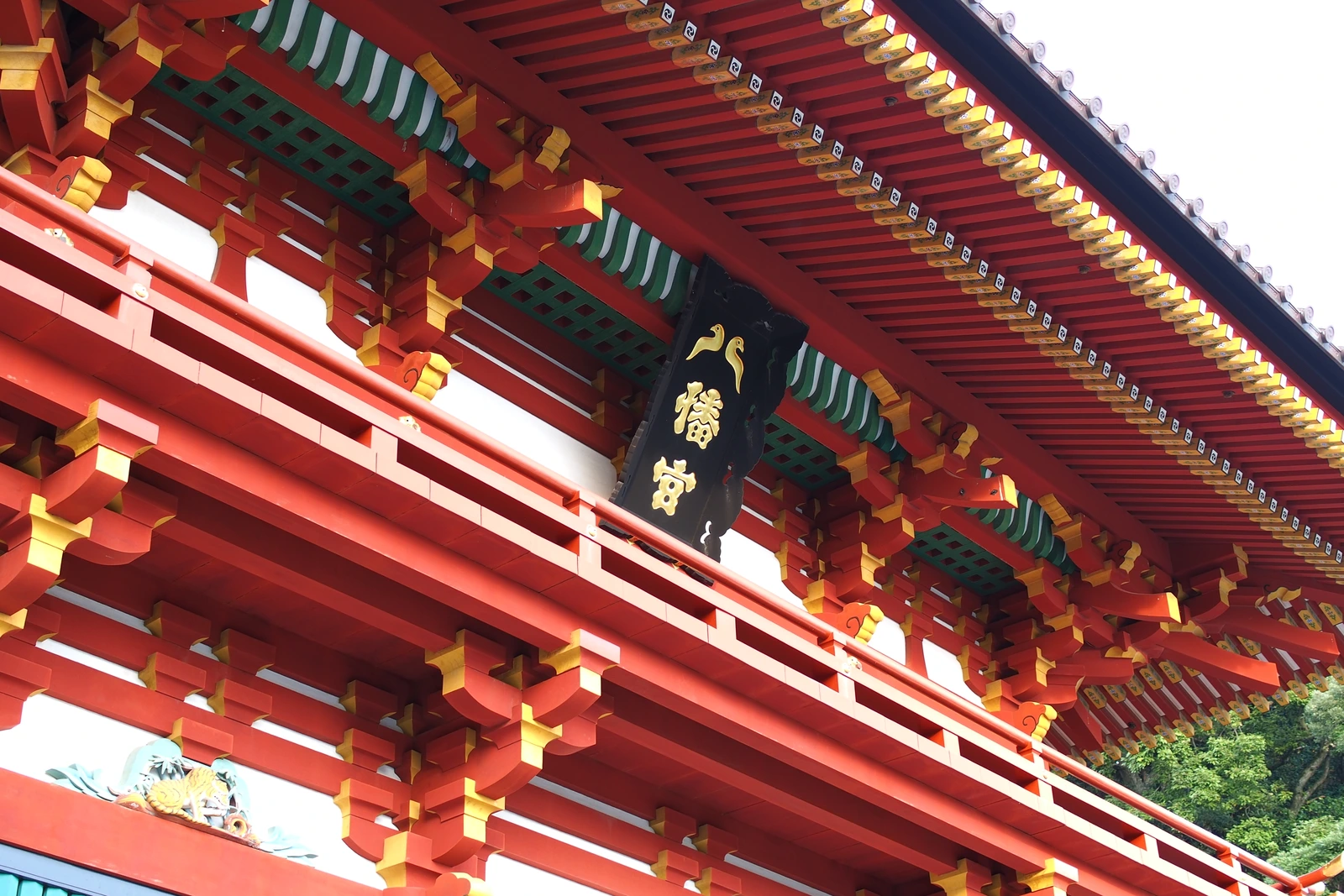
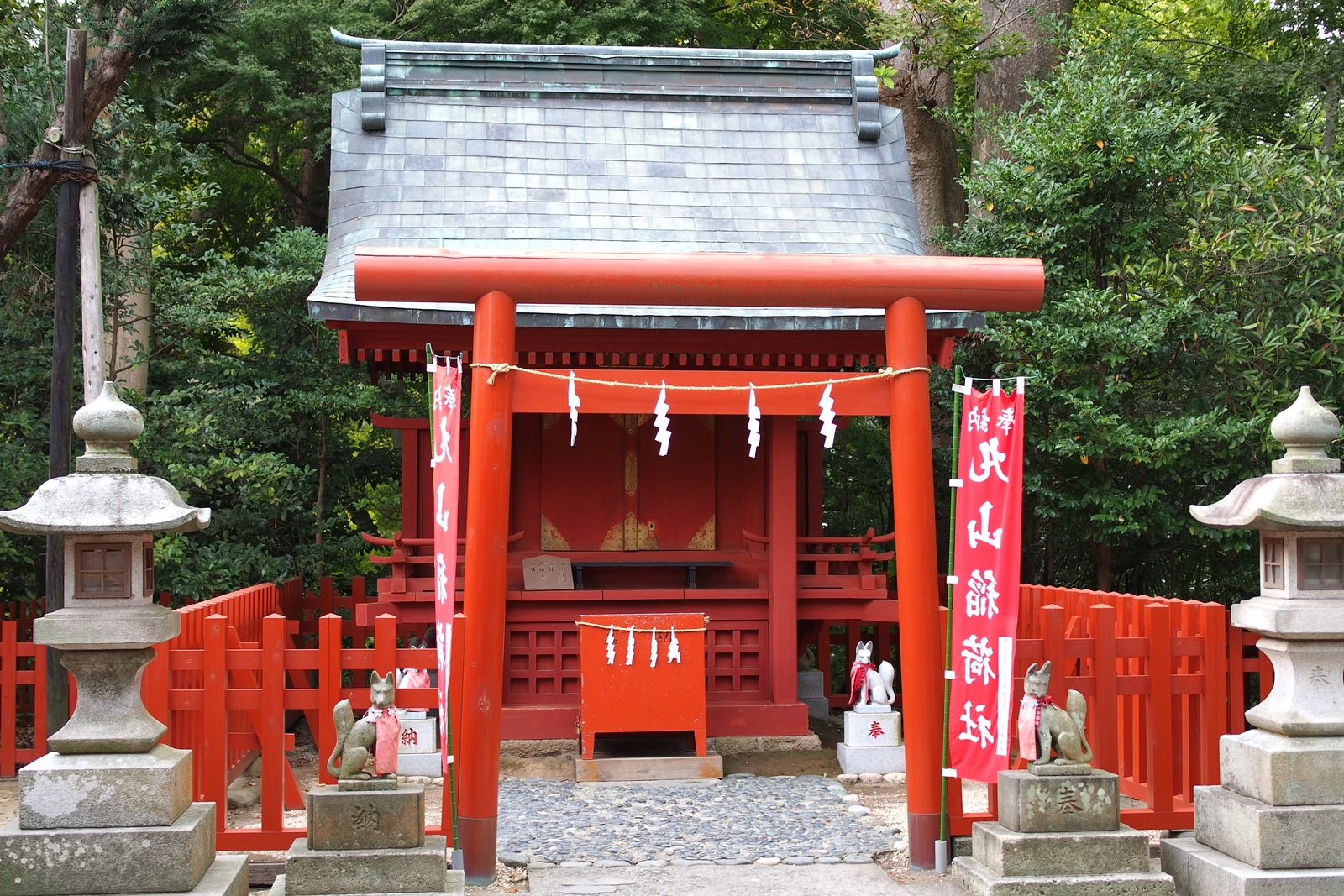
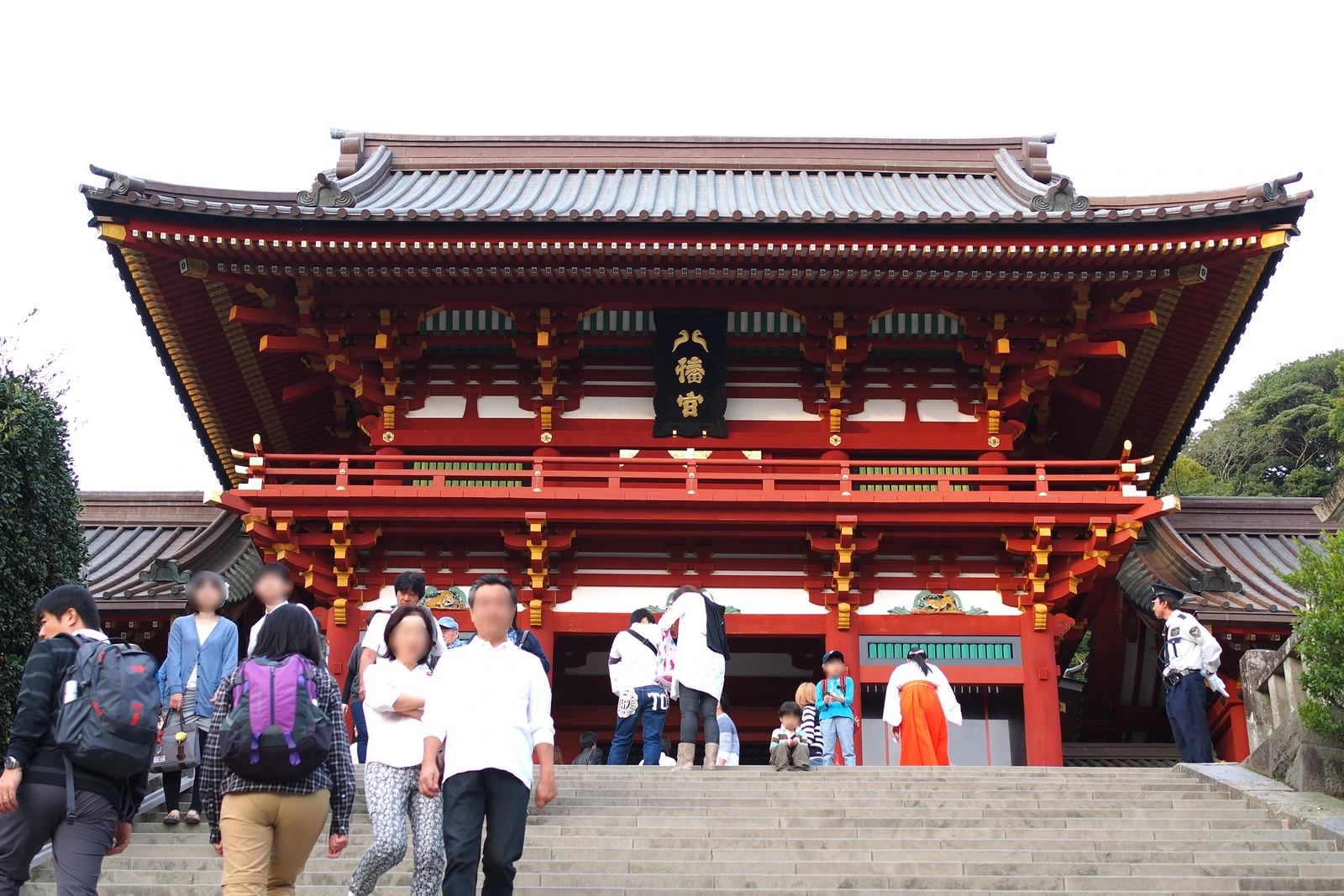
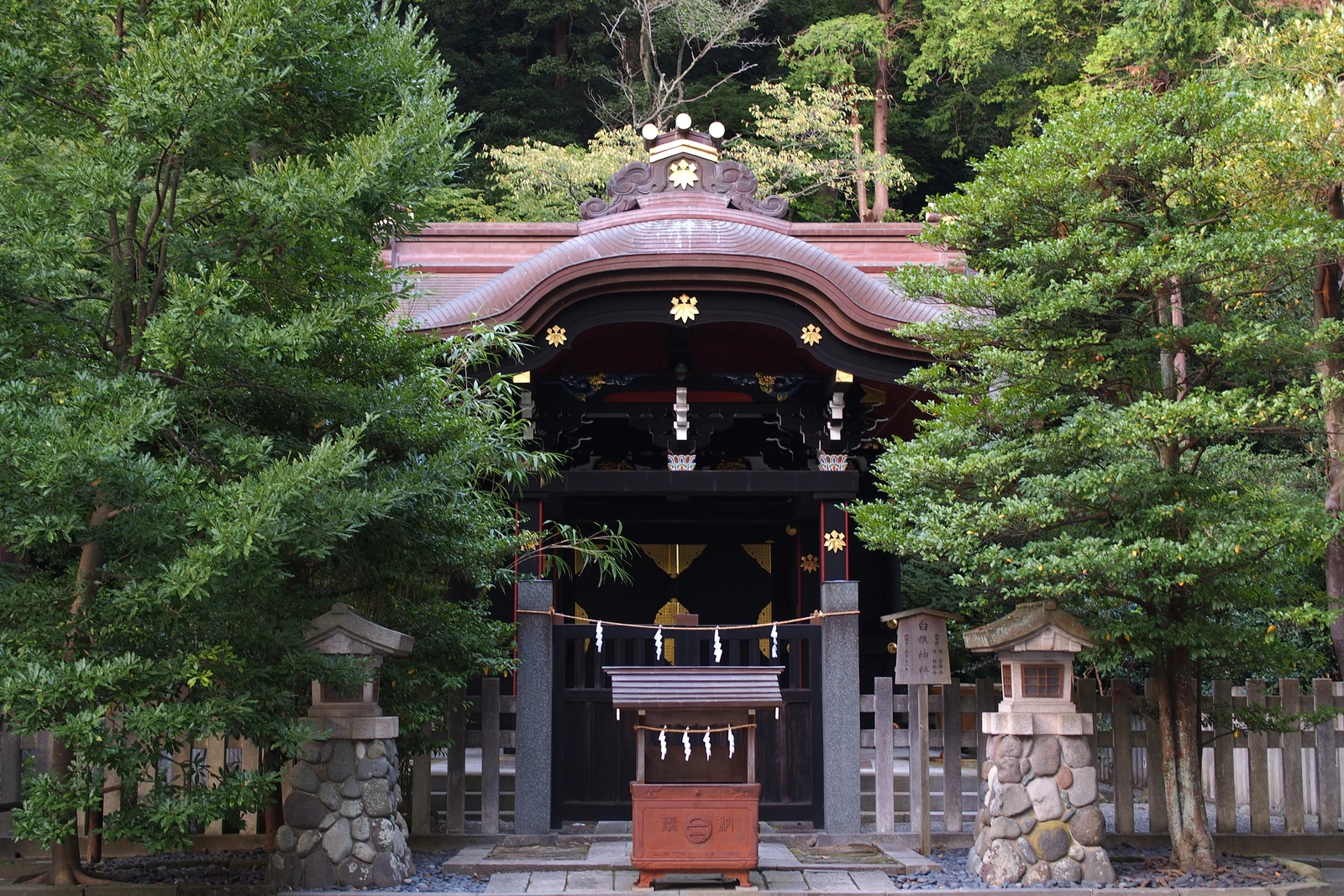
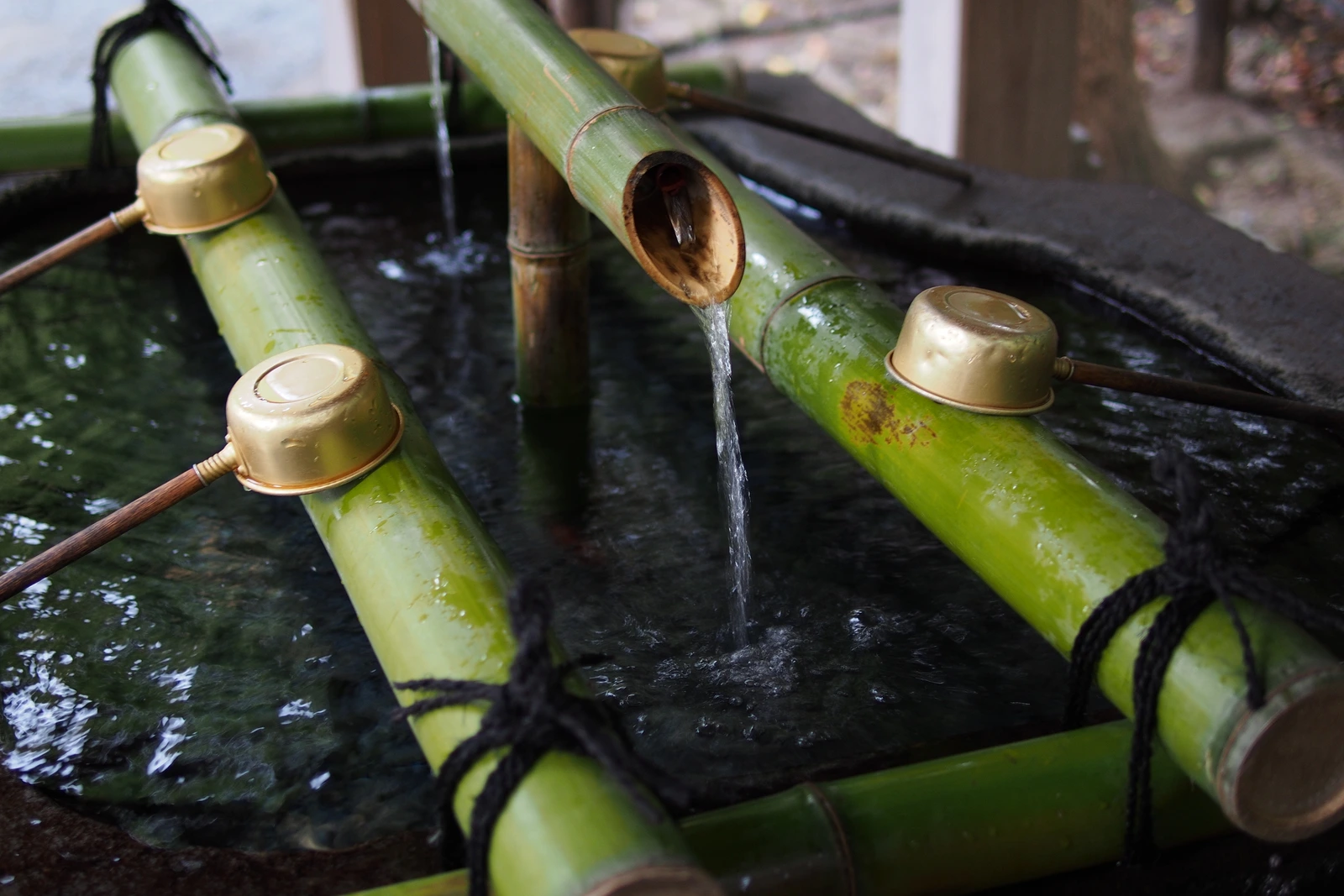
After leaving Hachimangu, even though it was getting dark, I still went to see Minamoto no Yoritomo’s grave. The huge tree beside it was quite impressive.
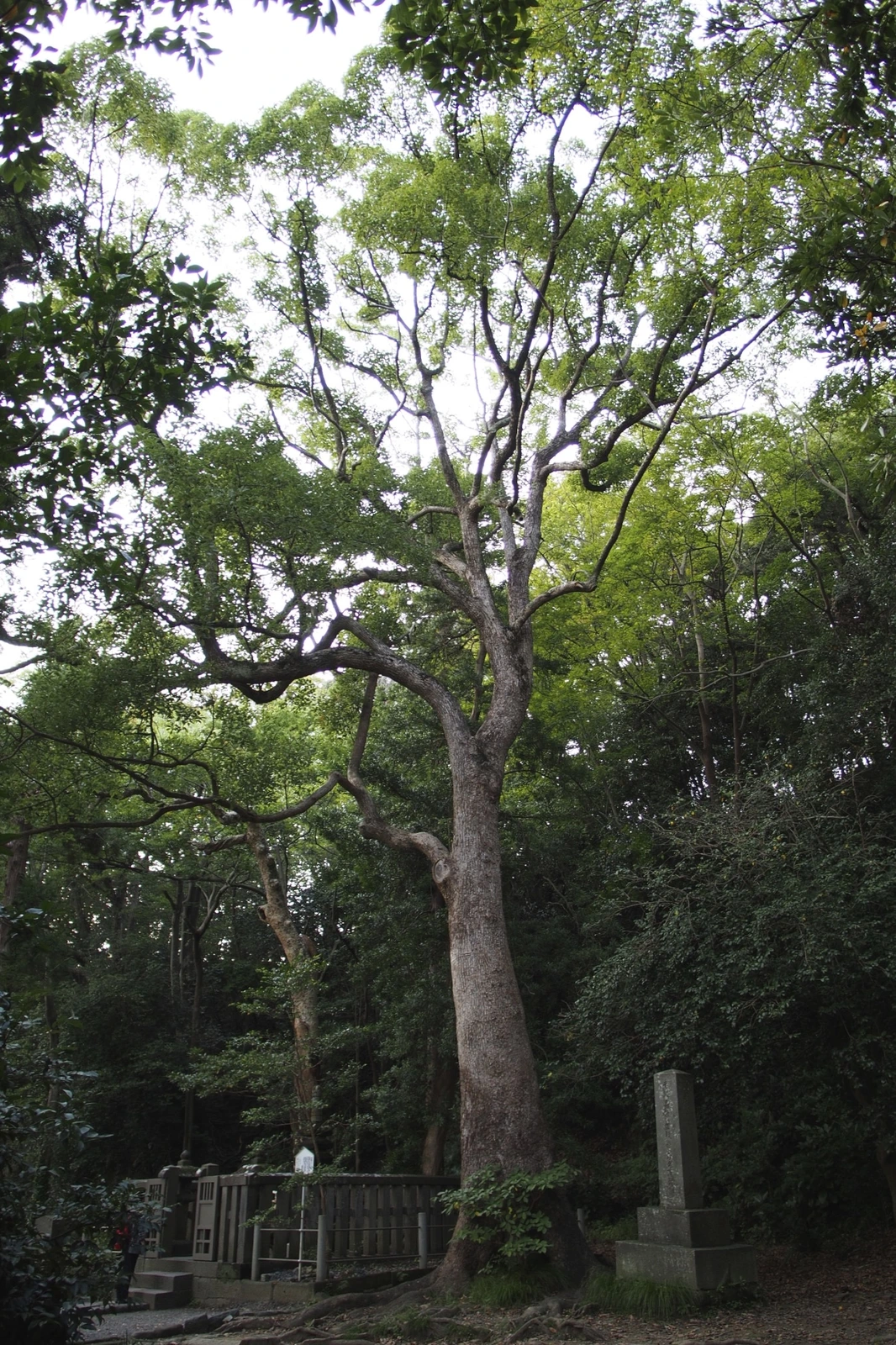
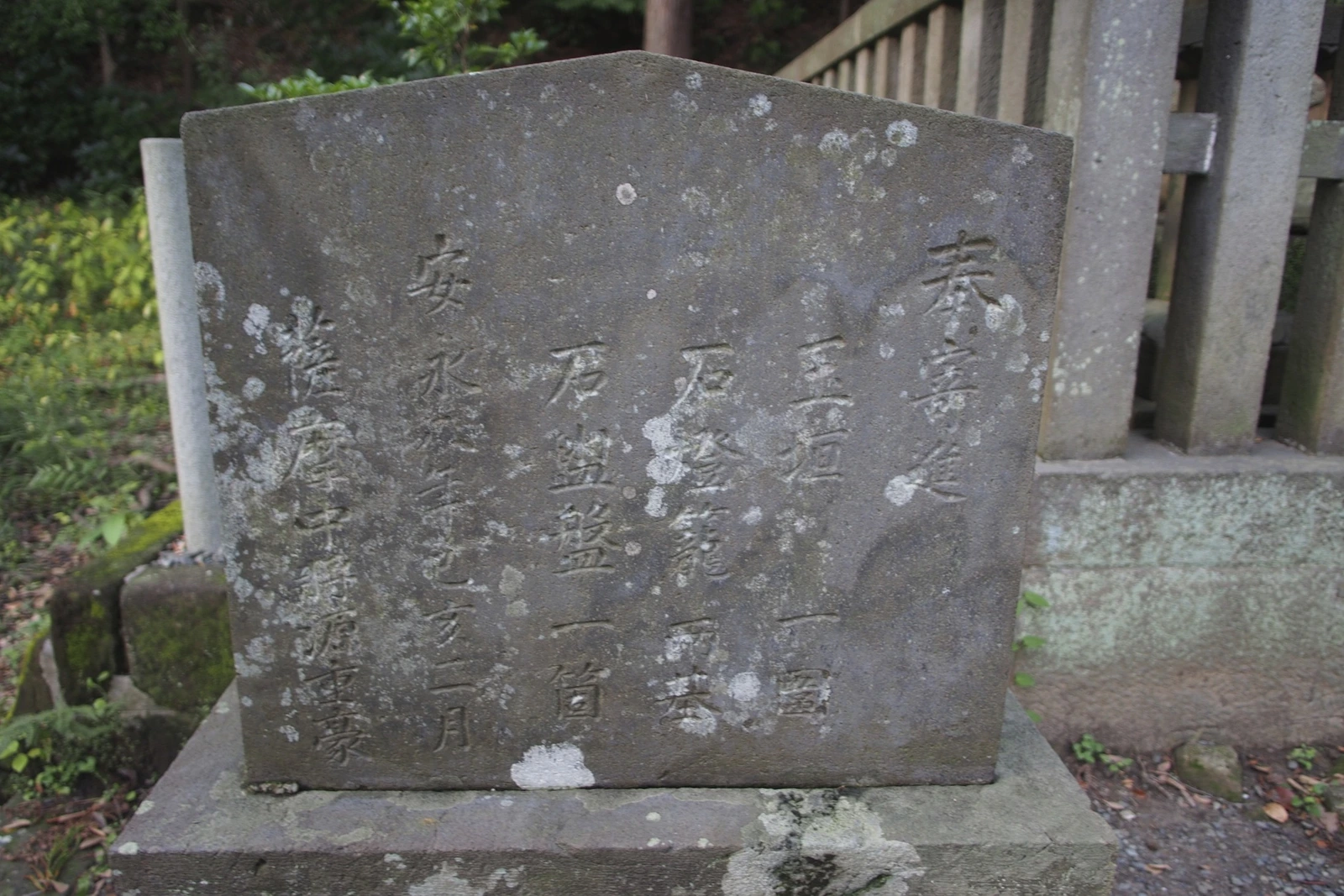
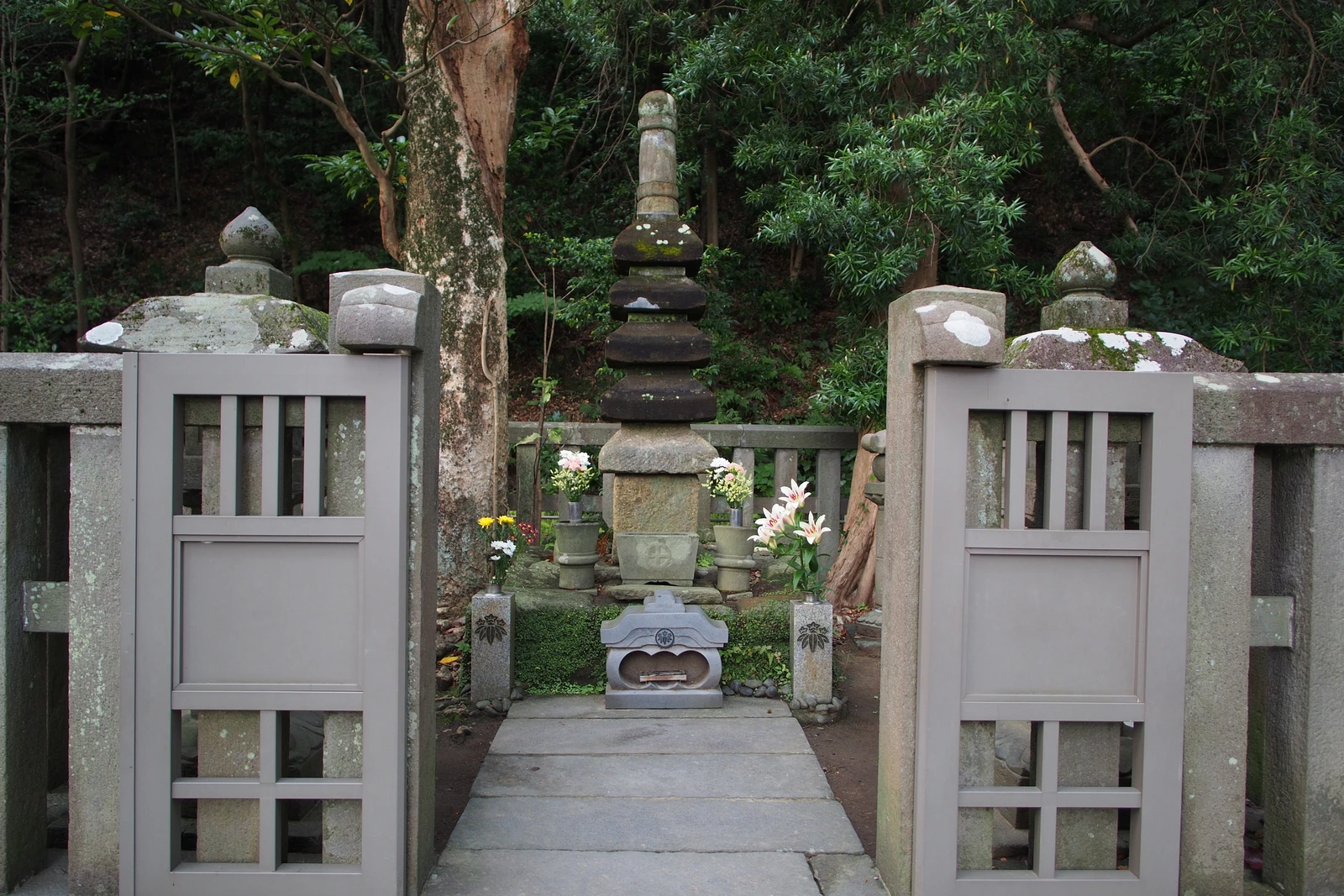
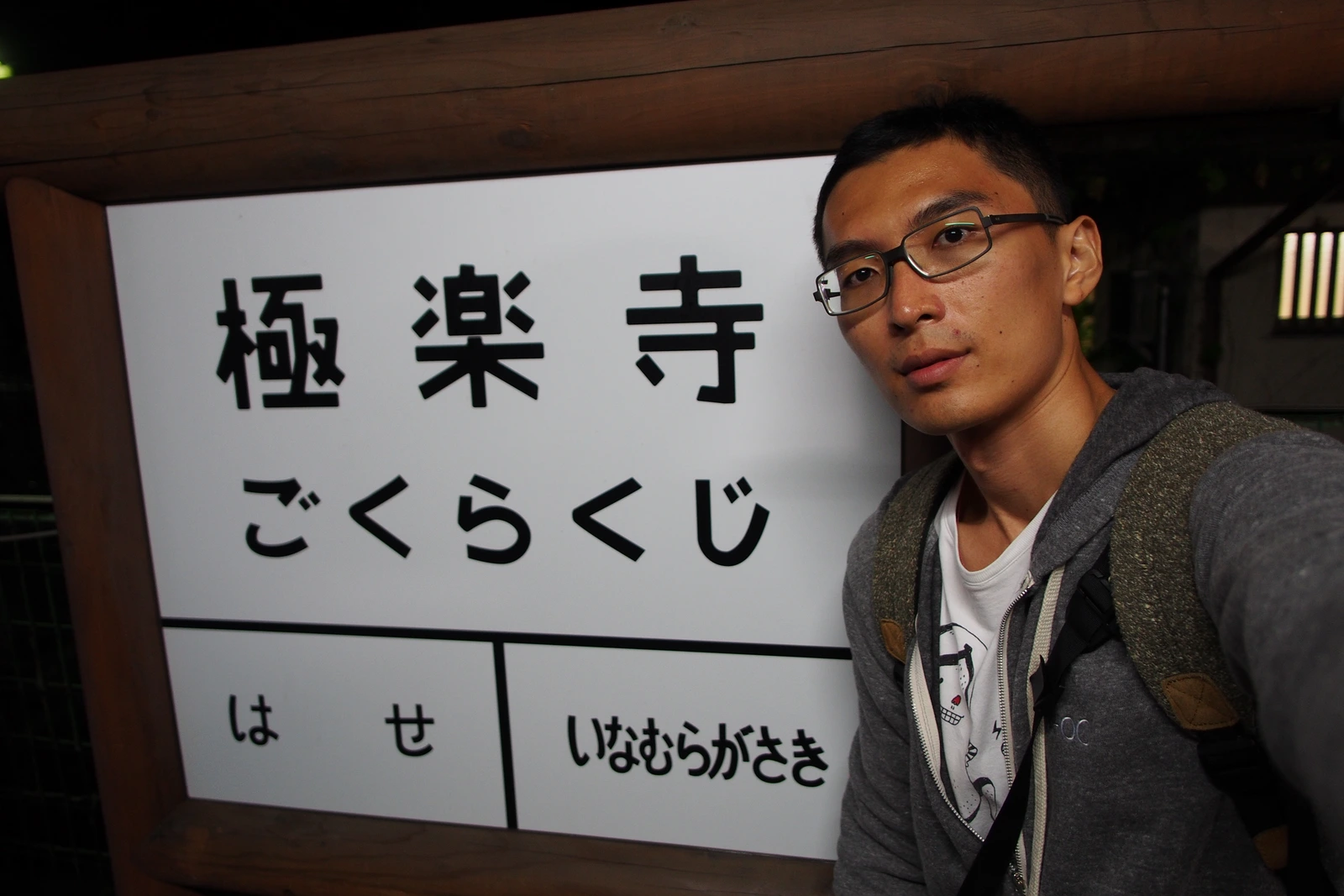
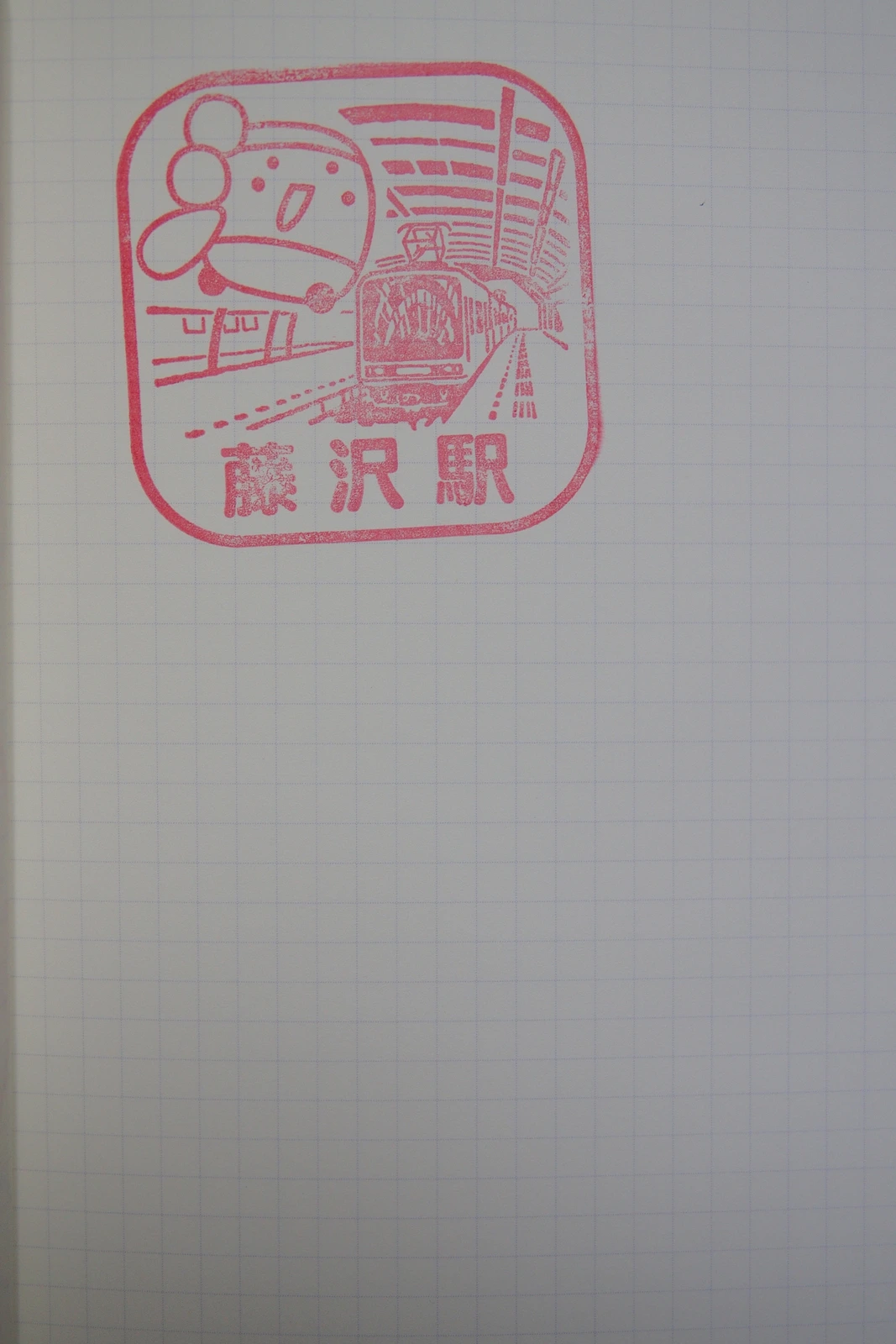
By the time I got back to Kamakura Station, it was already dark. I had originally thought I would just head home, but I still had not collected all the commemorative stamps, so I got off again at Hase Station. Then I thought I might as well take a quick look at Gokurakuji too, so I got off yet again, but it was already too late and the temple was closed. All I got was a selfie.
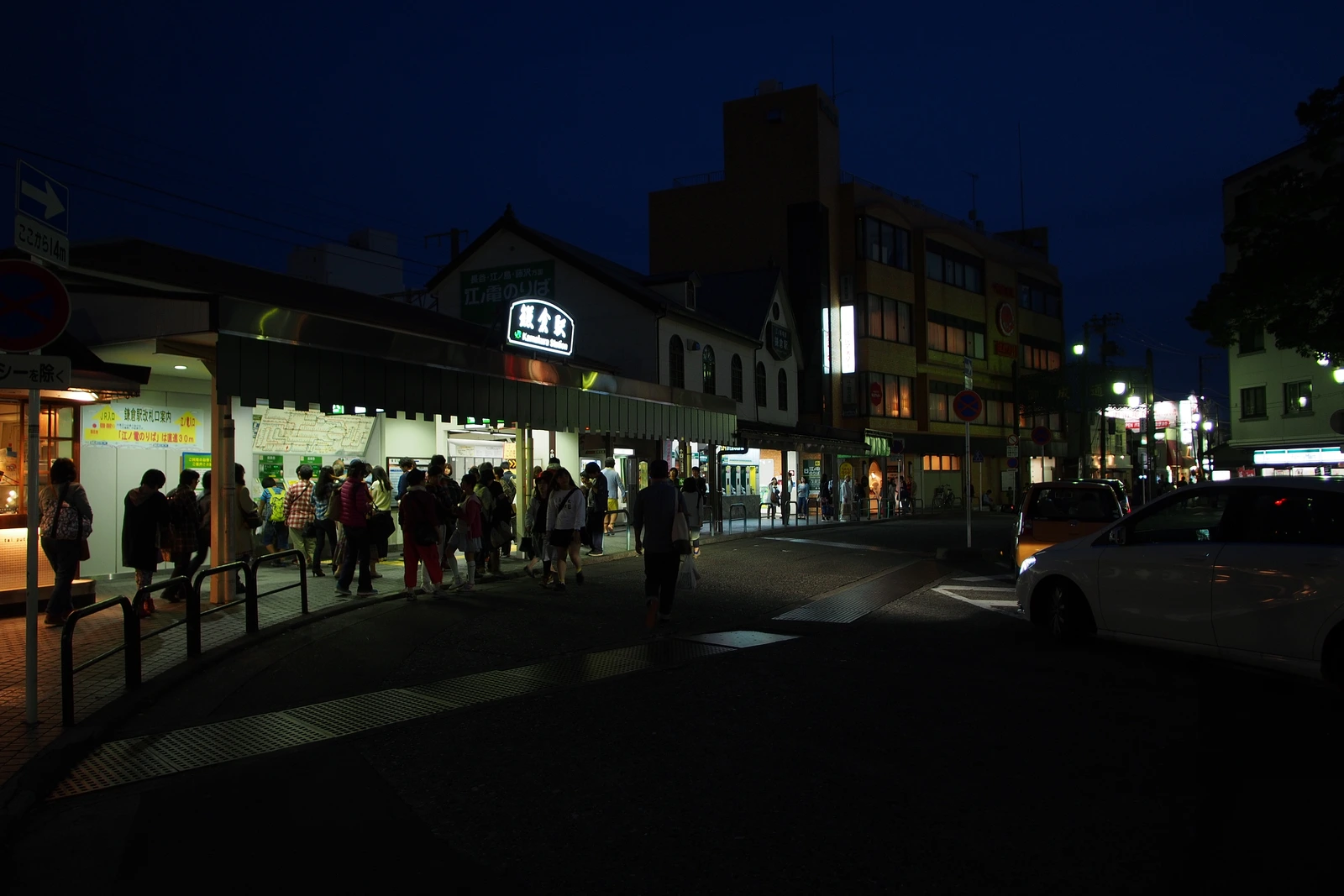
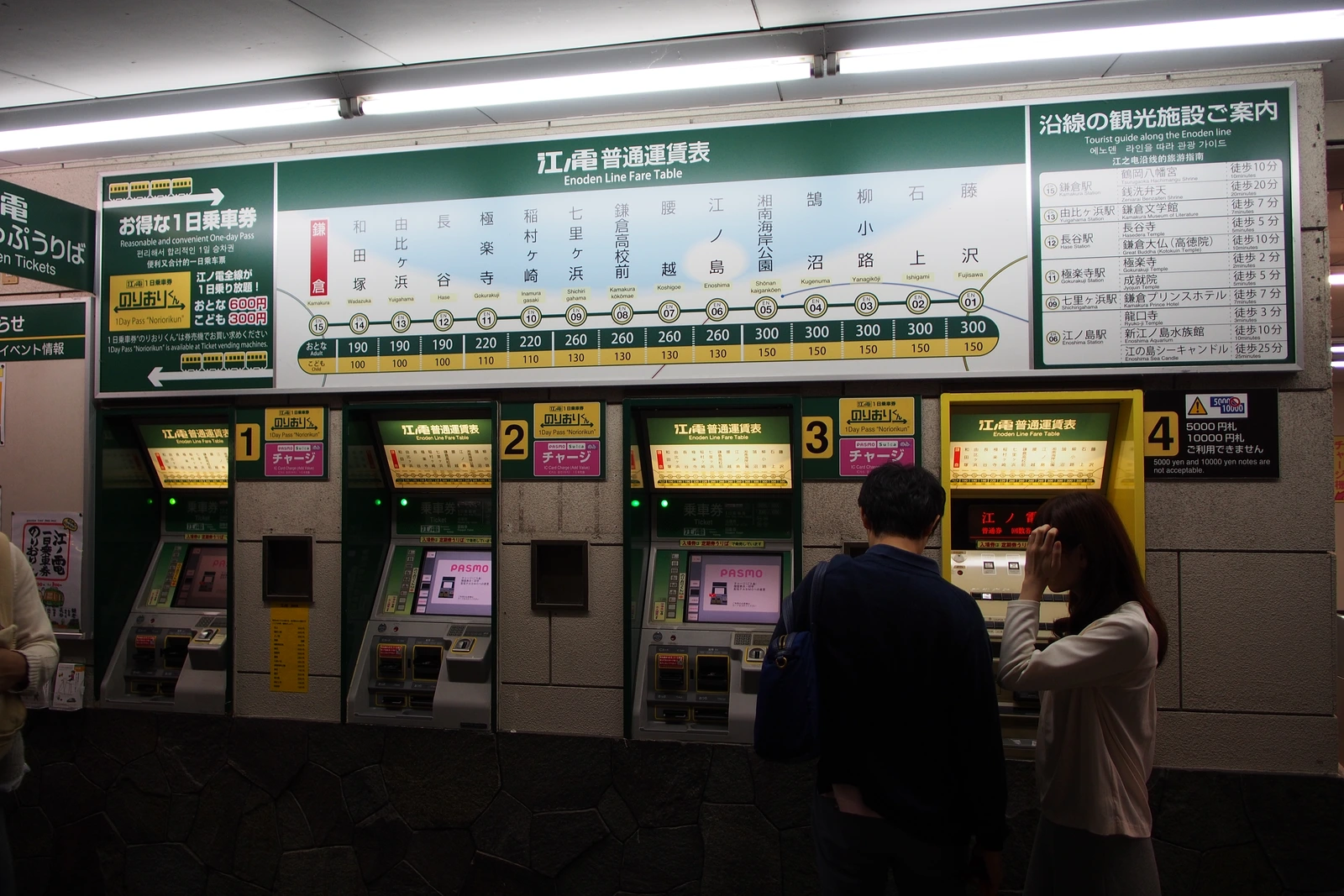
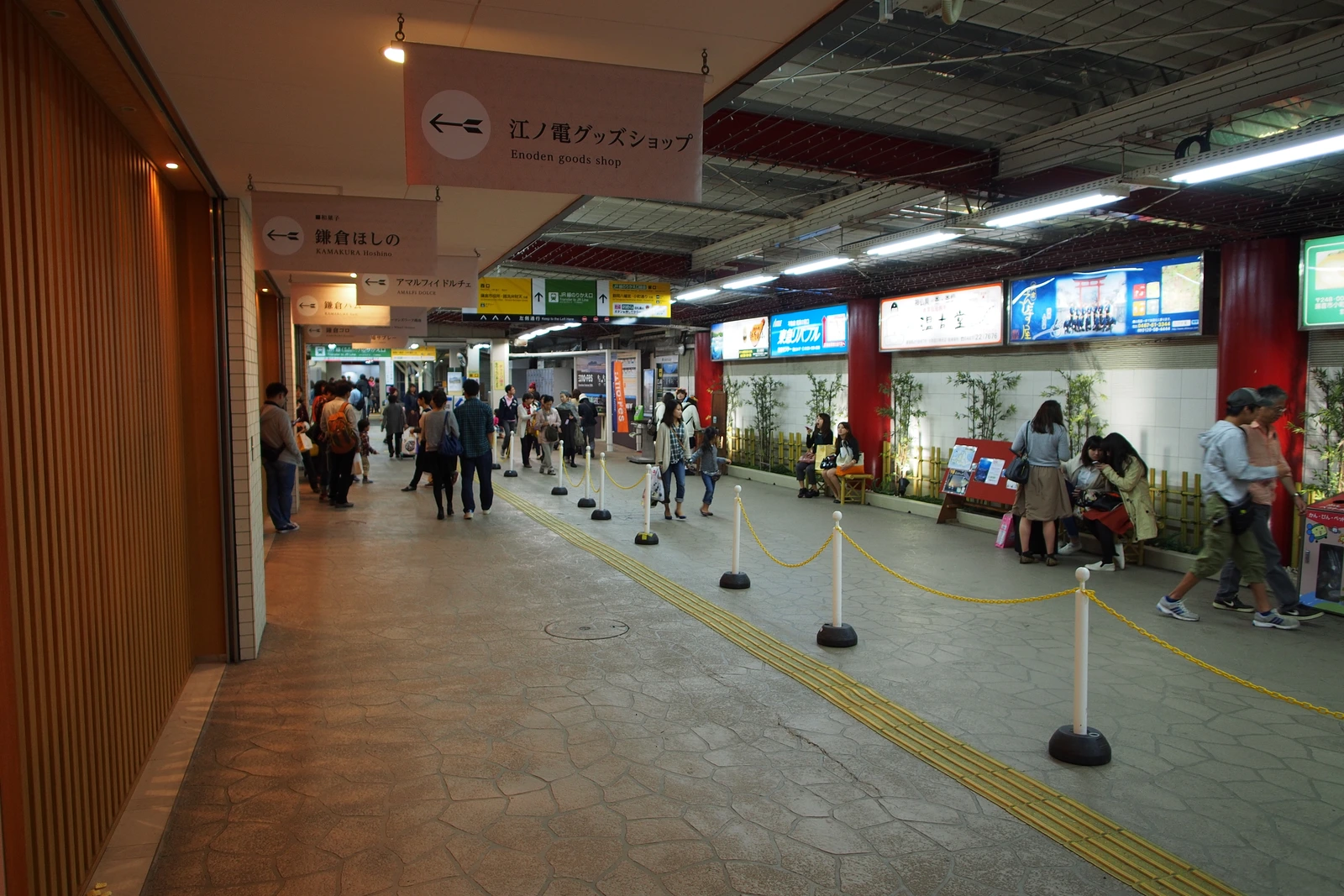
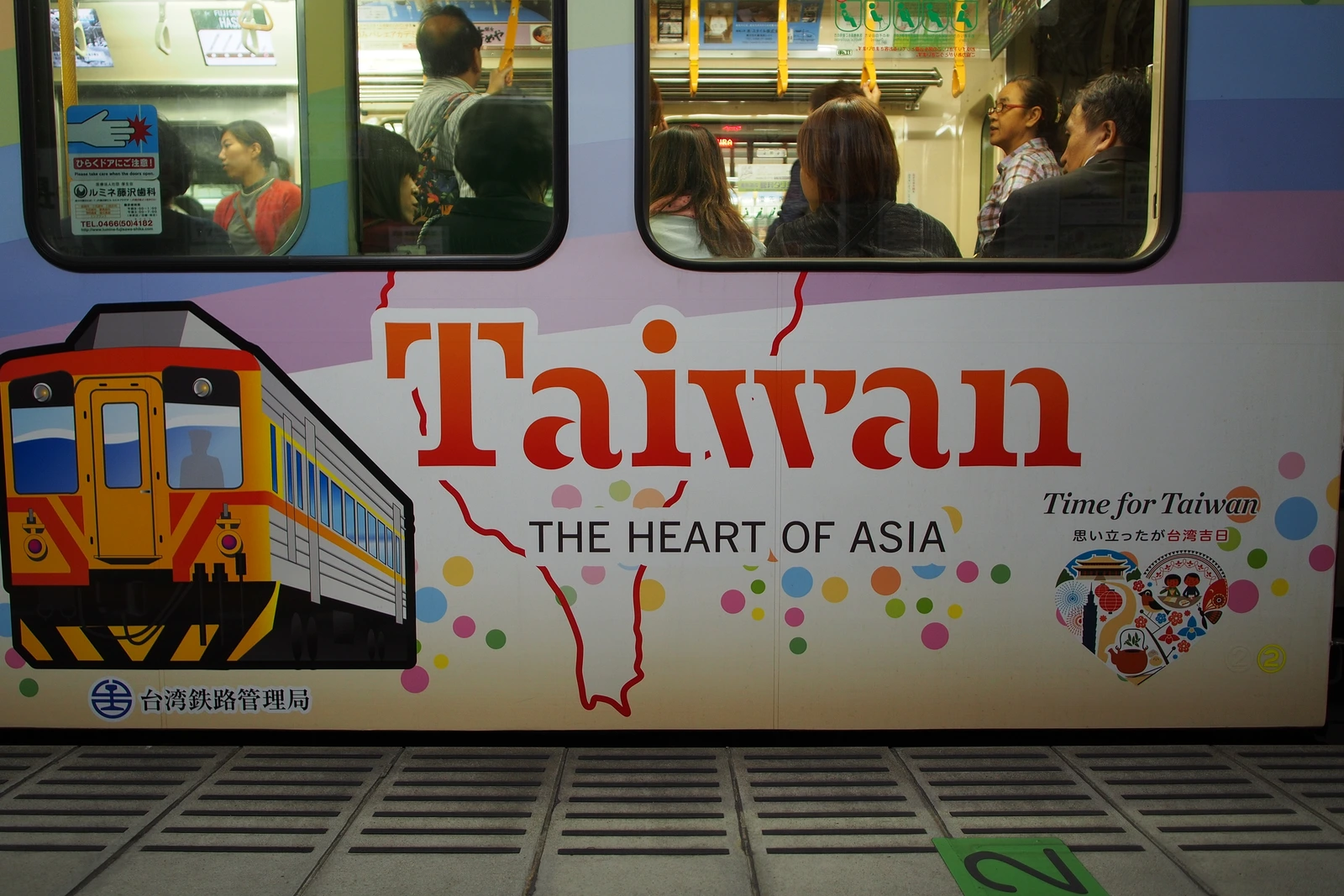
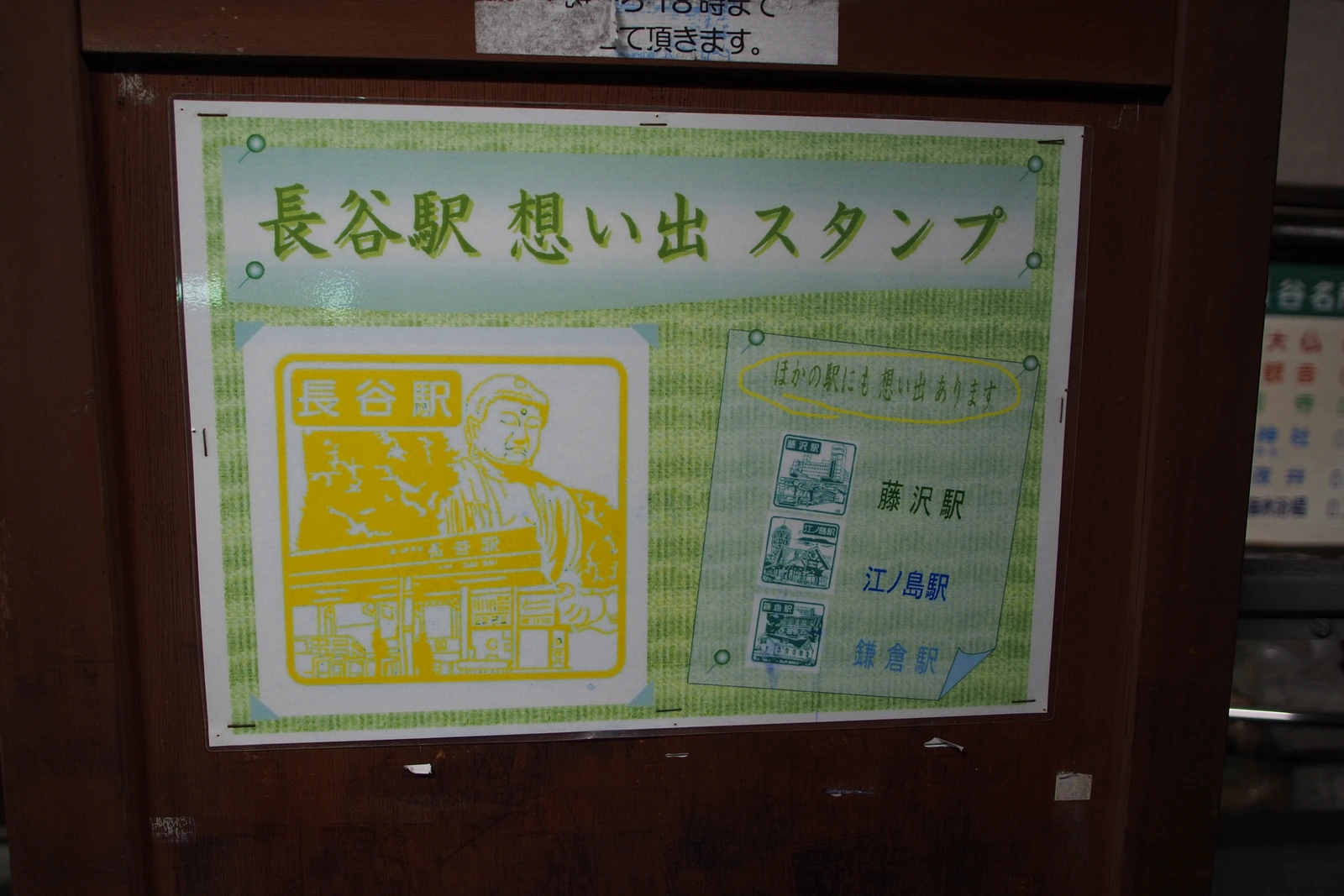
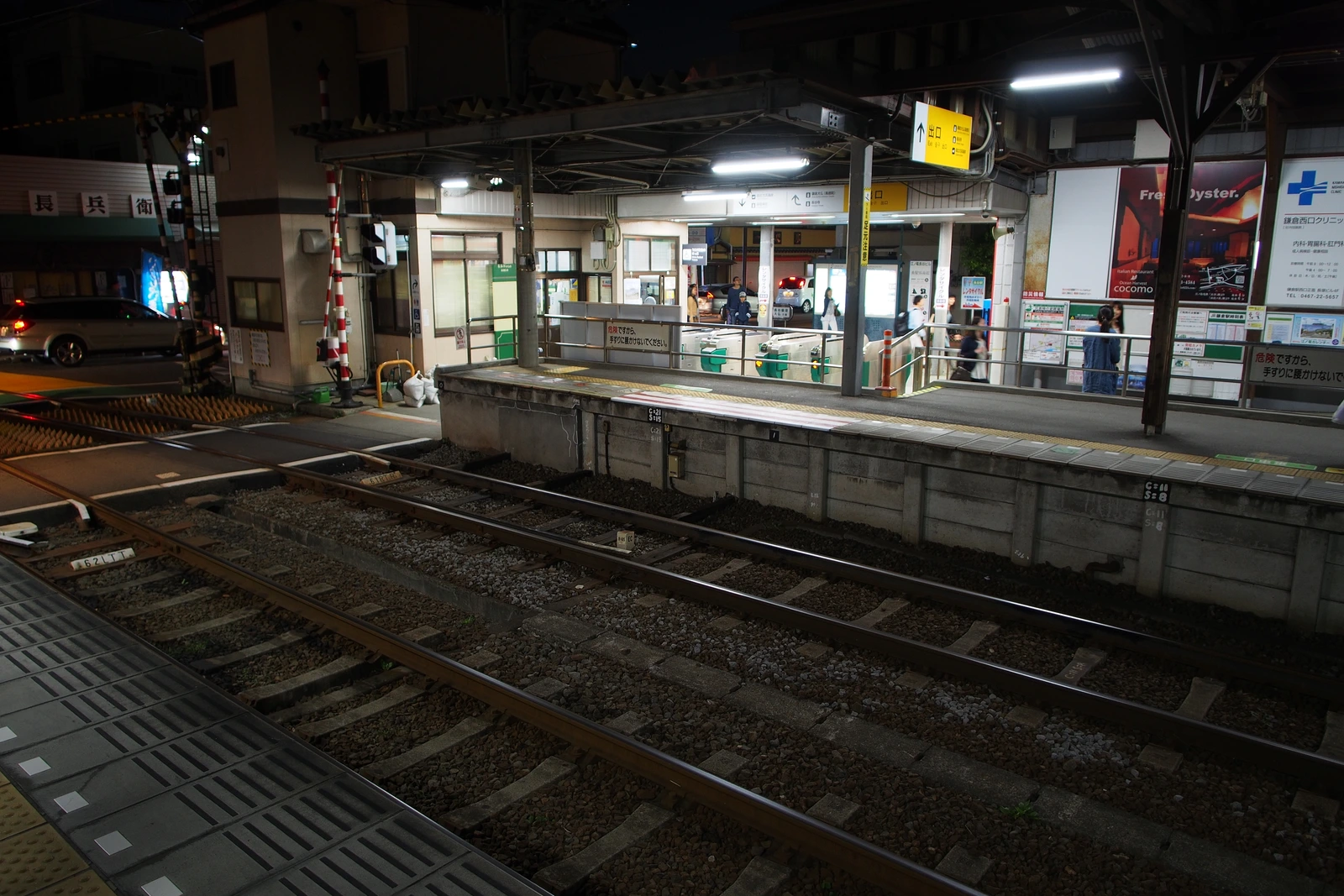
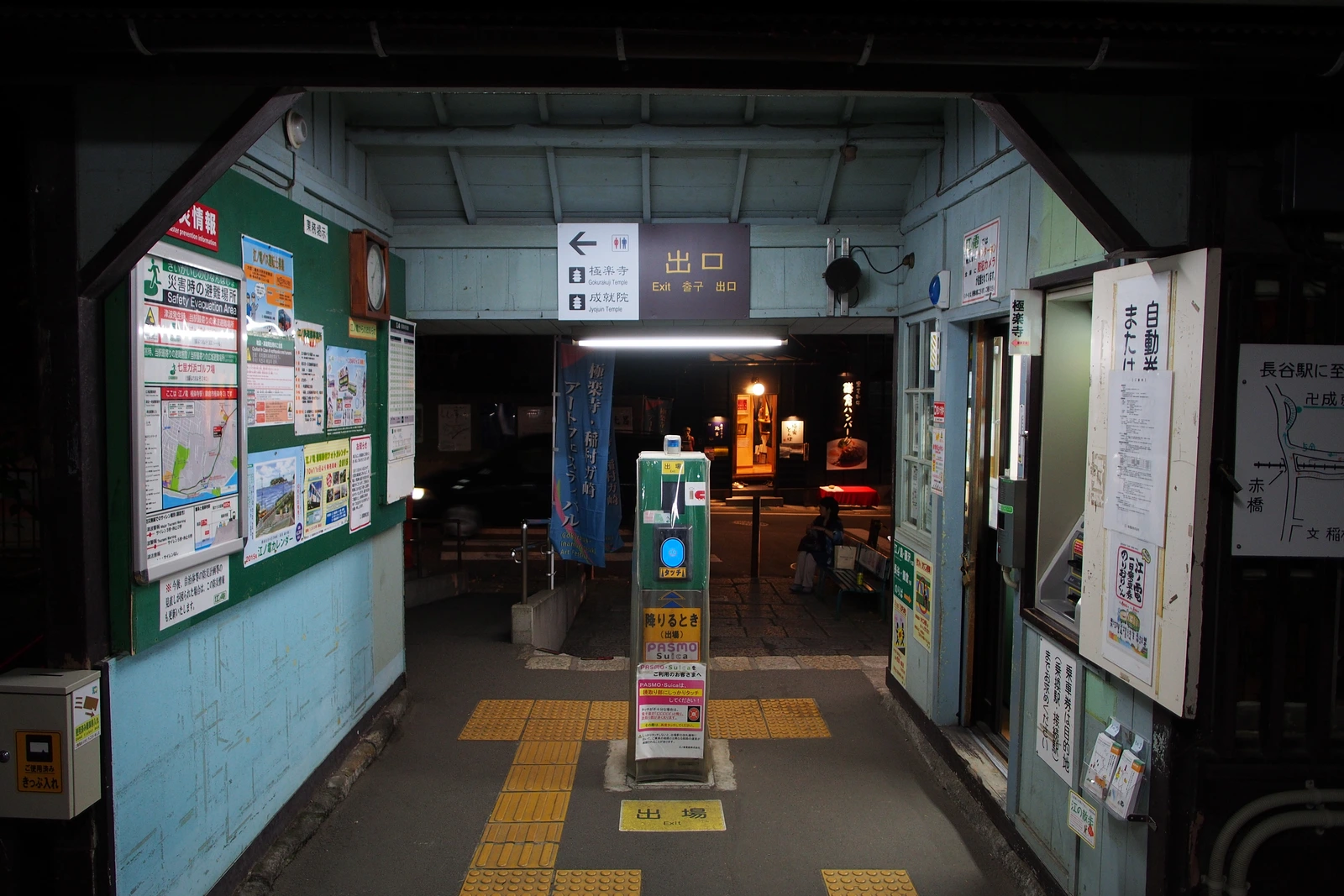
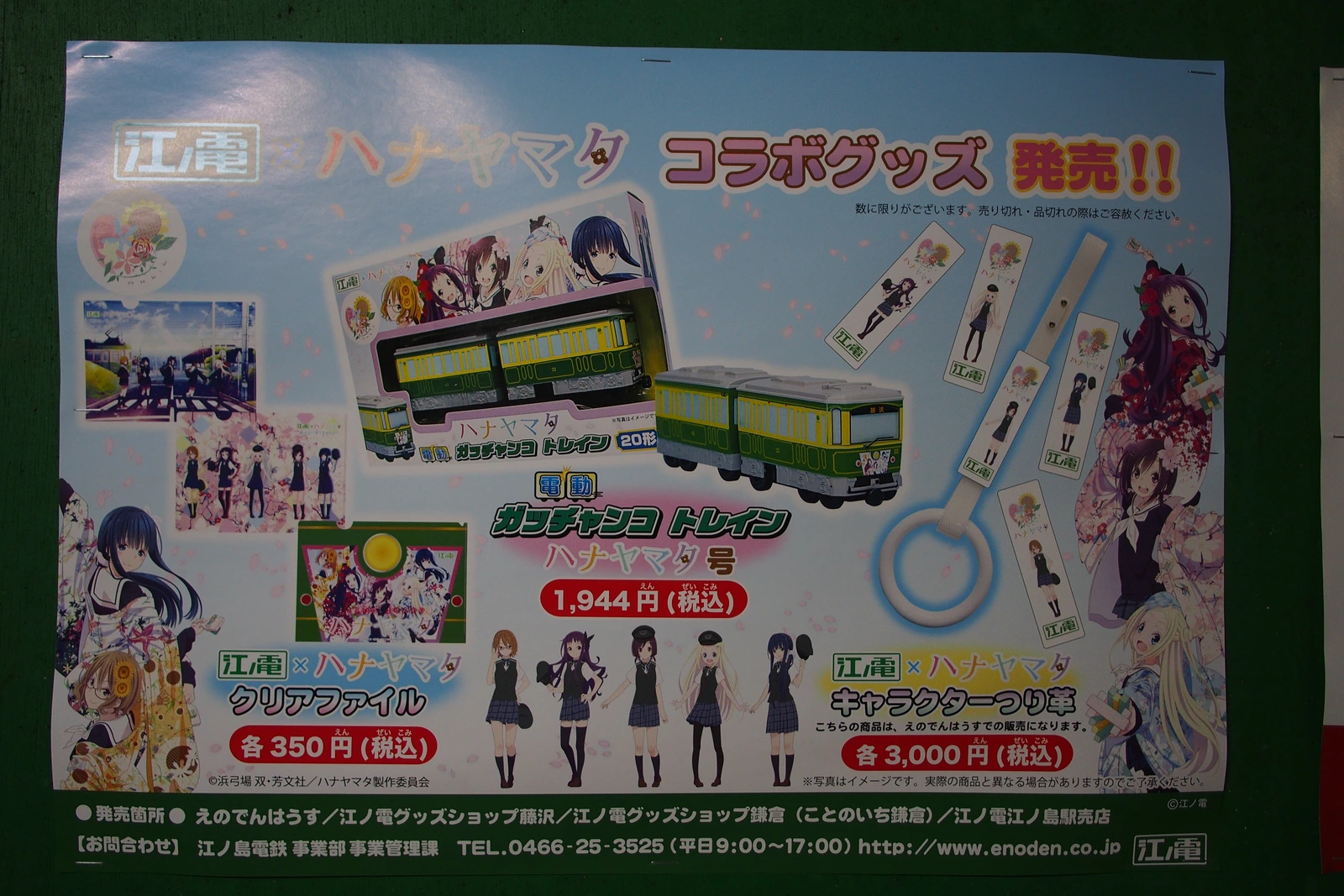
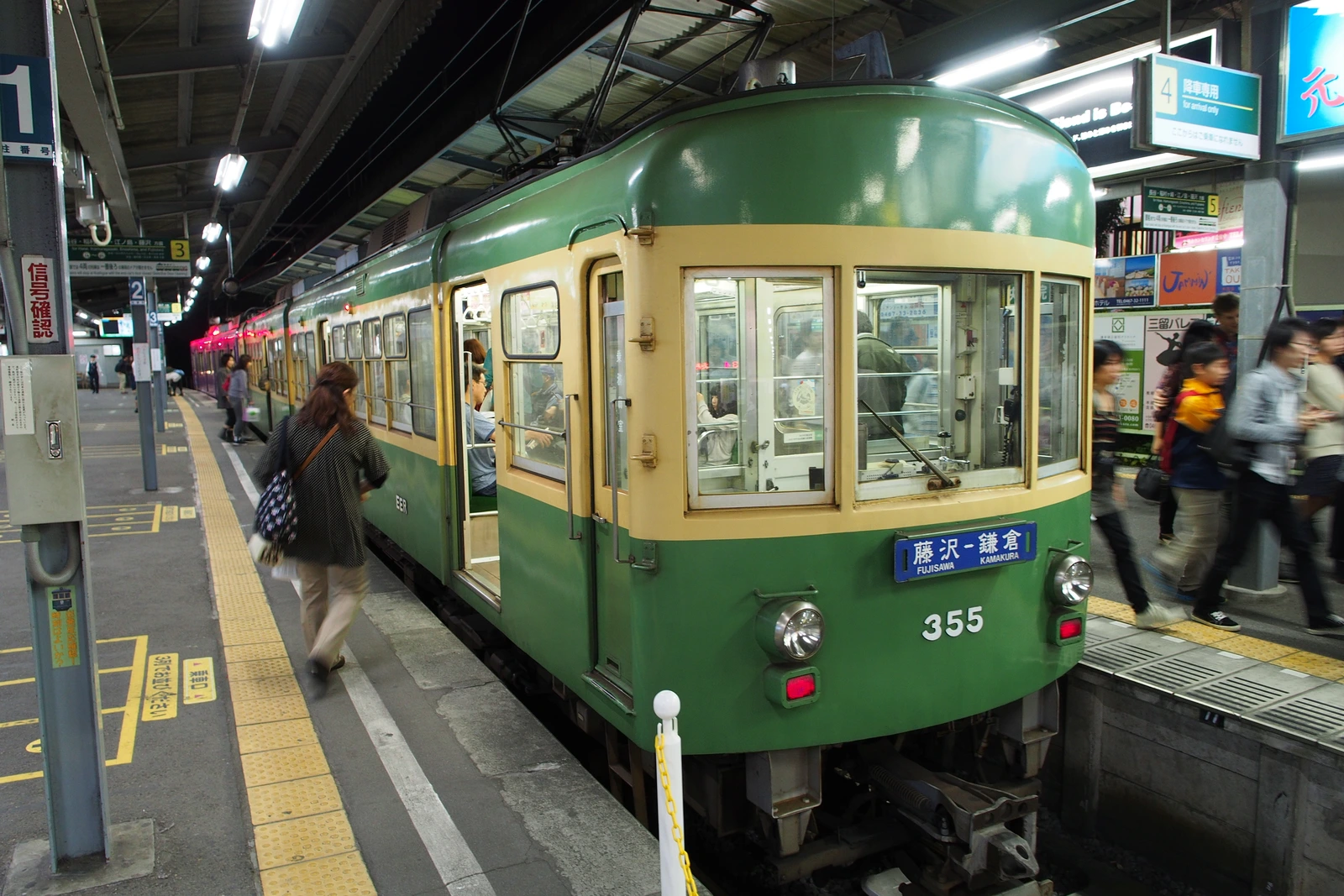
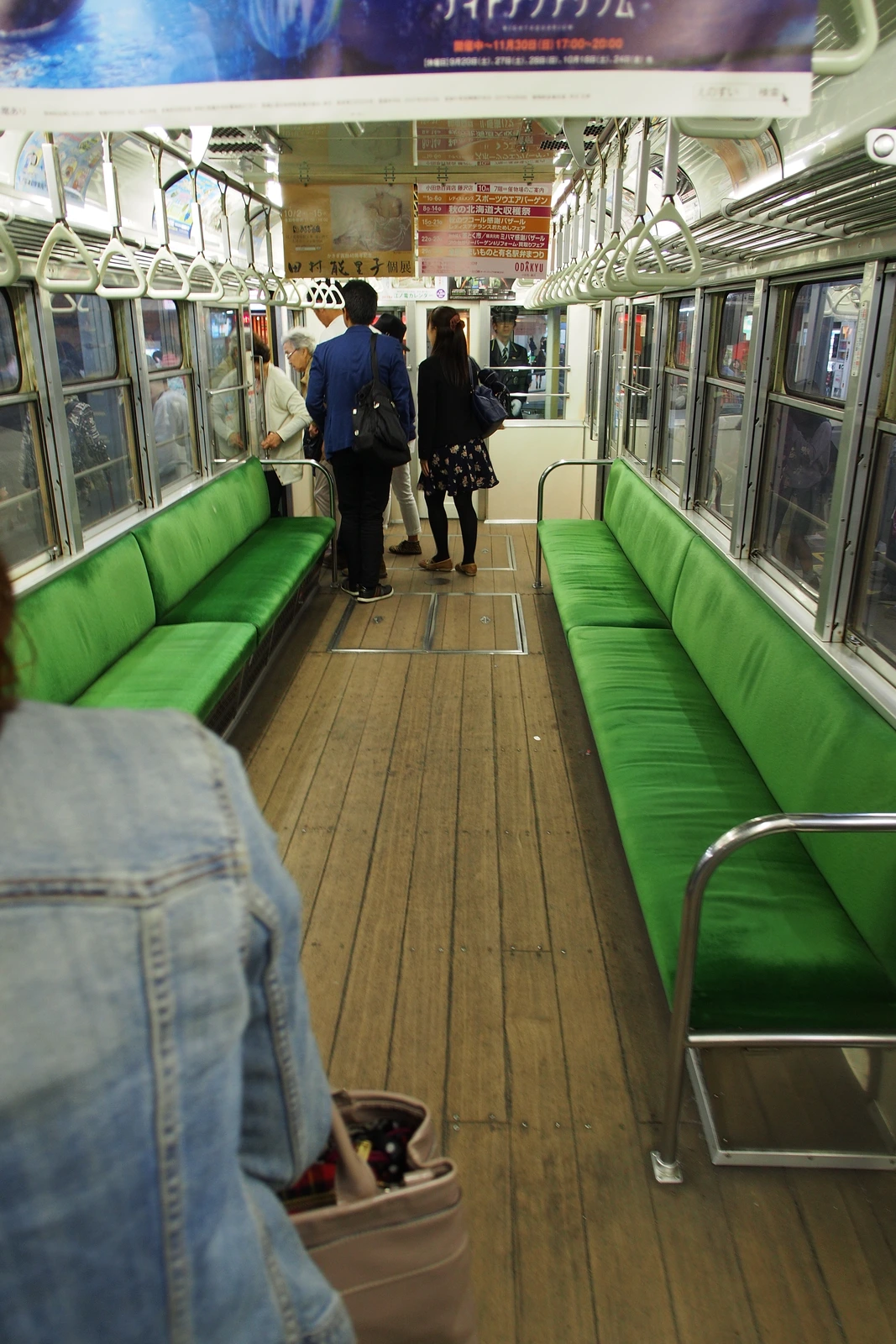
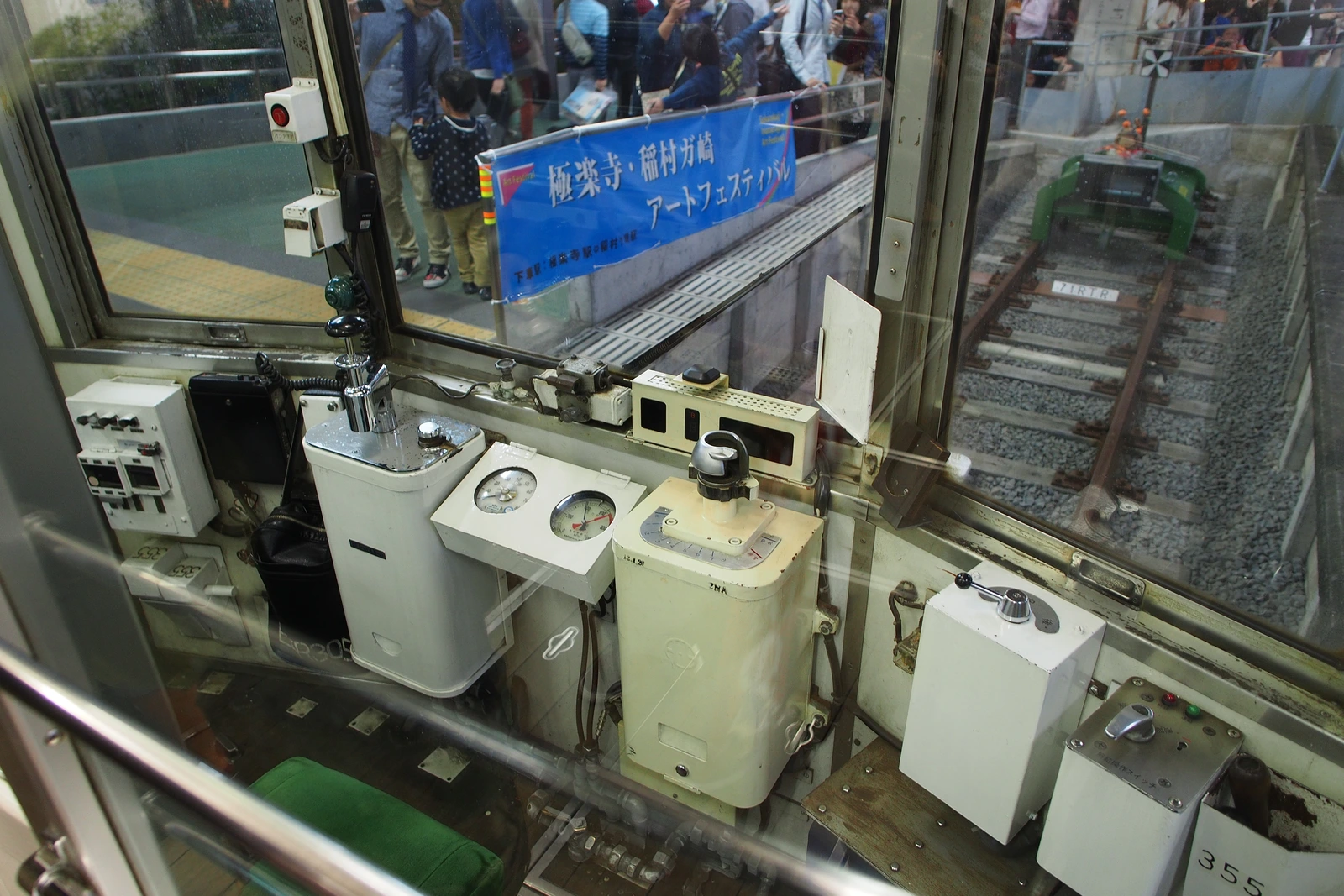
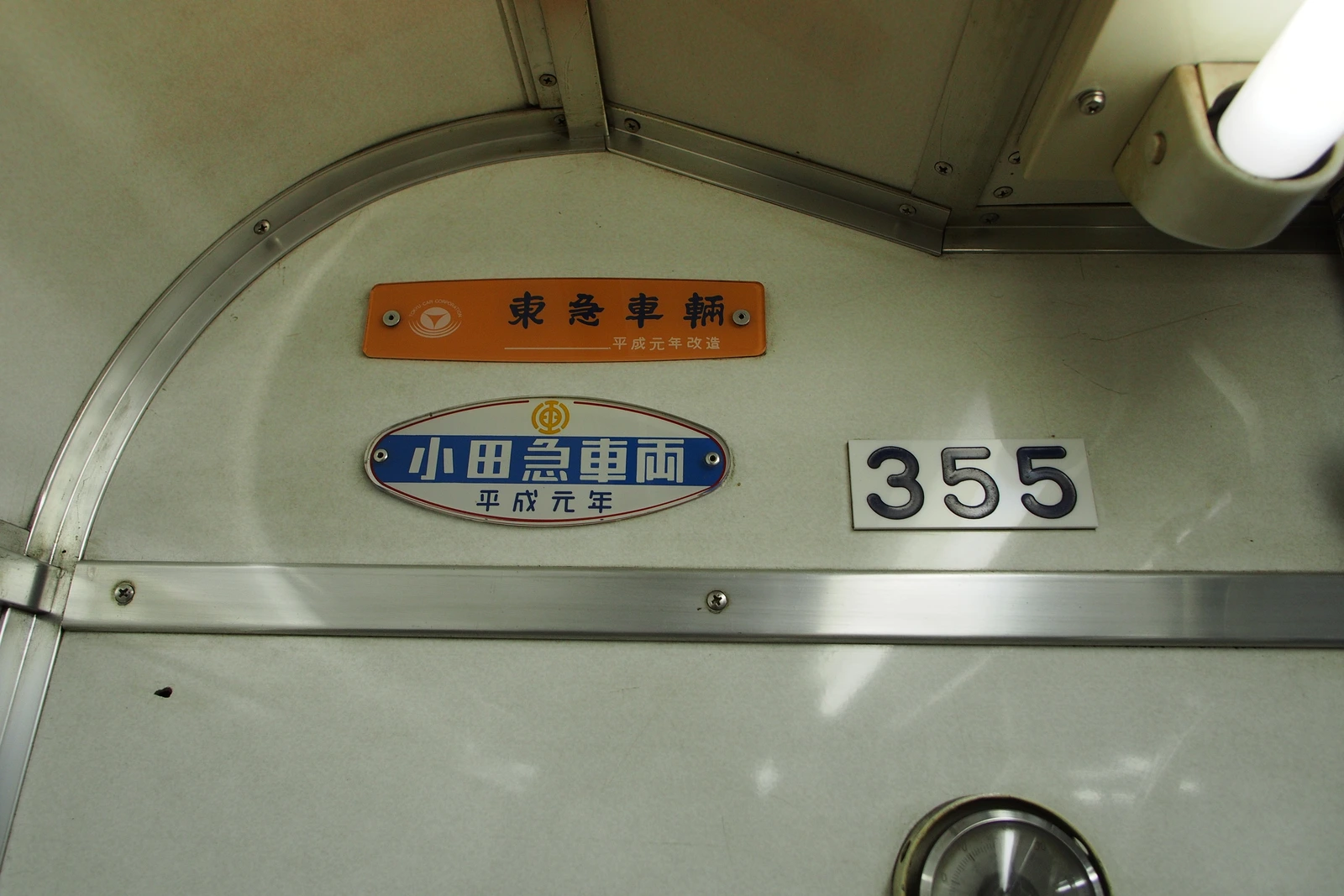
While waiting for the train, I saw that the train arriving from the opposite direction was the 305-355 set. Since that was a rare chance, I decided to ride back to Kamakura just to photograph it.
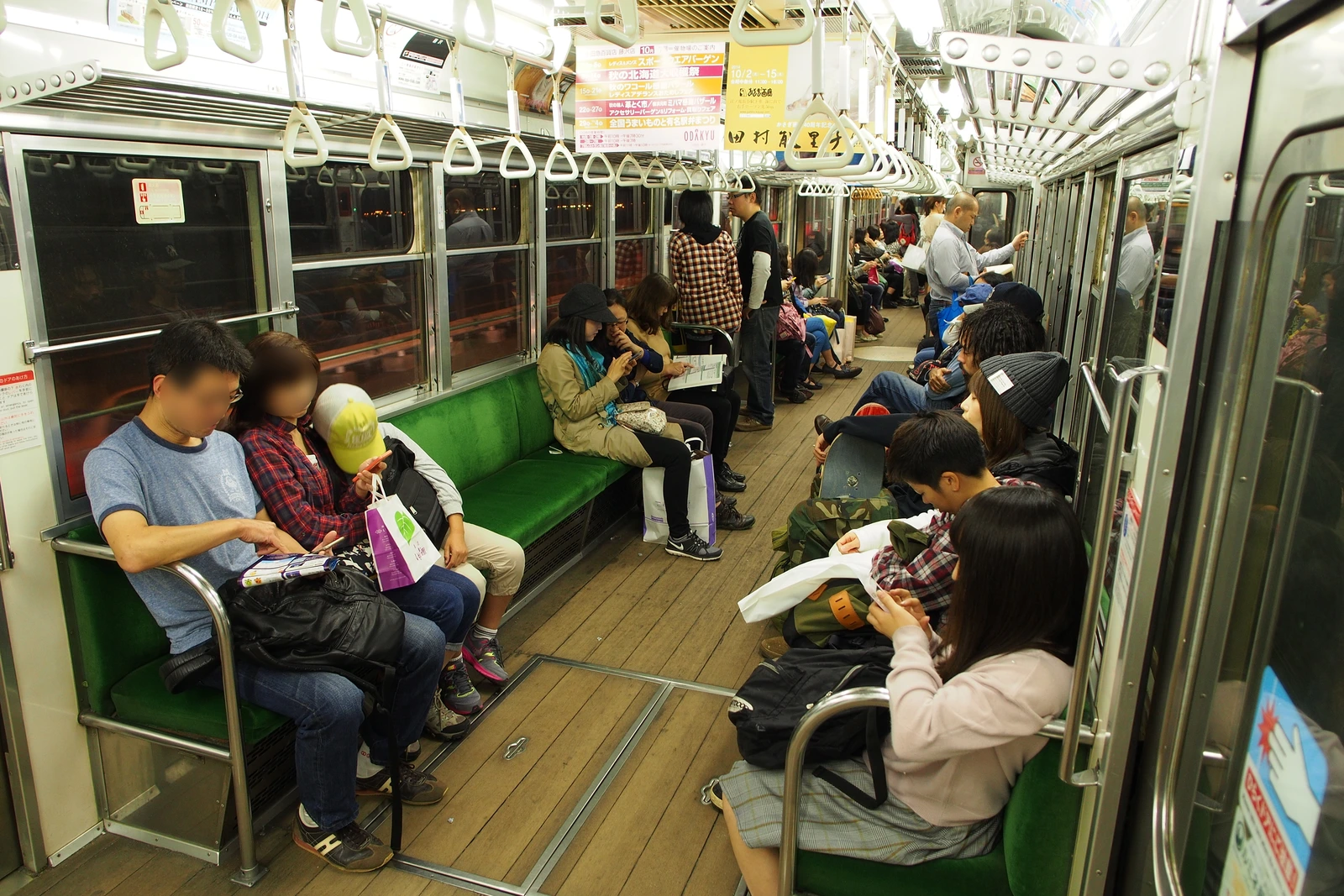
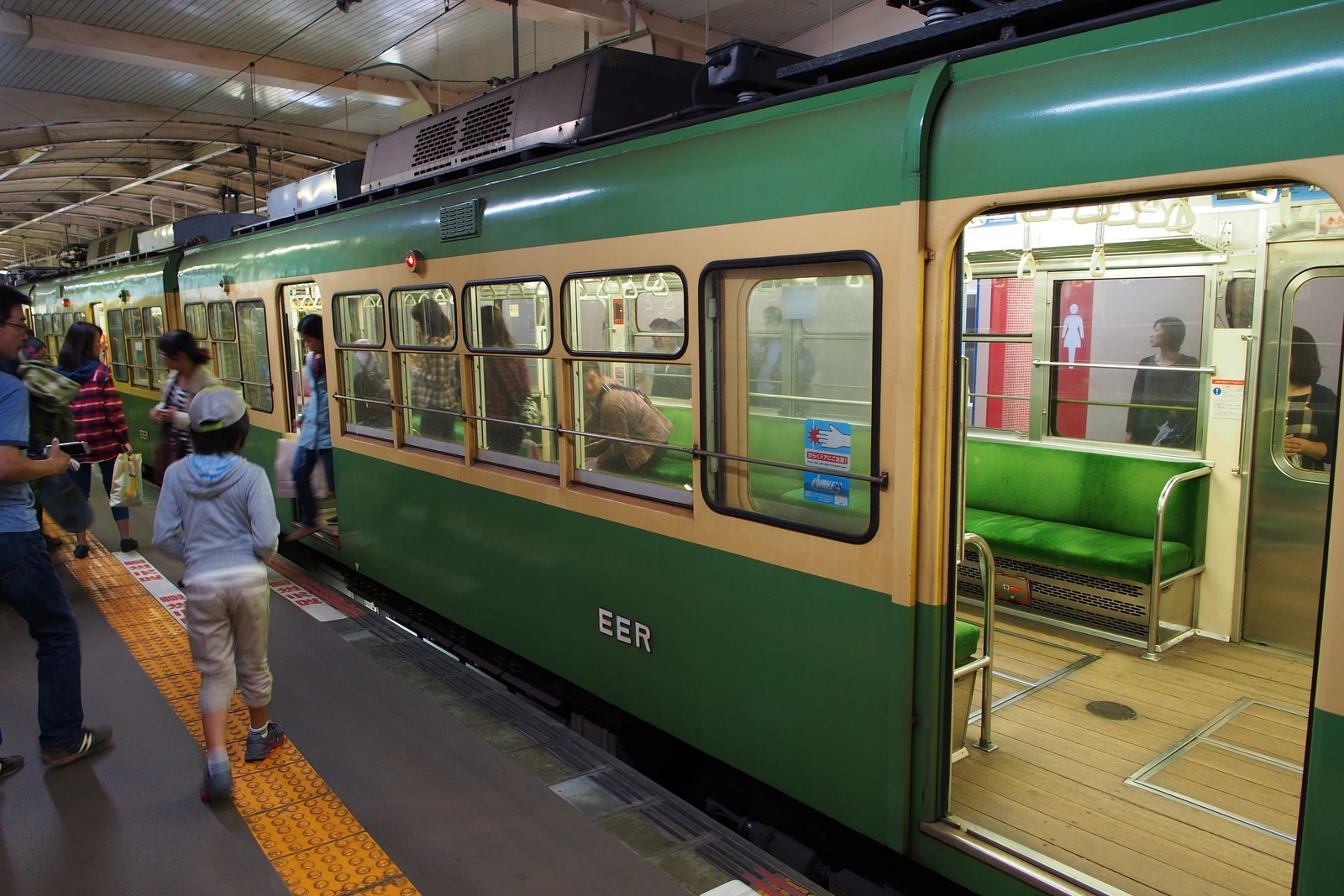
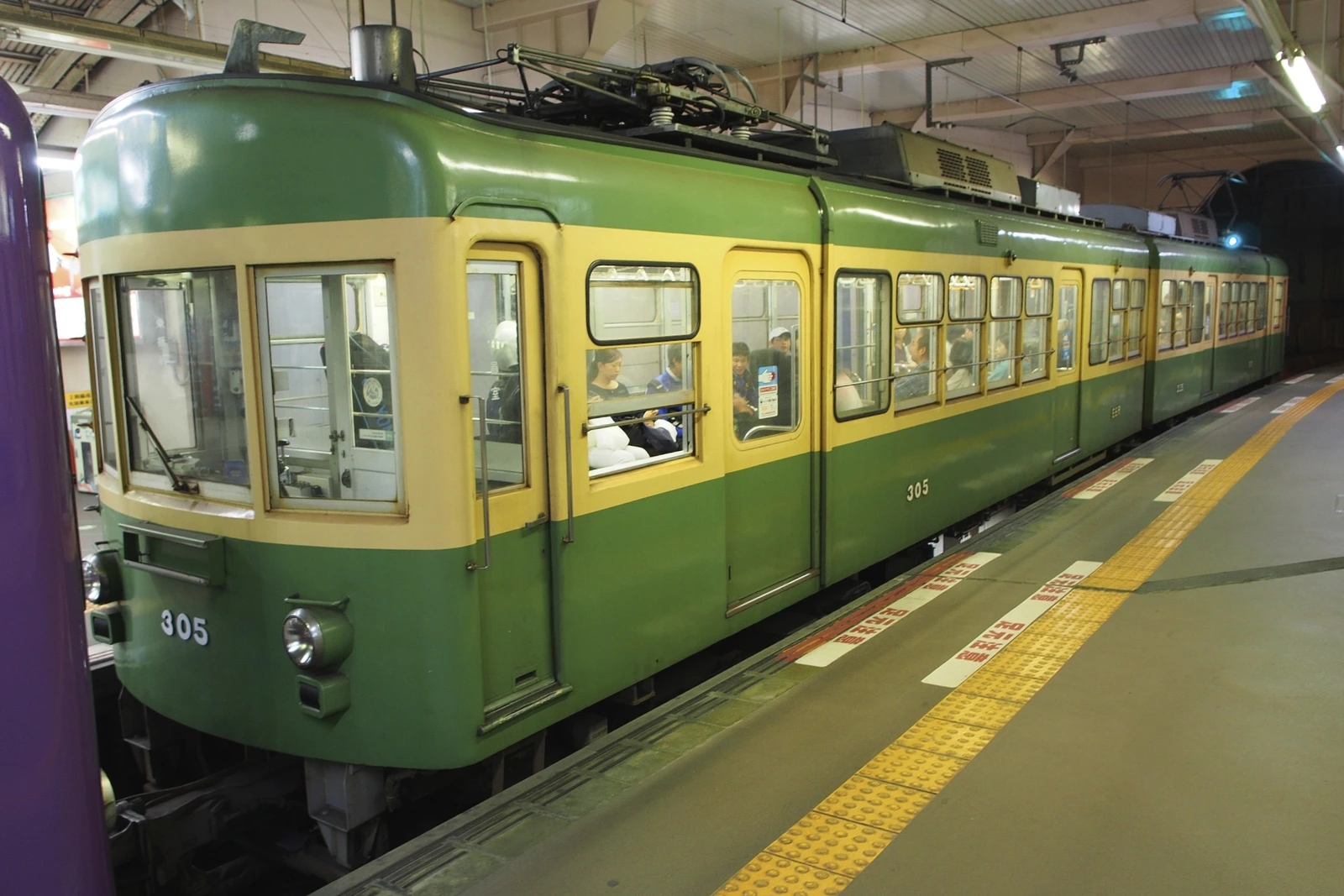
By the time I finally got home, it was nearly ten o’clock. I was completely spent after being out all day.
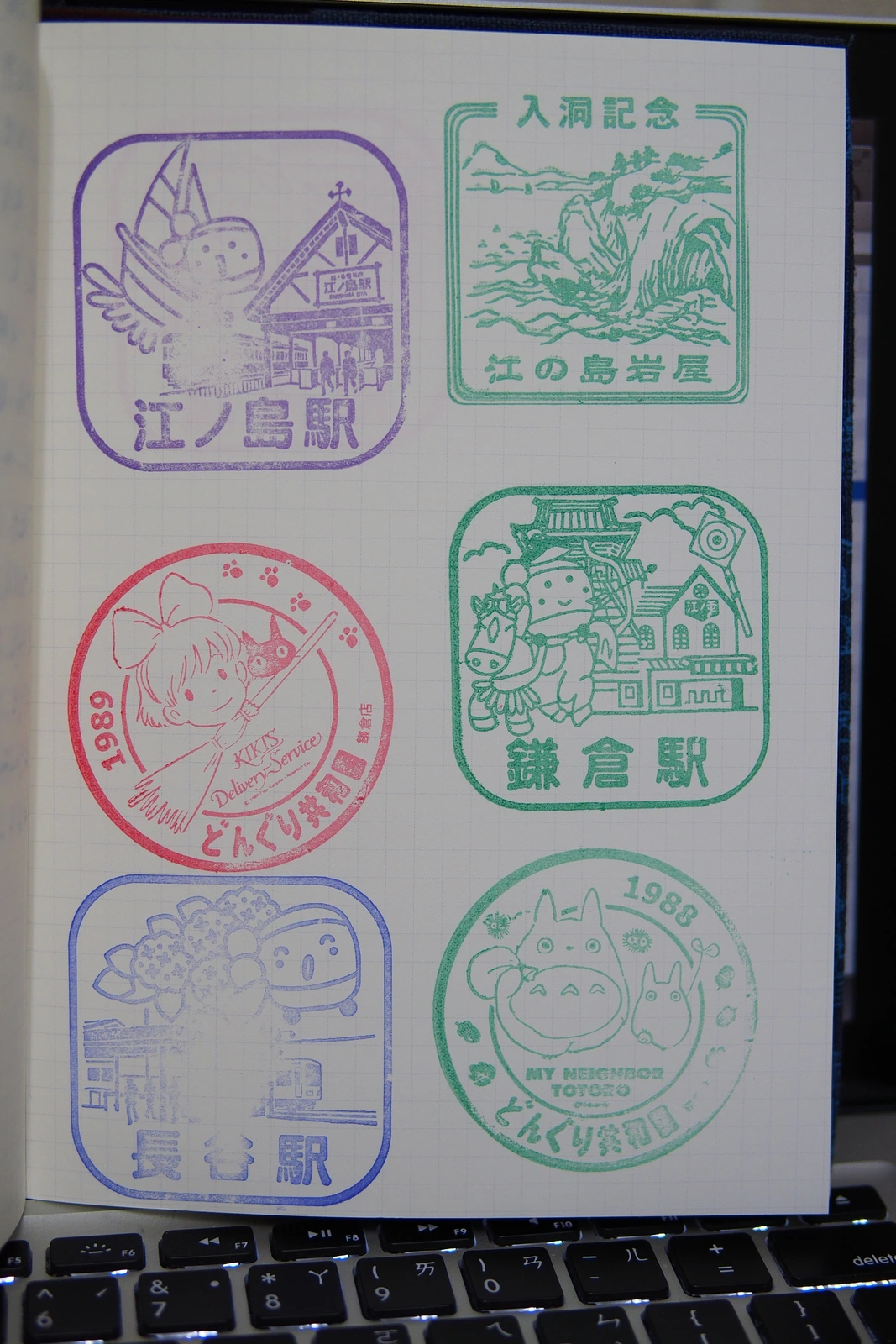
Note: This article is translated from Traditional Chinese.